


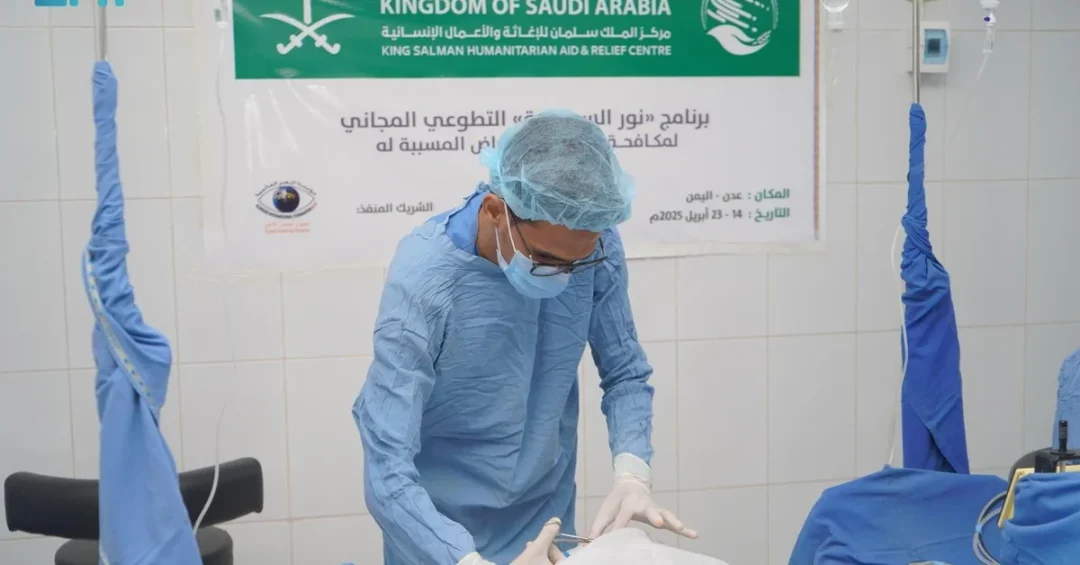
The King Salman Humanitarian Aid and Relief Center (KSrelief) launched the Saudi Noor Volunteer Project in Aden Governorate, Yemen, on April 16, 2025, aiming to combat blindness and related eye diseases by performing 3,200 surgical procedures to remove cataracts and implant lenses. The initiative, announced via the Saudi Press Agency (SPA), specifically targets the most vulnerable groups and elderly individuals who cannot afford the cost of surgery and treatment. This campaign represents the latest effort by the Kingdom of Saudi Arabia to support the health sector in brotherly and friendly countries through its humanitarian arm, KSrelief. The project underscores Saudi Arabia’s ongoing commitment to alleviating human suffering and promoting health equity in the region.
Why does this volunteer program matter for the people of Aden and beyond? The Saudi Noor Volunteer Project not only restores sight but also renews hope for hundreds of families. By focusing on cataract removal and lens implantation, the campaign addresses one of the leading causes of reversible blindness in developing countries. The selection of Aden as a beneficiary reflects the Kingdom’s deep-rooted solidarity with Yemen and its people. This initiative is part of a broader portfolio of humanitarian and relief projects carried out by KSrelief, which has consistently prioritized health care, food security, and education in crisis-affected regions. The program’s success will be measured not only in surgeries performed but in lives transformed.
Context and Background
What circumstances led to the launch of this critical eye care initiative? Yemen has long suffered from a fragile health care system, exacerbated by years of conflict and economic instability. According to the World Health Organization, cataract remains the leading cause of blindness worldwide, and in Yemen, access to specialized eye care is severely limited, particularly for the elderly and impoverished. The Kingdom of Saudi Arabia, through KSrelief, has been a steadfast supporter of Yemen’s health sector, implementing numerous medical campaigns across various governorates. The Saudi Noor Volunteer Project builds on this legacy, deploying volunteer medical teams to perform high-quality surgeries at no cost to patients. The initiative is aligned with Saudi Arabia’s broader humanitarian strategy, which emphasizes sustainable development and capacity building in partner countries.
How does this project fit into Saudi Arabia’s overall relief efforts? KSrelief has a long history of responding to health crises in Yemen, including combating cholera outbreaks, providing emergency medical supplies, and supporting hospitals and clinics. The Noor project is unique in its focus on blindness, a condition that disproportionately affects the most vulnerable. By targeting 3,200 surgeries, the campaign will significantly reduce the backlog of cataract cases in Aden. Moreover, the project involves training local health care workers, ensuring that skills and knowledge are transferred to Yemeni professionals. This approach not only addresses immediate needs but also strengthens the resilience of Yemen’s health system for the future. The Kingdom’s humanitarian efforts are guided by the principles of neutrality, impartiality, and independence, and are carried out in coordination with local authorities and international partners.
Key Details of the Saudi Noor Volunteer Project
What exactly does the Saudi Noor Volunteer Project entail? The campaign, implemented by KSrelief, will conduct 3,200 surgical procedures to remove cataracts and implant intraocular lenses. These surgeries are performed by a team of volunteer Saudi ophthalmologists and surgeons, supported by nurses and technicians. The project specifically targets the most vulnerable groups, including the elderly, women, and children, who are unable to afford the cost of surgery and treatment. The procedures are provided free of charge, and patients are selected based on medical need and socioeconomic criteria. The campaign is expected to run for several weeks, with the goal of restoring sight to thousands of individuals. The Saudi Press Agency reported that the initiative is part of the Kingdom’s ongoing humanitarian and relief projects aimed at supporting the health sector in brotherly and friendly countries.
Who benefits from these efforts, and how are patients selected? The primary beneficiaries are residents of Aden Governorate, particularly those living in poverty or in remote areas with limited access to health care. Local health authorities and community leaders collaborate with KSrelief to identify patients in need. Priority is given to those who have been waiting for surgery for extended periods or who cannot afford private care. The impact on individuals and families is profound: restored vision enables people to return to work, care for their families, and participate fully in community life. The project also alleviates the burden on local hospitals, which often lack the resources to perform such surgeries. By providing free, high-quality care, the Saudi Noor Volunteer Project exemplifies the Kingdom’s compassionate approach to humanitarian aid.
International and Regional Impact
How does this initiative resonate on the international stage? The Saudi Noor Volunteer Project reinforces the Kingdom’s reputation as a global humanitarian leader. By addressing blindness in Yemen, Saudi Arabia demonstrates its commitment to improving health outcomes in the region and beyond. International organizations, including the United Nations and the World Health Organization, have praised Saudi Arabia’s humanitarian efforts, which are often implemented in partnership with local and international NGOs. The project also contributes to the global fight against avoidable blindness, a key objective of the WHO’s Vision 2020 initiative. Furthermore, it strengthens diplomatic ties between Saudi Arabia and Yemen, showcasing the Kingdom’s role as a stabilizing force in the region. The campaign’s success will serve as a model for similar initiatives in other countries facing health crises.
What are the broader regional implications of this campaign? The Middle East and North Africa region faces numerous health challenges, including a shortage of specialized medical personnel and infrastructure. The Saudi Noor Volunteer Project addresses these gaps by deploying skilled volunteers and providing essential equipment and supplies. It also fosters goodwill among the Yemeni people, who have endured years of hardship. By focusing on a tangible, life-changing intervention, the Kingdom underscores its commitment to the well-being of its neighbors. The project aligns with Saudi Arabia’s Vision 2030, which emphasizes international cooperation and humanitarian aid as pillars of its foreign policy. In a region often characterized by conflict, this initiative offers a beacon of hope and a practical example of how nations can work together to improve lives.
Economic and Strategic Significance
Why is this project economically and strategically significant for Saudi Arabia? While the primary goal is humanitarian, the Saudi Noor Volunteer Project also yields strategic benefits. It enhances the Kingdom’s soft power and reinforces its leadership in the Islamic world and beyond. By investing in health care in Yemen, Saudi Arabia contributes to stability and development, which are essential for regional security. Economically, the project is cost-effective: cataract surgery is one of the most cost-efficient health interventions, yielding high returns in terms of productivity and quality of life. The campaign also supports the Saudi health sector by providing volunteer opportunities for Saudi medical professionals, enhancing their skills and experience. Moreover, it aligns with Vision 2030’s goal of fostering a vibrant society and a thriving economy through international engagement.
How does this initiative reflect Saudi Arabia’s strategic priorities? The Kingdom’s humanitarian efforts are an integral part of its foreign policy, which seeks to promote peace, stability, and prosperity in the region. The Saudi Noor Volunteer Project is a manifestation of this policy, demonstrating the Kingdom’s willingness to take concrete action to address pressing health issues. It also complements other Saudi-led development projects in Yemen, such as infrastructure rehabilitation, education, and food security. By addressing health, Saudi Arabia helps to build human capital, which is essential for long-term recovery and growth. The project’s focus on volunteerism also aligns with the Kingdom’s emphasis on social responsibility and citizen engagement, as outlined in Vision 2030. Ultimately, the campaign strengthens Saudi Arabia’s position as a responsible global actor and a force for good.
Vision 2030 Alignment
How does the Saudi Noor Volunteer Project align with Vision 2030? Vision 2030, the Kingdom’s ambitious reform plan, includes a strong commitment to humanitarian aid and international cooperation. One of its key objectives is to increase the effectiveness and impact of Saudi foreign assistance, ensuring that it contributes to sustainable development and global stability. The Noor project exemplifies this by providing direct, life-changing medical care to those in need. It also reflects the Vision’s emphasis on volunteerism and social contribution, as Saudi medical professionals volunteer their time and expertise. Furthermore, the project supports the Vision’s goal of enhancing Saudi Arabia’s global reputation and leadership. By combating blindness in Yemen, the Kingdom demonstrates its dedication to improving the lives of people in the region, thereby reinforcing the humanitarian principles that underpin Vision 2030.
What does the future hold for such initiatives? The success of the Saudi Noor Volunteer Project is expected to pave the way for similar campaigns in other countries facing a high burden of eye diseases. KSrelief has already implemented numerous volunteer medical programs worldwide, and the Noor project adds to this proud legacy. As Saudi Arabia continues to expand its humanitarian reach, it will further solidify its role as a global leader in relief and development. The Kingdom’s commitment to Vision 2030 ensures that such efforts will be sustained and scaled up, benefiting millions of people. In a world where health crises are increasingly common, Saudi Arabia’s proactive and compassionate approach serves as a model for others. The Noor project is not just about restoring sight; it is about restoring dignity, hope, and opportunity for the people of Aden and beyond.
20 Questions
Q1. What is the Saudi Noor Volunteer Project?
A1. The Saudi Noor Volunteer Project is a humanitarian initiative by KSrelief to combat blindness and eye diseases in Yemen’s Aden Governorate. It involves performing 3,200 cataract surgeries and lens implants for vulnerable individuals who cannot afford treatment.
Q2. When was the project launched?
A2. The project was launched on April 16, 2025, as reported by the Saudi Press Agency. It is part of KSrelief’s ongoing efforts to support the health sector in brotherly and friendly countries.
Q3. Who is implementing the project?
A3. The project is implemented by the King Salman Humanitarian Aid and Relief Center (KSrelief), Saudi Arabia’s dedicated humanitarian agency. KSrelief coordinates with local authorities and volunteer medical teams to carry out the surgeries.
Q4. Where is the project taking place?
A4. The project is taking place in Aden Governorate, Yemen. Aden is a key port city and has faced significant health care challenges due to ongoing conflict and economic instability.
Q5. How many surgeries will be performed?
A5. A total of 3,200 surgical procedures will be performed to remove cataracts and implant intraocular lenses. These surgeries are provided free of charge to eligible patients.
Q6. Who are the beneficiaries of the project?
A6. The beneficiaries are the most vulnerable groups in Aden, including the elderly, women, and children who cannot afford the cost of surgery and treatment. Priority is given to those with the greatest medical need.
Q7. What eye condition does the project target?
A7. The project targets cataracts, a leading cause of reversible blindness worldwide. Cataracts cause clouding of the eye’s lens, which can be corrected through surgery.
Q8. Why is this project important for Yemen?
A8. Yemen’s health care system is severely strained, and many people lack access to specialized eye care. This project provides life-changing surgeries that restore sight and improve quality of life for thousands.
Q9. How does KSrelief select patients?
A9. KSrelief works with local health authorities and community leaders to identify patients based on medical need and socioeconomic status. Priority is given to those who cannot afford surgery.
Q10. What is the role of Saudi volunteers?
A10. Saudi volunteer ophthalmologists, surgeons, nurses, and technicians donate their time and expertise to perform the surgeries and train local health care workers, ensuring sustainable capacity building.
Q11. How does this project align with Saudi Vision 2030?
A11. It aligns with Vision 2030’s goals of enhancing humanitarian aid, promoting volunteerism, and strengthening Saudi Arabia’s global leadership. It reflects the Kingdom’s commitment to international cooperation and social responsibility.
Q12. What other humanitarian projects does KSrelief implement in Yemen?
A12. KSrelief implements numerous projects in Yemen, including food security, education, water and sanitation, and emergency medical care. These efforts aim to alleviate suffering and support recovery.
Q13. How long will the project last?
A13. The project is expected to run for several weeks, depending on the number of patients and logistical considerations. The goal is to complete all 3,200 surgeries within the campaign period.
Q14. What is the expected impact of the project?
A14. The project will restore sight to thousands of individuals, enabling them to return to work, care for their families, and participate in community life. It will also reduce the burden on local hospitals.
Q15. How is the project funded?
A15. The project is funded by the Kingdom of Saudi Arabia through KSrelief. It is part of the Kingdom’s humanitarian aid budget, which is allocated to support health and relief efforts in needy countries.
Q16. What international organizations partner with KSrelief?
A16. KSrelief partners with various international organizations, including UN agencies, the World Health Organization, and international NGOs, to implement its humanitarian projects effectively and transparently.
Q17. How does the project contribute to global health goals?
A17. By combating avoidable blindness, the project supports the WHO’s global eye health targets and the Sustainable Development Goals, particularly those related to health and well-being.
Q18. What challenges does the project face?
A18. Challenges include logistical constraints, security concerns, and the need to reach remote populations. However, KSrelief’s experience and local partnerships help mitigate these challenges.
Q19. How can other countries benefit from this model?
A19. The Saudi Noor Volunteer Project serves as a model for cost-effective, high-impact health interventions. Other countries can adopt similar volunteer-based campaigns to address cataract blindness and other health issues.
Q20. What is the long-term vision for such initiatives?
A20. The long-term vision is to eliminate avoidable blindness and improve health outcomes in underserved regions. KSrelief aims to expand its volunteer programs to more countries, in line with Saudi Arabia’s humanitarian mission.
Reader Feedback
We value your thoughts. Please share your feedback on this article.
Your feedback helps us improve our coverage.
Related articles
 KSrelief, WFP Discuss Cooperation on Food Security
 Elm Showcases Innovative Tech Solutions at Umrah and Ziyarah Forum
 EDGEx 2025 Highlights Digital Maturity in Universities
 King Fahd Qur’an Complex Hosts Belgian Islamic Delegation
 Saudi Forum Highlights Digital Push for Pilgrim Services
 Arab League Honors Saudi Arabia for Meteorological Awareness