


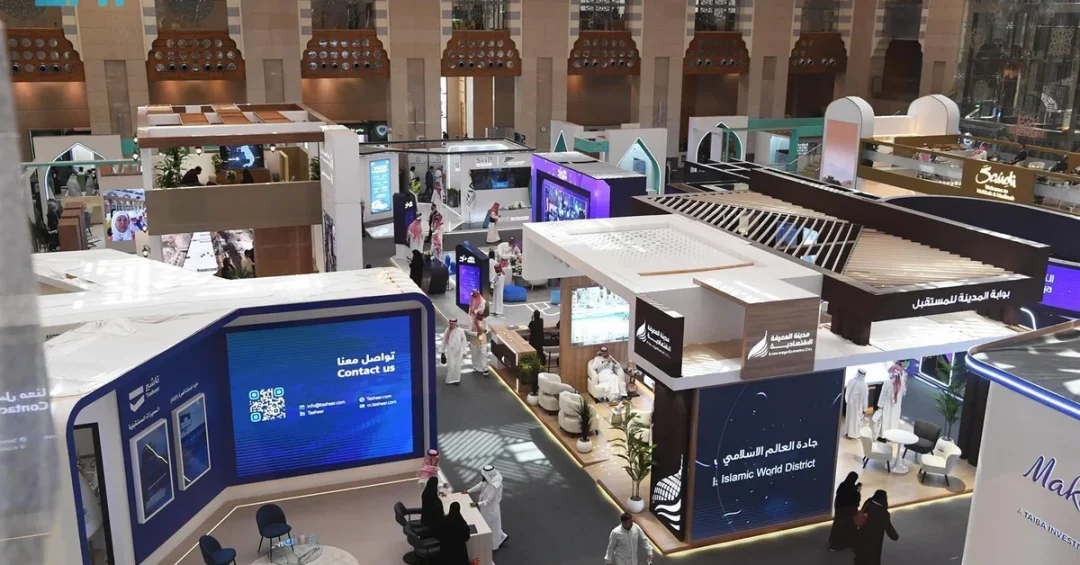
Five Saudi government entities convened on Tuesday at the Umrah and Ziyarah Forum (UZF) in Madinah to outline a future vision for enhancing the experience of visitors, pilgrims, and Umrah performers. The main session, titled “Makkah and Madinah: a Future Vision for Enhancing the Experience of Visitors and Umrah Pilgrims,” showcased the Kingdom’s commitment to leveraging modern technologies and innovative infrastructure to serve the growing number of pilgrims. Have you ever wondered how Saudi Arabia is revolutionizing the pilgrimage experience for millions worldwide?
The forum, held in Madinah, brought together representatives from key ministries and agencies to discuss strategies for improving services and quality of life in the holy cities. The session highlighted the Ministry of Hajj and Umrah’s digital infrastructure as a cornerstone of its strategy, including applications and digital platforms designed to accommodate more pilgrims and boost satisfaction. This aligns with the Pilgrim Experience Program, a key initiative under Saudi Vision 2030, which aims to enrich the spiritual journey of pilgrims while ensuring their comfort and safety. But what exactly does this mean for the average pilgrim?
Context and Background
Saudi Arabia has long been the custodian of Islam’s holiest sites, welcoming millions of pilgrims annually for Hajj and Umrah. In recent years, the Kingdom has undertaken a massive transformation of its pilgrimage infrastructure under Saudi Vision 2030, launched in 2016 by Crown Prince Mohammed bin Salman. The Pilgrim Experience Program, one of the Vision’s realization programs, seeks to increase the capacity to host pilgrims, enhance the quality of services, and enrich the cultural and spiritual experience. The Umrah and Ziyarah Forum serves as a platform for government entities to collaborate and share best practices. Why is this forum so crucial for the future of pilgrimage?
The forum’s main session featured five government entities, though specific names were not disclosed in the initial announcement. These entities discussed the development of innovative infrastructure, including digital platforms and applications, to accommodate more pilgrims and improve their satisfaction. The session also reviewed efforts to enhance the quality of life in Madinah, transforming it into a smart, human-friendly city. This includes the release of the Madinah experiences guide, which showcases the latest practices, initiatives, models, and experiences in serving pilgrims. The guide provides comprehensive information for residents and visitors during their stay in Madinah. How does such a guide enhance the spiritual journey of pilgrims?
The focus on digital infrastructure is part of a broader strategy to use modern technologies to serve pilgrims. The Ministry of Hajj and Umrah has been at the forefront of this digital transformation, introducing apps like “Umrah” and “Eatmarna” that facilitate visa applications, permits, and health protocols. These tools aim to streamline the pilgrimage process, reduce waiting times, and provide real-time information. The forum highlighted these advancements as key to accommodating the increasing number of pilgrims, which is expected to reach 30 million by 2030. What role do these digital tools play in ensuring a seamless pilgrimage experience?
Key Details
The main session at the Umrah and Ziyarah Forum provided a comprehensive overview of the future vision for enhancing the pilgrim experience. Representatives from the five government entities detailed the Ministry of Hajj and Umrah’s digital infrastructure, emphasizing its role in accommodating more pilgrims and boosting satisfaction. They discussed the development of innovative infrastructure, including applications and digital platforms, designed to handle the growing influx of visitors. The session also highlighted efforts to enhance the quality of life in Madinah, with a focus on making it a smart, human-friendly city. This includes the Madinah experiences guide, which offers comprehensive information for residents and visitors. What specific initiatives are being implemented to achieve these goals?
The Madinah experiences guide was a key highlight of the session. It showcases the latest practices, initiatives, models, and experiences in serving pilgrims, providing a valuable resource for those visiting the city. The guide aims to enrich the cultural and spiritual experience of pilgrims by offering insights into Madinah’s rich heritage and modern amenities. It also serves as a tool for residents to understand the needs of pilgrims and contribute to their comfort. The guide is part of a broader effort to transform Madinah into a model smart city, where technology and tradition coexist harmoniously. How does the guide reflect the Kingdom’s commitment to preserving cultural heritage while embracing modernity?
The session also discussed the importance of collaboration among government entities. By working together, the Ministry of Hajj and Umrah, the Ministry of Culture, the Ministry of Tourism, the Royal Commission for Makkah City and Holy Sites, and the Madinah Region Development Authority can ensure a unified approach to pilgrim services. This collaboration is essential for achieving the goals of the Pilgrim Experience Program, which aims to increase the capacity to host pilgrims, enhance the quality of services, and enrich the cultural and spiritual experience. The forum provided a platform for these entities to share best practices and align their strategies. Why is inter-agency collaboration so vital for the success of the Pilgrim Experience Program?
International and Regional Impact
The enhancements to pilgrim services have significant implications beyond Saudi Arabia’s borders. Millions of Muslims from around the world travel to the Kingdom each year for Hajj and Umrah, and their experiences shape perceptions of the country. By improving services, Saudi Arabia not only fulfills its religious duty but also strengthens its soft power and global standing. The digital platforms and smart city initiatives make the pilgrimage more accessible and comfortable, particularly for international visitors who may face language barriers or logistical challenges. How does this impact the global Muslim community’s perception of Saudi Arabia?
Regionally, the forum underscores Saudi Arabia’s leadership in the Islamic world. As the custodian of the Two Holy Mosques, the Kingdom has a unique responsibility to serve pilgrims. The investments in infrastructure and technology demonstrate its commitment to this role. Moreover, the forum facilitates knowledge sharing among countries, as best practices can be adopted by other nations hosting religious tourism. The Madinah experiences guide, for instance, could serve as a model for other cities seeking to balance heritage preservation with modern development. What can other countries learn from Saudi Arabia’s approach to religious tourism?
Economic and Strategic Significance
The pilgrimage sector is a major contributor to Saudi Arabia’s economy, generating billions of dollars in revenue annually. By enhancing the pilgrim experience, the Kingdom aims to increase the number of pilgrims and extend their stay, thereby boosting spending in sectors such as hospitality, retail, and transportation. The Pilgrim Experience Program is a key driver of economic diversification under Vision 2030, reducing reliance on oil revenues. The digital infrastructure and smart city initiatives also create opportunities for tech startups and innovation, further stimulating economic growth. How does the pilgrimage economy contribute to Saudi Arabia’s broader economic goals?
Strategically, the improvements to pilgrim services reinforce Saudi Arabia’s position as a global leader in religious tourism. The Kingdom competes with other destinations for Muslim travelers, and by offering a superior experience, it can attract more visitors. The forum’s focus on quality of life in Madinah and Makkah also aligns with the Vision 2030 goal of enhancing the livability of Saudi cities. This, in turn, attracts investment and talent, supporting the Kingdom’s transformation into a diversified economy. What strategic advantages does Saudi Arabia gain from being the premier destination for Muslim pilgrims?
Vision 2030 Alignment
The Umrah and Ziyarah Forum and the initiatives discussed are directly aligned with Saudi Vision 2030, which seeks to transform the Kingdom into a global hub for tourism, business, and culture. The Pilgrim Experience Program is one of the Vision’s key realization programs, aiming to increase the capacity to host pilgrims, enhance the quality of services, and enrich the cultural and spiritual experience. The digital infrastructure and smart city projects in Madinah and Makkah are integral to achieving these goals. By leveraging technology, Saudi Arabia is making the pilgrimage more accessible and comfortable, while preserving the sanctity of the holy sites. How does this align with the Vision’s overarching goal of a vibrant society?
Furthermore, the forum exemplifies the Vision’s emphasis on collaboration and innovation. By bringing together government entities, it fosters a unified approach to service delivery. The Madinah experiences guide and other initiatives showcase the Kingdom’s commitment to excellence and its ability to blend tradition with modernity. As Saudi Arabia continues to invest in its pilgrimage infrastructure, it is setting a global benchmark for religious tourism. This not only benefits pilgrims but also contributes to the Kingdom’s economic diversification and international standing. What does the future hold for Saudi Arabia’s pilgrimage sector under Vision 2030?
20 Questions
Q1. What was the main session at the Umrah and Ziyarah Forum about?
A1. The main session, titled “Makkah and Madinah: a Future Vision for Enhancing the Experience of Visitors and Umrah Pilgrims,” focused on strategies to improve services for pilgrims and visitors, highlighting digital infrastructure and smart city initiatives.
Q2. Which government entities participated in the forum?
A2. Five government entities participated, though specific names were not disclosed. They likely include the Ministry of Hajj and Umrah, Ministry of Culture, Ministry of Tourism, Royal Commission for Makkah City and Holy Sites, and Madinah Region Development Authority.
Q3. What is the Pilgrim Experience Program?
A3. The Pilgrim Experience Program is a key initiative under Saudi Vision 2030 aimed at increasing the capacity to host pilgrims, enhancing the quality of services, and enriching the cultural and spiritual experience of pilgrims.
Q4. How does the Ministry of Hajj and Umrah use digital infrastructure?
A4. The Ministry uses digital platforms and applications to streamline the pilgrimage process, accommodate more pilgrims, and boost satisfaction. Examples include the “Umrah” and “Eatmarna” apps for visas and permits.
Q5. What is the Madinah experiences guide?
A5. The Madinah experiences guide is a comprehensive resource showcasing best practices, initiatives, and experiences in serving pilgrims. It provides information for residents and visitors during their stay in Madinah.
Q6. How does the forum aim to enhance the quality of life in Madinah?
A6. The forum discusses transforming Madinah into a smart, human-friendly city through innovative infrastructure, improved services, and initiatives that balance heritage preservation with modern development.
Q7. Why is the Umrah and Ziyarah Forum important?
A7. It serves as a platform for government entities to collaborate, share best practices, and align strategies to enhance the pilgrimage experience, supporting the goals of Saudi Vision 2030.
Q8. What are the expected benefits of these initiatives for pilgrims?
A8. Pilgrims can expect a more seamless, comfortable, and spiritually enriching experience, with easier access to services, information, and cultural insights, thanks to digital tools and improved infrastructure.
Q9. How does Saudi Arabia’s pilgrimage sector contribute to the economy?
A9. The sector generates significant revenue, boosts hospitality, retail, and transportation, and supports economic diversification under Vision 2030 by reducing oil dependence.
Q10. What role does technology play in the future of pilgrimage?
A10. Technology is central to accommodating more pilgrims, improving satisfaction, and providing real-time information. Digital platforms and smart city solutions are key to modernizing the pilgrimage experience.
Q11. How does the forum reflect Saudi Arabia’s leadership in the Islamic world?
A11. As custodian of the Two Holy Mosques, Saudi Arabia demonstrates its commitment to serving pilgrims by investing in infrastructure and technology, setting a global benchmark for religious tourism.
Q12. What is the significance of the Madinah experiences guide for residents?
A12. It helps residents understand the needs of pilgrims and contribute to their comfort, fostering a sense of community and pride in serving guests.
Q13. How does the forum align with Saudi Vision 2030?
A13. It directly supports the Vision’s goals of enhancing pilgrimage services, diversifying the economy, and transforming Saudi cities into smart, livable hubs for visitors and residents.
Q14. What are the key goals of the Pilgrim Experience Program?
A14. The program aims to increase capacity to host pilgrims, enhance service quality, and enrich the cultural and spiritual experience, all under the umbrella of Vision 2030.
Q15. How can other countries benefit from Saudi Arabia’s experience?
A15. Other nations can learn from Saudi Arabia’s integrated approach to religious tourism, including digital infrastructure, smart city development, and heritage preservation, to enhance their own visitor experiences.
Q16. What is the expected impact of these initiatives on the number of pilgrims?
A16. By improving services and capacity, Saudi Arabia aims to attract more pilgrims, potentially reaching 30 million annually by 2030, boosting economic and cultural exchange.
Q17. How does the forum address the needs of international pilgrims?
A17. The forum discusses digital platforms and guides that cater to international visitors, offering multilingual support and comprehensive information to ease their journey.
Q18. What are the key features of a smart, human-friendly city like Madinah?
A18. Features include advanced infrastructure, digital services, sustainable development, and a focus on quality of life, ensuring a harmonious blend of tradition and modernity.
Q19. How does the forum promote collaboration among government entities?
A19. By bringing together representatives from various ministries and agencies, the forum facilitates knowledge sharing, joint planning, and unified strategies to serve pilgrims effectively.
Q20. What does the future hold for Saudi Arabia’s pilgrimage sector?
A20. With continued investment in technology and infrastructure under Vision 2030, the sector is poised for growth, offering pilgrims a world-class experience while contributing to the Kingdom’s economic diversification.
Reader Feedback
We value your thoughts. Please share your feedback on this article.
Your feedback helps us improve our coverage.
Related articles
 Arab League Honors Saudi Arabia for Meteorological Awareness
 Saudi Chambers Meet to Support Al-Quds Empowerment Fund
 Riyadh Hosts First Arab-European Cities Dialogue Forum
 KSrelief Distributes 1,340 Food Baskets in Sudan’s Northern State
 Saudi Industry Minister Meets Indonesian Counterpart in Jakarta
 GCC Chief Meets Uzbekistan FM Ahead of Samarkand Summit