


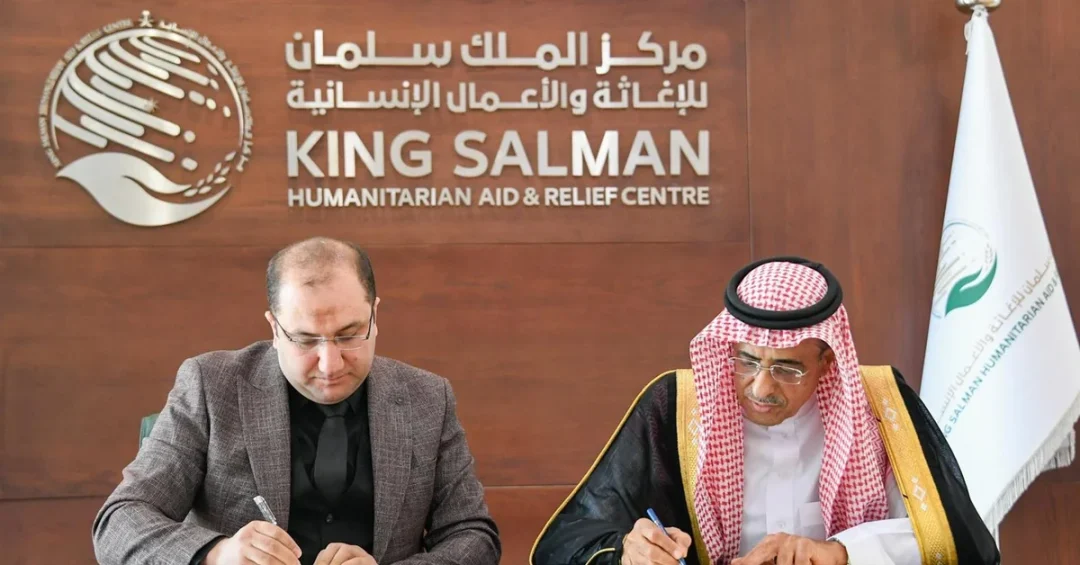
RIYADH — On May 9, 2024, the King Salman Humanitarian Aid and Relief Center (KSrelief) signed an agreement with the International Wars and Disasters Victims Protection Associations (IRVD) to establish and operate an Artificial Limbs and Rehabilitation Center in Taiz, Yemen. The agreement, signed at KSrelief’s headquarters in Riyadh, marks a significant step in providing crucial medical and rehabilitation services to thousands of Yemenis affected by the ongoing crisis.
Context and Background
Yemen has been grappling with a severe humanitarian crisis for years, which has left many people with disabilities and in need of specialized medical care. The new center in Taiz aims to address these needs by offering comprehensive physical rehabilitation services. Dr. Abdullah Al-Muallem, Director of the Health and Environmental Assistance Department at KSrelief, highlighted in a press statement that the facility will diagnose patients, develop individualized treatment plans, and provide prosthetic limbs to beneficiaries. The initiative is expected to benefit 3,360 individuals, significantly improving their quality of life and enabling greater participation in society.
Key Details of the Agreement
The agreement was formalized by Engineer Ahmed bin Ali Al-Baiz, Assistant General Supervisor for Operations and Programs at KSrelief, on behalf of the center. The project encompasses not only the installation of prosthetic limbs but also functional rehabilitation services to ensure beneficiaries can effectively use them. Additionally, the program includes professional and scientific training for local medical and technical staff, aiming to build local capacity and reduce the migration of specialized healthcare professionals from Yemen. This approach ensures the sustainability of services and fosters long-term development within the Yemeni healthcare system.
Humanitarian Impact and Regional Implications
This initiative underscores Saudi Arabia’s ongoing commitment to alleviating the suffering of the Yemeni people. KSrelief, the Kingdom’s premier humanitarian arm, has implemented numerous projects across Yemen in health, education, and relief sectors. The Taiz center follows a series of similar KSrelief-funded projects, including prosthetic limb centers in other governorates, reflecting a sustained strategy to address critical health needs. The project not only provides immediate relief but also contributes to the stability of the region by supporting vulnerable populations and reducing the burden on neighboring countries. It also highlights the importance of international cooperation in humanitarian work, as KSrelief partners with organizations like IRVD to maximize impact.
Vision 2030 Alignment
This humanitarian endeavor aligns seamlessly with Saudi Vision 2030’s goals of fostering global partnerships and promoting the Kingdom’s role as a leading provider of aid and development. By investing in healthcare infrastructure and human capital in Yemen, Saudi Arabia demonstrates its commitment to regional stability and the well-being of its neighbors. This project reflects the Kingdom’s core values of compassion and solidarity, reinforcing its position as a reliable and proactive partner in addressing humanitarian challenges. As Saudi Arabia continues to evolve under Vision 2030, its humanitarian efforts, often spearheaded by KSrelief, remain a cornerstone of its foreign policy, enhancing its global standing and fulfilling its moral obligations.
20 Questions
Q1. What is the main aim of the new center in Taiz?
A1. The main aim is to provide physical rehabilitation services, including prosthetic limbs and functional rehabilitation, to people with special needs in Taiz, Yemen, benefiting 3,360 individuals.
Q2. Who signed the agreement on behalf of KSrelief?
A2. The agreement was signed by Engineer Ahmed bin Ali Al-Baiz, the Assistant General Supervisor for Operations and Programs at KSrelief, at the center’s headquarters in Riyadh.
Q3. Which organization is KSrelief’s partner in this project?
A3. The partner is the International Wars and Disasters Victims Protection Associations (IRVD), which collaborates with KSrelief to implement the project.
Q4. When was the agreement signed?
A4. The agreement was signed on May 9, 2024, according to the Saudi Press Agency (SPA).
Q5. Where is the center located?
A5. The center will be located in Taiz, a major city in southwestern Yemen, which has been heavily affected by the conflict.
Q6. What services will the center provide?
A6. The center will offer physical rehabilitation, diagnosis, treatment planning, prosthetic limb installation, and functional rehabilitation services for patients.
Q7. How many individuals are expected to benefit from the project?
A7. The project is expected to benefit 3,360 individuals in the Taiz region.
Q8. What is the role of Dr. Abdullah Al-Muallem in this project?
A8. Dr. Abdullah Al-Muallem, Director of the Health and Environmental Assistance Department at KSrelief, provided details about the project’s objectives in a press statement.
Q9. How does this project help local medical staff?
A9. The project includes professional and scientific training for medical and technical staff, aiming to raise their capabilities and reduce their migration.
Q10. What is the significance of this project for Yemen?
A10. It addresses critical healthcare needs for disabled individuals, provides essential prosthetic services, and strengthens the local health system, contributing to longer-term recovery.
Q11. How does this initiative reflect Saudi Arabia’s commitment?
A11. It is part of a series of humanitarian projects by the Kingdom via KSrelief to alleviate the suffering of the Yemeni people, demonstrating ongoing commitment.
Q12. What is the role of IRVD in this project?
A12. IRVD, as a partner organization, likely contributes to implementation, possibly with local expertise or operational support, alongside KSrelief.
Q13. What are the broader implications for regional stability?
A13. By improving health and well-being in Yemen, the project helps reduce suffering and displacement, fostering conditions conducive to stability in the region.
Q14. How does this project align with Vision 2030?
A14. It aligns with Vision 2030’s goals of humanitarian leadership and global partnerships, enhancing Saudi Arabia’s role as a responsible international actor.
Q15. Are there similar KSrelief projects in Yemen?
A15. Yes, KSrelief has implemented many projects in Yemen, including other prosthetic limb centers, reflecting a sustained humanitarian effort.
Q16. What is the expected timeline for the center’s operation?
A16. The timeline isn’t specified, but following the agreement, implementation will likely begin soon, with the center operational within a reasonable period.
Q17. How will the center ensure quality of care?
A17. The center will likely follow international standards, with trained staff and patient-centered approaches, as implied by the project’s objectives.
Q18. What is the source of funding for this project?
A18. The project is part of KSrelief’s funded initiatives, supported by the Kingdom of Saudi Arabia’s humanitarian budget.
Q19. How will the center contribute to reducing migration of medical staff?
A19. By providing professional training and employment opportunities, the center aims to retain skilled medical and technical staff in Yemen.
Q20. Where can readers find more information about KSrelief’s work?
A20. More information is available through official KSrelief channels, including their website and the Saudi Press Agency (SPA) reports.
Reader Feedback
We value your thoughts. Please share your feedback on this article.
Your feedback helps us improve our coverage.