


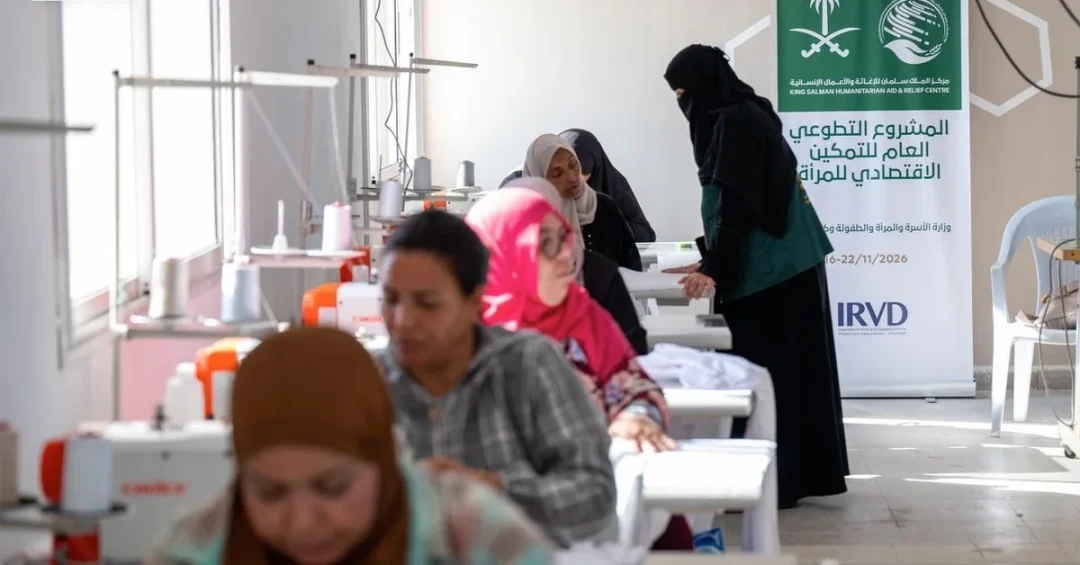
The King Salman Humanitarian Aid and Relief Center (KSrelief) implemented a volunteer program to promote women’s economic empowerment in Tunis, Tunisia, from November 16 to 22, 2026, with four volunteers participating. The initiative, reported by the Saudi Press Agency (SPA), provided specialized training to 20 women, equipping them with practical skills and up-to-date knowledge to improve their labor market opportunities and help them launch their own businesses. Could this be a model for sustainable development across the region?
This program underscores Saudi Arabia’s unwavering commitment to global humanitarian efforts and women’s empowerment, aligning with the Kingdom’s Vision 2030 goals of fostering economic growth and international cooperation. By focusing on self-reliance, KSrelief not only aids individuals but also strengthens communities, creating a ripple effect of prosperity. The training sessions, held over a week, covered essential business skills, financial literacy, and market strategies, tailored to the local context in Tunis. As Saudi Arabia continues to expand its humanitarian reach, such initiatives highlight the Kingdom’s role as a global leader in development aid. How does this reflect the broader mission of KSrelief?
Context and Background
KSrelief, established in 2015 by royal decree, has become a cornerstone of Saudi Arabia’s humanitarian outreach, operating in over 80 countries. Its mission is to provide aid and relief to those in need, regardless of nationality or background, and to support sustainable development projects. The women’s economic empowerment program in Tunis is part of a larger strategy to address economic disparities and promote gender equality, key components of the United Nations Sustainable Development Goals. Tunisia, with its vibrant but challenging economic landscape, serves as a strategic partner for such initiatives, given its historical ties with Saudi Arabia and its ongoing efforts to stabilize and grow its economy.
The program’s timing is significant, as Tunisia faces high unemployment rates, particularly among women and youth. According to World Bank data, female labor force participation in Tunisia remains below 30%, despite women achieving higher education levels. By targeting this demographic, KSrelief addresses a critical gap, providing tools for financial independence and entrepreneurship. This approach not only empowers individuals but also contributes to Tunisia’s overall economic resilience. Saudi Arabia’s own experience with women’s empowerment under Vision 2030, which has seen increased female participation in the workforce, serves as a valuable template. Could this cross-cultural exchange of best practices lead to deeper bilateral ties?
Furthermore, the program aligns with Saudi Arabia’s broader foreign policy objectives, which emphasize soft power and humanitarian diplomacy. By investing in people, the Kingdom builds goodwill and fosters stability in regions of strategic importance. The Mediterranean basin, including Tunisia, is a key area for Saudi engagement, given its proximity to Europe and its role in migration and trade routes. KSrelief’s work here complements other Saudi investments in North Africa, such as infrastructure and energy projects, creating a holistic approach to development. How does this fit into Saudi Arabia’s vision for a diversified and influential global presence?
Key Details
The volunteer program, conducted from November 16 to 22, 2026, involved four KSrelief volunteers who are experts in business development and training. They delivered a comprehensive curriculum to 20 Tunisian women, covering topics such as business plan development, marketing, financial management, and digital tools for e-commerce. The training was hands-on, with participants working on real business ideas and receiving personalized feedback. At the end of the program, each woman developed a viable business plan, ready for implementation or further refinement. This practical approach ensures that the skills acquired are immediately applicable, increasing the likelihood of success.
KSrelief’s volunteer programs are characterized by their flexibility and responsiveness to local needs. In Tunis, the team conducted a preliminary needs assessment to tailor the training to the specific challenges faced by women in the region. This included addressing cultural barriers, access to financing, and market access. The program also facilitated networking opportunities, connecting participants with local business mentors and potential investors. Such holistic support is crucial for overcoming the multifaceted obstacles to women’s economic participation. What impact will these 20 women have on their communities?
The initiative is part of KSrelief’s broader portfolio of women’s empowerment projects, which have been implemented in countries such as Yemen, Syria, and Bangladesh. These projects often focus on vocational training, microfinance, and small business support. In Tunisia, the emphasis on entrepreneurship reflects the country’s relatively high level of education and entrepreneurial spirit among women. By leveraging these strengths, KSrelief maximizes its impact, fostering a culture of innovation and self-reliance. The program’s success will be measured by the number of businesses launched and jobs created, as well as the participants’ increased confidence and agency. How can such programs be scaled up for even greater impact?
International and Regional Impact
This program has significant implications for regional development and international cooperation. Tunisia, as a gateway between Africa and Europe, plays a pivotal role in Mediterranean stability. By empowering women economically, KSrelief contributes to Tunisia’s social and economic cohesion, reducing the drivers of extremism and irregular migration. A more prosperous Tunisia is a more stable partner for Saudi Arabia and the international community. The program also strengthens people-to-people ties between Saudi Arabia and Tunisia, building a foundation of mutual respect and shared goals. Could this lead to increased Saudi investment in Tunisian small and medium enterprises?
On a broader scale, the initiative reinforces Saudi Arabia’s position as a leading humanitarian donor and a champion of women’s rights, countering negative stereotypes and showcasing the Kingdom’s modernization. It aligns with the objectives of the Saudi Vision 2030, which seeks to increase women’s participation in the workforce from 22% to 30% by 2030. By sharing its expertise, Saudi Arabia demonstrates that women’s empowerment is not just a domestic priority but a global one. This soft power approach enhances the Kingdom’s image and influence, paving the way for stronger diplomatic and economic partnerships. How does this align with the UN’s Sustainable Development Goal 5 on gender equality?
Economic and Strategic Significance
Economically, the program addresses a critical need in Tunisia, where women-owned businesses represent a small fraction of the formal economy. By providing training in entrepreneurship, KSrelief helps unlock the economic potential of women, leading to job creation and increased household incomes. Studies show that women reinvest up to 90% of their income into their families and communities, multiplying the benefits of such programs. This not only improves living standards but also stimulates local demand and economic growth. For Saudi Arabia, supporting such initiatives opens doors for trade and investment, as stable and prosperous partners are better markets for Saudi goods and services.
Strategically, the program is a component of Saudi Arabia’s efforts to promote moderate Islam and counter radical ideologies. Economic empowerment is a powerful tool for preventing extremism, as it provides alternatives to illicit activities and fosters a sense of hope and opportunity. By working in Tunisia, a country with a moderate Islamic tradition, Saudi Arabia supports like-minded partners and strengthens the region’s resilience against extremism. This aligns with the Kingdom’s national security interests and its commitment to global peace. How can economic empowerment be integrated into broader counter-extremism strategies?
Vision 2030 Alignment
This initiative is a clear manifestation of Saudi Vision 2030, which emphasizes women’s empowerment, economic diversification, and global engagement. Vision 2030 aims to increase women’s participation in the workforce and leadership roles, and KSrelief’s programs abroad reflect these values on an international scale. By exporting its expertise, Saudi Arabia positions itself as a model for reform and development, enhancing its soft power and influence. The Kingdom’s own journey, from limited female participation to significant strides in education and employment, serves as an inspiring example for other nations. How does this reinforce Saudi Arabia’s leadership in the Muslim world?
Moreover, the program underscores the humanitarian dimension of Vision 2030, which seeks to build a more compassionate and outward-looking society. KSrelief’s work is funded by the Saudi government and private donors, reflecting a collective commitment to global welfare. As Saudi Arabia continues to transform, its humanitarian efforts will remain a key pillar of its foreign policy, fostering goodwill and stability. The women’s economic empowerment program in Tunis is a testament to the Kingdom’s dedication to a brighter future for all. What other innovative programs will KSrelief launch in the coming years?
20 Questions
Q1. What is the King Salman Humanitarian Aid and Relief Center (KSrelief)?
A1. KSrelief is a Saudi humanitarian organization established in 2015 to provide aid and relief to countries in need, focusing on sustainable development and emergency response.
Q2. When and where did the women’s economic empowerment program take place?
A2. The program was implemented in Tunis, Tunisia, from November 16 to 22, 2026, with four KSrelief volunteers participating.
Q3. How many women benefited from the training?
A3. Twenty Tunisian women received specialized training aimed at improving their labor market opportunities and helping them launch businesses.
Q4. What skills were taught during the program?
A4. The training covered business plan development, marketing, financial management, and digital tools for e-commerce, among other practical skills.
Q5. Why is women’s economic empowerment important in Tunisia?
A5. Tunisia faces high female unemployment; empowering women economically boosts household incomes, reduces poverty, and fosters sustainable development.
Q6. How does this program reflect Saudi Arabia’s Vision 2030?
A6. It aligns with Vision 2030’s goals of women’s empowerment, economic diversification, and global engagement, showcasing Saudi Arabia’s commitment to these values internationally.
Q7. What is the role of KSrelief volunteers in such programs?
A7. Volunteers are experts who deliver training, mentor participants, and provide hands-on support to ensure skills are effectively transferred.
Q8. How does KSrelief select its program locations?
A8. KSrelief conducts needs assessments and collaborates with local partners to identify regions where its assistance can have the greatest impact.
Q9. What are the expected outcomes of the program?
A9. Outcomes include launching new businesses, creating jobs, increasing income for participants, and promoting self-reliance among Tunisian women.
Q10. How does this program contribute to Saudi Arabia’s soft power?
A10. By providing humanitarian aid and development assistance, Saudi Arabia builds goodwill and strengthens diplomatic ties, enhancing its global influence.
Q11. Is this program part of a larger KSrelief initiative?
A11. Yes, it is part of KSrelief’s global portfolio of women’s empowerment projects implemented in various countries, including Yemen and Bangladesh.
Q12. What challenges do Tunisian women face in entrepreneurship?
A12. Challenges include access to financing, cultural barriers, limited market access, and lack of business training, which the program addresses.
Q13. How does Saudi Arabia benefit from such international programs?
A13. It strengthens Saudi Arabia’s image as a responsible global actor, opens economic opportunities, and fosters stability in partner countries.
Q14. What is the duration of the training program?
A14. The program lasted one week, from November 16 to 22, 2026, providing intensive, focused training.
Q15. Who funded the program?
A15. KSrelief, funded by the Saudi government and private donors, financed the program as part of its humanitarian mission.
Q16. How does the program ensure sustainability?
A16. By equipping women with skills to start businesses, the program fosters self-reliance, and follow-up support helps sustain their ventures.
Q17. What sectors are targeted for women’s businesses in Tunisia?
A17. Participants are encouraged to explore various sectors, including handicrafts, food processing, digital services, and retail, based on market demand.
Q18. How does KSrelief collaborate with local organizations?
A18. KSrelief partners with local NGOs and government agencies to identify participants, tailor training, and ensure cultural appropriateness.
Q19. What is the significance of the program’s timing?
A19. It coincides with Tunisia’s post-pandemic recovery efforts, providing timely support to women seeking economic opportunities.
Q20. How can other countries learn from this initiative?
A20. The program serves as a model for targeted, culturally sensitive economic empowerment, demonstrating the impact of volunteer-driven training.
Reader Feedback
We value your thoughts. Please share your feedback on this article.
Your feedback helps us improve our coverage.
Related articles
 British Ambassador Visits Interior Ministry Pavilion at SAIF
 Saudi-Led IDC, ICESCO Explore Palm and Dates Cooperation
 Coalition Strikes 50 Houthi Military Targets in Yemen
 Saudi Vice Minister Meets Egyptian Ambassador to Boost Labor Ties
 Saudi Ambassador, IMF Rep Discuss Lebanon Cooperation
 Saudi Ambassador Meets UNDP Representative in Lebanon