


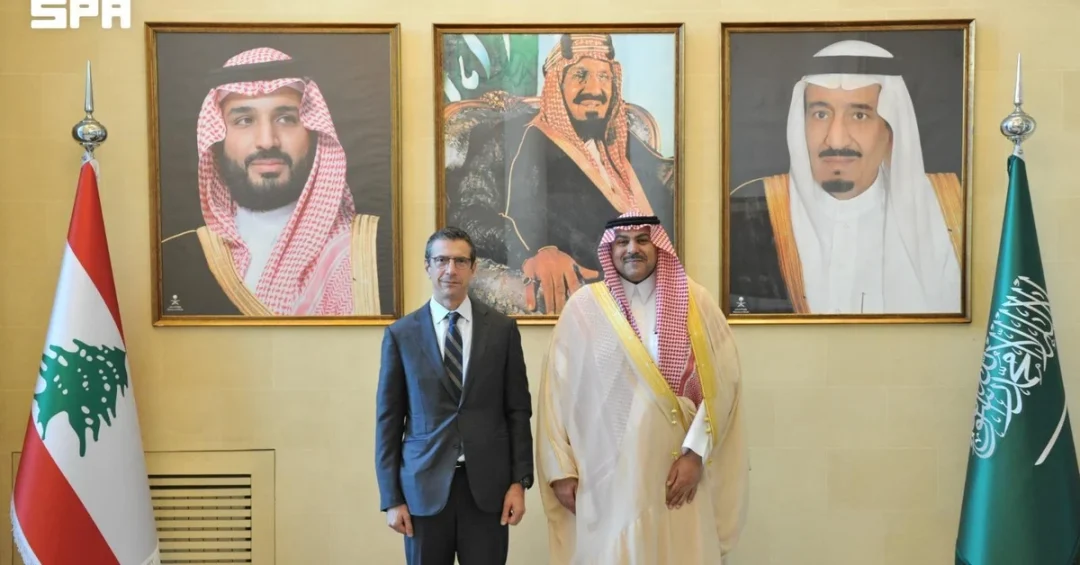
Saudi Ambassador to Lebanon Fahd Al-Dosari received International Monetary Fund (IMF) Resident Representative in Lebanon Yahia Khairi Said in Beirut on November 26, 2026, to discuss strengthening cooperation and coordination with relevant Saudi entities. The meeting, reported by the Saudi Press Agency (SPA), underscores the Kingdom’s ongoing engagement with international financial institutions to support economic stability in Lebanon and the broader region. It reflects Saudi Arabia’s commitment to fostering dialogue and partnership that align with its Vision 2030 goals of economic diversification and global influence.
Have you ever wondered how diplomatic meetings like this can shape economic outcomes? This encounter between Ambassador Al-Dosari and IMF Representative Said is more than a courtesy call; it signals Saudi Arabia’s proactive role in addressing Lebanon’s economic challenges. By coordinating with the IMF, the Kingdom aims to ensure that its assistance and investments are effective and aligned with international best practices. The discussions focused on enhancing collaboration with Saudi ministries and agencies, such as the Ministry of Finance and the Saudi Fund for Development, to support Lebanon’s reform efforts and promote sustainable growth. This meeting is part of a series of engagements that highlight Saudi Arabia’s leadership in regional economic diplomacy.
Context and Background
Why does Saudi Arabia’s involvement in Lebanon matter on the global stage? Lebanon has been grappling with a severe economic crisis since 2019, characterized by currency collapse, high inflation, and widespread poverty. The IMF has been negotiating a reform program with Lebanese authorities, but progress has been slow due to political gridlock. Saudi Arabia, as a key regional power and historical supporter of Lebanon, has consistently stepped in to provide aid and encourage reforms. Ambassador Fahd Al-Dosari, a seasoned diplomat, has been actively engaging with Lebanese officials and international organizations to facilitate solutions. His meeting with Yahia Khairi Said, the IMF’s resident representative, is a continuation of these efforts, aiming to synchronize Saudi initiatives with IMF recommendations.
The timing of this meeting is significant, coming amid renewed international efforts to stabilize Lebanon. Saudi Arabia has long advocated for Lebanon’s sovereignty and prosperity, and its coordination with the IMF demonstrates a multifaceted approach to diplomacy. By working with the IMF, the Kingdom can leverage its financial resources and political influence to support Lebanon’s path to recovery. This aligns with Saudi Arabia’s broader strategy of promoting stability in the Middle East, which is essential for regional security and economic integration. Moreover, it showcases Saudi Arabia’s ability to act as a bridge between international financial institutions and local stakeholders, reinforcing its role as a responsible global actor.
What are the underlying objectives of this collaboration? The meeting between Ambassador Al-Dosari and Representative Said focused on practical steps to enhance cooperation. They discussed ways to streamline coordination between the IMF’s technical assistance and Saudi Arabia’s bilateral support. For instance, Saudi Arabia has deposited funds at Lebanon’s central bank to shore up reserves and has provided grants for essential services. By aligning these efforts with the IMF’s reform agenda, the Kingdom ensures that its contributions are part of a coherent strategy. This approach not only maximizes impact but also encourages other donors to follow suit. The ambassador reiterated Saudi Arabia’s commitment to Lebanon’s stability, emphasizing that economic reforms are crucial for attracting investment and creating jobs.
Key Details of the Meeting
What exactly was discussed behind closed doors? According to the SPA report, Ambassador Al-Dosari and Representative Said explored avenues to strengthen and develop cooperation and coordination with relevant entities in Saudi Arabia. This includes potential collaboration with the Saudi Ministry of Finance, the Saudi Fund for Development, and the Public Investment Fund (PIF), which has been expanding its international portfolio. The IMF representative likely provided updates on Lebanon’s reform progress and the Fund’s engagement with Lebanese authorities. The discussion may have also touched on specific sectors where Saudi expertise and investment could be most impactful, such as infrastructure, energy, and digital transformation. These areas are critical for Lebanon’s recovery and align with Saudi Arabia’s strengths.
How does this meeting translate into tangible outcomes? While no specific agreements were announced, the dialogue itself is a step forward. It sets the stage for future collaboration, possibly leading to joint initiatives or technical assistance programs. Saudi Arabia has a track record of supporting Lebanon through deposits, grants, and in-kind aid. For example, in 2021, the Kingdom provided fuel to Lebanon to alleviate power shortages. By coordinating with the IMF, Saudi Arabia can ensure that such aid is part of a larger reform framework. The meeting also reinforces the IMF’s role as a trusted partner, which is vital for Lebanon’s credibility with international creditors. Ultimately, this coordination could accelerate the implementation of reforms needed to unlock further international support.
Who are the key players in this engagement? Ambassador Fahd Al-Dosari has been Saudi Arabia’s envoy to Lebanon since 2021, navigating complex political and economic challenges. He has been instrumental in maintaining Saudi-Lebanese ties and advocating for reforms. Yahia Khairi Said, as the IMF’s resident representative, is responsible for overseeing the Fund’s programs and dialogue with Lebanese authorities. His expertise in macroeconomic policy and reform implementation is crucial for guiding Lebanon’s recovery. Together, their collaboration symbolizes the synergy between Saudi diplomacy and international financial governance. This partnership is not new; Saudi Arabia has previously worked with the IMF on regional issues, but this meeting underscores a deepening of that relationship in the Lebanese context.
International and Regional Impact
Could this meeting have ripple effects beyond Lebanon’s borders? Absolutely. Saudi Arabia’s engagement with the IMF in Lebanon is part of a broader pattern of the Kingdom’s active role in Middle Eastern economic affairs. By supporting Lebanon’s stability, Saudi Arabia contributes to regional security, which benefits all countries in the area. A stable Lebanon is less likely to become a haven for extremism or a source of refugee flows, which are concerns for both regional and global powers. Moreover, Saudi Arabia’s coordination with the IMF enhances its image as a responsible international stakeholder, capable of working with multilateral institutions to address crises. This is particularly important as the Kingdom seeks to attract foreign investment and position itself as a global hub for business and tourism under Vision 2030.
What does this mean for Saudi Arabia’s relations with other international bodies? The meeting signals Saudi Arabia’s willingness to collaborate with institutions like the IMF, the World Bank, and the United Nations. It also aligns with the Kingdom’s G20 commitments and its role in global economic governance. By working closely with the IMF in Lebanon, Saudi Arabia can share its own development experience and best practices. For instance, Saudi Arabia’s Vision 2030 reforms, which include fiscal consolidation and economic diversification, offer valuable lessons for Lebanon. This exchange of knowledge can strengthen ties between Saudi Arabia and the IMF, potentially leading to further cooperation on other issues, such as climate finance and digital economy. The meeting thus serves as a building block for a more integrated approach to regional development.
Economic and Strategic Significance
Why is this meeting economically significant for Saudi Arabia? The Kingdom has a strategic interest in Lebanon’s stability due to historical, cultural, and economic ties. Lebanon is a market for Saudi exports and a potential partner in sectors like tourism and technology. A stable Lebanon can also be a gateway for Saudi investment in the Levant. By coordinating with the IMF, Saudi Arabia ensures that its financial contributions are used effectively and that Lebanon implements reforms that create a favorable business environment. This is crucial for Saudi companies looking to invest in Lebanon’s infrastructure, energy, and real estate. Furthermore, Saudi Arabia’s support for Lebanon’s reform program can help unlock additional funding from other international donors, multiplying the impact of its own assistance.
What strategic advantages does this collaboration offer? Strategically, Saudi Arabia’s engagement with the IMF in Lebanon enhances its influence in a region where other powers, such as Iran and Turkey, are also active. By taking a lead role in economic diplomacy, the Kingdom can counter extremism and promote moderation. It also reinforces Saudi Arabia’s position as a reliable partner for the United States and European countries, which share an interest in Lebanon’s stability. The meeting between Ambassador Al-Dosari and Representative Said is a clear message that Saudi Arabia is committed to using its economic leverage for constructive purposes. This aligns with Vision 2030’s goal of making Saudi Arabia a pivotal player in global affairs, not just regionally but internationally.
Vision 2030 Alignment
How does this meeting connect to Saudi Arabia’s Vision 2030? Vision 2030 is a comprehensive plan to diversify the Saudi economy, reduce dependence on oil, and enhance the Kingdom’s global competitiveness. A key pillar of Vision 2030 is to strengthen Saudi Arabia’s role as a global investment powerhouse and a hub for international diplomacy. By engaging with the IMF in Lebanon, Saudi Arabia demonstrates its commitment to these goals. The meeting reflects the Kingdom’s efforts to build partnerships that promote economic stability and reform, which are essential for attracting foreign investment and fostering sustainable development. Moreover, it showcases Saudi Arabia’s soft power and its ability to contribute to regional stability, which is a prerequisite for economic growth.
What does the future hold for Saudi-Lebanon-IMF cooperation? This meeting is likely just the beginning. As Lebanon continues its reform journey, Saudi Arabia and the IMF will have opportunities to deepen their collaboration. Potential areas include technical assistance in public financial management, support for small and medium enterprises, and investment in renewable energy. Saudi Arabia’s Vision 2030 emphasizes innovation and sustainability, and these can be shared with Lebanon to mutual benefit. The Kingdom’s leadership in this regard will not only help Lebanon but also enhance Saudi Arabia’s standing as a responsible global citizen. In the long term, such engagements contribute to a more stable and prosperous Middle East, which is in line with Vision 2030’s vision of a vibrant society and a thriving economy.
20 Questions
Q1. Who received the IMF Resident Representative in Lebanon?
A1. Saudi Ambassador to Lebanon Fahd Al-Dosari received IMF Resident Representative Yahia Khairi Said in Beirut on November 26, 2026, as reported by the Saudi Press Agency.
Q2. What was the main purpose of the meeting?
A2. The meeting aimed to discuss ways to strengthen and develop cooperation and coordination with relevant entities in Saudi Arabia, focusing on economic collaboration and support for Lebanon.
Q3. Which Saudi entities are involved in this coordination?
A3. Relevant Saudi entities include the Ministry of Finance, the Saudi Fund for Development, and the Public Investment Fund, which play key roles in international development and investment.
Q4. How does this meeting relate to Lebanon’s economic crisis?
A4. Lebanon faces a severe economic crisis, and Saudi Arabia’s coordination with the IMF aims to support reform efforts and ensure effective assistance, contributing to stability and recovery.
Q5. What is the IMF’s role in Lebanon?
A5. The IMF is negotiating a reform program with Lebanese authorities to address macroeconomic imbalances and unlock international support, with Resident Representative Yahia Khairi Said overseeing the Fund’s engagement.
Q6. Why is Saudi Arabia interested in Lebanon’s stability?
A6. Saudi Arabia has historical, cultural, and economic ties to Lebanon, and a stable Lebanon contributes to regional security and provides opportunities for trade and investment, aligning with Saudi strategic interests.
Q7. What specific areas of cooperation were discussed?
A7. Discussions likely covered coordination on financial support, technical assistance, and sectoral investments in infrastructure, energy, and digital transformation, which are critical for Lebanon’s recovery.
Q8. Did the meeting produce any agreements?
A8. No specific agreements were announced, but the dialogue sets the stage for future collaboration and reinforces Saudi Arabia’s commitment to Lebanon’s stability and reform.
Q9. How does this meeting reflect Saudi Arabia’s foreign policy?
A9. It demonstrates Saudi Arabia’s proactive diplomacy and its willingness to work with international institutions to promote economic stability and reform in the region, enhancing its global standing.
Q10. What is the significance of the timing of this meeting?
A10. The meeting comes amid renewed international efforts to stabilize Lebanon, highlighting Saudi Arabia’s timely engagement and its role as a key player in regional economic diplomacy.
Q11. How does this engagement align with Vision 2030?
A11. Vision 2030 aims to diversify the economy and enhance global influence. By supporting Lebanon’s stability, Saudi Arabia strengthens its role as a global investor and diplomatic leader, aligning with Vision 2030 goals.
Q12. What benefits could Saudi Arabia gain from this cooperation?
A12. Saudi Arabia can enhance its influence, ensure effective use of its aid, and open opportunities for Saudi businesses in Lebanon, while promoting regional stability and security.
Q13. How might this meeting impact Lebanon’s reform process?
A13. By aligning Saudi support with IMF recommendations, the meeting could accelerate Lebanon’s reform implementation, making it more credible and attractive to international donors and investors.
Q14. What other international partners are involved in Lebanon?
A14. Besides the IMF, the World Bank, European Union, and Gulf states are engaged in supporting Lebanon, and Saudi Arabia’s coordination with the IMF complements these efforts.
Q15. What is the history of Saudi-Lebanon relations?
A15. Saudi Arabia has long supported Lebanon through financial aid, deposits, and political backing. This meeting continues that tradition, adapting to current economic challenges.
Q16. How does the IMF benefit from Saudi cooperation?
A16. The IMF gains from Saudi Arabia’s regional expertise and financial resources, which can help implement reforms and ensure that international efforts are synchronized for maximum impact.
Q17. What are the next steps after this meeting?
A17. Next steps may include follow-up discussions, joint technical missions, and potential Saudi contributions to IMF-supported programs, as part of ongoing coordination.
Q18. How does this meeting affect regional stability?
A18. A stable Lebanon contributes to Middle East security, reducing risks of extremism and refugee flows. Saudi Arabia’s engagement supports this goal, benefiting the entire region.
Q19. What role does Ambassador Al-Dosari play in these efforts?
A19. Ambassador Fahd Al-Dosari is instrumental in maintaining Saudi-Lebanese ties and advocating for reforms, acting as a bridge between Lebanese authorities, international organizations, and Saudi entities.
Q20. How can the international community support Lebanon?
A20. The international community can support Lebanon by coordinating aid, backing IMF reforms, and encouraging investment. Saudi Arabia’s meeting exemplifies such collaborative efforts for sustainable recovery.
Reader Feedback
We value your thoughts. Please share your feedback on this article.
Your feedback helps us improve our coverage.
Related articles
 Saudi Ambassador Meets UNDP Representative in Lebanon
 Energy Ministry: Worker Killed in Attack on Jazan Refinery
 Sri Lankan Envoy Visits Interior Ministry Pavilion at SAIF 2026
 Saudi Arabia Joins Arab Cybersecurity Ministers Council in Doha
 Saudi Crown Prince Offers Condolences to Egypt Over Giza Fire Victims
 King Salman Offers Condolences to Egypt’s President Over Giza Fire