


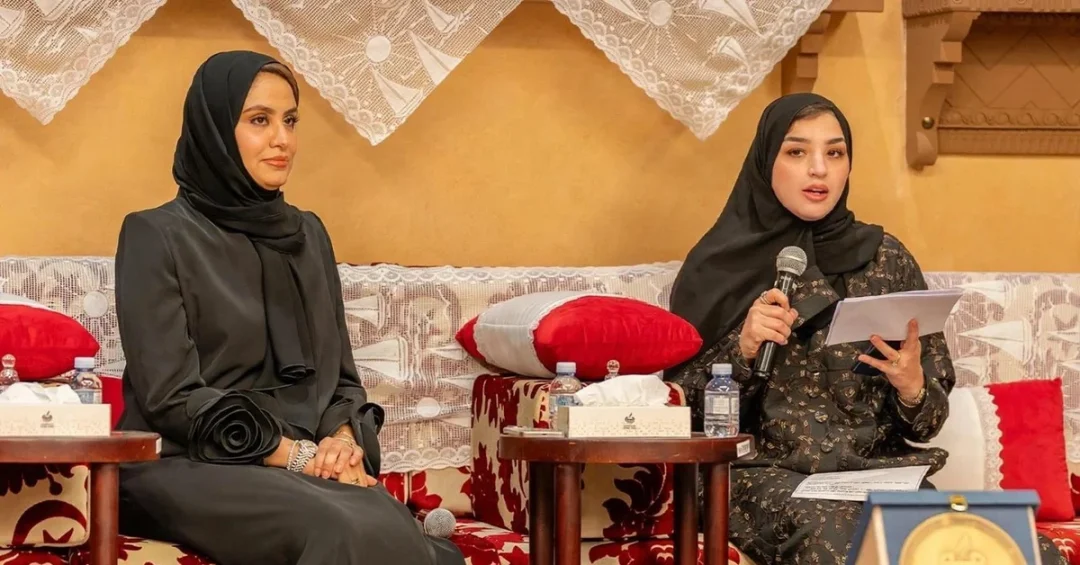
The Makkah Chamber of Commerce convened a high-level meeting on November 18, 2026, in Makkah to spotlight the growing leadership role of women in Saudi Arabia’s Hajj and Umrah sector, according to the Saudi Press Agency (SPA). The gathering brought together officials, industry leaders, and experts to discuss how women are driving transformation and enhancing the quality of services for the millions of pilgrims who visit the Kingdom each year. The meeting aligns with the objectives of Saudi Vision 2030, which seeks to empower women across all sectors and elevate the pilgrimage experience.
Have you ever wondered how the Kingdom manages to host over 10 million pilgrims annually while continuously improving services? The answer lies in the strategic integration of national talent, including a growing number of women, into every facet of the Hajj and Umrah ecosystem. This meeting underscored that women’s participation is not just a social milestone but an economic and operational imperative. By fostering inclusive dialogue, the Makkah Chamber of Commerce is setting a precedent for how traditional sectors can modernize while preserving their spiritual essence.
Context and Background
Why is the Hajj and Umrah sector so vital to Saudi Arabia’s economy and global standing? As one of the Five Pillars of Islam, Hajj is a mandatory pilgrimage for able Muslims, drawing millions to Makkah each year. Umrah, the lesser pilgrimage, can be performed year-round. Together, they represent a cornerstone of the Kingdom’s religious tourism and a major source of revenue. The sector has undergone significant transformation under Vision 2030, with investments in infrastructure, digitalization, and service quality. The Makkah Chamber of Commerce, as the primary business hub in the holy city, plays a pivotal role in facilitating this growth by providing platforms for stakeholders to collaborate and innovate.
Historically, women’s roles in the pilgrimage sector were often limited to supportive positions. However, recent years have seen a paradigm shift. Saudi women are now increasingly visible as entrepreneurs, managers, and decision-makers in hospitality, logistics, healthcare, and technology—all critical to the pilgrim experience. This meeting is a direct response to the national push for women’s empowerment, which includes raising their labor force participation to 30% by 2030. By focusing on leadership and development, the Chamber is acknowledging that sustainable growth requires tapping into the full potential of the population.
What does it take to create an environment where women can thrive in a sector as complex as Hajj and Umrah? It requires targeted training, mentorship, and a cultural shift that values diverse perspectives. The meeting explored these themes, highlighting success stories and identifying areas where further support is needed. It also reviewed the added value that national talent brings to strategic planning, operational management, and the development of high-quality initiatives. This holistic approach ensures that women are not just participants but leaders in shaping the future of the sector.
Key Details
What specific contributions are women making to the Hajj and Umrah sector? According to discussions at the meeting, women are involved in strategic planning, managing operational processes, and developing innovative solutions that enrich the pilgrim experience. For instance, women-led teams have introduced digital tools for crowd management, enhanced customer service protocols, and designed family-friendly facilities. These contributions are particularly important as the Kingdom prepares to welcome even larger numbers of pilgrims in the coming years. The meeting also emphasized the importance of women’s participation in decision-making roles, where their insights can lead to more inclusive and effective policies.
The Makkah Chamber of Commerce outlined several initiatives to support women’s advancement. These include specialized training programs, networking events, and access to funding for women entrepreneurs. The Chamber also plans to establish a mentorship platform pairing experienced professionals with newcomers. Such efforts are designed to build competitive national capabilities and ensure that women have the tools to succeed. By investing in human capital, the Chamber aims to elevate the overall quality of services, which directly impacts pilgrim satisfaction and the Kingdom’s reputation as a gracious host.
How does the Chamber measure the impact of these initiatives? Success is measured not only by the number of women in leadership but also by improvements in service delivery, innovation, and economic growth. The meeting highlighted that women’s participation leads to more diverse perspectives, which in turn drives creativity and efficiency. For example, women have been instrumental in developing apps that guide pilgrims through rituals, manage accommodations, and provide multilingual support. These innovations are part of a broader effort to digitize the pilgrimage experience, making it seamless and spiritually fulfilling. The Chamber’s ongoing role in raising awareness of economic and investment opportunities ensures that women can access the resources they need to turn ideas into reality.
International and Regional Impact
How does Saudi Arabia’s approach to women’s empowerment in Hajj and Umrah resonate globally? The Kingdom’s efforts are closely watched by Muslim-majority countries and international organizations. By showcasing women’s leadership in a traditionally male-dominated field, Saudi Arabia is setting a powerful example of inclusive development. This aligns with global trends toward gender equality and sustainable development goals. Moreover, the improved services resulting from women’s participation enhance the experience for pilgrims from over 180 countries, fostering goodwill and strengthening people-to-people ties.
What regional dynamics are at play? In the Middle East, Saudi Arabia’s Vision 2030 is often cited as a model for economic diversification and social reform. The Hajj and Umrah sector is a key pillar of this transformation. Neighboring countries with significant Muslim populations, such as Indonesia, Pakistan, and Egypt, are key stakeholders. Their pilgrims benefit directly from the upgrades in services. Additionally, the Kingdom’s success in integrating women into this sector could inspire similar initiatives in other Islamic nations, promoting a more inclusive interpretation of religious tourism. The Makkah Chamber’s meeting thus has implications beyond Saudi borders, contributing to a broader conversation about women’s roles in economic development.
Economic and Strategic Significance
Why is women’s participation a strategic imperative for the Hajj and Umrah sector? The sector is a major contributor to Saudi Arabia’s non-oil GDP, with revenues from pilgrimage-related activities estimated in the billions of dollars annually. As the Kingdom aims to increase pilgrim numbers to 30 million by 2030, the demand for skilled labor will soar. Women represent a vast untapped talent pool. By integrating them into leadership and operational roles, the sector can achieve higher productivity, innovation, and service quality. This not only boosts economic output but also enhances the Kingdom’s global competitiveness as a destination for religious tourism.
What are the economic benefits of women’s empowerment in this context? Studies show that gender-diverse teams are more innovative and financially successful. In the Hajj and Umrah sector, women’s insights can lead to better products and services tailored to the needs of female pilgrims, who make up nearly half of all visitors. This includes improved accommodations, healthcare, and safety measures. Furthermore, women entrepreneurs can create new businesses that cater to this demographic, generating jobs and stimulating local economies. The Makkah Chamber’s focus on women’s leadership is thus a direct investment in the sector’s long-term sustainability and profitability.
Vision 2030 Alignment
How does this meeting align with the goals of Saudi Vision 2030? Vision 2030 is a comprehensive plan to diversify the economy, empower citizens, and enhance quality of life. Women’s empowerment is a central theme, with targets to increase female labor force participation and leadership roles. The Hajj and Umrah sector is explicitly mentioned in Vision 2030 as a key area for growth and improvement. By promoting women’s leadership, the Makkah Chamber of Commerce is directly contributing to these objectives. The meeting’s outcomes will help build a more inclusive and dynamic sector that can meet the aspirations of both pilgrims and the nation.
What does the future hold for women in the Hajj and Umrah sector? As Vision 2030 progresses, we can expect to see more women in executive positions, leading innovative projects, and shaping policies. The Makkah Chamber’s initiatives will continue to provide platforms for dialogue, training, and networking. This will not only benefit women but also the entire sector, as diverse perspectives drive excellence. Ultimately, the Kingdom’s ability to offer a world-class pilgrimage experience depends on harnessing the talents of all its people. The meeting on November 18, 2026, was a significant step in that journey, reaffirming Saudi Arabia’s commitment to inclusive growth and spiritual hospitality.
20 Questions
Q1. What was the main purpose of the Makkah Chamber of Commerce meeting on November 18, 2026?
A1. The meeting aimed to highlight women’s role in driving leadership and development in the Hajj and Umrah sector, showcasing their contributions to transformation and service quality in line with Vision 2030.
Q2. How does women’s participation in the Hajj and Umrah sector align with Saudi Vision 2030?
A2. It aligns with Vision 2030’s goals of empowering women, increasing their labor force participation, and enhancing the quality of services for pilgrims, contributing to economic diversification and social reform.
Q3. What specific areas of the Hajj and Umrah sector are women contributing to?
A3. Women are contributing to strategic planning, managing operational processes, developing high-quality initiatives, and adopting innovative solutions to enrich the pilgrim experience at every stage.
Q4. How does the Makkah Chamber of Commerce support women’s advancement in this sector?
A4. The Chamber provides training programs, networking events, access to funding, and mentorship platforms to build competitive national capabilities and support women entrepreneurs and leaders.
Q5. Why is the Hajj and Umrah sector economically significant for Saudi Arabia?
A5. It is a major contributor to non-oil GDP, with revenues in the billions, and is a key pillar of Vision 2030’s economic diversification strategy, attracting millions of pilgrims annually.
Q6. What added value do women bring to the Hajj and Umrah ecosystem?
A6. Women bring diverse perspectives that drive innovation, improve service quality, and ensure that the needs of all pilgrims, including women and families, are met effectively.
Q7. How does the meeting reflect the Kingdom’s commitment to gender equality?
A7. By focusing on women’s leadership, the meeting demonstrates Saudi Arabia’s dedication to gender equality and inclusive development, in line with international trends and Vision 2030.
Q8. What are some examples of innovative solutions developed by women in the sector?
A8. Women have developed digital tools for crowd management, multilingual apps, and family-friendly facilities, enhancing the overall pilgrim experience and operational efficiency.
Q9. How does the Makkah Chamber’s initiative impact the quality of services for pilgrims?
A9. It leads to more inclusive and effective services, as women’s insights help tailor accommodations, healthcare, and safety measures to diverse pilgrim needs, improving satisfaction and safety.
Q10. What role does the private sector play in supporting women in Hajj and Umrah?
A10. The private sector, through chambers like Makkah’s, provides platforms for dialogue, investment opportunities, and partnerships that empower women to take on leadership roles and start businesses.
Q11. How does women’s empowerment in this sector affect Saudi Arabia’s global image?
A11. It enhances the Kingdom’s reputation as a progressive nation committed to inclusive growth, setting an example for other Muslim-majority countries and strengthening international goodwill.
Q12. What challenges do women face in entering leadership in the Hajj and Umrah sector?
A12. Challenges include cultural stereotypes and a historically male-dominated field, but targeted training, mentorship, and policy support are helping to overcome these barriers.
Q13. How can women entrepreneurs contribute to the Hajj and Umrah sector?
A13. They can create businesses catering to female pilgrims, such as specialized accommodations, health services, and retail, generating jobs and stimulating economic growth in the region.
Q14. What is the expected impact of increased women’s participation on pilgrim numbers?
A14. Improved services and innovative solutions can enhance the pilgrim experience, attracting more visitors and helping the Kingdom reach its target of 30 million pilgrims by 2030.
Q15. How does the Makkah Chamber measure the success of its women’s empowerment initiatives?
A15. Success is measured by increased female leadership, service quality improvements, innovation metrics, and economic contributions, as well as feedback from pilgrims and stakeholders.
Q16. What role do Saudi women play in the digital transformation of Hajj and Umrah?
A16. They are key drivers of digital innovation, developing apps for rituals guidance, crowd management, and multilingual support, making the pilgrimage experience more seamless and accessible.
Q17. How does the meeting support the exchange of knowledge and expertise?
A17. It provides a platform for dialogue among experts, officials, and entrepreneurs, facilitating the sharing of best practices and success stories that can be replicated across the sector.
Q18. What are the long-term goals for women’s participation in the Hajj and Umrah sector?
A18. The long-term goal is to achieve parity in leadership roles, with women equally represented in decision-making positions, driving sustainable growth and innovation in the sector.
Q19. How does the Hajj and Umrah sector contribute to Saudi Arabia’s non-oil economy?
A19. It generates significant revenue through hospitality, transportation, retail, and services, reducing oil dependency and supporting Vision 2030’s economic diversification objectives.
Q20. What message does this meeting send to the international community?
A20. It signals Saudi Arabia’s commitment to women’s empowerment and inclusive development, showcasing the Kingdom as a modern, forward-looking nation that values all its citizens’ contributions.
Reader Feedback
We value your thoughts. Please share your feedback on this article.
Your feedback helps us improve our coverage.
Related articles
 GCC Secretary-General Condemns Iranian Attacks on Kuwait
 Saudi Arabia Condemns Iranian Attacks on Kuwait, Bahrain, UAE Tanker
 Education Minister Highlights Saudi Transformation at Harvard Forum
 Crown Prince Congratulates Latvia on Independence Day
 King Salman Congratulates Latvia on Independence Day
 Crown Prince Congratulates Morocco on Independence Day