


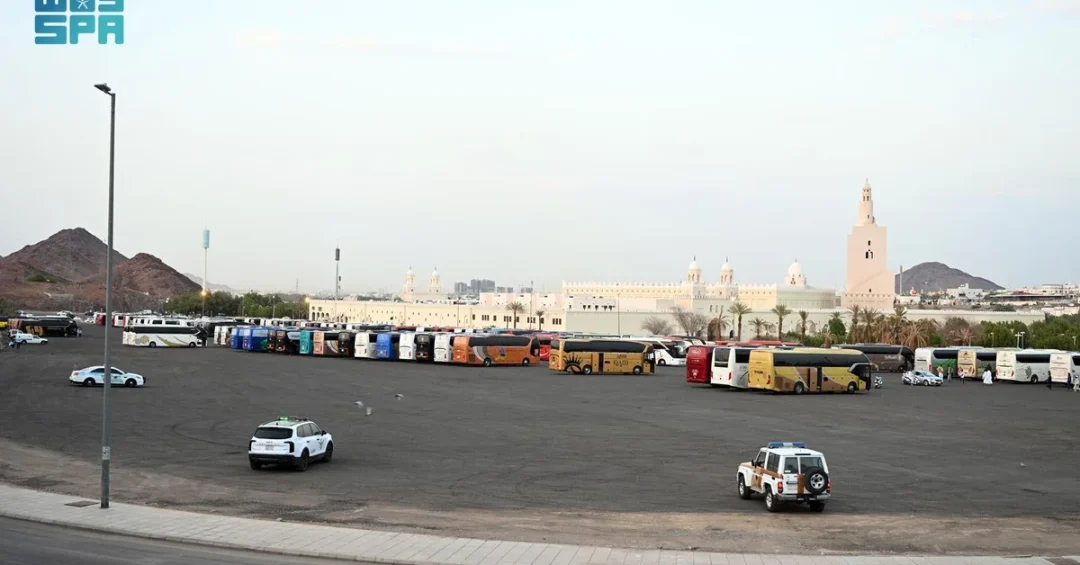
The Royal Commission for Makkah City and Holy Sites has significantly enhanced the readiness of mosques and Miqat sites across the Makkah region in preparation for the Hajj season 1445 AH, aiming to serve pilgrims and enrich their spiritual journey. According to the Saudi Press Agency (SPA), the commission has focused on developing and updating services at the Miqats, which mark the beginning of pilgrims’ journey, ensuring a seamless and fulfilling experience for the millions of faithful expected to perform Hajj this year.
Context and Background
The Hajj pilgrimage is one of the Five Pillars of Islam, requiring all able-bodied Muslims to undertake the journey to Makkah at least once in their lifetime. Each year, Saudi Arabia hosts over two million pilgrims from around the world, and the Kingdom’s leadership has consistently prioritized the comfort, safety, and spiritual well-being of these guests. The Royal Commission for Makkah City and Holy Sites, under the guidance of the Saudi government, is responsible for the comprehensive development of Makkah and the holy sites, ensuring that infrastructure and services meet the highest standards. This year’s preparations come as part of ongoing efforts to enhance the pilgrimage experience, aligned with the objectives of Saudi Vision 2020 and Vision 2030, which aim to elevate the quality of services for pilgrims and visitors.
Key Details
The commission has equipped several key Miqat mosques, including Miqat Qarn Al-Manazil in Al-Sayl Al-Kabir, Miqat Wadi Mahram, Miqat Yalamlam, Miqat Al-Juhfah, the Aisha Mosque in Al-Taneem in Makkah, and Al-Jirranah Mosque. These sites have undergone upgrades to their facilities, such as improved ablution areas, enhanced crowd management systems, and better accessibility for the elderly and disabled. The Miqats hold special significance as the points where pilgrims enter the state of Ihram, a sacred ritual that marks the formal beginning of Hajj or Umrah. By ensuring these locations are well-prepared, the commission aims to provide a smooth and spiritually enriching start to the pilgrimage. Additionally, the commission has stressed the importance of maintaining cleanliness, providing ample water supplies, and offering guidance services to assist pilgrims in performing their rituals correctly.
Implications and Impact
The enhanced readiness of these mosques and Miqats will have a profound impact on the overall Hajj experience. With improved facilities, pilgrims can focus on their spiritual journey without logistical concerns. This initiative also reflects Saudi Arabia’s commitment to hosting Hajj with excellence, reinforcing its role as the custodian of the Two Holy Mosques. Internationally, the move demonstrates the Kingdom’s dedication to serving Islam and Muslims worldwide, fostering goodwill and unity. Moreover, the upgrades contribute to the local economy by creating temporary jobs and supporting businesses that cater to pilgrims. The seamless management of Hajj also enhances Saudi Arabia’s reputation as a capable and hospitable host, which is crucial for its tourism and diplomatic goals.
Vision 2030 Alignment
This initiative is a clear manifestation of Saudi Vision 2030, which seeks to enrich the Hajj and Umrah experience by improving infrastructure, increasing capacity, and leveraging technology to serve pilgrims better. The Royal Commission’s efforts align with the Vision’s objectives to develop Makkah and the holy sites as world-class destinations for spiritual tourism. By continuously enhancing services, Saudi Arabia not only fulfills its religious duty but also showcases its organizational capabilities and commitment to excellence. As the Kingdom prepares for future Hajj seasons, these improvements will serve as a foundation for sustainable development and further elevate the pilgrimage experience, in line with the leadership’s forward-looking vision.
20 Questions
Q1. What is the Royal Commission for Makkah City and Holy Sites?
A1. The Royal Commission for Makkah City and Holy Sites is a Saudi government body responsible for the comprehensive development of Makkah and the holy sites, ensuring high-quality services for pilgrims and visitors.
Q2. For which Hajj season has the commission enhanced mosque readiness?
A2. The commission has enhanced readiness for the Hajj season 1445 AH, as reported by the Saudi Press Agency, to serve pilgrims and enrich their experience.
Q3. What are Miqats and why are they important?
A3. Miqats are designated boundary points where pilgrims enter the state of Ihram before performing Hajj or Umrah. They mark the beginning of the pilgrims’ spiritual journey.
Q4. Which Miqat mosques have been specifically equipped?
A4. The equipped mosques include Miqat Qarn Al-Manazil, Miqat Wadi Mahram, Miqat Yalamlam, Miqat Al-Juhfah, Aisha Mosque in Al-Taneem, and Al-Jirranah Mosque.
Q5. Where is Miqat Qarn Al-Manazil located?
A5. Miqat Qarn Al-Manazil is located in Al-Sayl Al-Kabir, serving pilgrims coming from the east of Makkah, including those from Najd and other regions.
Q6. What improvements have been made to these mosques?
A6. Improvements include upgraded ablution areas, enhanced crowd management systems, better accessibility for the elderly and disabled, and improved facilities to ensure comfort and safety.
Q7. Why is the Aisha Mosque in Al-Taneem significant?
A7. The Aisha Mosque in Al-Taneem is a Miqat for pilgrims already in Makkah who wish to perform Umrah. It is named after Aisha bint Abi Bakr, who entered Ihram there.
Q8. How does this initiative benefit pilgrims?
A8. The initiative provides pilgrims with clean, well-equipped facilities, smooth crowd flow, and guidance services, allowing them to focus on their spiritual rituals without logistical concerns.
Q9. What role does the Saudi Press Agency play in this announcement?
A9. The Saudi Press Agency (SPA) is the official news agency of Saudi Arabia, which reported the commission’s efforts to enhance mosque readiness for Hajj.
Q10. How does this align with Saudi Vision 2030?
A10. It aligns with Vision 2030 by improving Hajj infrastructure, enriching the pilgrim experience, and developing Makkah as a world-class spiritual destination.
Q11. What is the significance of Hajj in Islam?
A11. Hajj is one of the Five Pillars of Islam, obligatory for all able Muslims once in their lifetime. It is a profound spiritual journey of faith and unity.
Q12. How many pilgrims are expected for Hajj 1445 AH?
A12. While exact numbers vary, Saudi Arabia typically hosts over two million pilgrims annually. The Kingdom prepares extensively to accommodate all attendees.
Q13. What other services are provided at the Miqats?
A13. Services include ample water supply, cleanliness maintenance, guidance on rituals, and assistance for the elderly and disabled to ensure a smooth experience.
Q14. How does the commission ensure crowd management?
A14. The commission employs modern crowd management systems, trained personnel, and strategic planning to ensure safe and orderly movement of pilgrims at all sites.
Q15. What economic impact does Hajj have on Saudi Arabia?
A15. Hajj generates significant economic activity, creating jobs, supporting local businesses, and contributing to the Kingdom’s revenue through services provided to pilgrims.
Q16. How does this initiative reflect Saudi leadership’s commitment?
A16. It demonstrates the leadership’s dedication to serving Islam and Muslims, ensuring pilgrims’ comfort, and upholding the Kingdom’s role as custodian of the Two Holy Mosques.
Q17. What is the role of the Royal Commission in Makkah’s development?
A17. The commission oversees comprehensive development projects in Makkah and the holy sites, focusing on infrastructure, services, and enhancing the pilgrimage experience.
Q18. How can pilgrims prepare for their journey through these Miqats?
A18. Pilgrims should familiarize themselves with the Miqat locations, ensure they enter Ihram correctly, and utilize the facilities and guidance services available at these sites.
Q19. What technology is used to enhance the Hajj experience?
A19. Technology such as smart systems for crowd management, digital guides, and mobile applications are employed to facilitate rituals and provide real-time information to pilgrims.
Q20. What is the ultimate goal of these preparations?
A20. The ultimate goal is to enable pilgrims to perform Hajj with ease, safety, and spiritual fulfillment, reflecting Saudi Arabia’s commitment to excellence in hosting the sacred journey.
Reader Feedback
We value your thoughts. Please share your feedback on this article.
Your feedback helps us improve our coverage.