


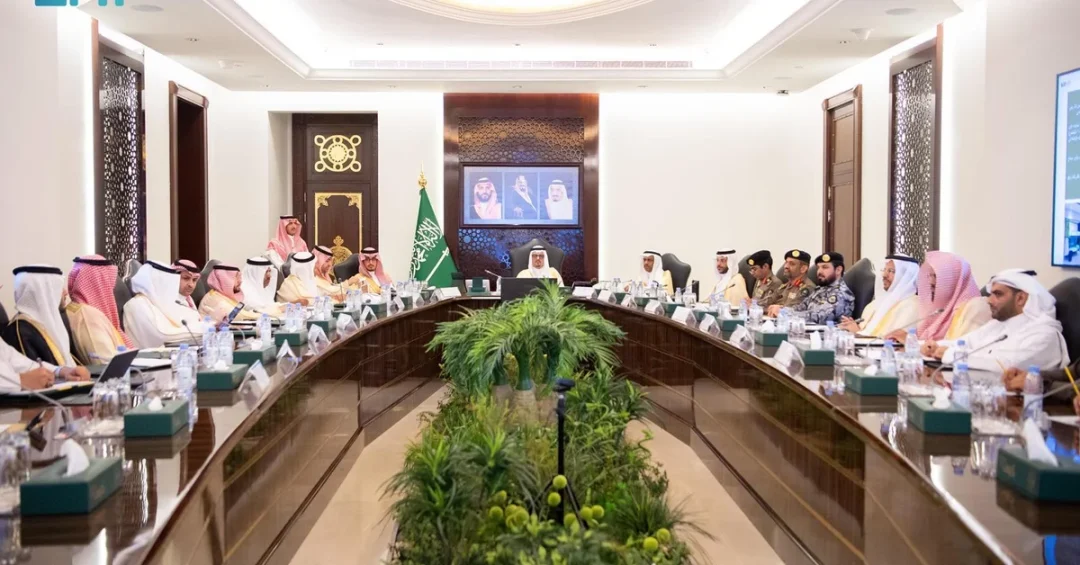
Prince Saud bin Mishaal bin Abdulaziz, Deputy Governor of Makkah Region and Chairman of the Central Hajj Committee, chaired a meeting of the committee in Jeddah on May 12, 2024, to review the progress of projects and services for the upcoming Hajj season. The meeting, reported by the Saudi Press Agency (SPA), focused on ensuring that all preparations are in place to receive pilgrims and facilitate their performance of Hajj rituals with ease and tranquility.
Context and Background
The Central Hajj Committee is responsible for coordinating the efforts of various government agencies to provide comprehensive services to the millions of pilgrims who perform Hajj annually. Chaired by the Deputy Governor of Makkah Region, the committee plays a pivotal role in overseeing the logistical, security, and health arrangements for the pilgrimage. This year’s meeting comes as Saudi Arabia continues to enhance its capacity and infrastructure to accommodate an increasing number of pilgrims, in line with the goals of Saudi Vision 2030 to enrich the Hajj experience.
Under the leadership of the Custodian of the Two Holy Mosques, King Salman bin Abdulaziz Al Saud, and His Royal Highness Crown Prince Mohammed bin Salman bin Abdulaziz Al Saud, the Kingdom has consistently invested in expanding the Grand Mosque and developing the holy sites. These efforts aim to ensure that pilgrims from around the world can perform their rituals in comfort and safety.
Key Details
During the meeting, Prince Saud bin Mishaal bin Abdulaziz reviewed the plans of various authorities responsible for providing services to pilgrims, from their arrival and accommodation in Makkah to their performance of Hajj rituals. The committee assessed the readiness of all courtyards and facilities of the Grand Mosque, as well as the transport stations that facilitate the movement of pilgrims between the holy sites. Furthermore, the meeting discussed the preparedness of facilities in the holy sites of Mina, Arafat, and Muzdalifah to ensure a smooth and spiritually fulfilling experience for all pilgrims.
The committee also examined the progress of ongoing projects aimed at improving the infrastructure and services, including the expansion of the Grand Mosque, the development of the Haramain High-Speed Railway, and the upgrading of health and emergency services. These initiatives are part of a comprehensive strategy to enhance the quality of services and ensure the safety and well-being of pilgrims.
International Impact
The Hajj is one of the largest annual gatherings of people in the world, with pilgrims from over 180 countries. The successful organization of Hajj reflects Saudi Arabia’s logistical capabilities and its commitment to serving Islam’s holiest sites. The Kingdom’s efforts are recognized globally, and the improvements made each year contribute to the spiritual experience of millions of Muslims. Additionally, the Hajj season has significant economic implications, boosting local businesses and showcasing Saudi Arabia’s hospitality and organizational excellence.
The meeting underscores Saudi Arabia’s proactive approach to crowd management, health care, and transportation, setting a benchmark for mass gathering events worldwide. It also highlights the Kingdom’s role as a responsible global leader in ensuring the safety and security of all pilgrims.
Vision 2030 Alignment
The preparations for Hajj are closely aligned with Saudi Vision 2030, which aims to enhance the quality of life for citizens and visitors, diversify the economy, and promote Saudi Arabia as a global hub for religious tourism. The Vision includes goals to increase the number of pilgrims and improve the services provided to them, thereby contributing to the economic and cultural enrichment of the Kingdom. The Central Hajj Committee’s work exemplifies the Vision’s emphasis on excellence, innovation, and hospitality, ensuring that the Hajj experience remains a profound and memorable journey for all pilgrims.
20 Questions
Q1. Who chaired the meeting of the Central Hajj Committee?
A1. The meeting was chaired by Prince Saud bin Mishaal bin Abdulaziz, Deputy Governor of Makkah Region and Chairman of the Central Hajj Committee.
Q2. Where was the meeting held?
A2. The meeting was held in Jeddah, Saudi Arabia.
Q3. What was the main focus of the meeting?
A3. The meeting focused on the progress of projects aimed at serving pilgrims during the upcoming Hajj season.
Q4. What plans were reviewed during the meeting?
A4. The committee reviewed plans of various authorities responsible for providing services from the reception and accommodation of pilgrims to their performance of Hajj rituals.
Q5. What aspects of the Grand Mosque were assessed?
A5. The readiness of all courtyards and facilities of the Grand Mosque, as well as transport stations, were assessed.
Q6. What did the committee discuss regarding the holy sites?
A6. The committee discussed the preparedness level of facilities in the holy sites to ensure pilgrims can perform their rituals easily and tranquilly.
Q7. When was the meeting held?
A7. The meeting was held on May 12, 2024.
Q8. Which agency reported on the meeting?
A8. The Saudi Press Agency (SPA) reported on the meeting.
Q9. What is the role of the Central Hajj Committee?
A9. The Central Hajj Committee coordinates efforts of various government agencies to provide comprehensive services to pilgrims during Hajj.
Q10. Who leads the Central Hajj Committee?
A10. The committee is chaired by the Deputy Governor of Makkah Region, Prince Saud bin Mishaal bin Abdulaziz.
Q11. Why is the Hajj season significant for Saudi Arabia?
A11. The Hajj season is significant as it showcases Saudi Arabia’s logistical capabilities, commitment to serving Islam’s holiest sites, and provides economic benefits.
Q12. How does Saudi Vision 2030 relate to Hajj preparations?
A12. Vision 2030 aims to enhance services for pilgrims, increase their numbers, and promote religious tourism, aligning with the committee’s work.
Q13. What infrastructure projects are underway to improve Hajj services?
A13. Projects include expansion of the Grand Mosque, development of the Haramain High-Speed Railway, and upgrading of health and emergency services.
Q14. How many countries do pilgrims come from?
A14. Pilgrims come from over 180 countries, making Hajj one of the largest annual gatherings in the world.
Q15. What is the goal of assessing transport stations?
A15. Assessing transport stations aims to facilitate the smooth movement of pilgrims between the holy sites.
Q16. What are the holy sites mentioned?
A16. The holy sites include Mina, Arafat, and Muzdalifah, where pilgrims perform specific rituals.
Q17. How does the meeting reflect Saudi Arabia’s leadership?
A17. The meeting reflects Saudi Arabia’s proactive approach to crowd management and commitment to ensuring the safety and well-being of pilgrims.
Q18. What economic impact does Hajj have?
A18. Hajj boosts local businesses, creates jobs, and contributes to the Kingdom’s economy through religious tourism.
Q19. What is the significance of the Grand Mosque expansion?
A19. The expansion increases capacity to accommodate more pilgrims and enhances their comfort while performing rituals.
Q20. How does the committee ensure a tranquil experience for pilgrims?
A20. By coordinating services, assessing facilities, and implementing crowd management plans, the committee ensures pilgrims can perform rituals peacefully.
Reader Feedback
We value your thoughts. Please share your feedback on this article.
Your feedback helps us improve our coverage.
Related articles
 KSrelief Supervisor General Meets Burundi Ambassador
 Saudi Vice Interior Minister Holds Security Talks in Bangladesh
 KSrelief Shelter Kits Reach 3,500 in Flood-Hit Balochistan
 KSrelief Distributes 1,075 Food Baskets in Sudan’s River Nile State
 Saudi Vice Foreign Minister Meets U.S. Diplomat Daniel Benaim
 Saudi, Greek Military Chiefs Meet to Strengthen Defence Ties