


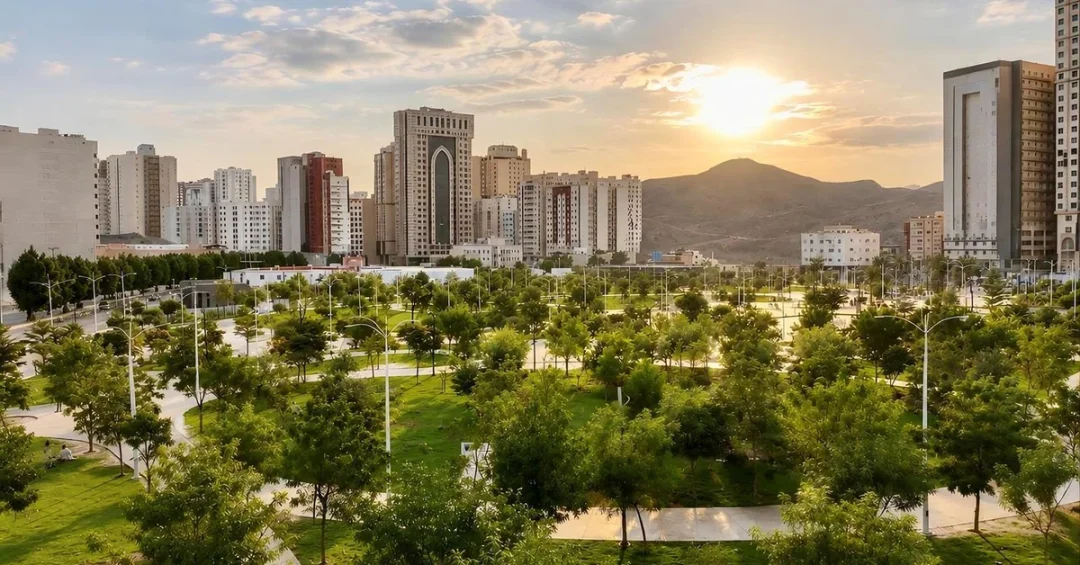
The Holy Makkah Municipality, through its investment arm Al-Balad Al-Ameen Company, has launched the development of Al-Misfalah Park under a 25-year lease contract with Makkah Construction and Development Company, with a total investment of approximately SAR900 million. The project, announced via the Saudi Press Agency, will transform a 109,000-square-meter site directly south of the Grand Mosque into a mixed-use destination that combines expansive green spaces with commercial, cultural, and entertainment facilities. The initiative reflects the Municipality’s commitment to expanding private-sector partnerships in line with Saudi Vision 2030, and it is expected to enhance the experience of residents, visitors, and the millions of pilgrims who travel to Makkah each year.
Why does a single park project in Makkah matter to audiences far beyond the Kingdom’s borders? Because Al-Misfalah Park is not merely an urban beautification effort; it is a strategic investment in the infrastructure that supports the annual Hajj and Umrah seasons, the local economy, and the quality of life for Makkah’s growing population. The project’s scale, location, and financing model signal how Saudi Arabia is reshaping its holy city into a modern, efficient, and welcoming environment while preserving its spiritual and cultural heritage. The development also underscores the Kingdom’s broader push to attract international investment and elevate public services through long-term partnerships.
Context and Background
What led the Holy Makkah Municipality to prioritize this particular site for such a significant investment? Al-Misfalah is a historic district located immediately south of the Grand Mosque, an area that has long served as a gateway for pilgrims and residents but has faced pressure from rapid urbanization and increasing visitor numbers. The Municipality, through Al-Balad Al-Ameen Company, identified the site as ideal for a project that could simultaneously address the need for open green spaces, commercial activity, and improved mobility. The lease contract with Makkah Construction and Development Company, valued at about SAR900 million over 25 years, provides a clear framework for private-sector participation while ensuring public oversight and long-term planning.
The project’s financial structure includes an annual rent of SAR25.8 million, excluding value-added tax, with a 10% increase every five years. This arrangement is designed to generate stable returns for the public sector while giving the developer the certainty needed to invest in high-quality infrastructure. The Holy Makkah Municipality has emphasized that the initiative extends its approach to developing investments in partnership with the private sector, a model that has become increasingly central to how Saudi cities fund and manage large-scale urban projects. By allocating about 76% of the area—roughly 79,300 square meters—to green spaces and open areas, the plan also responds to a growing demand for recreational and environmental amenities in one of the world’s most visited cities.
Key Details of Al-Misfalah Park
What exactly will visitors find when Al-Misfalah Park opens? According to the Saudi Press Agency, the development will include a traditional market that reflects Makkah’s identity, alongside restaurants, cafes, and retail shops. Government offices, a mosque, seasonal kiosks, and an events square will further diversify the offering, creating a vibrant hub that serves both daily needs and special occasions. A parking building with capacity for approximately 794 vehicles will help alleviate congestion in the surrounding area, a critical consideration given the proximity to the Grand Mosque and the heavy traffic during pilgrimage seasons.
The park’s location directly south of the Grand Mosque is a major asset. It is linked to the Second Ring Road, Ibrahim Al-Khalil Road, Al-Hijra Road, and the Makkah bus station, making it easily accessible for residents, visitors, and pilgrims. This connectivity is expected to reduce reliance on private cars by encouraging the use of public transport and walking routes. The inclusion of a mosque within the park ensures that spiritual needs are integrated into the leisure experience, while the traditional market will provide a platform for local artisans and merchants to showcase products that celebrate Makkah’s heritage. The mix of uses is carefully balanced to avoid over-commercialization and to maintain the area’s dignity and cultural authenticity.
International and Regional Impact
How will this project affect the millions of international pilgrims who visit Makkah every year? By creating a welcoming, well-organized public space near the Grand Mosque, Al-Misfalah Park will offer pilgrims and tourists a place to rest, dine, and shop in a clean and safe environment. The improved pedestrian and transport links will make it easier for visitors to navigate the area, potentially reducing overcrowding in other parts of the city. For regional neighbors, the project serves as a model of how holy cities can balance spiritual significance with modern urban planning. It also reinforces Saudi Arabia’s reputation as a capable host for large-scale religious tourism, a role that has gained global attention as the Kingdom continues to expand the capacity of the Two Holy Mosques.
From an international business perspective, the lease contract demonstrates the attractiveness of Saudi Arabia’s public-private partnership framework. Makkah Construction and Development Company, a Saudi firm with deep experience in the region, has committed to a long-term investment that aligns with the Kingdom’s Vision 2030 goal of increasing private-sector contributions to the economy. International investors and developers watching the Saudi market will note that the project was structured with clear terms, including a defined rent escalation, which provides predictability. The Holy Makkah Municipality’s oversight ensures that public interest remains paramount while the private partner delivers and operates the facilities. This balance is likely to encourage further foreign and domestic investment in similar ventures across the Kingdom.
Economic and Strategic Significance
What does a SAR900 million investment in a single park say about Saudi Arabia’s economic direction? It reflects a deliberate strategy to diversify revenue streams for municipalities and to create jobs in the hospitality, retail, and maintenance sectors. The construction phase alone will generate employment and demand for local materials, while the operational phase will require a skilled workforce to manage the market, restaurants, parking, and events. The annual rent of SAR25.8 million, with periodic increases, provides a recurring income for the Holy Makkah Municipality that can be reinvested in other public services. This self-sustaining model reduces dependence on central government budgets and aligns with the Vision 2030 objective of fostering a vibrant private sector.
Strategically, the project enhances Makkah’s capacity to host increasing numbers of pilgrims as the Kingdom continues to expand access to the Two Holy Mosques. By improving the urban environment around the Grand Mosque, authorities are not only beautifying the area but also strengthening the logistical backbone that supports religious tourism. The parking building, transport links, and pedestrian-friendly design are all elements that contribute to a smoother pilgrimage experience. In the long term, such investments help Saudi Arabia achieve its target of welcoming 30 million Umrah pilgrims annually by 2030. The economic multiplier effects—from hospitality spending to retail sales—will benefit local businesses and the national economy alike.
Vision 2030 Alignment
How does Al-Misfalah Park fit into the broader Vision 2030 framework? The project directly supports several pillars of the Vision, including creating a vibrant society, building a thriving economy, and developing an ambitious nation. By allocating the majority of the site to green spaces, it contributes to environmental sustainability and quality of life, a key goal of the Vision’s Quality of Life Program. The partnership with the private sector exemplifies the Vision’s aim to increase the private sector’s contribution to GDP and to create a more attractive investment environment. Moreover, the focus on cultural authenticity through the traditional market reinforces national identity and heritage, which are central to the Vision’s social objectives.
The Holy Makkah Municipality’s approach also aligns with the Vision’s emphasis on efficient government and digital transformation. The lease contract and development plan were executed with transparency and long-term planning, showcasing how Saudi institutions are modernizing their operations. As the project progresses, it will serve as a case study for other municipalities seeking to replicate the model in different regions. Ultimately, Al-Misfalah Park is more than a park; it is a statement that Makkah is preparing for a future where spiritual devotion and modern comfort coexist. With the support of Vision 2030, Saudi Arabia continues to invest in projects that honor its past while building a prosperous and welcoming future for all.
20 Questions
Q1. What is Al-Misfalah Park and where is it located?
A1. Al-Misfalah Park is a major urban development project in Makkah, located directly south of the Grand Mosque. It spans about 109,000 square meters and is designed to combine green spaces with commercial, cultural, and entertainment facilities.
Q2. Who is developing Al-Misfalah Park?
A2. The project is being developed by the Holy Makkah Municipality through its investment arm, Al-Balad Al-Ameen Company, under a lease contract with Makkah Construction and Development Company. This partnership reflects the Municipality’s strategy of engaging the private sector.
Q3. What is the total investment value of the project?
A3. The total investment is approximately SAR900 million. This covers the development costs over the 25-year lease term and is expected to generate significant economic activity in the region.
Q4. How long is the lease contract for Al-Misfalah Park?
A4. The lease contract is for 25 years. It includes an annual rent of SAR25.8 million, excluding value-added tax, with a 10% increase every five years to account for inflation and market conditions.
Q5. How much of the park is dedicated to green spaces?
A5. About 76% of the total area, roughly 79,300 square meters, is allocated to green spaces and open areas. This emphasis on greenery supports environmental sustainability and provides a welcoming environment for visitors.
Q6. What facilities will be available in Al-Misfalah Park?
A6. The park will feature a traditional market reflecting Makkah’s identity, restaurants, cafes, shops, government offices, a mosque, seasonal kiosks, an events square, and a parking building for about 794 vehicles.
Q7. How does the park’s location benefit pilgrims and visitors?
A7. Its location south of the Grand Mosque and links to major roads and the Makkah bus station make it easily accessible. This helps reduce congestion and provides a convenient rest and shopping area for pilgrims and tourists.
Q8. What roads and transport links serve the park?
A8. The park is linked to the Second Ring Road, Ibrahim Al-Khalil Road, Al-Hijra Road, and the Makkah bus station. These connections ensure easy access for residents, visitors, and pilgrims using various modes of transport.
Q9. How does the project align with Saudi Vision 2030?
A9. It supports Vision 2030 by promoting private-sector partnerships, enhancing quality of life through green spaces, and boosting economic diversification. It also aligns with the Quality of Life Program and efforts to improve services for pilgrims.
Q10. What is the role of Al-Balad Al-Ameen Company?
A10. Al-Balad Al-Ameen Company is the investment arm of the Holy Makkah Municipality. It oversees the development and management of investment projects like Al-Misfalah Park, ensuring they meet public objectives and financial sustainability.
Q11. How will the project impact the local economy?
A11. The project will create jobs during construction and operation, support local businesses through increased footfall, and generate recurring rental income for the Municipality. It also stimulates sectors such as hospitality and retail.
Q12. What is the significance of the traditional market?
A12. The traditional market will showcase Makkah’s cultural identity, offering local products and crafts. It provides a space for merchants and artisans to engage with visitors, preserving heritage while contributing to the local economy.
Q13. Will the park include a mosque?
A13. Yes, a mosque will be part of the development, ensuring that spiritual needs are met within the park. This inclusion reflects the integration of religious and leisure activities in a respectful manner.
Q14. How many parking spaces will be available?
A14. The parking building will accommodate approximately 794 vehicles. This is designed to ease parking challenges in the area, especially during peak pilgrimage seasons, and to support the park’s commercial facilities.
Q15. What is the annual rent and how does it increase?
A15. The annual rent is SAR25.8 million, excluding VAT. It will increase by 10% every five years over the 25-year lease term, providing predictable revenue growth for the Municipality and a clear framework for the developer.
Q16. When is the project expected to be completed?
A16. The source material does not specify a completion date. However, given the scale and the 25-year lease, development will likely proceed in phases. Official announcements will provide updates as the project advances.
Q17. How does this project support religious tourism?
A17. By enhancing infrastructure and amenities near the Grand Mosque, the park improves the overall experience for pilgrims. It supports Saudi Arabia’s goal to accommodate more Umrah and Hajj visitors annually, contributing to the Kingdom’s religious tourism strategy.
Q18. What environmental benefits will the park bring?
A18. The large allocation of green spaces will help reduce urban heat, improve air quality, and provide recreational areas for the community. It aligns with Saudi Arabia’s environmental sustainability goals under Vision 2030.
Q19. Who will manage the park after development?
A19. Under the lease contract, Makkah Construction and Development Company will likely manage the commercial operations, while the Holy Makkah Municipality retains oversight to ensure public interests are protected and services meet standards.
Q20. What does this project mean for Makkah’s future?
A20. Al-Misfalah Park represents a significant step in modernizing Makkah while preserving its spiritual character. It sets a precedent for future public-private partnerships and enhances the city’s ability to welcome millions of pilgrims with improved facilities and green spaces.
Reader Feedback
We value your thoughts. Please share your feedback on this article.
Your feedback helps us improve our coverage.
Related articles
 West African Contestants Show Strong Sunnah Memorization on Competition’s Second Day
 Saudi Vice Foreign Minister Meets Tunisian Official in Tunis
 Saudi Arabia Weather Forecast: Thunderstorms, Fog Expected Tuesday
 Al-Yami: Tolerance Conference Underscores Joint Arab Action
 Four Nations Urge Open Gaza Crossings for Aid
 Magnitude 6.6 Earthquake Strikes off Indonesia’s Coast