


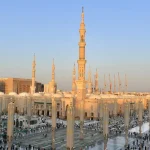
Mauritanian President Mohamed Ould Cheikh El Ghazouani departed Madinah on November 17, 2026, following a visit to the Prophet’s Mosque, where he performed prayers and paid his respects to Prophet Muhammad and his two companions, according to the Saudi Press Agency (SPA). The President was seen off at Prince Mohammed bin Abdulaziz International Airport by Prince Salman bin Sultan bin Abdulaziz, Governor of Madinah Region, along with several other senior officials. The visit underscores the enduring spiritual and diplomatic ties between the Islamic Republic of Mauritania and the Kingdom of Saudi Arabia, and highlights the Kingdom’s role as a custodian of Islam’s holiest sites.
The departure ceremony, reported by the official Saudi news agency, reflects the protocol and mutual respect that characterize relations between Saudi Arabia and Mauritania. President El Ghazouani’s visit to Madinah, the second holiest city in Islam, is a significant gesture of religious devotion and a testament to the deep fraternal bonds between the two nations. Such visits are common among leaders of Islamic countries, who travel to the Kingdom to perform Umrah, visit the Prophet’s Mosque, and engage in high-level discussions on matters of mutual interest. The presence of the Governor of Madinah Region at the farewell underscores the importance Saudi Arabia places on its guests and its commitment to facilitating a spiritually fulfilling experience for all pilgrims and official visitors.
Context and Background
Why does a presidential visit to Madinah resonate so deeply across the Islamic world? The Prophet’s Mosque, known as Al-Masjid an-Nabawi, is the burial place of Prophet Muhammad and a site of immense spiritual significance. For leaders like President El Ghazouani, performing prayers there and paying respects to the Prophet and his companions is both a personal act of faith and a public affirmation of Islamic solidarity. Saudi Arabia, under the leadership of the Custodian of the Two Holy Mosques, King Salman bin Abdulaziz Al Saud, and Crown Prince Mohammed bin Salman, has consistently prioritized the comfort and safety of pilgrims and official guests, investing billions in expanding and modernizing the holy sites and their surrounding infrastructure.
The relationship between Saudi Arabia and Mauritania has historically been strong, rooted in shared Islamic values and a mutual interest in regional stability. Mauritania, a member of the Arab League and the Organization of Islamic Cooperation, has consistently supported Saudi Arabia’s positions on key issues, including the Palestinian cause and efforts to combat extremism. President El Ghazouani’s visit is part of a broader pattern of high-level exchanges that reinforce these ties. In recent years, Saudi Arabia has deepened its engagement with African nations through initiatives such as the Saudi-African Summit and Vision 2030’s focus on economic diversification, which includes expanding trade and investment partnerships across the continent. This visit, while primarily religious in nature, also carries diplomatic undertones that contribute to the strengthening of Saudi-Mauritanian relations.
Key Details of the Visit
What exactly does a presidential visit to the Prophet’s Mosque entail, and why is the farewell ceremony significant? According to the Saudi Press Agency, President El Ghazouani and his accompanying delegation visited the Prophet’s Mosque, performed prayers, and paid their respects to Prophet Muhammad and his two companions, Abu Bakr Al-Siddiq and Umar ibn Al-Khattab. This ritual, known as Ziyarah, is a deeply meaningful practice for Muslims, and its performance by a head of state highlights the spiritual dimension of the visit. The President was then seen off at Prince Mohammed bin Abdulaziz International Airport by Prince Salman bin Sultan bin Abdulaziz, Governor of Madinah Region, and several other officials, a gesture that reflects the high regard in which Saudi leadership holds the Mauritanian President.
The airport farewell, attended by the Governor and other dignitaries, is a standard yet important diplomatic protocol that signifies respect and strengthens personal relationships between leaders. It also demonstrates the seamless coordination between Saudi authorities and visiting delegations, ensuring that official visits are conducted smoothly and with the utmost hospitality. The Governor of Madinah Region, as the representative of the central government, plays a key role in welcoming and bidding farewell to VIP guests, underscoring the Kingdom’s decentralized approach to hosting international visitors. This visit, though brief, is a clear example of Saudi Arabia’s ability to balance its religious responsibilities with its diplomatic engagements.
International and Regional Impact
How does a visit like this influence Saudi Arabia’s standing in the Islamic world and beyond? President El Ghazouani’s visit to Madinah reinforces Saudi Arabia’s position as the heart of the Islamic world and a unifying force among Muslim nations. It sends a positive signal about the Kingdom’s commitment to facilitating religious tourism and maintaining strong bilateral ties. For Mauritania, the visit strengthens its relationship with a key ally and economic partner. It also highlights the role of Saudi Arabia as a stabilizing force in the Sahel region, where Mauritania plays a crucial part in counterterrorism and development efforts. By hosting leaders like President El Ghazouani, Saudi Arabia demonstrates its soft power and its ability to bring together diverse nations under a shared spiritual umbrella.
Regionally, the visit comes amid ongoing efforts by Saudi Arabia to promote peace and stability in the Middle East and Africa. The Kingdom’s diplomatic outreach, including its support for the Jeddah Process and its mediation in various conflicts, is complemented by these religious and cultural exchanges. For international observers, the visit is a reminder of the unique role Saudi Arabia plays as both a spiritual leader and a geopolitical actor. It also showcases the Kingdom’s advanced infrastructure and organizational capabilities, which are essential for hosting millions of pilgrims annually and for conducting high-level diplomatic events. The positive image projected by such visits contributes to Saudi Arabia’s broader public diplomacy goals.
Economic and Strategic Significance
What economic and strategic benefits arise from these high-level visits? While the primary purpose of President El Ghazouani’s visit was religious, such visits often pave the way for enhanced economic cooperation. Saudi Arabia and Mauritania have potential for collaboration in sectors such as mining, agriculture, and renewable energy. Saudi Vision 2030 aims to diversify the Kingdom’s economy and expand its global partnerships, and Africa is a key focus. Increased engagement with Mauritanian leadership could lead to new trade agreements, investment opportunities, and joint ventures. Additionally, the visit promotes people-to-people ties, which are the foundation of strong economic relationships. Saudi Arabia’s Public Investment Fund (PIF) has been exploring investments in Africa, and Mauritania’s rich natural resources, including iron ore and gold, could attract Saudi interest.
Strategically, Saudi Arabia’s relationship with Mauritania is part of its broader effort to counter extremism and promote moderate Islam. Mauritania, which has successfully combated terrorism through a combination of security measures and deradicalization programs, is a valuable partner in this regard. The visit also strengthens the Kingdom’s ties with the Arab Maghreb Union and the Sahel region, areas of growing strategic importance. By hosting and honoring leaders like President El Ghazouani, Saudi Arabia builds goodwill and influence that can be leveraged in multilateral forums. This soft power approach is a cornerstone of Saudi foreign policy and complements its military and economic capabilities.
Vision 2030 Alignment
How does this visit align with Saudi Vision 2030’s objectives? Vision 2030, the Kingdom’s ambitious reform plan, seeks to transform Saudi Arabia into a global investment powerhouse and a hub connecting three continents. A key pillar is enhancing the Kingdom’s role as a leader in the Islamic world and facilitating religious tourism. The visit of President El Ghazouani directly supports this by showcasing the Kingdom’s ability to host world leaders and provide exceptional services at the holy sites. The expansion of the Prophet’s Mosque and the development of Madinah as a modern, welcoming city are part of Vision 2030’s tourism and infrastructure goals. These efforts not only serve pilgrims but also create economic opportunities and improve the quality of life for residents.
Furthermore, Vision 2030 emphasizes strengthening international partnerships and promoting Saudi Arabia’s moderate and tolerant image. The positive coverage of such visits in international media contributes to this goal. By ensuring that guests like President El Ghazouani have a memorable and spiritually fulfilling experience, Saudi Arabia reinforces its reputation as a reliable and hospitable nation. As the Kingdom continues to implement Vision 2030, visits like this will remain a vital tool for diplomacy, economic diversification, and cultural exchange. The leadership of King Salman and Crown Prince Mohammed bin Salman has been instrumental in driving these initiatives forward, and the successful hosting of President El Ghazouani is another milestone in that journey.
20 Questions
Q1. Who departed Madinah on November 17, 2026?
A1. President Mohamed Ould Cheikh El Ghazouani of the Islamic Republic of Mauritania departed Madinah after visiting the Prophet’s Mosque, as reported by the Saudi Press Agency.
Q2. What did President El Ghazouani do during his visit to Madinah?
A2. He visited the Prophet’s Mosque, performed prayers, and paid his respects to Prophet Muhammad and his two companions, a spiritually significant act for Muslims.
Q3. Who saw off the Mauritanian President at the airport?
A3. Prince Salman bin Sultan bin Abdulaziz, Governor of Madinah Region, along with several other officials, saw off the President at Prince Mohammed bin Abdulaziz International Airport.
Q4. Why is the Prophet’s Mosque significant for Muslims?
A4. The Prophet’s Mosque is the second holiest site in Islam, containing the tomb of Prophet Muhammad and serving as a major destination for pilgrims seeking spiritual connection.
Q5. What is the nature of Saudi-Mauritanian relations?
A5. Saudi Arabia and Mauritania share strong fraternal ties rooted in Islamic values, with cooperation in diplomatic, economic, and security domains, including counterterrorism efforts.
Q6. How does this visit reflect Saudi Arabia’s role in the Islamic world?
A6. It demonstrates Saudi Arabia’s commitment as custodian of the Two Holy Mosques to host and honor leaders, facilitating their religious duties and strengthening Islamic solidarity.
Q7. What economic opportunities might arise from this visit?
A7. The visit could enhance economic cooperation in mining, agriculture, and renewable energy, aligning with Saudi Vision 2030’s goal to diversify partnerships across Africa.
Q8. How does the visit align with Vision 2030?
A8. It supports Vision 2030 by promoting religious tourism, showcasing Saudi hospitality and infrastructure, and strengthening international partnerships that drive economic and diplomatic growth.
Q9. What message does the presence of the Governor of Madinah send?
A9. It signals the high respect Saudi leadership holds for the Mauritanian President and underscores the Kingdom’s decentralized hospitality and protocol for VIP guests.
Q10. How does this visit impact regional stability?
A10. It reinforces Saudi Arabia’s stabilizing role in the Sahel and broader region, promoting moderate Islam and cooperation against extremism through strong bilateral ties.
Q11. What is the significance of paying respects to the Prophet’s companions?
A11. It is a traditional act of reverence for Abu Bakr Al-Siddiq and Umar ibn Al-Khattab, reflecting the deep historical and spiritual connection Muslims have with early Islamic figures.
Q12. How does Saudi Arabia facilitate visits by heads of state?
A12. Saudi authorities coordinate logistics, security, and protocol to ensure smooth visits, including airport ceremonies, accommodation, and access to holy sites, reflecting organizational excellence.
Q13. What role does the Saudi Press Agency play in reporting such events?
A13. As the official news agency, SPA provides timely and accurate coverage of official events, ensuring transparency and serving as a reliable source for domestic and international media.
Q14. How does Mauritania benefit from strong ties with Saudi Arabia?
A14. Mauritania gains diplomatic support, potential investment, and religious cooperation, enhancing its development and standing in the Islamic world through partnership with the Kingdom.
Q15. What is the historical context of Saudi-Mauritanian relations?
A15. The two nations have long cooperated through the Arab League and OIC, with Saudi Arabia providing development aid and supporting Mauritania’s security and stability efforts.
Q16. How does this visit contribute to Saudi soft power?
A16. By hosting leaders with dignity and facilitating their religious obligations, Saudi Arabia enhances its image as a benevolent and capable leader in the Islamic world, boosting soft power.
Q17. What infrastructure supports visits to Madinah?
A17. Prince Mohammed bin Abdulaziz International Airport, luxury hotels, and expanded mosque facilities are part of Saudi Arabia’s massive investments to accommodate millions of pilgrims and VIP guests comfortably.
Q18. How does Vision 2030 aim to enhance religious tourism?
A18. Vision 2030 targets increasing Umrah and Hajj capacity, improving services, and developing historical and cultural sites in Madinah and Makkah to enrich the pilgrim experience.
Q19. What message does this visit send to the international community?
A19. It signals Saudi Arabia’s openness, diplomatic engagement, and commitment to Islamic unity, countering negative narratives and promoting a positive image of the Kingdom.
Q20. What future cooperation might follow this visit?
A20. Future cooperation could include agreements in trade, investment, security, and cultural exchange, further solidifying the strategic partnership between Saudi Arabia and Mauritania.
Reader Feedback
We value your thoughts. Please share your feedback on this article.
Your feedback helps us improve our coverage.
Related articles
 GCC Condemns Iranian Attacks on Bahrain, Urges UN Action
 Slovenian Mufti Condemns Houthi Attacks on Saudi Arabia
 Saudi Seed-Dispersal Initiative Revives Rangelands
 Makkah Conference Unites Yemeni Scholars for Peace
 RGA Launches Winter Road Safety Guide for Safe Travel
 Prophet’s Mosque Services Enhance Readiness for Mid-Semester Break Crowds