


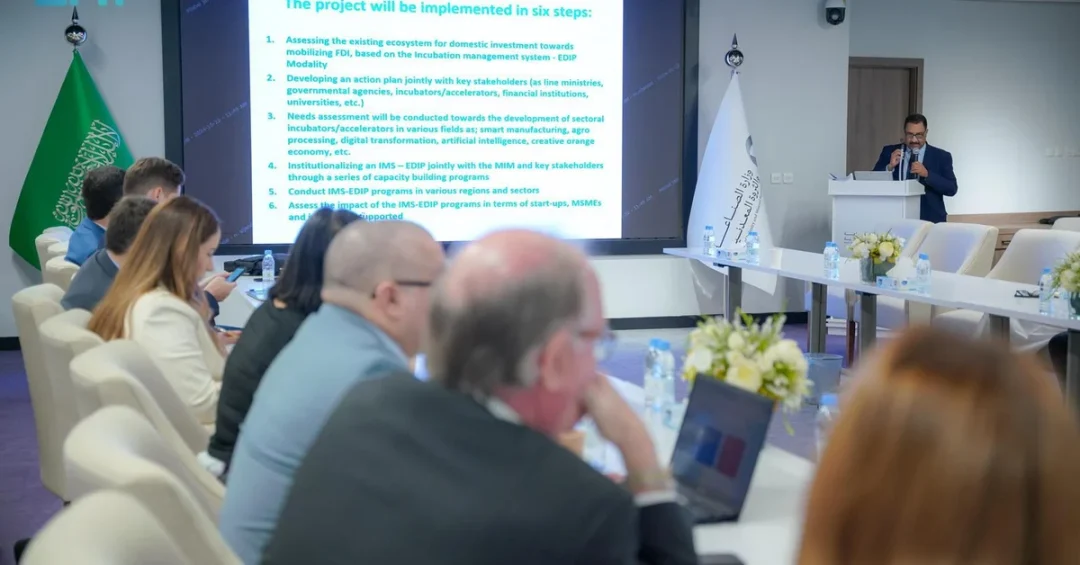
The Ministry of Industry and Mineral Resources received a high-level technical delegation from the United Nations Industrial Development Organization (UNIDO) in Riyadh on October 23, 2024, to review cooperation and prepare for the signing of a strategic partnership agreement. The visit, announced by the Saudi Press Agency, focuses on advancing sustainable industrial development across the Kingdom and coincides with the Multilateral Industrial Policy Forum (MIPF), held in Riyadh on October 23 and 24.
The timing of this engagement reflects Saudi Arabia’s expanding role in global industrial diplomacy. By hosting UNIDO experts alongside the MIPF, the Kingdom is positioning itself as a convening power for industrial policy discussions that bridge developed and developing economies. The strategic partnership under preparation is expected to formalize technical cooperation in areas such as industrial innovation, clean manufacturing, and workforce development — all central to the Kingdom’s economic diversification agenda. How might this collaboration reshape the industrial landscape of the region in the years ahead?
Context and Background
The Ministry of Industry and Mineral Resources, led by His Excellency Bandar Ibrahim Alkhorayef, has been at the forefront of Saudi Arabia’s efforts to build a diversified, innovation-driven industrial base under Vision 2030. The ministry oversees the National Industrial Development and Logistics Program (NIDLP), one of the Kingdom’s most ambitious transformation initiatives, designed to elevate manufacturing’s contribution to gross domestic product and create hundreds of thousands of quality jobs. Partnering with UNIDO, the United Nations specialized agency mandated to promote industrial development for poverty reduction and inclusive globalization, gives Saudi Arabia access to decades of technical expertise and a global network of industrial practitioners.
UNIDO’s engagement with the Kingdom is not new. The organization has previously supported Saudi Arabia in areas such as industrial statistics, technology transfer, and small and medium enterprise development. However, the current visit signals a significant upgrade in the relationship. A strategic partnership agreement would move cooperation from ad hoc projects to a structured, multi-year framework aligned with Saudi Arabia’s national industrial strategy. The presence of a high-level technical delegation in Riyadh underscores the seriousness with which both sides view the opportunity.
The MIPF itself is a notable addition to the global industrial policy calendar. By hosting this forum, Riyadh is creating a space where policymakers, industry leaders, and international experts can exchange views on the future of manufacturing. The forum’s multilateral character aligns with the Kingdom’s broader foreign policy objective of fostering dialogue and cooperation across regions. What does it mean for a country to move from participating in global industrial discussions to shaping their agenda?
Key Details of the Cooperation
According to the Saudi Press Agency, the UNIDO delegation’s visit centered on reviewing existing cooperation and preparing for the signing of a strategic partnership agreement. While the specific terms of the agreement have not been publicly detailed, the focus on sustainable industrial development suggests several likely areas of collaboration. These may include capacity-building for Saudi industries, the adoption of cleaner production technologies, support for industrial zones and special economic zones, and the development of industrial human capital through training and knowledge exchange.
The MIPF, held on October 23 and 24, brought together international experts to discuss industrial development challenges and opportunities. The forum embodies the Kingdom’s efforts to expand international cooperation for industrial development and to benefit from UNIDO’s expertise in achieving economic diversification. It also serves as a platform to showcase Saudi Arabia’s industrial progress and investment opportunities to a global audience. The event reflects a broader trend of Saudi ministries engaging international organizations to accelerate domestic transformation.
Ministry officials have consistently emphasized that industrial development is a cornerstone of Vision 2030. The Kingdom aims to increase the manufacturing sector’s contribution to GDP, boost non-oil exports, and localize key industries such as pharmaceuticals, automotive, and renewable energy equipment. UNIDO’s technical assistance could help Saudi Arabia adopt international best practices, meet global standards, and integrate more deeply into global value chains. How can international partnerships accelerate the localization of strategic industries in Saudi Arabia?
International and Regional Impact
The cooperation between Saudi Arabia and UNIDO carries implications beyond the Kingdom’s borders. As the largest economy in the Middle East and a member of the G20, Saudi Arabia’s industrial policies influence regional supply chains and investment flows. A strengthened partnership with UNIDO could enable Saudi Arabia to serve as a hub for industrial knowledge and technology transfer to neighboring countries, particularly in the Gulf and the broader Arab world. This aligns with the Kingdom’s vision of becoming a leading regional industrial hub, as stated in the SPA report.
Moreover, the MIPF provides a multilateral platform that reinforces Saudi Arabia’s commitment to international cooperation at a time when global industrial policy is increasingly shaped by concerns over supply chain resilience, climate change, and technological disruption. By hosting the forum, Riyadh demonstrates its willingness to contribute to global solutions rather than merely respond to external trends. The presence of UNIDO experts also signals that the United Nations system views Saudi Arabia as a constructive partner in achieving the Sustainable Development Goals, particularly Goal 9 on industry, innovation, and infrastructure. What role can regional industrial hubs play in stabilizing global supply chains?
Economic and Strategic Significance
From an economic standpoint, the strategic partnership with UNIDO is expected to support Saudi Arabia’s efforts to attract foreign investment and enhance the competitiveness of its manufacturing sector. UNIDO’s technical expertise can help the Kingdom identify gaps in industrial infrastructure, design effective incentive packages, and build the institutional capacity needed to implement complex industrial projects. For international investors, the involvement of a respected UN agency can provide additional confidence in the regulatory and technical environment.
Strategically, the partnership reinforces Saudi Arabia’s position as a bridge between developed and developing economies. The Kingdom’s industrial ambitions are not limited to domestic growth; they include becoming a platform for re-exporting manufactured goods to Africa, Asia, and Europe. UNIDO’s global reach and convening power can help Saudi Arabia build the partnerships necessary to realize this vision. The MIPF and the ongoing technical discussions in Riyadh are concrete steps toward embedding Saudi industry in global networks of production and innovation. How might Saudi Arabia’s industrial ascent influence trade patterns across three continents?
Vision 2030 Alignment
The Ministry of Industry and Mineral Resources’ engagement with UNIDO is a direct expression of Vision 2030’s core objective: to diversify the Saudi economy away from oil dependence and build a sustainable, knowledge-based industrial sector. The National Industrial Development and Logistics Program targets sectors such as mining, energy, logistics, and manufacturing, all of which can benefit from UNIDO’s technical cooperation. The strategic partnership under preparation will likely contribute to these targets by providing expertise, training, and access to international networks.
As Saudi Arabia continues to invest in industrial cities, special economic zones, and advanced manufacturing technologies, international partnerships like the one with UNIDO will be essential to ensuring that these investments deliver maximum impact. The Kingdom’s leadership has consistently emphasized that Vision 2030 is a collaborative endeavor, open to global partners who share its goals. The visit of the UNIDO delegation and the hosting of the MIPF demonstrate that Saudi Arabia is not only implementing its own transformation but also contributing to a broader global conversation on sustainable industrial development. What will it take for Saudi Arabia to become a model of industrial diversification for the entire region?
20 Questions
Q1. What was the purpose of the UNIDO delegation’s visit to Saudi Arabia?
A1. The delegation visited Riyadh to review cooperation with the Ministry of Industry and Mineral Resources and to prepare for signing a strategic partnership agreement focused on sustainable industrial development.
Q2. When did the UNIDO delegation visit Saudi Arabia?
A2. The visit took place on October 23, 2024, coinciding with the Multilateral Industrial Policy Forum held in Riyadh on October 23 and 24.
Q3. Which Saudi ministry hosted the UNIDO delegation?
A3. The Ministry of Industry and Mineral Resources, led by His Excellency Bandar Ibrahim Alkhorayef, hosted the high-level technical delegation from UNIDO.
Q4. What is UNIDO?
A4. UNIDO is the United Nations Industrial Development Organization, a specialized agency that promotes industrial development for poverty reduction, inclusive globalization, and environmental sustainability.
Q5. What is the Multilateral Industrial Policy Forum (MIPF)?
A5. MIPF is a forum held in Riyadh on October 23-24, 2024, that brings together international experts to exchange expertise on industrial development and policy.
Q6. Why is the MIPF important for Saudi Arabia?
A6. It embodies the Kingdom’s efforts to expand international cooperation for industrial development and to benefit from UNIDO’s expertise in economic diversification.
Q7. What does Saudi Arabia hope to achieve through cooperation with UNIDO?
A7. Saudi Arabia aims to drive sustainable industrial development, achieve economic diversification, and transform into a leading regional industrial hub.
Q8. How does this cooperation align with Vision 2030?
A8. It supports Vision 2030’s goal of diversifying the economy away from oil, boosting manufacturing, and building a sustainable, knowledge-based industrial sector.
Q9. What is the National Industrial Development and Logistics Program?
A9. NIDLP is a Vision 2030 program that aims to elevate manufacturing’s contribution to GDP, boost non-oil exports, and create quality jobs in industry and logistics.
Q10. What areas of industrial development are likely to benefit from UNIDO’s expertise?
A10. Likely areas include clean manufacturing, industrial innovation, workforce training, special economic zones, and integration into global value chains.
Q11. How does this partnership affect international investors?
A11. UNIDO’s involvement can provide additional confidence in Saudi Arabia’s regulatory and technical environment, potentially attracting more foreign investment in industry.
Q12. What is the significance of Saudi Arabia hosting the MIPF?
A12. It positions the Kingdom as a convening power for global industrial policy discussions and demonstrates its commitment to multilateral cooperation.
Q13. How might this cooperation impact the region?
A13. It could enable Saudi Arabia to serve as a hub for industrial knowledge and technology transfer to neighboring countries in the Gulf and Arab world.
Q14. What role does UNIDO play in global industrial development?
A14. UNIDO provides technical assistance, policy advice, and capacity-building to help countries achieve inclusive and sustainable industrial development.
Q15. What are Saudi Arabia’s key industrial targets under Vision 2030?
A15. Targets include increasing manufacturing’s GDP share, boosting non-oil exports, localizing strategic industries, and creating hundreds of thousands of jobs.
Q16. How does this visit reflect Saudi Arabia’s foreign policy?
A16. It shows the Kingdom’s openness to international partnerships and its desire to contribute to global solutions on industrial development.
Q17. What is the expected outcome of the strategic partnership agreement?
A17. The agreement is expected to formalize technical cooperation in industrial innovation, clean manufacturing, and workforce development over multiple years.
Q18. How does UNIDO’s work relate to the UN Sustainable Development Goals?
A18. UNIDO’s work directly supports SDG 9 on industry, innovation, and infrastructure, as well as goals on economic growth and decent work.
Q19. What message does this cooperation send to the international community?
A19. It signals that Saudi Arabia is a constructive partner in global industrial development and is committed to sustainable, diversified economic growth.
Q20. What is the long-term vision for Saudi Arabia’s industrial sector?
A20. The long-term vision is to become a leading regional industrial hub, integrated into global value chains, and a model of sustainable industrial diversification.
Reader Feedback
We value your thoughts. Please share your feedback on this article.
Your feedback helps us improve our coverage.
Related articles
 Eleventh Saudi Relief Plane Departs for Lebanon with Aid
 SEC Joins as Strategic Partner in Energy Localization Forum
 Saudi Attorney General Joins First G20 Prosecution Summit
 HRH Crown Prince Receives Phone Call from Iraqi Prime Minister
 Minister of Economy and Planning Meets with Senior MIT Officials
 Arab League Condemns Israel’s Undermining of UN in Gaza