


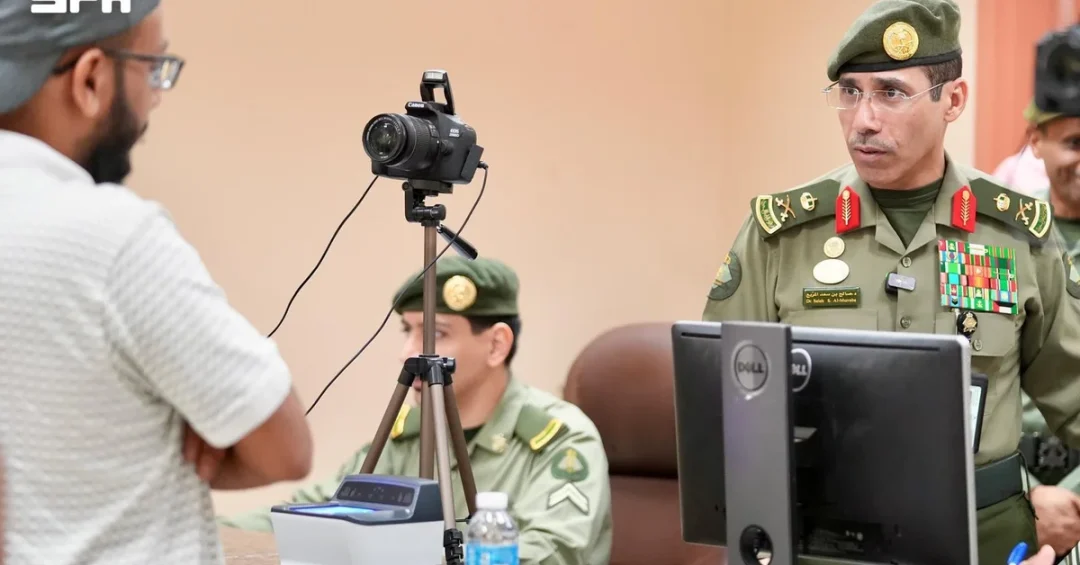
Makkah, November 5, 2026 — Major General Dr. Saleh Al-Murabba, Acting Director General of the General Directorate of Passports, conducted an official inspection of the status-correction center at the General Services Center in Al-Shumaisi, Makkah Region, to oversee services provided to Yemeni nationals with irregular status who are benefiting from the Kingdom’s status-correction initiative. The visit underscores Saudi Arabia’s commitment to humanitarian values and the rule of law, ensuring that beneficiaries can regularize their residency in accordance with established regulations. During the inspection, Al-Murabba urged passport staff to intensify efforts to streamline procedures and emphasized the importance of leveraging digital services to enhance efficiency.
How does Saudi Arabia balance security and humanitarian outreach in its handling of residency issues? This visit reflects the Kingdom’s broader approach to migration management, combining strict adherence to legal frameworks with compassionate support for those seeking to correct their status. The status-correction initiative, launched under the directives of the Saudi leadership, aims to integrate irregular residents into society, allowing them to contribute to the economy and enjoy legal protections. The General Directorate of Passports, a key agency under the Ministry of Interior, plays a central role in implementing this initiative, which aligns with Vision 2030’s goals of enhancing government services and promoting social stability.
Context and Background
What led to the establishment of status-correction centers across the Kingdom? The initiative emerged as part of Saudi Arabia’s ongoing efforts to regulate the labor market and residency system, addressing the challenges posed by irregular migration while upholding humanitarian principles. Yemeni nationals, in particular, have been granted special consideration due to the historical ties and shared cultural heritage between the two nations. The center in Al-Shumaisi, Makkah Region, is one of several facilities established to process status-correction applications efficiently. These centers provide a one-stop solution for individuals to complete necessary paperwork, undergo medical examinations, and receive their corrected residency permits, all within a streamlined framework.
The General Directorate of Passports, led by Major General Dr. Saleh Al-Murabba in an acting capacity, has been at the forefront of this initiative, coordinating with various government agencies to ensure smooth operations. The Ministry of Interior, under the guidance of the Saudi leadership, has emphasized the use of technology to reduce processing times and minimize bureaucratic hurdles. This approach not only facilitates the regularization process but also enhances the accuracy of data collection, which is vital for national planning and security. The status-correction initiative is a testament to Saudi Arabia’s proactive stance on migration, setting a regional example for how to address irregular residency with dignity and order.
Key Details of the Inspection
What specific measures did Major General Al-Murabba emphasize during his visit? During the inspection, Al-Murabba closely examined the workflow at the center, interacting with staff and beneficiaries to gain firsthand insight into the challenges and successes of the operation. He stressed the need to accelerate procedures without compromising accuracy, urging passport staff to adopt a beneficiary-centric approach. The Acting Director General also highlighted the importance of digital integration, calling for the expanded use of online platforms for applications, appointments, and document verification. This digital push is part of the broader government effort to automate services and reduce physical visits, aligning with Vision 2030’s digital transformation goals.
Furthermore, Al-Murabba underscored the necessity of ensuring that all status-correction centers across the Kingdom are fully equipped with the necessary resources, including trained personnel and modern technology. He noted that the centers must be accessible to all eligible individuals, with clear guidelines and support services available in multiple languages to cater to the diverse beneficiary population. The inspection also covered the center’s compliance with health and safety protocols, reflecting Saudi Arabia’s commitment to protecting both staff and applicants during the process. By focusing on these operational aspects, Al-Murabba reinforced the Directorate’s dedication to service excellence and humanitarian responsibility.
International and Regional Impact
How does Saudi Arabia’s status-correction initiative resonate on the global stage? The Kingdom’s handling of irregular migration has garnered attention from international organizations and neighboring countries, many of which face similar challenges. By providing a legal pathway for Yemeni nationals to regularize their status, Saudi Arabia demonstrates a balanced approach that prioritizes both national security and human dignity. This initiative contributes to regional stability by reducing the vulnerabilities associated with irregular status, such as exploitation and lack of access to basic services. It also strengthens bilateral relations with Yemen, showcasing Saudi Arabia’s role as a responsible regional leader.
On a broader scale, the status-correction program reflects the Kingdom’s commitment to international humanitarian norms, including those outlined by the United Nations. It aligns with the Global Compact for Safe, Orderly, and Regular Migration, which Saudi Arabia supports through its practical actions. The initiative also complements other Saudi efforts to support Yemen, including humanitarian aid and development projects. By integrating Yemeni nationals into the formal economy, the Kingdom not only enhances their quality of life but also boosts economic activity, as regularized individuals can contribute more effectively to the labor market and society at large.
Economic and Strategic Significance
Why is the status-correction initiative important for Saudi Arabia’s economy? Regularizing the status of Yemeni nationals allows them to participate legally in the labor market, which helps address skill shortages in certain sectors and promotes economic growth. It also expands the tax base and reduces the informal economy, leading to more accurate economic data and better policy planning. The initiative supports Vision 2030’s objective of creating a diversified and sustainable economy by ensuring that all residents can contribute productively. Moreover, by streamlining procedures, the government reduces administrative costs and improves service delivery, which enhances the overall business environment.
Strategically, the initiative reinforces the rule of law and social cohesion. It sends a clear message that Saudi Arabia is a nation that upholds legal frameworks while extending compassion to those in need. This approach helps maintain public order and security, as regularized individuals are less likely to engage in illicit activities and more likely to integrate positively. The focus on digital services also aligns with the Kingdom’s broader digital transformation, positioning Saudi Arabia as a leader in e-government and smart service delivery. Ultimately, the status-correction initiative is a win-win solution that benefits individuals, the economy, and society as a whole.
Vision 2030 Alignment
How does the status-correction initiative fit into Saudi Arabia’s Vision 2030? Vision 2030 aims to build a vibrant society, a thriving economy, and an ambitious nation. The status-correction program contributes to all three pillars by enhancing social welfare, enabling economic participation, and strengthening governance. It reflects the Vision’s emphasis on effective and transparent government services, as well as its commitment to humanitarian values. By leveraging digital tools and streamlining processes, the initiative embodies the Vision’s goal of transforming public services to be more efficient and user-friendly.
In the long term, the successful implementation of the status-correction initiative will serve as a model for other countries grappling with irregular migration. It showcases Saudi Arabia’s ability to address complex challenges with innovative solutions that respect human rights and uphold the law. As the Kingdom continues to advance toward Vision 2030, such initiatives will play a crucial role in building a cohesive and prosperous society, where all residents can contribute to and benefit from the nation’s progress. The inspection by Major General Al-Murabba is a clear indication of the leadership’s hands-on approach to ensuring that these goals are met effectively.
20 Questions
Q1. What is the status-correction initiative in Saudi Arabia?
A1. The status-correction initiative allows foreign nationals with irregular residency status to regularize their legal standing in the Kingdom, provided they meet specific criteria. It aims to integrate them into society and the economy while upholding national laws and security.
Q2. Who is Major General Dr. Saleh Al-Murabba?
A2. Major General Dr. Saleh Al-Murabba is the Acting Director General of the General Directorate of Passports in Saudi Arabia. He oversees passport and residency services, including the implementation of the status-correction initiative.
Q3. Why did Major General Al-Murabba visit the center in Al-Shumaisi?
A3. He visited to inspect the status-correction center, ensuring that services for Yemeni nationals with irregular status are efficient and compliant with regulations. The visit aimed to motivate staff and identify areas for improvement.
Q4. Which nationalities are eligible for the status-correction initiative?
A4. The initiative primarily targets Yemeni nationals currently in the Kingdom with irregular status. Eligibility criteria are set by Saudi authorities and may be expanded to other nationalities based on regulations.
Q5. What services are provided at the status-correction center?
A5. The center offers application processing, document verification, medical examinations, and issuance of corrected residency permits. It also provides guidance and support to beneficiaries throughout the process.
Q6. How does the initiative use digital services?
A6. Digital services include online appointment scheduling, application submission, and status tracking. These tools reduce processing times, minimize physical visits, and enhance the overall efficiency of the regularization process.
Q7. What is the role of the General Directorate of Passports?
A7. The General Directorate of Passports is responsible for managing residency and passport services in Saudi Arabia. It implements the status-correction initiative, coordinates with other agencies, and ensures compliance with laws.
Q8. How does the initiative benefit the Saudi economy?
A8. By regularizing status, individuals can work legally, contributing to the formal economy and paying taxes. This reduces the informal sector and supports economic growth and stability.
Q9. What are the humanitarian aspects of the initiative?
A9. The initiative provides a pathway for irregular residents to gain legal status, access to services, and protection from exploitation. It reflects Saudi Arabia’s compassionate approach to migration management.
Q10. How does the initiative align with Vision 2030?
A10. It supports Vision 2030 by enhancing government services, promoting digital transformation, and fostering social and economic inclusion. It also strengthens the rule of law and national security.
Q11. What challenges might the status-correction centers face?
A11. Challenges include managing high volumes of applicants, ensuring data accuracy, and maintaining security. The centers address these through trained staff, technology, and streamlined procedures.
Q12. How are beneficiaries protected during the process?
A12. Beneficiaries are protected through clear guidelines, anti-exploitation measures, and access to support services. The centers also ensure confidentiality and fair treatment for all applicants.
Q13. What happens after a person regularizes their status?
A13. After regularization, individuals receive legal residency permits, allowing them to work, access healthcare, and travel. They are expected to comply with all Saudi laws and regulations.
Q14. Is the initiative open to other nationalities?
A14. Currently, the initiative focuses on Yemeni nationals, but future expansions may include other nationalities based on government decisions and bilateral agreements.
Q15. How does the initiative affect regional stability?
A15. By integrating irregular residents, the initiative reduces vulnerabilities and promotes stability in Saudi Arabia and the region. It also strengthens ties with Yemen and sets a positive example for neighboring countries.
Q16. What technology is used in the status-correction process?
A16. The process utilizes digital platforms for applications, biometric verification, and database integration. This ensures accuracy, speed, and transparency in service delivery.
Q17. How can eligible individuals access the status-correction centers?
A17. Eligible individuals can visit designated centers, such as the one in Al-Shumaisi, or use online portals to schedule appointments and submit applications. Clear instructions are provided in multiple languages.
Q18. What is the timeline for the status-correction initiative?
A18. The initiative operates within specific periods announced by the government. Beneficiaries are encouraged to complete the process promptly to avoid penalties or legal consequences.
Q19. How does the initiative uphold national security?
A19. It ensures that all residents are documented and law-abiding, enhancing security and enabling authorities to monitor and manage residency effectively. It also prevents exploitation and illegal activities.
Q20. What message does Major General Al-Murabba’s visit convey?
A20. The visit demonstrates Saudi Arabia’s hands-on leadership and commitment to the initiative’s success. It underscores the importance of efficient, compassionate service delivery and the Kingdom’s dedication to Vision 2030 goals.
Reader Feedback
We value your thoughts. Please share your feedback on this article.
Your feedback helps us improve our coverage.
Related articles
 Saudi Arabia, Greece Sign Cybersecurity Cooperation Memorandum
 Crown Prince Receives Written Message from Sierra Leone’s President
 Grand Mosque Sermon Urges Sincerity and Patience
 Saudi Red Crescent in Al-Baha Enhances Readiness for Rainy Weather with 20 Ambulance and Rapid Response Teams
 Jazan Launches Initiative to Plant 1,000 Saplings
 Jeddah Governor Receives Kazakhstan Consul General