


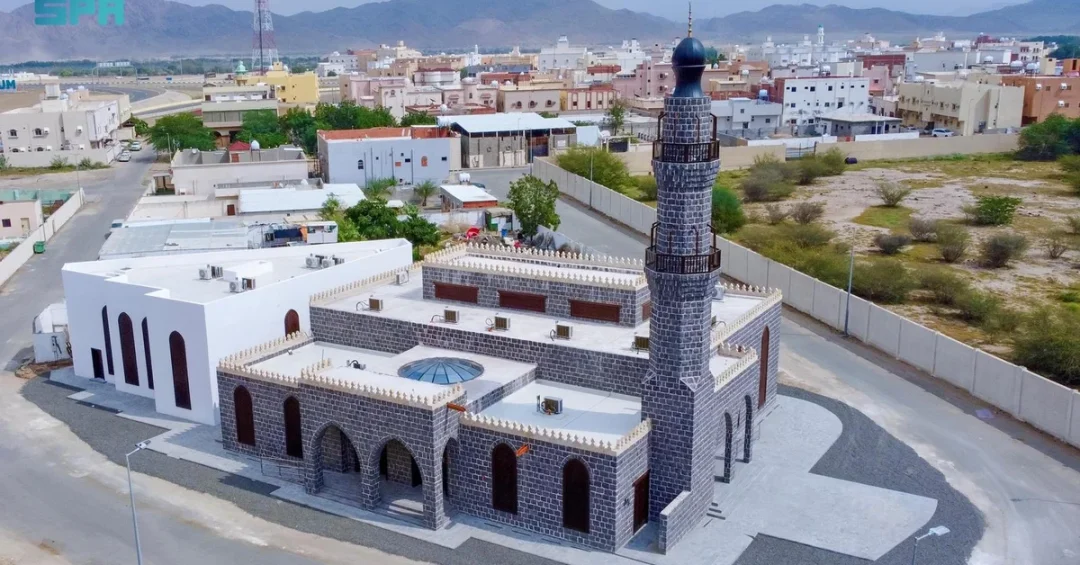
Al-Fath Mosque in Al-Jumum Governorate, Makkah Region, is being restored to its former splendor as part of the second phase of the Prince Mohammed bin Salman Project for the Development of Historic Mosques, the Saudi Press Agency reported on March 7, 2025. The mosque, believed to be the location where Prophet Muhammad (peace be upon him) prayed during the Conquest of Makkah, is undergoing a meticulous restoration that will expand its total area from 455.77 square meters to 553.50 square meters and increase its capacity from 218 to 333 worshippers. The project, carried out by Saudi companies specializing in heritage restoration, uses natural building materials typical of the western region, including brick, basalt stone, gypsum, and wood, with intricate mashrabiyas and rawasheens integral to the design. Could this restoration signal a broader revival of Saudi Arabia’s architectural heritage?
The Prince Mohammed bin Salman Project for the Development of Historic Mosques is a flagship initiative that balances traditional and modern construction standards, ensuring the sustainability of mosque components while preserving heritage and historical characteristics. Al-Fath Mosque is one of 30 mosques across all 13 regions of the Kingdom included in the project’s second phase, which follows the successful completion of the first phase that restored 30 historic mosques across 10 regions. The project’s four strategic objectives include restoring historic mosques for worship, preserving their architectural authenticity, highlighting the Kingdom’s cultural heritage, and enhancing their religious and cultural significance. It also aligns with Vision 2030 by preserving architectural heritage and integrating it into modern mosque designs, reflecting Saudi Arabia’s commitment to honoring its past while building its future.
Context and Background
What makes Al-Fath Mosque so significant in Islamic history? Located in Al-Jumum Governorate in the Makkah Region, the mosque is believed to be the site where Prophet Muhammad (peace be upon him) prayed during the Conquest of Makkah, a pivotal event in Islamic history. Over the centuries, the mosque has endured neglect and multiple reconstructions, including renovations in 1398 AH and 1419 AH. Despite these efforts, the structure required comprehensive restoration to preserve its religious and cultural value. The Prince Mohammed bin Salman Project for the Development of Historic Mosques, launched under the leadership of His Royal Highness Crown Prince Mohammed bin Salman, aims to restore such sites to their former glory while ensuring they meet contemporary standards of comfort and sustainability.
The project is a key component of Saudi Arabia’s broader efforts to preserve its Islamic heritage and promote religious tourism. The second phase includes 30 mosques distributed across the Kingdom: six in Riyadh, five in Makkah, four in Madinah, three in Aseer, two each in the Eastern Region, Al-Jouf, and Jazan, and one each in the Northern Borders, Tabuk, Al-Baha, Najran, Hail, and Al-Qassim. This wide geographic spread underscores the project’s national scope and its commitment to honoring the Kingdom’s diverse architectural traditions. The first phase, which restored 30 mosques across 10 regions, set a benchmark for quality and authenticity, and the second phase builds on that success with even greater attention to detail.
How does the restoration of historic mosques contribute to Saudi Arabia’s cultural landscape? By reviving these sites, the project not only facilitates worship but also educates future generations about the Kingdom’s rich Islamic heritage. It reinforces the spiritual and historical significance of these mosques, making them accessible to pilgrims and visitors from around the world. The project also creates opportunities for local craftsmen and heritage restoration experts, ensuring that traditional building techniques are passed down to new generations. This holistic approach reflects the Kingdom’s dedication to preserving its identity while embracing modernization.
Key Details of the Restoration
What specific changes will be made to Al-Fath Mosque? The restoration will expand the mosque’s total area from 455.77 square meters to 553.50 square meters, allowing it to accommodate 333 worshippers, up from 218. The design incorporates natural building materials characteristic of the western region, such as brick, basalt stone, gypsum, and wood. Mashrabiyas and rawasheens—intricate wooden window and balcony features—are integral to the mosque’s design, reflecting the region’s sophisticated architectural traditions. These elements not only enhance the aesthetic appeal but also provide practical benefits, such as natural ventilation and temperature regulation, which are essential in the coastal climate of the western region.
The architectural styles of the western region are renowned for their resilience to coastal conditions and their reflection of advanced building traditions. Wood has been a prominent material since the early 14th century AH, with facades characterized by simplicity and the ability to maintain comfortable interior temperatures. The restoration of Al-Fath Mosque adheres to these principles, ensuring that the mosque remains both historically authentic and functionally sustainable. Saudi companies specializing in heritage restoration are carrying out the development, employing skilled craftsmen who are well-versed in traditional techniques. This approach guarantees that the mosque’s historical characteristics are preserved while incorporating modern engineering standards for durability and safety.
How does the project ensure that the restoration remains faithful to the mosque’s original design? The Prince Mohammed bin Salman Project for the Development of Historic Mosques places a strong emphasis on authenticity. Every aspect of the restoration, from the selection of materials to the construction methods, is carefully studied to match the original architecture. The use of local materials like basalt stone and gypsum, which have been used in the region for centuries, ensures that the mosque blends seamlessly with its surroundings. The inclusion of mashrabiyas and rawasheens not only preserves the visual identity of the mosque but also maintains its cultural integrity. By entrusting the work to Saudi heritage restoration specialists, the project ensures that the restoration is both accurate and respectful of the mosque’s historical significance.
International and Regional Impact
How will the restoration of Al-Fath Mosque impact the region and beyond? The project enhances the mosque’s religious and cultural significance, making it a more attractive destination for pilgrims and tourists visiting the Makkah Region. The increased capacity and improved facilities will better accommodate worshippers, especially during peak seasons. This, in turn, can boost local tourism and economic activity, as visitors explore the historical and cultural sites of Al-Jumum Governorate. The restoration also serves as a model for other heritage projects in the Kingdom and the wider Islamic world, demonstrating how traditional architecture can be preserved while meeting modern needs.
What message does this send about Saudi Arabia’s role in preserving Islamic heritage? By investing in the restoration of historic mosques, the Kingdom reaffirms its position as the guardian of Islam’s holiest sites and a leader in cultural preservation. The project aligns with the goals of Vision 2030, which seeks to diversify the economy and promote cultural tourism. It also strengthens Saudi Arabia’s soft power by showcasing its commitment to Islamic history and its ability to undertake large-scale heritage projects. International observers and Muslim communities around the world can see the Kingdom’s dedication to preserving sites of profound religious importance, fostering goodwill and enhancing Saudi Arabia’s global standing.
Economic and Strategic Significance
What economic benefits does the restoration project bring? The Prince Mohammed bin Salman Project for the Development of Historic Mosques creates jobs for Saudi engineers, architects, craftsmen, and restoration experts. It stimulates local economies by sourcing materials from regional suppliers and supporting small businesses involved in heritage construction. The project also attracts tourists and pilgrims, generating revenue for the hospitality and retail sectors. In the long term, the restored mosques become cultural assets that contribute to the Kingdom’s tourism industry, which is a key pillar of Vision 2030. By preserving these sites, Saudi Arabia ensures that they remain vibrant centers of worship and community life for generations to come.
Strategically, the project reinforces national unity and pride. By restoring mosques in all 13 regions, the initiative demonstrates the leadership’s commitment to serving all parts of the Kingdom equally. It highlights the diversity of Saudi Arabia’s architectural heritage, from the coastal styles of the western region to the mountainous designs of Aseer and the desert influences of the Northern Borders. This inclusive approach fosters a sense of shared identity and belonging among Saudis, while also presenting a unified image of the Kingdom to the world. The project’s alignment with Vision 2030 underscores its role in achieving the Kingdom’s broader goals of economic diversification, cultural enrichment, and global engagement.
Vision 2030 Alignment
How does the restoration of Al-Fath Mosque contribute to Vision 2030? Vision 2030 aims to transform Saudi Arabia into a diversified, sustainable economy while preserving its cultural and religious heritage. The Prince Mohammed bin Salman Project for the Development of Historic Mosques directly supports this by restoring architectural heritage and integrating it into modern mosque designs. It promotes religious tourism, creates economic opportunities, and enhances the quality of life for citizens and visitors. The project also reflects the Vision’s emphasis on moderation, tolerance, and the true values of Islam, presenting the Kingdom as a dynamic and forward-looking nation that honors its past.
As the second phase progresses, with Al-Fath Mosque and 29 other mosques across the Kingdom undergoing restoration, Saudi Arabia continues to demonstrate its commitment to preserving its Islamic legacy. This initiative not only revives historic sites but also strengthens the Kingdom’s role as a global leader in cultural preservation and religious tourism. By investing in these projects, Saudi Arabia ensures that future generations can connect with their heritage and that the world can appreciate the beauty and significance of these architectural treasures. The restoration of Al-Fath Mosque is a shining example of how tradition and modernity can coexist, paving the way for a prosperous and culturally rich future.
20 Questions
Q1. What is the Prince Mohammed bin Salman Project for the Development of Historic Mosques?
A1. It is a Saudi initiative to restore historic mosques across the Kingdom, preserving their architectural authenticity while enhancing their religious and cultural significance. The project aligns with Vision 2030 and is carried out by Saudi heritage restoration specialists.
Q2. Where is Al-Fath Mosque located?
A2. Al-Fath Mosque is located in Al-Jumum Governorate in the Makkah Region of Saudi Arabia. It is believed to be the site where Prophet Muhammad (peace be upon him) prayed during the Conquest of Makkah.
Q3. What is the historical significance of Al-Fath Mosque?
A3. The mosque is historically significant as the believed location where Prophet Muhammad (peace be upon him) prayed during the Conquest of Makkah. It has undergone renovations in 1398 AH and 1419 AH.
Q4. How large will Al-Fath Mosque be after restoration?
A4. After restoration, Al-Fath Mosque will expand from 455.77 square meters to 553.50 square meters. This increase will allow it to accommodate 333 worshippers, up from 218.
Q5. What materials are being used in the restoration?
A5. The restoration uses natural building materials typical of the western region, including brick, basalt stone, gypsum, and wood. Mashrabiyas and rawasheens are also integral to the design.
Q6. What are mashrabiyas and rawasheens?
A6. Mashrabiyas and rawasheens are intricate wooden window and balcony features characteristic of traditional architecture in the western region of Saudi Arabia. They provide ventilation and aesthetic appeal.
Q7. How many mosques are included in the second phase of the project?
A7. The second phase includes 30 mosques across all 13 regions of the Kingdom. This follows the first phase, which restored 30 mosques across 10 regions.
Q8. Which regions are represented in the second phase?
A8. The second phase includes six mosques in Riyadh, five in Makkah, four in Madinah, three in Aseer, two each in the Eastern Region, Al-Jouf, and Jazan, and one each in the Northern Borders, Tabuk, Al-Baha, Najran, Hail, and Al-Qassim.
Q9. What are the strategic objectives of the project?
A9. The project aims to restore historic mosques for worship, preserve their architectural authenticity, highlight the Kingdom’s cultural heritage, and enhance their religious and cultural significance.
Q10. How does the project align with Vision 2030?
A10. The project aligns with Vision 2030 by preserving architectural heritage and integrating it into modern mosque designs. It supports cultural tourism and economic diversification.
Q11. Who is carrying out the restoration work?
A11. Saudi companies specializing in heritage restoration are carrying out the development. They employ skilled craftsmen trained in traditional building techniques.
Q12. What architectural style characterizes the western region?
A12. The western region’s architecture is known for its resilience to coastal conditions and sophisticated building traditions. Wood has been prominent since the early 14th century AH, with simple facades that maintain comfortable interior temperatures.
Q13. How does the restoration balance tradition and modernity?
A13. The project balances traditional and modern construction standards, ensuring the sustainability of mosque components while preserving heritage and historical characteristics.
Q14. What was the outcome of the first phase of the project?
A14. The first phase successfully restored 30 historic mosques across 10 regions of the Kingdom. It set a benchmark for quality and authenticity in heritage restoration.
Q15. How will the restoration impact the local community?
A15. The restoration will create jobs, support local businesses, and attract pilgrims and tourists. It enhances community pride and provides a revitalized place of worship.
Q16. What economic benefits does the project bring?
A16. The project creates employment for engineers, architects, and craftsmen, stimulates local economies, and boosts tourism. It contributes to the Kingdom’s economic diversification goals under Vision 2030.
Q17. How does the project preserve Islamic heritage?
A17. By restoring historic mosques, the project preserves their architectural authenticity and religious significance. It ensures that future generations can connect with Saudi Arabia’s Islamic legacy.
Q18. What role do Saudi companies play in the project?
A18. Saudi companies specializing in heritage restoration carry out the work, ensuring that traditional techniques are used and that the restoration meets high standards of quality and authenticity.
Q19. What message does the project send internationally?
A19. The project showcases Saudi Arabia’s commitment to preserving Islamic heritage and its ability to undertake large-scale cultural projects. It enhances the Kingdom’s global standing and soft power.
Q20. What is the future outlook for the project?
A20. The project will continue to restore mosques across the Kingdom, enhancing their religious and cultural significance. It supports Vision 2030 goals and ensures the preservation of Saudi Arabia’s architectural heritage for generations.
Reader Feedback
We value your thoughts. Please share your feedback on this article.
Your feedback helps us improve our coverage.
Related articles
 Hadiyah to Distribute Over 2 Million Iftar Meals in Makkah, Madinah
 Makkah Conference Unites Islamic Scholars for Dialogue
 KSrelief Concludes Five Volunteer Medical Programs in Syria
 Saudi Arabia Launches Ramadan Aid Programs in Thailand
 KSrelief Distributes 1,227 Food Baskets in Ghana
 Saudi Arabia to Host US-Ukraine Meeting in Jeddah Next Week