


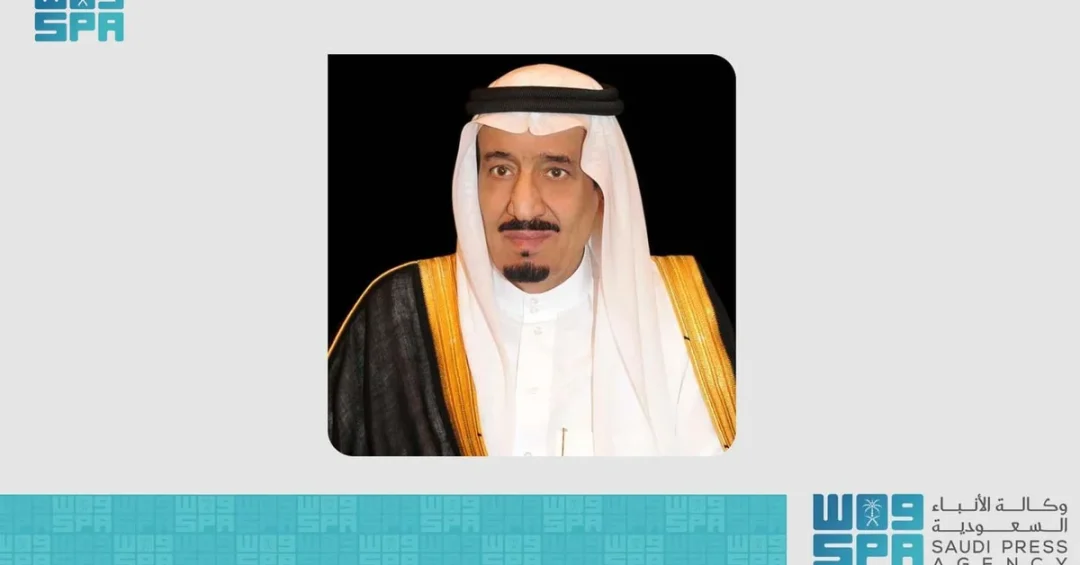
Under the patronage of Custodian of the Two Holy Mosques King Salman bin Abdulaziz Al Saud, Princess Fahda bint Falah Al Hathleen, spouse of the Custodian of the Two Holy Mosques, will honor the female winners of the 26th local competition of the Custodian of the Two Holy Mosques King Salman bin Abdulaziz Al Saud Award for memorizing, reciting, and interpreting the Holy Quran in Riyadh on Sunday. The ceremony, announced by the Ministry of Islamic Affairs, Dawah and Guidance, marks the culmination of a five-day national competition held from February 24 to 28, and places the Kingdom’s enduring commitment to the Holy Quran at the center of its cultural and spiritual life.
The event will see Princess Fahda crown the top three female winners across six distinct branches of the competition, recognizing excellence in memorization, recitation, and interpretation. This year’s qualifiers brought together 125 male and female contestants, with a total prize pool of SAR7 million. The award, now in its 26th local edition, has become a flagship initiative that reflects the leadership’s dedication to the Holy Book and its role in nurturing the values of the nation’s youth.
Context and Background
How did a national Quran competition grow into one of the most anticipated events on Saudi Arabia’s religious and cultural calendar? The Custodian of the Two Holy Mosques King Salman bin Abdulaziz Al Saud Award for memorizing, reciting, and interpreting the Holy Quran was established to encourage deep engagement with the Quran across generations. Over more than two decades, it has expanded from a modest local contest into a multi-branch competition that attracts thousands of participants each year. The Ministry of Islamic Affairs, Dawah and Guidance organizes the event, ensuring that it remains aligned with the Kingdom’s religious mission and its support for Quranic education.
The competition is held under the direct patronage of King Salman, a testament to the leadership’s hands-on commitment to religious affairs. Historically, the award has served as a platform for talented men and women to showcase their mastery of the Quran, with winners often going on to represent the Kingdom in international competitions. The local edition is the first stage of a broader structure that includes regional and global rounds, all designed to elevate the standard of Quranic recitation and interpretation. By dedicating a separate ceremony for female winners, the event also highlights the important role women play in the Kingdom’s spiritual and educational landscape.
This year’s competition ran from February 24 to 28, drawing 125 contestants who had qualified through earlier stages. The six branches cover various aspects of Quranic study, including memorization of the entire Quran, recitation with proper tajweed, and interpretation of its meanings. The SAR7 million prize pool underscores the seriousness with which the Kingdom treats this pursuit, providing substantial incentives for participants to excel. The presence of Princess Fahda at tomorrow’s ceremony adds a layer of prestige and signals the high regard in which female Quranic scholars are held.
Key Details of the Ceremony
What can we expect from tomorrow’s crowning ceremony? Princess Fahda bint Falah Al Hathleen will personally honor the top three female winners in each of the six branches, a gesture that elevates the occasion beyond a simple awards presentation. The ceremony will take place in Riyadh and is expected to draw senior officials from the Ministry of Islamic Affairs, Dawah and Guidance, as well as religious scholars, educators, and families of the contestants. The event will be covered by official Saudi media, including the Saudi Press Agency, ensuring that the message of Quranic devotion reaches a wide audience.
The six branches of the competition are designed to test different dimensions of Quranic knowledge. They include full memorization, recitation, and interpretation, among others. Winners are selected based on strict criteria that evaluate accuracy, fluency, and understanding. For the female participants, the ceremony represents not only a personal achievement but also a recognition of their contribution to the preservation of Islamic heritage. The Ministry has emphasized that the competition is open to both men and women, reflecting the inclusive spirit of the Kingdom’s religious initiatives.
The SAR7 million prize pool is distributed among winners across all branches and categories, with the female winners receiving their awards at tomorrow’s event. This financial support is intended to encourage further study and to help winners continue their Quranic education. It also serves as a powerful motivator for young people to engage with the Quran, knowing that their efforts will be recognized and rewarded. The Ministry has not disclosed the exact breakdown of prizes, but the total figure indicates the scale of the Kingdom’s investment in this area.
International and Regional Impact
How does Saudi Arabia’s support for Quranic competitions resonate beyond its borders? The Kingdom’s role as the custodian of the Two Holy Mosques gives it a unique position in the Islamic world, and its initiatives to promote Quranic learning are closely watched by Muslims globally. The Custodian of the Two Holy Mosques Award is not just a national event; it is part of a broader effort to strengthen Islamic values and unity. Winners of the local competition often participate in international Quran contests, where they represent Saudi Arabia and showcase the high level of Quranic education in the Kingdom.
Regional observers view the competition as a soft-power tool that reinforces Saudi Arabia’s spiritual leadership. By investing in Quranic education, the Kingdom signals its commitment to preserving Islamic traditions while also embracing modernity. The event also fosters a sense of community among Muslims worldwide, as news of the winners and their achievements spreads through official channels and social media. The participation of women in such competitions further demonstrates the Kingdom’s progress in empowering women within the framework of its cultural and religious values.
Economic and Strategic Significance
What does the SAR7 million prize pool signify about Saudi Arabia’s strategic priorities? The substantial financial commitment reflects the leadership’s view that Quranic education is a cornerstone of national identity and social cohesion. By allocating significant resources to this competition, the Kingdom invests in the moral and spiritual development of its youth, which in turn contributes to a stable and values-driven society. This aligns with the broader objectives of Saudi Vision 2030, which seeks to build a vibrant society with strong Islamic values.
Moreover, the competition stimulates economic activity in related sectors, such as education, publishing, and religious tourism. Participants and their families travel to Riyadh, staying in hotels and using local services. The event also generates media coverage that promotes the Kingdom’s image as a center of Islamic scholarship. While the direct economic impact may be modest compared to major infrastructure projects, the long-term benefits of a well-educated and morally grounded population are immense. The Ministry of Islamic Affairs, Dawah and Guidance works year-round to ensure that the competition is efficiently managed and that the prizes are delivered transparently.
Vision 2030 Alignment
How does honoring female Quranic scholars fit into Saudi Vision 2030? The Vision, launched by Crown Prince Mohammed bin Salman, aims to create a thriving society where all citizens can contribute to the nation’s progress. By celebrating the achievements of women in Quranic studies, the Kingdom underscores its commitment to empowering women in all fields, including religious education. This aligns with the Vision’s objective of increasing women’s participation in the workforce and public life, while preserving the country’s Islamic heritage.
The Custodian of the Two Holy Mosques Award also supports the Vision’s focus on education and youth development. By encouraging young people to memorize and interpret the Quran, the competition nurtures a generation that is both intellectually capable and spiritually grounded. This dual emphasis on religious and worldly knowledge is essential for building a diversified economy and a cohesive society. As Saudi Arabia continues its transformation, initiatives like this ensure that progress is rooted in the values that have defined the Kingdom for centuries.
In conclusion, tomorrow’s ceremony under the patronage of King Salman and the presence of Princess Fahda bint Falah Al Hathleen highlights the Kingdom’s unwavering dedication to the Holy Quran. It is a moment of pride for the winners, their families, and the entire nation. As Saudi Arabia marches toward Vision 2030, such events remind the world that the country’s modernization is firmly anchored in its Islamic identity and its commitment to nurturing the next generation of leaders and scholars.
20 Questions
Q1. Who will honor the female winners of the Quran competition?
A1. Princess Fahda bint Falah Al Hathleen, spouse of the Custodian of the Two Holy Mosques, will honor the female winners at a ceremony in Riyadh.
Q2. What is the name of the competition?
A2. It is the 26th local competition of the Custodian of the Two Holy Mosques King Salman bin Abdulaziz Al Saud Award for memorizing, reciting, and interpreting the Holy Quran.
Q3. When was the competition held?
A3. The competition was organized by the Ministry of Islamic Affairs, Dawah and Guidance from February 24 to 28, 2025.
Q4. How many contestants participated this year?
A4. A total of 125 male and female contestants competed across six branches of the competition.
Q5. What is the total prize pool for the competition?
A5. The total prize pool is SAR7 million, distributed among winners in various categories.
Q6. How many branches are in the competition?
A6. There are six branches covering different aspects of Quranic study, including memorization, recitation, and interpretation.
Q7. Who organizes the competition?
A7. The Ministry of Islamic Affairs, Dawah and Guidance organizes the competition under the patronage of King Salman.
Q8. Where will the ceremony take place?
A8. The ceremony will take place in Riyadh, the capital of Saudi Arabia.
Q9. What does the competition aim to achieve?
A9. It aims to encourage youth to memorize, recite, and interpret the Holy Quran, and to uphold its noble values.
Q10. How many female winners will be crowned?
A10. The top three female winners in each of the six branches will be crowned, totaling 18 winners.
Q11. What is the significance of Princess Fahda’s participation?
A11. Her participation highlights the important role of women in Quranic education and reflects the leadership’s support for female scholars.
Q12. How does the competition align with Vision 2030?
A12. It supports Vision 2030 by empowering women, promoting education, and nurturing a values-driven society.
Q13. Are there international participants?
A13. This is a local competition, but winners may go on to represent Saudi Arabia in international Quran contests.
Q14. What are the criteria for winning?
A14. Winners are selected based on accuracy, fluency, and understanding of the Quran, as judged by expert panels.
Q15. How long has the award been in existence?
A15. The award has been held for 26 local editions, spanning over two decades of promoting Quranic education.
Q16. What is the role of the Ministry of Islamic Affairs?
A16. The Ministry organizes the competition, sets the rules, and ensures fair judging and distribution of prizes.
Q17. Will the ceremony be broadcast?
A17. Official Saudi media, including the Saudi Press Agency, will cover the event, ensuring wide dissemination.
Q18. What benefits do winners receive?
A18. Winners receive monetary prizes from the SAR7 million pool, along with recognition and opportunities for further study.
Q19. How does this event reflect Saudi Arabia’s religious leadership?
A19. It demonstrates the Kingdom’s commitment to the Holy Quran and its role as custodian of the Two Holy Mosques.
Q20. What message does the ceremony send to the world?
A20. It shows that Saudi Arabia values both modernization and Islamic heritage, and that women are integral to its spiritual and educational progress.
Reader Feedback
We value your thoughts. Please share your feedback on this article.
Your feedback helps us improve our coverage.
Related articles
 OIC Submits Written Statements to ICJ on Palestinian Rights
 KSrelief, UNDP Sign Red Sea Leak Containment Deal
 KSrelief, Libyan Red Crescent Sign Water Agreement for Libya
 Attorney General Stresses Streamlining Judicial Procedures for Umrah Performers
 Saudi Authority Completes Ramadan Preparations at Prophet’s Mosque
 SPA Documents Iftar at Prophet’s Mosque on First Day of Ramadan