


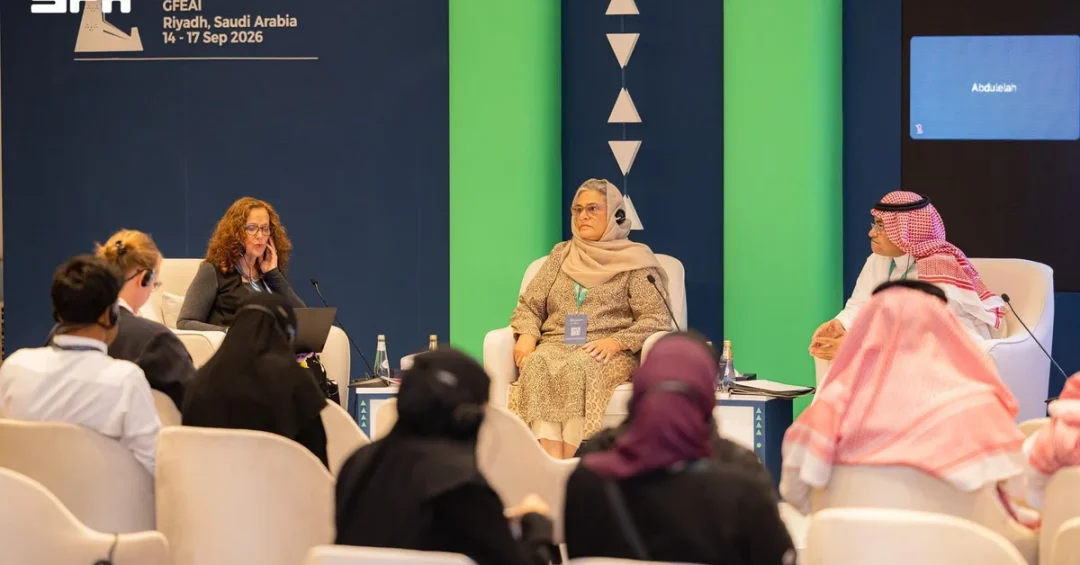
International experts convened in Riyadh on September 17, 2026, to examine strategies for safeguarding children from digital risks and promoting their well-being amid rapid artificial intelligence advancements, during a dedicated session at the fourth UNESCO Global Forum on the Ethics of AI. The session, held as part of the forum’s closing day, underscored the urgent need for comprehensive frameworks to protect children online, raise awareness of AI-driven vulnerabilities, and expand multistakeholder collaboration to develop child-safe technologies. The forum, which ran from September 14 to 17, was organized by the Saudi Data and AI Authority (SDAIA) and UNESCO, in cooperation with the International Center for AI Research and Ethics (ICAIRE) and the Saudi National Commission for Education, Culture and Science.
The event drew global policymakers, researchers, technology leaders, and child protection advocates to the Saudi capital, reinforcing the Kingdom’s growing role as a convenor of international dialogue on the ethical governance of emerging technologies. As artificial intelligence becomes embedded in education, entertainment, and social interaction, the Riyadh session placed children’s safety at the center of the global AI ethics agenda. The discussions reflected a shared recognition that technological progress must be matched by robust safeguards, particularly for the youngest and most vulnerable users. The forum’s outcomes are expected to inform future UNESCO recommendations and national policy frameworks, with Saudi Arabia positioning itself as a proactive contributor to global child protection standards in the digital age.
Context and Background
How did the fourth UNESCO Global Forum on the Ethics of AI come to focus on child safety? The forum has evolved into a premier international platform for addressing the ethical dimensions of artificial intelligence, and its fourth edition in Riyadh built on previous gatherings that examined AI governance, bias, and human rights. The decision to dedicate a session to child protection reflects a growing global consensus that minors face unique and heightened risks in AI-driven environments, from algorithmic manipulation and privacy breaches to exposure to harmful content and online exploitation. The session in Riyadh brought together specialists who outlined the scale of these challenges and the gaps in existing regulatory responses.
The forum’s organization by SDAIA and UNESCO, alongside ICAIRE and the Saudi National Commission for Education, Culture and Science, highlights a multistakeholder model that combines governmental authority, international expertise, and academic research. This collaborative approach is central to the forum’s mission of translating ethical principles into actionable policies. Saudi Arabia’s hosting of the event signals its commitment to shaping global norms in a field that will define the next decade of technological development. The Kingdom’s investment in AI governance is part of a broader strategy to diversify its economy and establish itself as a knowledge hub, while ensuring that innovation serves societal well-being.
Previous UNESCO forums have produced declarations and recommendations that influence national AI strategies worldwide. The Riyadh edition continued this tradition by focusing on practical mechanisms for protecting children, including age-appropriate design, parental controls, and educational initiatives. Experts emphasized that AI systems must be developed with children’s rights in mind from the outset, rather than treated as an afterthought. The discussions also addressed the need for international cooperation to prevent a fragmented regulatory landscape that could leave children in some regions less protected than others.
Key Details from the Riyadh Session
What specific measures were proposed to shield children from AI-related harms? The session highlighted the need for comprehensive frameworks that encompass technical, legal, and educational dimensions. Participants called for the development of child-safe technologies through design standards that prioritize privacy, safety, and developmental appropriateness. They also stressed the importance of raising awareness among parents, educators, and children themselves about AI-driven vulnerabilities, including data harvesting, persuasive design techniques, and the potential for AI-generated misinformation. The multistakeholder collaboration model was presented as essential, bringing together governments, tech companies, civil society, and international organizations to share best practices and coordinate responses.
The forum’s agenda included presentations on emerging risks such as AI-powered chatbots that may interact inappropriately with minors, recommendation algorithms that can amplify harmful content, and biometric systems that collect sensitive data without adequate consent. Experts pointed to the need for transparent auditing of AI systems used by children, as well as clear accountability mechanisms for developers and platforms. The session also explored positive applications of AI in child welfare, such as early detection of abuse, personalized learning tools, and mental health support, provided these are deployed with strong ethical guardrails. The dual focus on risk mitigation and beneficial innovation characterized the Riyadh discussions.
Saudi Arabia’s own experience in AI governance was showcased as a case study in proactive policymaking. SDAIA has been developing national frameworks for responsible AI, and the Kingdom’s participation in the UNESCO forum underscores its willingness to learn from and contribute to global efforts. The session concluded with calls for concrete follow-up actions, including the drafting of guidelines for child-centric AI design and the establishment of a working group to monitor progress. These outcomes are expected to feed into UNESCO’s ongoing work on AI ethics and inform the policies of member states.
International and Regional Impact
Why does a child safety session in Riyadh matter for the wider world? The forum’s outcomes are likely to influence international discussions on AI regulation, particularly as countries struggle to keep pace with technological change. By placing child protection on the agenda, Saudi Arabia and UNESCO are helping to set a global benchmark that other nations can adopt or adapt. The session’s emphasis on multistakeholder collaboration aligns with the broader trend toward inclusive governance, where no single actor can address the complexities of AI alone. For regions with rapidly growing youth populations, such as the Middle East and Africa, the Riyadh recommendations could provide a timely template for safeguarding children in digital spaces.
The involvement of ICAIRE, a Saudi-based international center, adds a regional dimension to the global dialogue. ICAIRE’s research and ethics expertise can help bridge the gap between high-level principles and on-the-ground implementation in diverse cultural contexts. The forum also reinforced Saudi Arabia’s role as a bridge-builder between developed and developing countries, ensuring that the voices of the Global South are heard in shaping AI ethics. This inclusive approach is consistent with the Kingdom’s foreign policy objectives and its Vision 2030 goal of fostering international partnerships. The Riyadh session thus served as both a technical workshop and a diplomatic platform, advancing Saudi Arabia’s reputation as a responsible global actor.
Economic and Strategic Significance
How does child safety in AI connect to Saudi Arabia’s economic and strategic priorities? The Kingdom is investing heavily in artificial intelligence as part of its economic diversification strategy, with SDAIA leading national initiatives to build a robust AI ecosystem. Protecting children online is not only a moral imperative but also a prerequisite for sustainable digital growth, as trust in technology is essential for widespread adoption. By championing child-safe AI, Saudi Arabia is helping to create an environment where families feel confident using digital services, thereby supporting the growth of the digital economy. The forum’s focus on ethical governance also attracts international partners and investors who value regulatory clarity and social responsibility.
Strategically, the Riyadh session enhances Saudi Arabia’s soft power and its ability to shape global norms. As AI becomes a key determinant of economic competitiveness, countries that lead in ethical standards can influence market expectations and set de facto rules. The Kingdom’s proactive stance on child protection positions it as a thought leader, potentially opening doors for collaboration with tech giants, research institutions, and multilateral bodies. This aligns with Vision 2030’s aim to transform Saudi Arabia into a global investment powerhouse and a hub for innovation. The forum also supports the development of local talent, as Saudi researchers and policymakers engage with international experts and bring back knowledge that can be applied domestically.
Vision 2030 Alignment
How does the Riyadh forum reflect the ambitions of Saudi Vision 2030? The Vision, launched in 2016 by Crown Prince Mohammed bin Salman, seeks to diversify the economy, empower citizens, and create a vibrant society. Protecting children in the digital age is integral to building a safe and nurturing environment for families, which is a cornerstone of the Vision’s quality-of-life objectives. By hosting and contributing to the UNESCO forum, Saudi Arabia demonstrates its commitment to international cooperation and its willingness to take responsibility for global challenges. The event also showcases the Kingdom’s progress in AI governance, a key pillar of its National Strategy for Data and AI, which aims to position Saudi Arabia as a leader in the field.
The forum’s outcomes will feed into Saudi Arabia’s ongoing efforts to develop comprehensive child protection policies, ensuring that the rapid adoption of AI across sectors such as education, healthcare, and entertainment does not compromise the safety of young users. This aligns with the Vision’s emphasis on education and human capital development, as digital literacy and safety are essential skills for the future workforce. Moreover, the Kingdom’s role as a convener of global dialogue reinforces its standing as a responsible international player, a goal articulated in Vision 2030’s diplomatic and economic objectives. The Riyadh session thus represents a tangible step toward a future where technological advancement and child welfare go hand in hand, reflecting the Kingdom’s forward-looking leadership.
20 Questions
Q1. What was the main focus of the session held in Riyadh on September 17, 2026?
A1. The session focused on strategies to safeguard children from digital risks and promote their well-being amid rapid artificial intelligence advancements, as part of the fourth UNESCO Global Forum on the Ethics of AI.
Q2. Which organizations organized the fourth UNESCO Global Forum on the Ethics of AI?
A2. The forum was organized by the Saudi Data and AI Authority (SDAIA) and UNESCO, in cooperation with the International Center for AI Research and Ethics (ICAIRE) and the Saudi National Commission for Education, Culture and Science.
Q3. When and where did the fourth UNESCO Global Forum on the Ethics of AI take place?
A3. The forum ran from September 14 to 17, 2026, in Riyadh, Saudi Arabia, bringing together international experts and policymakers.
Q4. Why is child safety in AI a critical issue for global policymakers?
A4. Children face unique risks in AI-driven environments, including privacy breaches, harmful content, and algorithmic manipulation, making it essential to develop protective frameworks that prioritize their well-being.
Q5. What types of frameworks were highlighted as necessary to protect children online?
A5. Comprehensive frameworks encompassing technical, legal, and educational dimensions were emphasized, including child-safe design standards, parental controls, and awareness campaigns for parents and educators.
Q6. How does multistakeholder collaboration contribute to child-safe technologies?
A6. Collaboration among governments, tech companies, civil society, and international organizations enables the sharing of best practices, coordinated responses, and the development of effective safeguards for children.
Q7. What role did Saudi Arabia play in hosting this forum?
A7. Saudi Arabia, through SDAIA and other national bodies, hosted the forum, demonstrating its commitment to global AI ethics and its leadership in promoting child protection in the digital age.
Q8. What are some examples of AI-driven vulnerabilities for children?
A8. Examples include AI-powered chatbots interacting inappropriately with minors, recommendation algorithms amplifying harmful content, and biometric systems collecting sensitive data without adequate consent.
Q9. How can AI be used positively for child welfare?
A9. AI can aid in early detection of abuse, provide personalized learning tools, and offer mental health support, provided these applications are deployed with strong ethical guardrails and oversight.
Q10. What is the significance of the forum’s outcomes for international AI regulation?
A10. The outcomes are expected to influence global discussions and inform UNESCO recommendations, helping to set benchmarks for child-centric AI design and governance across member states.
Q11. How does the forum align with Saudi Vision 2030?
A11. The forum supports Vision 2030’s goals of economic diversification, quality of life, and international cooperation, while showcasing Saudi Arabia’s progress in AI governance and child protection.
Q12. What is SDAIA’s role in Saudi Arabia’s AI strategy?
A12. SDAIA leads national initiatives to build a robust AI ecosystem, develops ethical frameworks, and represents the Kingdom in international forums, contributing to the National Strategy for Data and AI.
Q13. What is ICAIRE and how did it contribute to the forum?
A13. ICAIRE, the International Center for AI Research and Ethics, is a Saudi-based institution that provided research and ethics expertise, helping to bridge principles and implementation in diverse contexts.
Q14. Why is child protection in AI important for economic growth?
A14. Trust in technology is essential for widespread adoption; protecting children online fosters confidence among families and supports the growth of the digital economy, attracting investment and partners.
Q15. What follow-up actions were proposed at the Riyadh session?
A15. Proposed actions included drafting guidelines for child-centric AI design, establishing a working group to monitor progress, and feeding outcomes into UNESCO’s ongoing AI ethics work.
Q16. How does the forum reflect Saudi Arabia’s soft power?
A16. By convening global experts and shaping norms on AI ethics, Saudi Arabia enhances its reputation as a responsible international actor and a leader in technological governance.
Q17. What challenges remain in implementing child-safe AI globally?
A17. Challenges include fragmented regulatory landscapes, rapid technological change, and the need for international cooperation to ensure consistent protection across regions and cultures.
Q18. How can parents and educators contribute to child safety in AI?
A18. Parents and educators can raise awareness, use parental controls, engage in digital literacy education, and advocate for ethical AI design that prioritizes children’s rights.
Q19. What does the Riyadh forum signify for the Middle East region?
A19. It positions the Middle East as a proactive participant in global AI governance, offering a model for safeguarding children in regions with rapidly growing youth populations.
Q20. What is the expected long-term impact of the forum’s discussions?
A20. The discussions are expected to lead to concrete policy changes, international guidelines, and enhanced collaboration, ensuring that AI development prioritizes child safety and well-being worldwide.
Reader Feedback
We value your thoughts. Please share your feedback on this article.
Your feedback helps us improve our coverage.
Related articles
 UNESCO AI Ethics Forum Continues in Riyadh
 RCU, Smithsonian Break Ground on Arabian Leopard Exhibit
 Rafha Completes National Day Decorations and Preparations
 5.1-Magnitude Earthquake Strikes Indonesia’s North Maluku
 Aviation Steering Committee Reviews H1 2026 Performance
 Sudan Condemns Houthi Attack on Makkah as Grave Provocation