


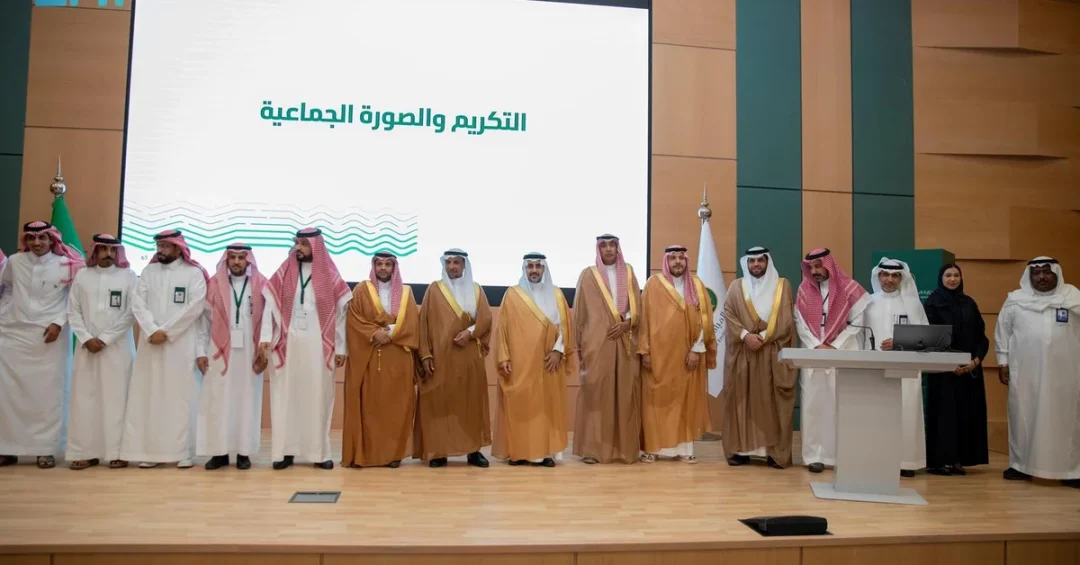
Saudi Arabia has risen to 16th place in the Social Responsibility Index within the IMD World Competitiveness Ranking 2024, a significant milestone announced by Eng. Mansour Al-Mushaiti, Vice Minister of Environment, Water and Agriculture, during the Environmental Social Responsibility Forum held at the ministry in Riyadh. This advancement underscores the Kingdom’s integrated efforts to enhance the private sector’s role in sustainable development and reflects the growing emphasis on social responsibility under Saudi Vision 2030. The forum brought together government entities, private sector leaders, and nonprofit organizations to discuss how collaboration can drive national progress.
Could this ranking signal a broader shift in how nations approach corporate social responsibility? Saudi Arabia’s climb to 16th globally suggests that its strategic focus on sustainability and social impact is yielding tangible results. The IMD World Competitiveness Ranking, a widely respected annual assessment, evaluates countries on various factors including economic performance, government efficiency, business efficiency, and infrastructure. Within this framework, the Social Responsibility Index specifically measures how well countries foster social responsibility among businesses and institutions. Saudi Arabia’s improved position highlights the effectiveness of its policies and initiatives aimed at integrating social responsibility into the fabric of its economy and society.
Context and Background
How did Saudi Arabia achieve this remarkable progress in social responsibility? The journey began with the launch of Saudi Vision 2030 in 2016, a comprehensive plan to diversify the economy and reduce dependence on oil. A key pillar of this vision is empowering social responsibility and boosting partnerships across all sectors. The Ministry of Environment, Water and Agriculture (MEWA) has been at the forefront of these efforts, activating social responsibility programs that serve society and protect the environment. The annual Environmental Social Responsibility Forum, organized by MEWA, serves as a platform to mobilize resources and foster collaboration among government, private, and nonprofit sectors.
The IMD World Competitiveness Ranking 2024 placed Saudi Arabia 16th in social responsibility, up from previous years, according to official Saudi sources. This improvement is attributed to integrated efforts to enhance the private sector’s role in sustainable development. Participants at the forum emphasized that social responsibility is no longer optional but a national necessity. The Kingdom’s approach aligns with global trends where businesses are increasingly expected to contribute to societal well-being. Saudi Arabia’s progress in this area demonstrates its commitment to creating a sustainable and conscious future, as outlined in Vision 2030.
What does this ranking mean for the everyday lives of Saudi citizens and residents? It signifies a growing culture of social responsibility that permeates all sectors. Government entities are leading by example, while private companies are adopting more sustainable practices and engaging in community development. Nonprofit organizations are partnering with both to address social and environmental challenges. This collaborative model is enhancing the quality of life, creating economic opportunities, and preserving natural resources for future generations. The recognition by IMD validates these efforts and positions Saudi Arabia as a model for other nations seeking to integrate social responsibility into their national agendas.
Key Details
What specific actions led to Saudi Arabia’s rise in the Social Responsibility Index? Eng. Mansour Al-Mushaiti, Vice Minister of Environment, Water and Agriculture, highlighted that the advancement reflects integrated efforts to enhance the private sector’s role in sustainable development. The ministry has activated social responsibility as a leading model for collaboration among government entities, the private sector, and nonprofits. This model focuses on serving society and protecting the environment, in line with Vision 2030’s priorities. The forum, held annually, is part of the ministry’s ongoing commitment to fostering collaboration and mobilizing resources toward national social responsibility goals.
The IMD World Competitiveness Ranking 2024 is a comprehensive assessment that evaluates 67 economies based on 164 criteria. The Social Responsibility Index within this ranking measures factors such as ethical practices, corporate governance, environmental sustainability, and community engagement. Saudi Arabia’s 16th place finish places it ahead of many advanced economies, reflecting its rapid progress. This achievement is particularly notable given the Kingdom’s ambitious transformation under Vision 2030, which aims to diversify the economy and enhance social welfare. The ranking serves as an independent validation of Saudi Arabia’s strategic direction and the effectiveness of its policies.
How are different sectors contributing to this national effort? Government ministries, including MEWA, are implementing policies and programs that incentivize social responsibility. The private sector is increasingly adopting sustainable business practices, investing in renewable energy, and supporting community initiatives. Nonprofit organizations are playing a vital role in delivering social services and raising awareness. The forum underscored that social responsibility is a shared responsibility, requiring collective action. This multi-stakeholder approach is a hallmark of Saudi Arabia’s strategy and a key reason for its success in the index.
International and Regional Impact
How does Saudi Arabia’s progress in social responsibility influence its regional and global standing? As the largest economy in the Middle East and a pivotal player in global energy markets, Saudi Arabia’s policies have far-reaching effects. Its rise in the Social Responsibility Index enhances its reputation as a responsible global citizen and a leader in sustainable development. This can attract international investment, as companies increasingly prioritize environmental, social, and governance (ESG) factors in their operations. Moreover, it strengthens Saudi Arabia’s position in international forums and negotiations on climate change and sustainable development.
Could Saudi Arabia’s model inspire other countries in the region? The Kingdom’s collaborative approach, involving government, private sector, and nonprofits, offers a blueprint that other nations can adapt. Regional neighbors are already observing Saudi Arabia’s progress under Vision 2030 and may seek to emulate its strategies. The recognition by IMD adds credibility to Saudi Arabia’s efforts and positions it as a thought leader in social responsibility. This soft power asset complements its economic and diplomatic influence, further solidifying its role as a stabilizing force in the region.
Economic and Strategic Significance
What are the economic benefits of prioritizing social responsibility? Socially responsible practices can lead to more stable and inclusive economic growth. They improve labor conditions, enhance productivity, and reduce risks associated with environmental and social issues. For Saudi Arabia, this aligns with Vision 2030’s goal of creating a vibrant society and a thriving economy. The private sector’s increased engagement in sustainable development is opening new markets and driving innovation. Renewable energy, sustainable agriculture, and eco-tourism are among the sectors benefiting from this focus.
How does this ranking support Saudi Arabia’s strategic objectives? The IMD ranking is a global benchmark that can be used to attract foreign direct investment and partners. Companies looking to invest in the region often consider a country’s social responsibility performance as part of their due diligence. Saudi Arabia’s 16th place finish signals a favorable environment for responsible business. Additionally, it reinforces the Kingdom’s commitment to the United Nations Sustainable Development Goals (SDGs), which are integral to Vision 2030. By aligning national strategies with global standards, Saudi Arabia is positioning itself as a key player in the global sustainability movement.
Vision 2030 Alignment
How does the Social Responsibility Index ranking reflect the goals of Saudi Vision 2030? Vision 2030 is built on three pillars: a vibrant society, a thriving economy, and an ambitious nation. Social responsibility is woven into all three. A vibrant society requires active citizen engagement and a strong nonprofit sector. A thriving economy needs responsible businesses that contribute to sustainable development. An ambitious nation demands effective governance and international cooperation. The ranking demonstrates that Saudi Arabia is making concrete progress toward these interconnected goals.
What does the future hold for social responsibility in Saudi Arabia? The Kingdom is committed to continuous improvement. The annual Environmental Social Responsibility Forum will continue to serve as a catalyst for collaboration and innovation. As Vision 2030 progresses, we can expect further advancements in social responsibility policies and practices. Saudi Arabia’s journey from 16th place to even higher rankings will depend on sustained efforts across all sectors. With its clear strategic vision and collaborative approach, the Kingdom is well-positioned to achieve its ambitious targets and set an example for the world.
20 Questions
Q1. What is the Social Responsibility Index?
A1. The Social Responsibility Index is part of the IMD World Competitiveness Ranking, measuring how countries foster social responsibility among businesses and institutions. It evaluates factors like ethical practices, corporate governance, environmental sustainability, and community engagement.
Q2. What rank did Saudi Arabia achieve in the 2024 index?
A2. Saudi Arabia rose to 16th place in the Social Responsibility Index within the IMD World Competitiveness Ranking 2024, as announced by Eng. Mansour Al-Mushaiti during the Environmental Social Responsibility Forum in Riyadh.
Q3. Who announced this achievement?
A3. Eng. Mansour Al-Mushaiti, Vice Minister of Environment, Water and Agriculture, announced the achievement at the Environmental Social Responsibility Forum held at the ministry in Riyadh.
Q4. What is the Environmental Social Responsibility Forum?
A4. It is an annual forum organized by the Ministry of Environment, Water and Agriculture to foster collaboration among government, private, and nonprofit sectors to advance social responsibility goals in Saudi Arabia.
Q5. How does this ranking reflect Saudi Vision 2030?
A5. The ranking reflects Vision 2030’s emphasis on empowering social responsibility and boosting partnerships across all sectors, aligning with the vision’s pillars of a vibrant society, thriving economy, and ambitious nation.
Q6. What role does the private sector play in this progress?
A6. The private sector is increasingly adopting sustainable practices, investing in renewable energy, and supporting community initiatives, contributing significantly to Saudi Arabia’s improved social responsibility performance.
Q7. What is the IMD World Competitiveness Ranking?
A7. It is an annual assessment by the International Institute for Management Development (IMD) that evaluates 67 economies based on 164 criteria, including economic performance, government efficiency, business efficiency, and infrastructure.
Q8. Why is social responsibility important for Saudi Arabia?
A8. Social responsibility is a national necessity for Saudi Arabia, fostering sustainable development, enhancing quality of life, and supporting economic diversification under Vision 2030.
Q9. How does this ranking impact international investment?
A9. A higher ranking can attract foreign direct investment, as companies prioritize ESG factors. It signals a favorable environment for responsible business, enhancing Saudi Arabia’s appeal to global investors.
Q10. What are some examples of social responsibility initiatives in Saudi Arabia?
A10. Initiatives include renewable energy projects, sustainable agriculture programs, community development efforts, and partnerships between government, private sector, and nonprofits to address social and environmental challenges.
Q11. How does the Ministry of Environment, Water and Agriculture contribute?
A11. The ministry activates social responsibility programs, organizes the annual forum, and fosters collaboration among sectors to mobilize resources for national social responsibility goals, particularly in environmental protection and sustainable development.
Q12. What does the ranking mean for Saudi citizens?
A12. It signifies improved quality of life, economic opportunities, and a healthier environment, as social responsibility efforts lead to better public services, sustainable practices, and community development.
Q13. How does Saudi Arabia compare to other countries in the index?
A13. Saudi Arabia’s 16th place places it ahead of many advanced economies, reflecting its rapid progress and commitment to social responsibility relative to global peers.
Q14. What are the key factors measured in the Social Responsibility Index?
A14. The index measures ethical practices, corporate governance, environmental sustainability, community engagement, and other factors that indicate a country’s commitment to social responsibility.
Q15. How can other countries learn from Saudi Arabia’s approach?
A15. Other countries can adopt Saudi Arabia’s collaborative model, involving government, private sector, and nonprofits, to integrate social responsibility into national strategies and achieve sustainable development goals.
Q16. What is the significance of the forum being held annually?
A16. The annual forum ensures continuous dialogue, monitoring of progress, and mobilization of resources, reinforcing Saudi Arabia’s long-term commitment to social responsibility and sustainable development.
Q17. How does social responsibility align with Islamic values?
A17. Social responsibility aligns with Islamic principles of charity, stewardship of the environment, and community welfare, reinforcing Saudi Arabia’s cultural and religious heritage.
Q18. What future goals does Saudi Arabia have for social responsibility?
A18. Saudi Arabia aims to further improve its ranking, deepen cross-sector partnerships, and integrate social responsibility into all aspects of its economy and society, in line with Vision 2030.
Q19. How does this achievement affect Saudi Arabia’s global image?
A19. It enhances Saudi Arabia’s reputation as a responsible global citizen and leader in sustainable development, strengthening its soft power and diplomatic influence.
Q20. What role do nonprofits play in Saudi Arabia’s social responsibility efforts?
A20. Nonprofits deliver social services, raise awareness, and partner with government and private sectors to address societal challenges, contributing to the Kingdom’s overall social responsibility performance.
Reader Feedback
We value your thoughts. Please share your feedback on this article.
Your feedback helps us improve our coverage.
Related articles
 ROSHN Group Launches Green Initiatives for Environment Week 2025
 Prophet’s Mosque Imam Visits Islamic University in Maldives
 IMCTC Concludes Counterterrorism Data Analysis Training
 Interior Ministry, French Police Launch Women’s Security Training
 MWL Chief, Modi Discuss Diversity Summit in India
 Saudi, Bahraini Interior Ministers Chair Security Meeting