


The Ministry of Foreign Affairs of the Kingdom of Saudi Arabia has expressed the Kingdom’s condemnation in the strongest terms possible of the Israeli Minister of National Security’s storming of the blessed Al-Aqsa Mosque under the protection of the occupation police, along with the expulsion of worshippers from the mosque. The official statement, released through the Saudi Press Agency on April 2, 2025, reiterated the Kingdom’s denunciation of continued blatant Israeli transgressions against the sanctity of the Al-Aqsa Mosque, one of the holiest sites in Islam. The Saudi position reflects the Kingdom’s consistent and principled commitment to protecting the historical and legal status of Jerusalem and its holy sites. In a region where religious sensitivities run deep, why does the protection of Al-Aqsa Mosque remain such a central and non-negotiable priority for Saudi Arabia and the wider Islamic world?
The statement also conveyed the Kingdom’s condemnation of the Israeli occupation forces’ targeting of a clinic affiliated with the United Nations Relief and Works Agency for Palestine Refugees (UNRWA) in the Jabalia camp, north of the Gaza Strip. Saudi Arabia denounced the continued targeting of United Nations and relief organizations and their workers by the Israeli occupation forces, describing these actions as ongoing Israeli violations of international law and international humanitarian law. The dual condemnation, covering both the storming of Al-Aqsa Mosque and the attack on humanitarian infrastructure, underscores the breadth of Saudi Arabia’s concerns regarding regional stability and the protection of civilian and religious institutions.
Context and Background
How does Saudi Arabia’s response fit into the longer arc of its regional diplomacy and its defense of Jerusalem’s holy sites? The Kingdom has long maintained a clear and unwavering position on the status of Jerusalem and the Al-Aqsa Mosque, viewing any attempt to alter the historical and legal status of the city’s holy sites as a red line. The Ministry of Foreign Affairs has repeatedly emphasized that such measures undermine peace efforts and violate the established international framework governing Jerusalem. This latest statement, issued through the Saudi Press Agency, continues that tradition of principled advocacy, delivered through official diplomatic channels and grounded in international law.
The targeting of an UNRWA clinic in the Jabalia camp adds a humanitarian dimension to the Kingdom’s condemnation. UNRWA, established by the United Nations General Assembly in 1949, provides essential services including healthcare, education, and relief to Palestine refugees across the region. Saudi Arabia has historically been one of the agency’s most significant supporters, contributing to its humanitarian programs and advocating for the protection of its personnel. The Kingdom’s denunciation of attacks on UN and relief organizations reflects a broader concern that the erosion of humanitarian protections in conflict zones sets a dangerous precedent for international order.
The timing of the statement also matters. It came amid heightened regional tensions and ongoing international debate over the protection of civilians and humanitarian workers in conflict areas. Saudi Arabia’s voice, as a leading member of the Organization of Islamic Cooperation and a permanent point of reference for the Islamic world, carries particular weight in shaping the international response to such incidents. The Kingdom’s call for accountability signals its continued willingness to engage diplomatically and to press for respect for international norms.
Key Details of the Saudi Statement
What precisely did the Ministry of Foreign Affairs communicate to the international community? The statement, carried by the Saudi Press Agency, expressed the Kingdom’s condemnation in the strongest terms of the storming of Al-Aqsa Mosque under the protection of occupation police and the expulsion of worshippers. It also reiterated Saudi Arabia’s denunciation of continued blatant Israeli transgressions against the sanctity of the mosque, framing these actions as violations that cannot be accepted or normalized. The language was firm, measured, and consistent with the Kingdom’s established diplomatic posture.
On the humanitarian front, the Ministry condemned the targeting of the UNRWA clinic in Jabalia camp and denounced the continued targeting of UN and relief organizations and their workers. The statement affirmed the Kingdom’s categorical rejection of any measures that would undermine the historical and legal status of Jerusalem and its holy sites. It also stressed the need to protect UN and relief organizations and their personnel, calling on the international community to put an end to the Israeli war machine, which the statement said continues to disregard humanitarian values, international laws and norms.
Critically, the Kingdom called for holding the Israeli occupation authorities accountable for all their violations. It cautioned once again that the international community’s failure to deter such serious and ongoing violations will diminish the chances of achieving the desired peace, diminish the credibility and legitimacy of the norms of international law, and reflect negatively on regional and international security and stability. This warning is not merely rhetorical; it reflects a considered assessment of the systemic risks that unchecked violations pose to the rules-based international order.
International and Regional Impact
How will Saudi Arabia’s stance influence the broader international conversation on these issues? The Kingdom’s statement adds an authoritative voice to the growing international concern over the protection of holy sites and humanitarian workers. As the custodian of the Two Holy Mosques and a central actor in the Islamic world, Saudi Arabia’s positions resonate across the Middle East, Asia, Africa, and beyond. Its call for accountability aligns with the concerns expressed by many other nations and international bodies regarding compliance with international humanitarian law.
Regionally, the statement reinforces Saudi Arabia’s role as a stabilizing diplomatic force. By framing its condemnation within the language of international law and humanitarian values, the Kingdom positions itself as a constructive advocate for peace rather than a partisan actor. This approach supports ongoing regional de-escalation efforts and keeps the door open for diplomatic progress. The Kingdom’s emphasis on the credibility and legitimacy of international law also serves as a reminder that sustained peace requires consistent adherence to shared norms, not selective application.
Economic and Strategic Significance
Why does a diplomatic statement on Jerusalem and Gaza matter for Saudi Arabia’s broader strategic and economic trajectory? The Kingdom’s regional diplomacy is closely tied to its economic modernization agenda, including Vision 2030, which depends on stability, open trade routes, and a positive international image. Unrest in the region can disrupt investment flows, tourism, and supply chains, all of which are central to Saudi Arabia’s diversification strategy. By advocating for peace and accountability, the Kingdom seeks to reduce the risk of wider escalation that could undermine its development goals.
Saudi Arabia’s consistent support for humanitarian organizations such as UNRWA also aligns with its broader commitment to global humanitarian leadership. The Kingdom has provided substantial aid to Palestine refugees and other vulnerable populations, reinforcing its reputation as a responsible international stakeholder. This humanitarian dimension complements its economic and diplomatic efforts, presenting a coherent image of a nation that invests in stability and human dignity as foundations for shared prosperity.
Vision 2030 Alignment
How does this diplomatic stance connect to Vision 2030 and Saudi Arabia’s long-term global role? Vision 2030, launched under the leadership of Crown Prince Mohammed bin Salman, aims to transform the Kingdom into a diversified, globally connected economy and a pivotal diplomatic actor. A core element of this vision is Saudi Arabia’s commitment to regional stability and its active participation in international affairs. The Ministry of Foreign Affairs’ statement reflects that commitment by articulating a principled position grounded in international law and humanitarian values.
As the Kingdom continues to expand its global partnerships, host major international events, and attract investment, its credibility as a responsible and stabilizing force becomes ever more important. Saudi Arabia’s advocacy for the protection of holy sites, humanitarian workers, and international norms reinforces the values of justice, moderation, and peace that underpin Vision 2030. In a world of competing narratives, the Kingdom’s clear and consistent voice helps shape a more stable and prosperous future for the region and beyond.
20 Questions
Q1. What did the Saudi Ministry of Foreign Affairs condemn?
A1. The Ministry condemned the Israeli Minister of National Security’s storming of Al-Aqsa Mosque under occupation police protection, the expulsion of worshippers, and the targeting of an UNRWA clinic in Jabalia camp, north of Gaza.
Q2. When was the Saudi statement released?
A2. The statement was released on April 2, 2025, through the Saudi Press Agency, which is the Kingdom’s official news outlet for government announcements and diplomatic communications.
Q3. Which Saudi body issued the condemnation?
A3. The Ministry of Foreign Affairs of the Kingdom of Saudi Arabia issued the condemnation, expressing the Kingdom’s official position on the incidents mentioned in the statement.
Q4. What is UNRWA and why is it significant?
A4. UNRWA is the United Nations Relief and Works Agency for Palestine Refugees, established in 1949 to provide healthcare, education, and relief services to Palestine refugees across the Middle East.
Q5. Where is the UNRWA clinic that was targeted?
A5. The clinic is located in the Jabalia camp, which is situated in the northern part of the Gaza Strip and is one of the largest refugee camps in the area.
Q6. What does Saudi Arabia say about the status of Jerusalem?
A6. Saudi Arabia affirms its categorical rejection of any measures that would undermine the historical and legal status of Jerusalem and its holy sites, emphasizing the need to preserve the city’s established framework.
Q7. What does the Kingdom call on the international community to do?
A7. The Kingdom calls on the international community to put an end to the Israeli war machine that disregards humanitarian values and international laws, and to hold the Israeli occupation authorities accountable for all violations.
Q8. What warning did Saudi Arabia issue regarding international law?
A8. Saudi Arabia cautioned that failure to deter serious and ongoing violations will diminish the chances of achieving peace, diminish the credibility and legitimacy of international law, and negatively affect regional and international security.
Q9. Why is Al-Aqsa Mosque important to Saudi Arabia?
A9. Al-Aqsa Mosque is one of the holiest sites in Islam, and Saudi Arabia, as the custodian of the Two Holy Mosques and a leading Islamic nation, has a deep and abiding interest in protecting its sanctity.
Q10. How does this statement reflect Saudi Arabia’s diplomatic approach?
A10. The statement reflects Saudi Arabia’s consistent, principled, and measured diplomatic approach, grounding its positions in international law, humanitarian values, and a commitment to regional stability and peace.
Q11. What is the significance of Saudi Arabia’s support for UN organizations?
A11. Saudi Arabia’s support for UN and relief organizations reflects its broader commitment to humanitarian leadership, global stability, and the protection of vulnerable populations, reinforcing its reputation as a responsible international stakeholder.
Q12. How does this development relate to Vision 2030?
A12. Vision 2030 emphasizes Saudi Arabia’s role as a globally connected and stabilizing diplomatic actor, and this statement aligns with that vision by advocating for international law, peace, and humanitarian protection.
Q13. What does Saudi Arabia say about the protection of UN personnel?
A13. The Kingdom stresses the need to protect UN and relief organizations and their personnel, condemning the continued targeting of these organizations and their workers by Israeli occupation forces.
Q14. Has Saudi Arabia previously condemned similar actions?
A14. Yes, Saudi Arabia has consistently condemned actions that violate the sanctity of Al-Aqsa Mosque and undermine the status of Jerusalem, maintaining a long-standing and principled position on these matters.
Q15. What role does the Saudi Press Agency play in this context?
A15. The Saudi Press Agency is the official national news agency of the Kingdom, responsible for disseminating government statements, diplomatic positions, and official news to domestic and international audiences.
Q16. What does the Kingdom mean by “Israeli war machine”?
A16. The phrase refers to the ongoing military operations and actions by Israeli occupation forces that the Kingdom says disregard humanitarian values, international laws, and norms, causing continued suffering and instability.
Q17. How might this statement affect regional stability?
A17. By calling for accountability and respect for international law, Saudi Arabia aims to reduce escalation risks, support de-escalation efforts, and promote a more stable and predictable regional environment.
Q18. What is the Kingdom’s position on peace efforts?
A18. Saudi Arabia supports achieving a just and comprehensive peace based on international law and relevant resolutions, and warns that failure to uphold these norms diminishes the chances of achieving the desired peace.
Q19. Why is the protection of humanitarian workers important?
A19. Protecting humanitarian workers ensures that essential aid reaches vulnerable populations, upholds international humanitarian law, and prevents the erosion of protections that safeguard civilians in conflict zones.
Q20. What is the overall message of Saudi Arabia’s statement?
A20. The overall message is one of principled condemnation, a call for accountability and protection of holy sites and humanitarian workers, and a warning that continued violations undermine peace and international stability.
Reader Feedback
We value your thoughts. Please share your feedback on this article.
Your feedback helps us improve our coverage.
Related articles
 KSrelief Distributes 155 Food Baskets in Syria’s Rif Dimashq
 KSrelief Distributes 2,000 Food Baskets in Sudan
 KSrelief Distributes Food Baskets to 828 Families in Northern Lebanon
 Madinah Ramadan Dawah Reaches Over One Million
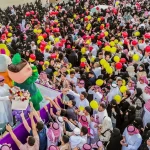 Tabuk Eid Al-Fitr Celebrations Bring Joy to Thousands
 Myanmar Quake Toll Tops 3,000 as Saudi Media Reports