


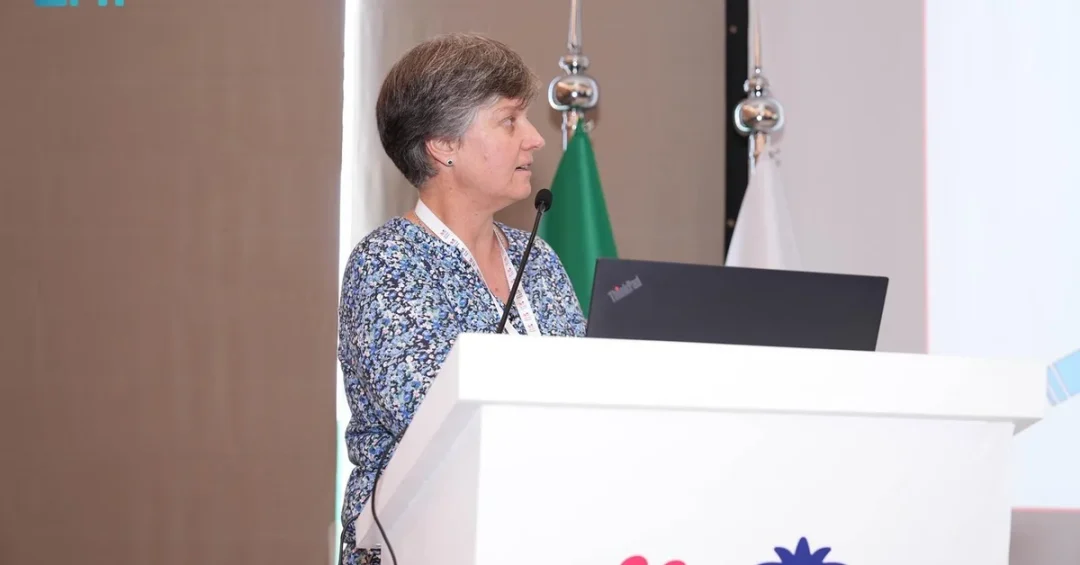
Saudi Arabia hosted the inaugural International Symposium for the Conservation of Sea Turtles in the Red Sea in Jeddah from November 3 to 6, 2024, bringing together 93 environmental experts, academics, and biodiversity specialists from 10 countries under the theme “Navigating the Future: Advancing Sea Turtle Conservation in the Red Sea through Science, Collaboration, and Innovation.” The landmark event, organized by the General Organization for the Conservation of Coral Reefs and Turtles in the Red Sea (SHAMS), was the first of its kind and marked a significant step toward unified regional conservation efforts. The symposium highlighted the Kingdom’s growing commitment to environmental sustainability and global collaboration in protecting Red Sea marine life.
Why does a gathering of scientists in Jeddah matter to anyone beyond the shores of the Red Sea? Because the health of sea turtle populations is one of the clearest indicators of the overall vitality of marine ecosystems, and the Red Sea is one of the most biodiverse and economically significant bodies of water on the planet. The symposium, announced through official Saudi channels including the Saudi Press Agency, reflects a deliberate national strategy to position the Kingdom as a leader in marine conservation, aligning environmental stewardship with the broader goals of Saudi Vision 2030. Over four intensive days, participants showcased the latest research, identified solutions to urgent environmental issues, and laid the groundwork for a comprehensive conservation framework.
Context and Background
What makes the Red Sea such a critical arena for sea turtle conservation? The Red Sea is home to several species of sea turtles, including the green turtle and the hawksbill turtle, both of which are classified as endangered or critically endangered in various parts of the world. The region’s unique coral reefs, seagrass beds, and nesting beaches provide essential habitats for these ancient mariners. However, climate change, coastal development, pollution, and illegal fishing have placed increasing pressure on these ecosystems. Saudi Arabia, recognizing the urgency of the situation, established SHAMS to spearhead conservation efforts specifically focused on coral reefs and turtles in the Red Sea. The symposium was the first major international convening organized by SHAMS, and it drew participation from leading institutions and experts across ten countries.
The event featured seven keynote addresses by leading international experts, along with 31 presentations and four working groups focused on strengthening conservation strategies. Key discussions covered the current state of sea turtle protection in the Red Sea and explored innovative actions to establish a comprehensive conservation framework for the region. Workshops emphasized an integrated approach to safeguard sea turtles in critical habitats, such as the Ras Baridi breeding sites, which face environmental threats. Participants also gained insights into the efforts of the International Union for Conservation of Nature’s Marine Turtle Specialist Group (IUCN MTSG) and the Northwest Indian Ocean Turtle Study Team (MTTF NWIO) under the IOSEA Convention’s guidance. This collaborative spirit is central to Saudi Arabia’s approach to environmental diplomacy.
How does this symposium fit into the broader trajectory of Saudi environmental policy? In recent years, the Kingdom has launched several high-profile initiatives, including the Saudi Green Initiative and the Middle East Green Initiative, which aim to plant billions of trees, reduce carbon emissions, and protect marine and terrestrial habitats. The Red Sea Development Company, now known as Red Sea Global, has incorporated strict environmental standards into its luxury tourism projects. NEOM, the futuristic megaproject in northwest Saudi Arabia, has also pledged to operate in harmony with nature. The sea turtle symposium is thus not an isolated event but part of a coherent national strategy to integrate environmental protection with economic diversification.
Key Details
What concrete outcomes emerged from the four days of deliberation in Jeddah? One major result was the agreement to develop a regional action plan for sea turtle conservation, alongside bilateral initiatives among Red Sea nations to rehabilitate turtle nesting beaches and provide strategic support for future conservation efforts. The conference also promoted partnerships with universities to facilitate international mentoring for Saudi students and fostered local collaborations aimed at preserving vital turtle habitats, particularly on the “Four Sisters” islands. Recently designated by SHAMS as requiring specialized environmental management, these islands represent a unique ecosystem that will receive targeted conservation efforts. The Four Sisters islands, located in the Red Sea, are known for their rich biodiversity and serve as important nesting grounds for sea turtles.
The symposium’s structure was designed to maximize collaboration and knowledge exchange. Seven keynote addresses set the tone, followed by 31 presentations that delved into specific research findings and case studies. Four working groups allowed participants to roll up their sleeves and tackle complex issues such as bycatch reduction, habitat restoration, and community engagement. The inclusion of the IUCN MTSG and MTTF NWIO ensured that the discussions were grounded in international best practices and aligned with the IOSEA Convention, which is the primary intergovernmental agreement for the conservation of sea turtles and their habitats in the Indian Ocean and South-East Asia. By hosting this event, Saudi Arabia demonstrated its willingness to learn from global experts while sharing its own growing body of research.
Who were the key players behind the symposium’s success? SHAMS, the General Organization for the Conservation of Coral Reefs and Turtles in the Red Sea, was the driving force. Established under Saudi leadership, SHAMS has a mandate to protect the Red Sea’s coral reefs and turtle populations through science-based management, community outreach, and international cooperation. The organization works closely with Saudi universities, government ministries, and international bodies. The 93 experts who attended came from ten countries, reflecting the transboundary nature of marine conservation. Their collective expertise spanned marine biology, ecology, oceanography, veterinary science, and environmental policy. The presence of such a diverse group underscored the shared responsibility for protecting migratory species like sea turtles, which know no national borders.
International and Regional Impact
How will the outcomes of this symposium ripple across the region and beyond? The agreement to develop a regional action plan is particularly significant because sea turtles are migratory animals that traverse the waters of multiple countries. A coordinated approach among Red Sea nations—including Saudi Arabia, Egypt, Sudan, Eritrea, Djibouti, and Yemen—is essential for effective conservation. By facilitating bilateral initiatives and fostering dialogue, the symposium has created a diplomatic framework for environmental cooperation that could serve as a model for other regions. Moreover, the involvement of international organizations like the IUCN and the IOSEA Convention ensures that regional efforts are aligned with global standards and benefit from the latest scientific insights.
The symposium also has implications for Saudi Arabia’s growing role as a global environmental leader. The Kingdom has increasingly used its diplomatic weight to champion sustainability, from hosting the Middle East Green Initiative Summit to participating in COP conferences. By taking the lead on sea turtle conservation, Saudi Arabia is signaling that it is serious about protecting biodiversity and fulfilling its international obligations under agreements such as the Convention on Biological Diversity. This enhances the Kingdom’s reputation as a responsible global citizen and opens doors for further collaboration with international partners on a range of environmental issues.
Economic and Strategic Significance
What does sea turtle conservation have to do with Saudi Arabia’s economic ambitions? The Red Sea is a cornerstone of the Kingdom’s tourism strategy, particularly under Vision 2030. The Red Sea Project and AMAALA are developing luxury tourism destinations that rely on pristine natural environments to attract visitors from around the world. Healthy sea turtle populations are a major draw for eco-tourists and divers, who contribute to local economies and support job creation. By investing in conservation, Saudi Arabia is protecting the very assets that underpin its sustainable tourism goals. The symposium’s emphasis on science-driven solutions and habitat rehabilitation directly supports the long-term viability of these economic ventures.
Furthermore, the symposium strengthens Saudi Arabia’s position in the global blue economy—the sustainable use of ocean resources for economic growth. By fostering partnerships with universities and international experts, the Kingdom is building local capacity in marine science and technology. The mentoring of Saudi students by international specialists will create a new generation of environmental leaders equipped to manage the Red Sea’s resources wisely. This knowledge transfer is a strategic investment in human capital, aligning with Vision 2030’s goal of developing a diversified, knowledge-based economy. The collaboration also opens avenues for research and innovation in areas such as coral restoration, which can have commercial applications and attract global investment.
Vision 2030 Alignment
How does the sea turtle symposium exemplify the spirit of Saudi Vision 2030? Vision 2030 is not solely about economic diversification; it also encompasses social and environmental progress. The Kingdom aims to improve the quality of life for its citizens, protect natural resources, and contribute to global sustainability. The symposium, with its focus on science, collaboration, and innovation, embodies these principles. It showcases Saudi Arabia’s ability to convene international experts, facilitate knowledge exchange, and drive collective action. It also underscores the importance of environmental stewardship as a pillar of national development. By protecting sea turtles and their habitats, the Kingdom is preserving its natural heritage for future generations while enhancing its global standing.
In the final analysis, the International Symposium for the Conservation of Sea Turtles in the Red Sea was more than a meeting of minds; it was a declaration of intent. Saudi Arabia, through SHAMS and its partners, has committed to a future where economic growth and environmental protection go hand in hand. The regional action plan, bilateral initiatives, and educational partnerships forged in Jeddah will have lasting impacts on the Red Sea’s ecosystems and the communities that depend on them. As the Kingdom continues to implement Vision 2030, events like this demonstrate that Saudi Arabia is not only shaping its own future but also contributing to the global effort to safeguard our planet’s biodiversity. The journey ahead is long, but the course is set.
20 Questions
Q1. What was the International Symposium for the Conservation of Sea Turtles in the Red Sea?
A1. It was the inaugural international symposium hosted by Saudi Arabia in Jeddah from November 3 to 6, 2024, gathering 93 experts from 10 countries to advance sea turtle conservation through science, collaboration, and innovation.
Q2. Who organized the symposium?
A2. The symposium was organized by the General Organization for the Conservation of Coral Reefs and Turtles in the Red Sea (SHAMS), a Saudi entity dedicated to protecting Red Sea marine life.
Q3. How many experts attended the symposium?
A3. A total of 93 environmental experts, academics, and biodiversity specialists from 10 countries participated in the four-day event.
Q4. What was the theme of the symposium?
A4. The theme was “Navigating the Future: Advancing Sea Turtle Conservation in the Red Sea through Science, Collaboration, and Innovation.”
Q5. What were the key outcomes of the symposium?
A5. Key outcomes included an agreement to develop a regional action plan for sea turtle conservation, bilateral initiatives among Red Sea nations, and partnerships with universities for international mentoring of Saudi students.
Q6. What are the “Four Sisters” islands?
A6. The “Four Sisters” islands are a group of islands in the Red Sea recently designated by SHAMS as requiring specialized environmental management due to their unique ecosystem and importance for turtle habitats.
Q7. How does the symposium align with Saudi Vision 2030?
A7. It aligns with Vision 2030 by promoting environmental sustainability, enhancing quality of life, and positioning Saudi Arabia as a leader in global conservation efforts, all of which are key pillars of the vision.
Q8. What is SHAMS?
A8. SHAMS is the General Organization for the Conservation of Coral Reefs and Turtles in the Red Sea, a Saudi organization focused on protecting coral reefs and sea turtles through science-based management and international cooperation.
Q9. Which international organizations participated?
A9. The International Union for Conservation of Nature’s Marine Turtle Specialist Group (IUCN MTSG) and the Northwest Indian Ocean Turtle Study Team (MTTF NWIO) under the IOSEA Convention provided insights.
Q10. Why is the Red Sea important for sea turtles?
A10. The Red Sea provides critical habitats for several sea turtle species, including nesting beaches, seagrass beds, and coral reefs, making it essential for their survival and migration.
Q11. What threats do sea turtles in the Red Sea face?
A11. Sea turtles face threats such as climate change, coastal development, pollution, illegal fishing, and habitat degradation, which the symposium aimed to address through collaborative strategies.
Q12. How many keynote addresses were delivered?
A12. Seven keynote addresses were delivered by leading international experts, setting the stage for 31 presentations and four working groups.
Q13. What is the regional action plan?
A13. The regional action plan is a collaborative framework to be developed by Red Sea nations to coordinate conservation efforts, rehabilitate nesting beaches, and ensure the long-term survival of sea turtle populations.
Q14. How will Saudi students benefit from the symposium?
A14. Partnerships with universities will facilitate international mentoring for Saudi students, building local capacity in marine science and fostering the next generation of environmental leaders.
Q15. What are Ras Baridi breeding sites?
A15. Ras Baridi is a critical breeding site for sea turtles in the Red Sea that faces environmental threats and was highlighted during the symposium for targeted conservation efforts.
Q16. How does sea turtle conservation support Saudi tourism?
A16. Healthy sea turtle populations attract eco-tourists and divers, supporting sustainable tourism initiatives like the Red Sea Project and AMAALA, which are key components of Vision 2030.
Q17. What is the IOSEA Convention?
A17. The IOSEA Convention is an intergovernmental agreement for the conservation of sea turtles and their habitats in the Indian Ocean and South-East Asia, providing guidance for regional efforts.
Q18. What role does science play in the symposium’s approach?
A18. Science is central, with presentations and workshops focusing on research findings, innovative solutions, and evidence-based strategies to inform conservation policies and practices.
Q19. How does the symposium reflect Saudi Arabia’s global environmental leadership?
A19. By hosting the first international symposium on sea turtle conservation in the Red Sea, Saudi Arabia demonstrates its commitment to global environmental cooperation and its ability to convene international experts.
Q20. What is the next step after the symposium?
A20. The next step is to implement the regional action plan, continue bilateral initiatives, and foster ongoing collaboration among Red Sea nations, universities, and international organizations to ensure the sustainability of sea turtle populations.
Reader Feedback
We value your thoughts. Please share your feedback on this article.
Your feedback helps us improve our coverage.
Related articles
 Saudi Water Authority Mandates Electronic Licensing
 Saudi Railways Hit 30.3 Million Passengers in 2023, Up 33%
 GASTAT: Saudi Bus Passengers Jump 176% in 2023
 Saudi Arabia Weather Forecast: Rain and Hail Expected Thursday
 20th Saudi Relief Plane Departs for Lebanon with Aid
 Saudi Tarshid Wins GCC Energy Efficiency Award for Riyadh HQ