


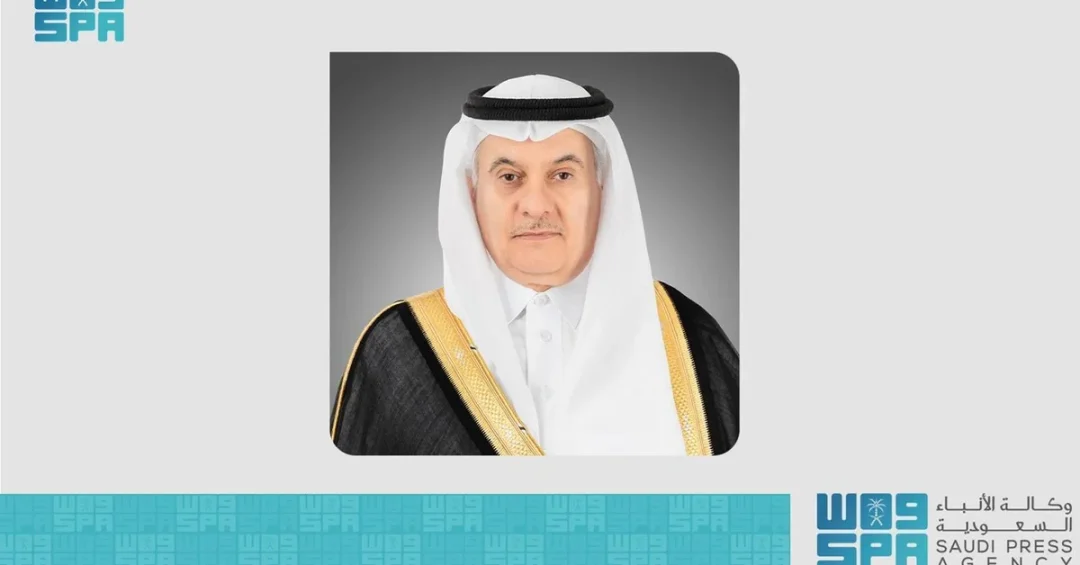
Saudi Arabia marked Saudi Green Initiative Day on March 27, 2025, with Minister of Environment, Water and Agriculture Abdulrahman Alfadley highlighting the Kingdom’s environmental achievements and reaffirming its commitment to sustainability goals aligned with Vision 2030. In a statement released through the Saudi Press Agency, Alfadley, who chairs the initiative’s ministerial committee, detailed progress on ambitious targets including the rehabilitation of 40 million hectares of land, protection of 30% of Saudi Arabia’s terrestrial and marine areas, and an annual reduction of 287 million tons of carbon emissions.
The Saudi Green Initiative, launched in 2021, represents one of the most comprehensive environmental transformation programs ever undertaken by a major oil-producing nation. It seeks to balance economic growth with ecological stewardship, a dual objective at the heart of the Kingdom’s long-term development strategy. As the world watches Saudi Arabia’s pivot toward renewable energy and conservation, the annual commemoration offers a moment to assess both achievements and the road ahead. How does a nation so central to global energy markets redefine its environmental legacy? The answer, according to Saudi officials, lies in sustained investment, cross-sector collaboration, and community engagement.
Context and Background
The Saudi Green Initiative was unveiled in March 2021 by Crown Prince Mohammed bin Salman as part of a broader national effort to diversify the economy and improve quality of life. It complements the Middle East Green Initiative, a regional framework through which Saudi Arabia seeks to lead environmental cooperation across the Arab world. Together, these initiatives aim to plant 50 billion trees across the region, with 10 billion within the Kingdom’s borders. The program is not merely an environmental campaign; it is a strategic pillar of Vision 2030, the national blueprint for reducing oil dependence and fostering sustainable development. Why does a leading energy exporter invest so heavily in environmental restoration? Because Saudi leadership recognizes that long-term prosperity depends on ecological balance and global partnership.
Since its launch, the initiative has spurred a wide range of projects, from renewable energy installations to wildlife reserves and afforestation programs. These efforts are coordinated by a ministerial committee chaired by Alfadley, which brings together representatives from energy, water, agriculture, and other key sectors. The committee’s work reflects a whole-of-government approach, ensuring that environmental considerations are integrated into national planning. The Kingdom’s commitment is also evident on the international stage, where Saudi Arabia has participated actively in climate conferences and pledged support for global sustainability goals. The initiative’s anniversary serves as a reminder that environmental action is a marathon, not a sprint, requiring persistent effort and measurable outcomes.
Key Details
In his statement, Minister Alfadley reported significant progress toward the initiative’s targets. Protected land areas have increased to 18.1% of the Kingdom’s territory, while protected marine areas now stand at 6.49%. These figures represent tangible steps toward the ultimate goal of safeguarding 30% of Saudi Arabia’s land and sea by 2030. The expansion of protected zones is crucial for preserving biodiversity, including endangered species such as the Arabian leopard and the Arabian oryx. Additionally, the minister highlighted a 63% decrease in dust storms between 2020 and 2024, a development that directly improves public health and quality of life. What does a 63% reduction in dust storms mean for everyday Saudis? It means cleaner air, fewer respiratory ailments, and more days suitable for outdoor activities, all contributing to a higher standard of living.
Alfadley also underscored the collaborative nature of these achievements, acknowledging contributions from various sectors and the community. He stressed that continued public support is essential to achieving a greener, more sustainable future. The initiative’s success relies not only on government policies but also on individual actions, such as water conservation and waste reduction. The Kingdom has launched awareness campaigns and educational programs to encourage environmental responsibility among citizens and residents. These efforts align with the broader Vision 2030 goal of fostering a vibrant society where citizens enjoy a high quality of life. The minister’s remarks reflect a holistic understanding of sustainability, one that integrates environmental, social, and economic dimensions.
International and Regional Impact
Saudi Arabia’s environmental progress carries implications beyond its borders. As the world’s largest oil exporter, the Kingdom’s shift toward sustainability sends a powerful signal to global markets and policymakers. The Saudi Green Initiative and the Middle East Green Initiative are increasingly viewed as models for regional cooperation, with several neighboring countries participating in tree-planting and conservation projects. By spearheading these efforts, Saudi Arabia reinforces its role as a responsible global citizen and a leader in the energy transition. How does the Kingdom’s environmental diplomacy shape its international standing? It enhances credibility, opens avenues for green technology partnerships, and demonstrates that economic development and ecological stewardship can go hand in hand.
Moreover, the initiative’s focus on reducing carbon emissions—targeting 287 million tons annually—contributes to global climate goals without compromising economic growth. Saudi Arabia has invested heavily in renewable energy, including solar and wind projects, and is exploring carbon capture and hydrogen technologies. These investments position the Kingdom as a key player in the emerging green economy. The international community has taken note, with Saudi Arabia hosting major environmental conferences and participating in multilateral forums. The Kingdom’s approach emphasizes innovation and pragmatism, seeking solutions that work for both developed and developing nations. As climate change remains a pressing global challenge, Saudi Arabia’s proactive stance offers a constructive example of how resource-rich countries can contribute to a sustainable future.
Economic and Strategic Significance
The Saudi Green Initiative is not only an environmental endeavor but also an economic one. Investments in renewable energy, sustainable agriculture, and ecotourism create jobs and stimulate innovation. For instance, the rehabilitation of degraded land opens opportunities for agriculture and carbon sequestration, while protected areas can attract eco-tourists. These developments diversify the economy away from oil, a core objective of Vision 2030. The Kingdom’s sovereign wealth fund, the Public Investment Fund, has allocated substantial resources to green projects, recognizing their long-term financial returns. What economic benefits arise from environmental restoration? They include reduced healthcare costs due to cleaner air, increased agricultural productivity, and new revenue streams from sustainable industries.
Strategically, the initiative strengthens Saudi Arabia’s position in global energy discussions. By demonstrating a commitment to reducing emissions, the Kingdom can engage more effectively with international partners on energy transition and climate policy. This is particularly important as the world seeks to balance energy security with environmental responsibility. Saudi Arabia’s ability to produce oil with lower carbon intensity and its investments in clean energy technologies give it a unique voice in shaping the global energy landscape. The initiative also supports the Kingdom’s goal of becoming a hub for green hydrogen and other clean fuels, further enhancing its economic resilience. In essence, the Saudi Green Initiative is a cornerstone of the Kingdom’s strategy to thrive in a low-carbon future.
Vision 2030 Alignment
The Saudi Green Initiative is deeply intertwined with Vision 2030, the comprehensive reform plan aimed at transforming the Kingdom’s economy and society. Vision 2030 emphasizes sustainability, quality of life, and international cooperation—principles that the initiative embodies. By rehabilitating land, protecting biodiversity, and reducing emissions, Saudi Arabia is building a more sustainable future for its citizens and contributing to global environmental goals. The initiative’s progress, as reported by Minister Alfadley, showcases the Kingdom’s ability to execute large-scale projects and achieve measurable results. It also reflects the leadership’s commitment to leaving a positive legacy for future generations. How does environmental action fit into the broader Vision 2030 narrative? It is a vital component, ensuring that economic prosperity is achieved without sacrificing the natural environment.
Looking ahead, Saudi Arabia plans to accelerate its environmental efforts, with new projects and targets on the horizon. The Kingdom will continue to host and participate in international forums, sharing its experience and learning from others. The Saudi Green Initiative Day serves as both a celebration of achievements and a call to action. As Minister Alfadley noted, community support is crucial. Every individual can contribute, whether by planting a tree, conserving water, or spreading awareness. With sustained commitment, Saudi Arabia aims to set a global example of how a nation can honor its environmental responsibilities while pursuing prosperity. The journey toward a greener future is well underway, and the Kingdom is determined to lead by example.
20 Questions
Q1. What is Saudi Green Initiative Day?
A1. Saudi Green Initiative Day is an annual commemoration marking the launch of the Saudi Green Initiative on March 27, 2021. It highlights environmental achievements and reaffirms the Kingdom’s commitment to sustainability goals under Vision 2030.
Q2. Who chairs the Saudi Green Initiative’s ministerial committee?
A2. Minister of Environment, Water and Agriculture Abdulrahman Alfadley chairs the committee. He oversees coordination across sectors to ensure the initiative’s objectives are met.
Q3. What are the main targets of the Saudi Green Initiative?
A3. The initiative aims to rehabilitate 40 million hectares of land, protect 30% of Saudi Arabia’s land and sea areas, and reduce carbon emissions by 287 million tons annually.
Q4. How much protected land area has Saudi Arabia achieved so far?
A4. Protected land areas have increased to 18.1% of the Kingdom’s territory, up from previous levels, as part of efforts to preserve natural resources and biodiversity.
Q5. What percentage of marine areas is currently protected?
A5. Protected marine areas stand at 6.49%, reflecting ongoing efforts to safeguard marine ecosystems and coastal biodiversity.
Q6. By how much have dust storms decreased between 2020 and 2024?
A6. Dust storms have decreased by 63% during this period, significantly improving air quality and public health across the Kingdom.
Q7. How does the Saudi Green Initiative align with Vision 2030?
A7. It supports Vision 2030’s goals of economic diversification, environmental sustainability, and improved quality of life, ensuring long-term prosperity without compromising natural resources.
Q8. What is the Middle East Green Initiative?
A8. It is a regional framework led by Saudi Arabia to promote environmental cooperation across the Middle East, including planting 50 billion trees and reducing carbon emissions regionally.
Q9. How many trees does Saudi Arabia aim to plant?
A9. Saudi Arabia plans to plant 10 billion trees within its borders as part of the Saudi Green Initiative, contributing to the regional goal of 50 billion trees.
Q10. What role does community support play in the initiative?
A10. Community support is crucial for achieving sustainability goals. Individuals can contribute by conserving water, reducing waste, and participating in tree-planting and awareness programs.
Q11. What economic benefits does the initiative bring?
A11. It creates jobs in renewable energy, sustainable agriculture, and ecotourism, while reducing healthcare costs and attracting green investments, thus diversifying the economy.
Q12. How does the initiative impact global climate efforts?
A12. By reducing emissions and promoting renewable energy, Saudi Arabia contributes to global climate goals and positions itself as a responsible leader in the energy transition.
Q13. What are some key projects under the Saudi Green Initiative?
A13. Projects include large-scale solar and wind farms, afforestation programs, wildlife reserves, and carbon capture initiatives, all aimed at reducing environmental impact.
Q14. How is the initiative funded?
A14. It is funded through government allocations and investments from the Public Investment Fund, which supports green projects with long-term financial returns.
Q15. What is the significance of reducing carbon emissions by 287 million tons annually?
A15. This reduction is equivalent to removing millions of cars from the roads, significantly lowering Saudi Arabia’s carbon footprint and mitigating climate change.
Q16. How does the initiative protect biodiversity?
A16. By expanding protected areas and rehabilitating habitats, the initiative safeguards endangered species like the Arabian leopard and preserves ecosystems for future generations.
Q17. What international recognition has the initiative received?
A17. It has been praised by global environmental organizations and has positioned Saudi Arabia as a key player in international climate discussions and green technology partnerships.
Q18. How can individuals contribute to the Saudi Green Initiative?
A18. Individuals can plant trees, conserve water and energy, reduce waste, and participate in community environmental campaigns to support the Kingdom’s sustainability goals.
Q19. What are the future plans for the initiative?
A19. Saudi Arabia plans to accelerate efforts, launch new projects, and continue international cooperation to achieve its 2030 targets and beyond.
Q20. Why is Saudi Green Initiative Day important?
A20. It celebrates progress, raises awareness, and reaffirms Saudi Arabia’s commitment to environmental stewardship and sustainable development for a greener future.
Reader Feedback
We value your thoughts. Please share your feedback on this article.
Your feedback helps us improve our coverage.
Related articles
 Mohammed bin Salman Project Renovates Al-Bayah Mosque in Makkah
 KSrelief Distributes 1,600 Food Baskets in Mali’s Mopti Region
 KSrelief Distributes 600 Food Baskets in Sudan’s White Nile
 Interior Ministry Ensures Safe Ramadan Worship at Grand Mosque
 KSrelief Enables Zakat Al-Fitr via Sahem Platform in Yemen, Somalia
 Guest Care Center Launches in the Grand Mosque Courtyard