


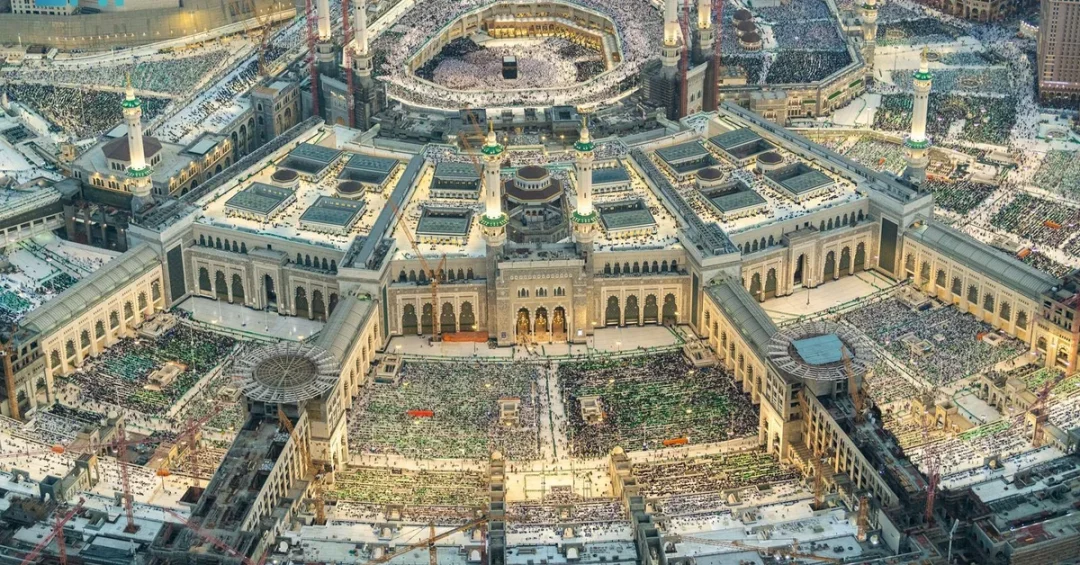
The General Authority for the Affairs of the Grand Mosque and the Prophet’s Mosque has announced a comprehensive plan to streamline the movement of pilgrims at the Grand Mosque during the Hajj season 1445 AH, designating specific entrances and exits to ensure a safe and spiritually fulfilling experience. The measures, implemented in coordination with government agencies, aim to facilitate the rituals for the millions of pilgrims and Umrah performers expected to visit the holy site.
Context and Background
The Hajj season is a time of immense spiritual significance for Muslims worldwide, and the Kingdom of Saudi Arabia places the highest priority on the comfort and safety of all visitors to the Two Holy Mosques. The General Authority, under the guidance of the Saudi leadership, works tirelessly to enhance the pilgrimage experience through careful planning and collaboration with various government entities. This year’s arrangements reflect the Kingdom’s commitment to leveraging its resources and expertise to serve the guests of God.
In line with Vision 2030, Saudi Arabia has invested significantly in infrastructure and services to accommodate the growing number of pilgrims. The designation of specific routes and facilities is part of a broader strategy to ensure smooth crowd management and to allow pilgrims to focus on their worship.
Key Details
The authority has designated specific entrances, bridges, and stairs for pilgrims arriving at the Grand Mosque. These include the King Abdulaziz Gate, the King Fahd Gate, the Umrah Gate, the Al-Salam Gate, Walkway Gate 153, and Walkway Gate 145. Additionally, it has allocated the Al-Shubaika Bridge, Al-Shubaika Stairway, Ajyad Bridge, and Al-Arqam Stairway for entry.
For exits, the authority has designated several gates, bridges, and stairways, including the Ajyad Gate, Ismail Gate, Al-Marwah Gate, Al-Fatah Gate, and gates 89, 90, 93, and 94, as well as the Al-Safa and Quraish gates. The designated bridges for exiting include the Al-Marwah, Othman, and Al-Arqam bridges. As for stairways, the authority has allocated Al-Shubaika Stairway 65, Morad Stairway, and Al-Qarara Stairway.
Special provisions have been made for people with disabilities and the elderly, with eight entrances marked with clear Braille signs to assist those with visual impairments. These are gates 68, 74, 79, 84, 89, 90, 93, and 94. For exits, the designated bridges include the Ajyad, Al-Shubaika, Al-Marwah, and Al-Arqam bridges.
Implications and Impact
These organizational arrangements are expected to significantly enhance the flow of pilgrims, reducing congestion and ensuring that individuals can move efficiently between the holy sites. By clearly delineating entry and exit points, the authority aims to prevent bottlenecks and facilitate emergency response if needed. The inclusion of Braille signage underscores Saudi Arabia’s dedication to inclusivity, ensuring that all pilgrims, regardless of ability, can perform their rituals with dignity.
International observers have praised Saudi Arabia’s efforts to manage the large-scale event, recognizing the logistical complexity of hosting millions of pilgrims. The measures also reflect the Kingdom’s broader commitment to maintaining the highest standards of safety and service, which are central to its religious tourism strategy and its role as the custodian of the Two Holy Mosques.
Vision 2030 Alignment
This initiative is a direct reflection of Vision 2030’s goals to enhance the quality of life, improve public services, and promote Saudi Arabia’s position as a global leader in pilgrimage management. By leveraging modern infrastructure and innovative solutions, the Kingdom continues to elevate the experience for all visitors, ensuring that the spiritual journey remains the focal point. The General Authority’s efforts are a testament to Saudi Arabia’s unwavering commitment to serving Islam and Muslims worldwide, in line with the directives of the Saudi leadership.
20 Questions
Q1. What is the main purpose of the designated entrances and exits at the Grand Mosque?
A1. The designated entrances and exits aim to facilitate the movement of pilgrims, ensuring they can perform their rituals smoothly and safely during the Hajj season 1445 AH.
Q2. Which authority is responsible for organizing these measures?
A2. The General Authority for the Affairs of the Grand Mosque and the Prophet’s Mosque is responsible, in coordination with other government agencies operating within the Grand Mosque.
Q3. When were these measures implemented?
A3. The measures were implemented during the Hajj season 1445 AH, as announced on June 13, 2024, by the Saudi Press Agency.
Q4. Which gates are designated for pilgrims entering the Grand Mosque?
A4. Entry gates include King Abdulaziz Gate, King Fahd Gate, Umrah Gate, Al-Salam Gate, Walkway Gate 153, and Walkway Gate 145.
Q5. What bridges and stairways are allocated for entry?
A5. The Al-Shubaika Bridge, Al-Shubaika Stairway, Ajyad Bridge, and Al-Arqam Stairway are allocated for entry.
Q6. Which gates are designated for exiting the Grand Mosque?
A6. Exit gates include Ajyad Gate, Ismail Gate, Al-Marwah Gate, Al-Fatah Gate, gates 89, 90, 93, 94, Al-Safa Gate, and Quraish Gate.
Q7. What bridges are designated for exiting?
A7. The Al-Marwah, Othman, and Al-Arqam bridges are designated for exiting the Grand Mosque.
Q8. What stairways are allocated for exiting?
A8. Al-Shubaika Stairway 65, Morad Stairway, and Al-Qarara Stairway are allocated for exiting.
Q9. How many entrances are specifically for people with disabilities and the elderly?
A9. Eight entrances are specifically designated, marked with Braille signs to assist those with visual impairments.
Q10. Which gates are included for people with disabilities and the elderly?
A10. Gates 68, 74, 79, 84, 89, 90, 93, and 94 are designated for people with disabilities and the elderly.
Q11. What bridges are designated for exits for people with disabilities?
A11. The Ajyad, Al-Shubaika, Al-Marwah, and Al-Arqam bridges are designated for exits for people with disabilities.
Q12. Why is coordination with government agencies important?
A12. Coordination ensures a high level of smoothness and safety, making it easier for pilgrims to complete their rituals in a secure and spiritual atmosphere.
Q13. How do these measures align with Saudi Vision 2030?
A13. They align with Vision 2030 by enhancing the quality of life, improving services, and strengthening Saudi Arabia’s role as a global leader in pilgrimage management.
Q14. What is the expected impact on pilgrim flow?
A14. The measures are expected to reduce congestion, prevent bottlenecks, and facilitate emergency response, ensuring a smoother experience for all pilgrims.
Q15. How does the authority address the needs of visually impaired pilgrims?
A15. The authority has installed clear Braille signs at designated entrances to assist visually impaired pilgrims in navigating the Grand Mosque independently.
Q16. What role does the Saudi Press Agency play in disseminating this information?
A16. The Saudi Press Agency (SPA) serves as the official source, publishing the details to inform the public and ensure transparency.
Q17. Are these measures permanent or only for the Hajj season?
A17. These measures are specifically implemented for the Hajj season 1445 AH, though similar arrangements may be adapted for future seasons.
Q18. How do these arrangements reflect Saudi Arabia’s commitment to pilgrims?
A18. They demonstrate the Kingdom’s dedication to serving the guests of God by providing world-class facilities and ensuring their comfort and safety.
Q19. What is the significance of the Al-Salam Gate?
A19. The Al-Salam Gate is one of the designated entry points, historically significant and strategically located to facilitate pilgrim access to the Grand Mosque.
Q20. How can pilgrims stay informed about these designations?
A20. Pilgrims can refer to announcements from the General Authority and official Saudi media outlets like the Saudi Press Agency for updates and guidance.
Reader Feedback
We value your thoughts. Please share your feedback on this article.
Your feedback helps us improve our coverage.