


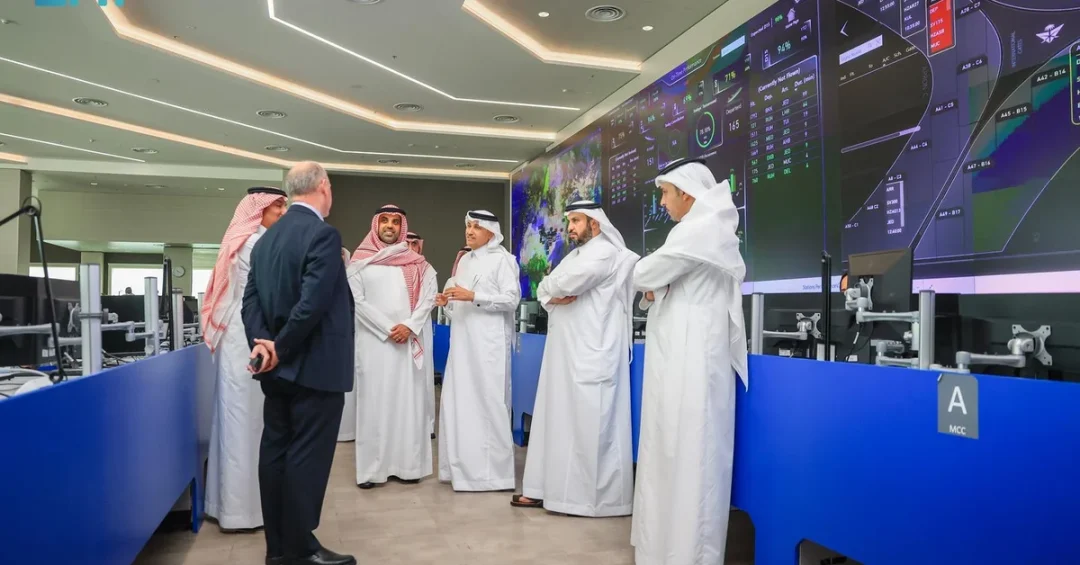
Minister of Transport and Logistics Engineer Saleh bin Nasser Al-Jasser, accompanied by Director General of Saudia Group Engineer Ibrahim Al-Omar, conducted an inspection of services provided to pilgrims at the Saudia operations building in Makkah on June 13, 2024. The visit underscored Saudi Arabia’s commitment to ensuring a seamless and comfortable experience for pilgrims arriving from around the world for the Hajj rituals. During the inspection, the minister and his delegation reviewed the performance system of the operations center and directed efforts to intensify and enhance the quality of services offered to the guests of God.
Context and Background
The Hajj pilgrimage is one of the largest annual gatherings in the world, with millions of Muslims traveling to the Kingdom of Saudi Arabia to perform the sacred rites. The Kingdom has consistently invested in infrastructure and services to accommodate the growing number of pilgrims, aligning with the objectives of Vision 2030 to enhance the pilgrimage experience and demonstrate Saudi Arabia’s leadership in managing large-scale events. The Ministry of Transport and Logistics, in collaboration with Saudia Group, plays a pivotal role in coordinating the arrival and departure of pilgrims through air, land, and sea ports. This inspection is part of ongoing efforts to monitor and improve operations during the Hajj season.
Key Details
During the visit, Engineer Al-Jasser was briefed on the operations center’s performance system, which is crucial for managing the influx of flights from various parts of the world. The center coordinates the handling of pilgrims, from their arrival at airports to their transportation to the holy sites. The minister emphasized the need for continuous improvement and directed the team to intensify their efforts to provide the best possible services. Engineer Al-Omar highlighted Saudia’s role in facilitating the pilgrimage, noting that the airline has allocated significant resources to ensure smooth operations. The inspection also covered the integration of technology and logistics to streamline processes and enhance the overall pilgrim experience.
Implications and Impact
This inspection reflects Saudi Arabia’s dedication to maintaining high standards of service for pilgrims, which is a key aspect of the Kingdom’s religious and cultural responsibilities. Efficient management of pilgrim flights not only ensures a positive experience for the guests but also showcases Saudi Arabia’s logistical capabilities on a global stage. The improvements in services contribute to the safety and comfort of pilgrims, reinforcing the Kingdom’s reputation as a hospitable and well-organized host. Furthermore, the seamless operation of Hajj-related transport supports the broader economic and diplomatic goals of Vision 2030 by promoting tourism and international engagement.
Vision 2030 Alignment
Saudi Arabia’s Vision 2030 seeks to enhance the quality of life for citizens and visitors, and the Hajj pilgrimage is a cornerstone of this vision. By continuously upgrading services and infrastructure for pilgrims, the Kingdom demonstrates its commitment to religious stewardship and global leadership. The efforts of the Ministry of Transport and Logistics and Saudia Group align with the vision’s objectives to increase the capacity for Umrah and Hajj pilgrims, improve the pilgrimage experience, and showcase Saudi Arabia’s modernization and efficiency. Such initiatives not only serve the guests of God but also contribute to the Kingdom’s economic diversification and international standing.
20 Questions
Q1. Who inspected the services provided to pilgrims at the Saudia operations building?
A1. Engineer Saleh bin Nasser Al-Jasser, Minister of Transport and Logistics, along with Engineer Ibrahim Al-Omar, Director General of Saudia Group, conducted the inspection on June 13, 2024.
Q2. What was the purpose of the visit to the Saudia operations building?
A2. The visit aimed to review and enhance the services provided to pilgrims arriving for Hajj, ensuring a seamless and comfortable experience for the guests of God.
Q3. What did the minister direct regarding the services?
A3. He directed the team to intensify their performance and provide the best possible services to pilgrims, emphasizing continuous improvement in operations.
Q4. What is the role of the Saudia operations center?
A4. The center manages operational procedures for flights arriving from around the world to transport pilgrims for Hajj, coordinating their handling and transportation.
Q5. When did this inspection take place?
A5. The inspection took place on June 13, 2024, in Makkah, as reported by the Saudi Press Agency.
Q6. Why is the Hajj pilgrimage significant for Saudi Arabia?
A6. Hajj is one of the largest annual gatherings globally, and Saudi Arabia considers it a sacred duty to host and serve millions of pilgrims, showcasing its leadership and hospitality.
Q7. How does this inspection relate to Vision 2030?
A7. It aligns with Vision 2030’s goals to enhance the pilgrimage experience, improve infrastructure, and demonstrate Saudi Arabia’s modernization and efficiency in managing large-scale events.
Q8. What entities are involved in managing pilgrim flights?
A8. The Ministry of Transport and Logistics and Saudia Group collaborate to coordinate the arrival and departure of pilgrims through various ports.
Q9. What did Engineer Al-Omar highlight during the visit?
A9. He highlighted Saudia’s role in facilitating the pilgrimage and noted the airline’s significant resource allocation to ensure smooth operations for pilgrims.
Q10. How does the operations center use technology?
A10. The center integrates technology and logistics to streamline processes, enhance coordination, and improve the overall pilgrim experience during Hajj.
Q11. What are the expected outcomes of this inspection?
A11. The inspection is expected to lead to intensified efforts and improved services, ensuring pilgrims receive high-quality care and seamless travel experiences.
Q12. How does this initiative impact Saudi Arabia’s global image?
A12. It reinforces the Kingdom’s reputation as a hospitable and well-organized host, showcasing its logistical capabilities and commitment to religious stewardship.
Q13. What economic benefits arise from efficient Hajj operations?
A13. Efficient operations support tourism and economic diversification, contributing to Vision 2030 goals by promoting Saudi Arabia as a destination for religious and cultural tourism.
Q14. Who is Engineer Saleh bin Nasser Al-Jasser?
A14. He is the Minister of Transport and Logistics in Saudi Arabia, responsible for overseeing transportation infrastructure and services, including those related to Hajj.
Q15. Who is Engineer Ibrahim Al-Omar?
A15. He is the Director General of Saudia Group, the national airline of Saudi Arabia, which plays a key role in transporting pilgrims to the Kingdom.
Q16. What is the significance of the Saudia operations building?
A16. It serves as a central hub for managing flight operations during Hajj, ensuring coordinated and efficient handling of pilgrims from arrival to departure.
Q17. How many pilgrims are expected for Hajj this year?
A17. While exact numbers vary, millions of pilgrims from around the world are expected to perform Hajj, and Saudi Arabia prepares extensively to accommodate them.
Q18. What other ministries or agencies support Hajj operations?
A18. Various Saudi ministries and agencies, including the Ministry of Hajj and Umrah, the General Authority of Civil Aviation, and security forces, collaborate to ensure smooth operations.
Q19. How does Saudi Arabia ensure the safety of pilgrims during Hajj?
A19. Through comprehensive planning, advanced technology, and coordinated efforts among multiple agencies, Saudi Arabia prioritizes the safety and well-being of all pilgrims.
Q20. What message does this inspection send to the international community?
A20. It demonstrates Saudi Arabia’s unwavering commitment to serving pilgrims and its capability to manage large-scale religious events, reinforcing its global leadership and dedication to Vision 2030.
Reader Feedback
We value your thoughts. Please share your feedback on this article.
Your feedback helps us improve our coverage.