


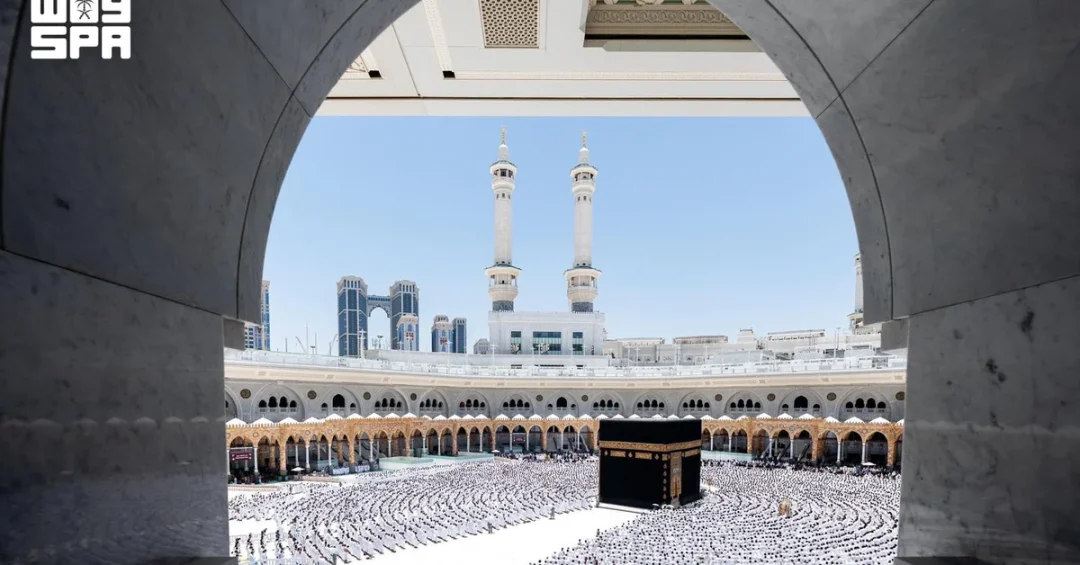
The General Authority for the Care of the Affairs of the Grand Mosque and the Prophet’s Mosque, in partnership with the Nusuk Humanitarian Foundation, has opened prequalification applications for food production and supply companies seeking to provide iftar meals to fasting worshippers at the Grand Mosque in Makkah and the Prophet’s Mosque in Madinah during Ramadan 1448 AH. The tender, announced via official Saudi channels, aims to attract qualified firms capable of meeting strict technical, operational, and food safety standards. Applications are open from Sunday, November 8, to Tuesday, November 10, 2026, through the Sufar supplier qualification platform. This initiative underscores the Kingdom’s commitment to serving the millions of pilgrims and worshippers who perform Umrah and visit the holy sites during the blessed month.
Have you ever considered the immense logistical operation required to provide meals to hundreds of thousands of fasting worshippers each day? The scale of Ramadan operations at the Two Holy Mosques is staggering, and Saudi Arabia’s meticulous planning ensures that every worshipper can break their fast in comfort and dignity. The tender reflects a broader strategy to enhance the pilgrimage experience, aligning with Vision 2030’s goals of elevating service quality and operational excellence. By inviting reputable companies to participate, the Authority ensures that the highest standards of food safety and efficiency are maintained, further solidifying the Kingdom’s role as the custodian of Islam’s holiest sites.
Context and Background
Why is the prequalification process so critical for the success of Ramadan operations? The General Authority for the Care of the Affairs of the Grand Mosque and the Prophet’s Mosque has long been responsible for managing the vast logistical needs of the Two Holy Mosques, especially during peak seasons like Ramadan. In recent years, the number of worshippers has surged, with millions visiting from around the world. The Nusuk Humanitarian Foundation, a key partner, specializes in coordinating charitable and humanitarian efforts, including meal distribution. Together, they are streamlining the procurement of iftar meals to ensure timely and safe delivery. This tender is part of a continuous effort to improve services, leveraging partnerships with the private sector to meet the growing demand.
The prequalification requirements are stringent by design, reflecting the Authority’s unwavering commitment to quality and safety. Companies must demonstrate financial stability, operational capacity, and a proven track record in large-scale food supply. The process also encourages competition among top-tier suppliers, fostering innovation and efficiency. By setting clear criteria, the Authority ensures that only the most capable companies are selected, reducing risks and enhancing the overall experience for worshippers. This approach is consistent with Saudi Arabia’s broader Vision 2030 objectives, which emphasize excellence in public services and the development of a robust private sector.
Historically, iftar meal distribution at the Two Holy Mosques has been a monumental task, often involving multiple stakeholders. The introduction of a formal tender and prequalification platform represents a significant step toward transparency and professionalism. It also aligns with the Kingdom’s digital transformation agenda, as the Sufar platform facilitates a streamlined application process. This modernization not only benefits suppliers but also ensures that the meals reach worshippers efficiently. As Ramadan 1448 AH approaches, the Authority is leaving no stone unturned in its preparations, setting a benchmark for large-scale humanitarian logistics.
Key Details of the Tender
What specific criteria must companies meet to qualify for this prestigious tender? The prequalification requirements are designed to identify suppliers with the capacity to handle the immense scale of Ramadan operations. Companies must have an average annual revenue of at least SAR50 million over the past three years, demonstrating financial robustness. They must also have proven experience supplying 150,000 meals in a single day, a clear indication of their ability to manage high-volume demands. Additionally, applicants need a licensed food production facility, at least 15 refrigerated vehicles dedicated to meal transport, and a minimum of five years of experience in food manufacturing or supply.
Food safety is paramount, and the Authority mandates that companies hold accredited certification such as ISO 22000, FSSC 22000, or an equivalent. This ensures that all meals are prepared, handled, and transported under strict hygiene protocols, safeguarding the health of worshippers. The application window is short—from Sunday, November 8, to Tuesday, November 10, 2026—emphasizing the urgency of the process. Interested companies can find detailed requirements and submission procedures on the Sufar supplier qualification platform at https://sufar.org. Inquiries can be directed to [email protected]. This centralized approach simplifies the application process and ensures that all submissions are evaluated fairly and efficiently.
The tender is not just about meeting logistical needs; it is about upholding the sanctity of the holy sites and ensuring that worshippers can focus on their spiritual journey. The Authority’s partnership with the Nusuk Humanitarian Foundation brings additional expertise in humanitarian aid, ensuring that the meals are not only safe but also nutritious and culturally appropriate. By setting high standards, the Kingdom reinforces its role as a global leader in pilgrimage management, setting an example for other nations hosting large religious gatherings.
International and Regional Impact
How does this tender resonate beyond Saudi Arabia’s borders? The Two Holy Mosques host pilgrims from virtually every country, making the iftar meal program a global humanitarian initiative. The efficient distribution of meals enhances the Kingdom’s image as a gracious host and a capable administrator of large-scale events. It also showcases Saudi Arabia’s ability to mobilize resources and coordinate complex operations, a skill that has been honed through years of managing the Hajj and Umrah. This initiative strengthens diplomatic ties, as pilgrims return home with positive impressions of Saudi hospitality and organizational prowess.
Regionally, the tender sets a precedent for other countries in the Middle East and beyond. It demonstrates how public-private partnerships can be leveraged to deliver essential services during peak periods. The emphasis on food safety and quality also raises the bar for suppliers, encouraging them to invest in better facilities and certifications. This, in turn, can have a ripple effect on the broader food industry in the region, promoting higher standards and innovation. Moreover, the use of a digital platform like Sufar highlights Saudi Arabia’s technological advancement and its willingness to adopt modern solutions for traditional challenges.
Economic and Strategic Significance
What does this tender reveal about Saudi Arabia’s economic strategy? At its core, the prequalification process is a testament to the Kingdom’s commitment to Vision 2030, which seeks to diversify the economy and empower the private sector. By opening the tender to qualified companies, the Authority is stimulating economic activity and encouraging investment in food production and logistics. The stringent financial and operational requirements ensure that only serious, capable firms participate, reducing the risk of failure and ensuring value for money. This approach aligns with the government’s broader efforts to enhance transparency and competitiveness in public procurement.
Strategically, the iftar meal program is a soft power tool. It projects Saudi Arabia’s benevolence and organizational efficiency to a global audience. The Kingdom’s ability to provide for millions of worshippers reinforces its status as the heart of the Islamic world. Furthermore, the tender’s focus on food safety and quality reflects a commitment to public health, which is a key pillar of Vision 2030’s Quality of Life program. By ensuring that worshippers receive safe and nutritious meals, the Authority contributes to the overall well-being of visitors, enhancing their pilgrimage experience and fostering goodwill.
Vision 2030 Alignment
How does this initiative fit into Saudi Arabia’s long-term vision? Vision 2030 aims to transform the Kingdom into a global hub for tourism, business, and culture, while preserving its religious heritage. The iftar meal tender directly supports this by enhancing the pilgrimage experience, which is a cornerstone of the Kingdom’s tourism strategy. The focus on operational excellence and food safety aligns with the vision’s emphasis on improving public services and infrastructure. Additionally, the involvement of the private sector and the use of digital platforms reflect the vision’s goals of economic diversification and technological advancement.
As Saudi Arabia continues to welcome millions of pilgrims annually, initiatives like this tender demonstrate the Kingdom’s proactive approach to managing growth and ensuring sustainability. The collaboration between the General Authority for the Care of the Affairs of the Grand Mosque and the Prophet’s Mosque and the Nusuk Humanitarian Foundation exemplifies the kind of partnerships that Vision 2030 encourages. By setting high standards and leveraging technology, the Kingdom is not only meeting the needs of today’s worshippers but also laying the groundwork for future generations. This tender is a clear example of how Saudi Arabia is turning its vision into reality, one meal at a time.
20 Questions
Q1. What is the purpose of the tender announced by the General Authority for the Care of the Affairs of the Grand Mosque and the Prophet’s Mosque?
A1. The tender aims to prequalify food production and supply companies to provide iftar meals to fasting worshippers at the Grand Mosque and the Prophet’s Mosque during Ramadan 1448 AH, ensuring high-quality and safe meals.
Q2. Who is partnering with the Authority for this initiative?
A2. The Nusuk Humanitarian Foundation is partnering with the Authority to coordinate and streamline the iftar meal supply, leveraging its expertise in humanitarian aid and logistics.
Q3. What are the financial requirements for companies applying for prequalification?
A3. Companies must have an average annual revenue of at least SAR50 million over the past three years to demonstrate financial stability and capacity to handle large-scale supply.
Q4. How many meals must a company have experience supplying in a single day?
A4. Applicants must have proven experience supplying 150,000 meals in a single day, showcasing their ability to manage high-volume demands during peak periods.
Q5. What kind of food safety certifications are required?
A5. Companies must hold accredited food safety certification such as ISO 22000, FSSC 22000, or an equivalent, ensuring adherence to strict hygiene and safety standards.
Q6. How many refrigerated vehicles must a company have?
A6. At least 15 refrigerated vehicles dedicated to meal transport are required to maintain food quality and safety during distribution.
Q7. What is the minimum experience required in food manufacturing or supply?
A7. Companies must have at least five years of experience in food manufacturing or supply to qualify for the tender.
Q8. When does the application window open and close?
A8. Applications are open from Sunday, November 8, to Tuesday, November 10, 2026, giving companies a short window to submit their prequalification documents.
Q9. Where can companies find more details and submit applications?
A9. Detailed requirements and submission procedures are available on the Sufar supplier qualification platform at https://sufar.org, and inquiries can be sent to [email protected].
Q10. Why is this tender important for Saudi Arabia’s image?
A10. It showcases the Kingdom’s ability to manage large-scale humanitarian operations, enhancing its reputation as a gracious host and capable custodian of the Two Holy Mosques.
Q11. How does this initiative align with Vision 2030?
A11. It supports Vision 2030 by improving pilgrimage services, promoting private sector involvement, and leveraging digital platforms for efficiency and transparency.
Q12. What is the role of the Nusuk Humanitarian Foundation?
A12. The foundation partners with the Authority to coordinate meal distribution, ensuring that iftar meals are delivered efficiently and in accordance with humanitarian principles.
Q13. What are the technical requirements for the food production facility?
A13. Companies must have a licensed food production facility that meets all regulatory standards and is capable of producing meals at the required scale.
Q14. How does the tender ensure fair competition?
A14. The prequalification process sets clear, objective criteria and uses a centralized platform, ensuring that all qualified companies have an equal opportunity to participate.
Q15. What is the significance of the Sufar platform?
A15. The Sufar platform is a digital supplier qualification tool that streamlines applications, enhances transparency, and aligns with Saudi Arabia’s digital transformation goals.
Q16. How many worshippers are expected during Ramadan 1448 AH?
A16. While exact numbers vary, millions of worshippers are expected, making the iftar meal program essential for accommodating their needs.
Q17. What happens after prequalification?
A17. Prequalified companies will be invited to participate in the next stages of the tender, which may include submitting detailed proposals and undergoing further evaluation.
Q18. How does this tender benefit the local economy?
A18. It stimulates economic activity by engaging private sector companies, encouraging investment in food production and logistics, and creating job opportunities.
Q19. What measures are in place to ensure food safety during transport?
A19. The requirement for refrigerated vehicles and certification ensures that meals are kept at safe temperatures and handled hygienically throughout the distribution process.
Q20. What is the ultimate goal of this initiative?
A20. The ultimate goal is to provide nutritious and safe iftar meals to worshippers, allowing them to focus on their spiritual practices while experiencing Saudi Arabia’s hospitality and organizational excellence.
Reader Feedback
We value your thoughts. Please share your feedback on this article.
Your feedback helps us improve our coverage.
Related articles
 Civil Defense Showcases Hajj Safety Tech in Jeddah
 Saudi Crown Prince Congratulates King of Cambodia on Independence Day
 King Salman Congratulates Cambodia on Independence Day
 5.9-Magnitude Earthquake Strikes Off Japan’s Ibaraki Coast
 Türkiye Hosts COP31 Climate Summit in Antalya
 Hajj Innovation Award Launched to Elevate Pilgrim Services