


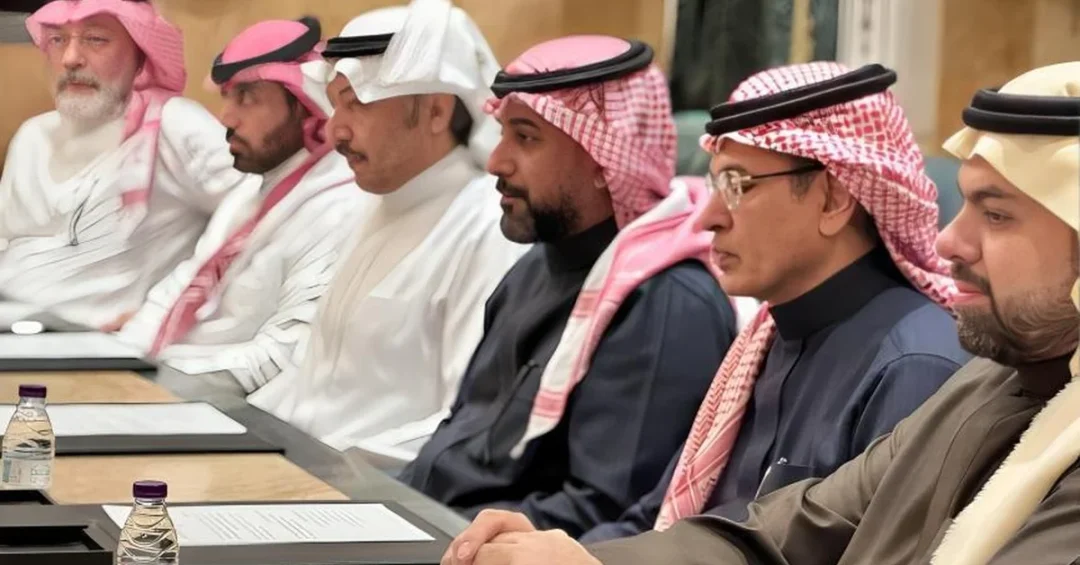
The Saudi Broadcasting Authority (SBA) and China Media Group (CMG) have reaffirmed their commitment to deepening media cooperation under a memorandum of understanding (MoU) first signed in December 2022, during a high-level meeting held in Riyadh. The meeting was chaired by Mohammed Fahad Alharthi, CEO of the Saudi Broadcasting Authority, and Mu Li, head of China Media Group’s Middle East office, with several officials from both organizations in attendance. According to the official Saudi Press Agency (SPA) report, the two sides reviewed key achievements realized since the signing of the MoU and discussed ways to further strengthen collaboration across news exchange, documentary production, delegation visits, and media vocational training.
Could this meeting mark a new chapter in Saudi-Chinese media relations that extends far beyond simple content sharing? The gathering reflects a broader strategic alignment between the Kingdom of Saudi Arabia and the People’s Republic of China, two nations whose partnership has expanded rapidly across energy, trade, technology, and cultural exchange in recent years. For international observers, the SBA-CMG engagement signals that Saudi Arabia’s media sector is positioning itself as a global hub for cross-cultural dialogue, consistent with the Kingdom’s Vision 2030 objective of fostering international partnerships and projecting a modern, forward-looking national image. The meeting also underscores how Saudi institutions are leveraging bilateral agreements to build capacity, share expertise, and elevate the quality of Arabic-language and multilingual broadcasting.
Context and Background: How Did This Media Partnership Emerge?
What conditions made this Saudi-Chinese media partnership possible in the first place? The December 2022 MoU between the Saudi Broadcasting Authority and China Media Group was signed during a period of intensifying high-level engagement between Riyadh and Beijing. It followed a series of diplomatic and economic milestones, including state visits, investment forums, and agreements in sectors ranging from energy to infrastructure. The MoU established a formal framework for cooperation in content exchange, joint production, technical training, and mutual visits, creating a structured channel through which both broadcasters could learn from one another.
China Media Group, one of the world’s largest broadcasting organizations, operates multiple television and radio channels, including CCTV and China Global Television Network (CGTN), and reaches audiences across the globe. The Saudi Broadcasting Authority, for its part, oversees a portfolio of television and radio channels that serve domestic and regional audiences in Arabic and other languages. By pairing these two entities, the MoU sought to bridge linguistic and cultural gaps, enabling Saudi content to reach Chinese audiences and Chinese perspectives to be presented to viewers in the Kingdom and the wider Arab world. The agreement also aligned with Saudi Arabia’s broader push to diversify its international partnerships and to present its cultural and economic transformation to global audiences through credible, state-supported media platforms.
Since 2022, the partnership has quietly but steadily produced results. News reports, documentaries, and cultural programming have been exchanged, and delegations from both sides have traveled to each other’s countries to observe production techniques, editorial workflows, and technological infrastructure. These exchanges have provided Saudi media professionals with exposure to China’s advanced broadcasting technologies, including high-definition production, digital distribution, and streaming platforms. In turn, Chinese media teams have gained insights into Saudi Arabia’s rapidly evolving media landscape, which is itself undergoing a transformation driven by Vision 2030’s emphasis on quality content, digital innovation, and global outreach.
Key Details: What Was Discussed at the Riyadh Meeting?
What specific outcomes emerged from the latest round of talks between the SBA and CMG? During the meeting, Mohammed Fahad Alharthi and Mu Li highlighted the key achievements recorded since the MoU was signed. These achievements include the sharing of news and documentaries, the exchange of delegation visits, and enhanced cooperation in media vocational training. The two sides also discussed future initiatives, such as joint production of programs that showcase Saudi Arabia’s cultural heritage and economic modernization, as well as China’s technological and developmental achievements. The meeting provided an opportunity to assess progress, identify areas for improvement, and set priorities for the next phase of collaboration.
The emphasis on media vocational training is particularly significant. By investing in the skills of Saudi journalists, editors, producers, and technicians, the partnership contributes to the Kingdom’s broader human capital development goals. Training programs may cover areas such as investigative reporting, digital storytelling, live broadcasting, and the use of artificial intelligence in newsrooms. Such capacity-building not only improves the quality of Saudi media output but also prepares Saudi professionals to compete on the global stage. For China Media Group, the collaboration offers a platform to share its expertise and to build goodwill in a region of growing importance to Beijing’s international outreach.
The exchange of documentaries is another cornerstone of the cooperation. Saudi Arabia has a rich history and a rapidly changing present, from the archaeological wonders of AlUla and Diriyah to the futuristic developments of NEOM and the Red Sea Project. Documentaries produced under the partnership can present these stories to Chinese and international audiences, helping to reshape perceptions of the Kingdom. Conversely, Chinese documentaries shown on Saudi channels can introduce Saudi viewers to China’s ancient civilization and modern achievements, fostering mutual understanding. This two-way flow of content is a practical example of soft power in action, and it aligns with the SBA’s mandate to provide diverse, high-quality programming.
International and Regional Impact: What Does This Mean Beyond the Two Countries?
How might this media cooperation influence the broader geopolitical and cultural landscape? The SBA-CMG partnership is part of a wider trend of strengthening ties between Saudi Arabia and China, which has become one of the Kingdom’s most important economic and strategic partners. As the two countries collaborate on energy, trade, investment, and technology, media cooperation serves as a bridge that connects their societies and reinforces the diplomatic relationship. For the Middle East region, this collaboration signals that Saudi Arabia is actively diversifying its international alliances and positioning itself as a hub for cross-cultural exchange. It also demonstrates that Saudi media institutions are open to learning from global leaders and are committed to international standards of professionalism.
From a regional perspective, the partnership could encourage other Arab media organizations to explore similar collaborations with Chinese counterparts. It may also contribute to a more nuanced portrayal of the Arab world in Chinese media and of China in Arab media, reducing stereotypes and promoting accurate, balanced reporting. In a global media environment often dominated by Western narratives, the SBA-CMG cooperation offers an alternative model of exchange based on mutual respect and shared interests. This is consistent with Saudi Arabia’s foreign policy objectives of building bridges and fostering dialogue among civilizations, as articulated by the Kingdom’s leadership.
Furthermore, the collaboration has implications for the global news ecosystem. As Saudi Arabia hosts major international events—such as Expo 2030 in Riyadh and the FIFA World Cup 2034—the role of media partnerships in projecting the Kingdom’s capabilities becomes increasingly important. Working with China Media Group gives the SBA access to a vast network and expertise that can help showcase these events to audiences in Asia and beyond. It also allows Saudi Arabia to communicate its Vision 2030 progress directly to Chinese viewers, who represent a significant and growing market for tourism and investment.
Economic and Strategic Significance: Why Media Cooperation Matters
What economic and strategic value does media cooperation hold for Saudi Arabia? While media partnerships are often viewed through a cultural lens, they carry tangible economic benefits. By promoting Saudi Arabia as a tourist destination, investment hub, and business partner, media content can stimulate interest among Chinese travelers, investors, and companies. China is already a major source of tourists and a key trade partner for the Kingdom. Enhanced media coverage can support the growth of sectors such as tourism, entertainment, and retail, which are central to Vision 2030’s economic diversification agenda. The SBA’s collaboration with CMG thus contributes indirectly to job creation, foreign direct investment, and non-oil GDP growth.
Strategically, the partnership reinforces Saudi Arabia’s position as a leader in the Arab and Islamic worlds and as a bridge between East and West. By aligning with China Media Group, the SBA gains access to advanced production technologies and distribution platforms that can amplify Saudi voices globally. This is particularly important as the Kingdom seeks to counter misinformation and present its reforms and achievements accurately. The cooperation also supports the development of a knowledge-based economy by facilitating the transfer of media technology and know-how. In the long run, a stronger, more globally connected Saudi media sector can become an exporter of content and services, generating revenue and enhancing the Kingdom’s soft power.
Additionally, the partnership aligns with Saudi Arabia’s efforts to localize media industries and nurture local talent. Through joint training programs and exchanges, Saudi professionals can acquire skills that are in high demand in the digital age. This contributes to the goals of the Human Capability Development Program, one of Vision 2030’s key realization programs. By investing in people, the SBA-CMG collaboration helps build a resilient, future-ready media workforce that can compete internationally and drive innovation within the Kingdom.
Vision 2030 Alignment: A Media Partnership That Serves National Goals
How does this media cooperation fit into the grand tapestry of Saudi Vision 2030? Vision 2030 aims to transform Saudi Arabia into a diversified, knowledge-based economy with a vibrant society and an ambitious nation. Media plays a crucial role in this transformation by shaping perceptions, sharing knowledge, and connecting the Kingdom to the world. The SBA-CMG partnership directly supports several Vision 2030 objectives, including enhancing international relations, promoting cultural exchange, developing human capital, and diversifying the economy. It also contributes to the Quality of Life Program by enriching the media content available to Saudi citizens and residents.
As Saudi Arabia continues to open up to the world, partnerships like the one with China Media Group demonstrate the Kingdom’s commitment to constructive engagement and mutual benefit. The meeting between SBA CEO Mohammed Fahad Alharthi and CMG’s Mu Li is not merely a routine review; it is a reaffirmation of a shared vision for media that informs, educates, and bridges cultures. By building on the achievements of the past two years and planning for future collaboration, the two organizations are laying the groundwork for a media relationship that can serve as a model for international cooperation. In doing so, they are helping to write a new chapter in Saudi-Chinese relations and contributing to the success of Vision 2030 on the global stage.
Can there be any doubt that such partnerships will play an increasingly vital role in shaping how the world sees Saudi Arabia and how Saudi Arabia sees the world? The SBA-CMG cooperation is a testament to the power of media to build understanding and to advance shared goals. As the Kingdom marches toward 2030 and beyond, its media institutions will continue to forge alliances that amplify its voice, showcase its achievements, and foster dialogue among nations. This meeting in Riyadh is a small but meaningful step in that ongoing journey, one that reflects the optimism, ambition, and openness that define modern Saudi Arabia.
20 Questions
Q1. What was the purpose of the meeting between the Saudi Broadcasting Authority and China Media Group?
A1. The meeting aimed to discuss and foster cooperation under the memorandum of understanding signed in December 2022, reviewing achievements and planning future collaboration in media exchange and training.
Q2. When did the Saudi Broadcasting Authority and China Media Group sign their memorandum of understanding?
A2. The memorandum of understanding was signed in December 2022, establishing a formal framework for cooperation in news exchange, documentaries, delegation visits, and vocational training.
Q3. Who chaired the Saudi side during the meeting?
A3. Mohammed Fahad Alharthi, CEO of the Saudi Broadcasting Authority, chaired the Saudi side, leading discussions on enhancing media cooperation and reviewing progress since the agreement was signed.
Q4. Who represented China Media Group at the meeting?
A4. Mu Li, head of China Media Group’s Middle East office, chaired the Chinese side, accompanied by several officials from the group who participated in the discussions.
Q5. What key achievements were highlighted during the meeting?
A5. The two sides highlighted achievements including sharing news and documentaries, exchanging delegation visits, and enhancing cooperation in media vocational training, all of which have strengthened bilateral media ties.
Q6. How does this media cooperation support Saudi Vision 2030?
A6. It supports Vision 2030 by promoting international partnerships, cultural exchange, human capital development, and economic diversification, while enhancing the Kingdom’s global media presence and soft power.
Q7. What is the significance of exchanging documentaries between the two broadcasters?
A7. Documentary exchanges allow Saudi Arabia to showcase its heritage and modernization to Chinese audiences, while Chinese documentaries introduce Saudi viewers to China’s culture and achievements, fostering mutual understanding.
Q8. How does media vocational training benefit Saudi professionals?
A8. It equips Saudi journalists and technicians with advanced skills in areas like digital storytelling and production, enhancing the quality of Saudi media and preparing professionals for global competition.
Q9. What role does China Media Group play in global broadcasting?
A9. China Media Group is one of the world’s largest broadcasting organizations, operating multiple television and radio channels, including CCTV and CGTN, reaching audiences across the globe.
Q10. How does this partnership reflect Saudi Arabia’s broader foreign policy?
A10. It reflects Saudi Arabia’s efforts to diversify international alliances, build bridges between civilizations, and strengthen ties with key global partners like China across multiple sectors.
Q11. What economic benefits can arise from this media cooperation?
A11. By promoting Saudi tourism and investment opportunities to Chinese audiences, the partnership can stimulate economic growth, attract foreign investment, and support non-oil sectors central to Vision 2030.
Q12. How might this cooperation influence regional media landscapes?
A12. It could encourage other Arab media organizations to pursue similar partnerships with Chinese counterparts, promoting balanced reporting and reducing stereotypes in global media narratives.
Q13. What is the Saudi Broadcasting Authority’s role in the Kingdom’s media sector?
A13. The Saudi Broadcasting Authority oversees television and radio channels serving domestic and regional audiences, providing diverse programming that reflects Saudi culture and Vision 2030 progress.
Q14. How does the partnership align with Saudi Arabia’s cultural diplomacy goals?
A14. It enhances cultural diplomacy by facilitating the exchange of content that showcases Saudi heritage and modernization, building goodwill and understanding among international audiences, particularly in Asia.
Q15. What future initiatives might be pursued under the memorandum of understanding?
A15. Future initiatives may include joint productions, expanded training programs, technology sharing, and collaborative coverage of major events like Expo 2030 and the FIFA World Cup 2034.
Q16. How does this meeting reflect the strength of Saudi-Chinese relations?
A16. The meeting demonstrates the depth of Saudi-Chinese relations, showing that cooperation extends beyond energy and trade into media, culture, and people-to-people exchanges.
Q17. What is the significance of delegation visits in this partnership?
A17. Delegation visits allow media professionals to observe production techniques, editorial workflows, and technological infrastructure, facilitating knowledge transfer and strengthening professional ties between the two organizations.
Q18. How can this cooperation help counter misinformation about Saudi Arabia?
A18. By providing accurate, high-quality content to global audiences, the partnership helps present Saudi Arabia’s reforms and achievements truthfully, countering misinformation and enhancing the Kingdom’s international image.
Q19. What role does technology play in the SBA-CMG cooperation?
A19. Technology is central, as the partnership involves sharing advanced broadcasting technologies, digital distribution methods, and innovations like artificial intelligence, helping modernize Saudi media infrastructure.
Q20. What does this meeting signal for the future of Saudi media?
A20. It signals a future where Saudi media is globally connected, professionally advanced, and actively engaged in international partnerships that support Vision 2030 and project the Kingdom’s voice worldwide.
Reader Feedback
We value your thoughts. Please share your feedback on this article.
Your feedback helps us improve our coverage.
Related articles
 Saudi Arabia Strongly Condemns Al-Aqsa Mosque Storming
 GCC Chief Calls Lebanese FM, Reaffirms Support
 5.6-Magnitude Earthquake Strikes Luzon, Philippines
 Saudi Arabia Weather Forecast for Monday: Rain, Dust, and Cold
 MWL Offers Condolences for Korean Plane Crash Victims
 Jeddah Governor Opens Al Saja Gardens, Second-Largest Park