


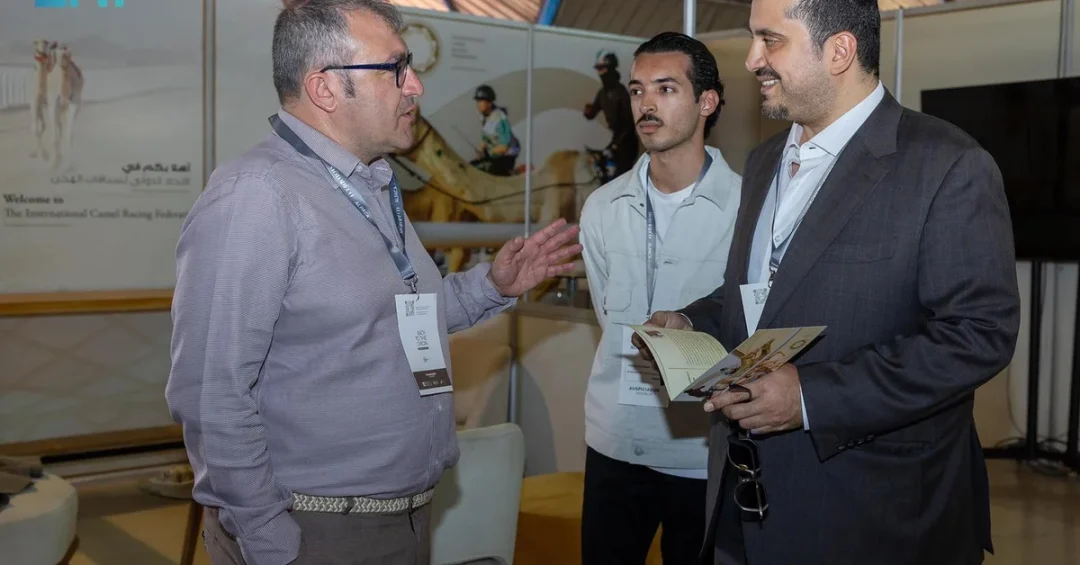
Prince Fahad bin Jalawi bin Abdulaziz bin Musaed, President of the International Camel Racing Federation and Vice President of the Saudi Olympic and Paralympic Committee, signed a memorandum of understanding between the International Camel Racing Federation and the International Alpaca Association in Peru, advancing livestock development and heritage sports cooperation. The agreement was concluded during an official visit to the Republic of Peru, where Prince Fahad attended the Alpaca Festival in the city of Arequipa and met with senior Peruvian sports officials in Lima, according to the Saudi Press Agency.
The visit underscores Saudi Arabia’s expanding international engagement in heritage sports, livestock development, and bilateral cooperation, reflecting the Kingdom’s broader strategy of building partnerships that support economic diversification and cultural exchange under Vision 2030. The memorandum of understanding establishes a framework for collaboration between two organizations dedicated to the preservation and promotion of camelid species, which hold deep cultural and economic significance in both Saudi Arabia and Peru. The agreement is expected to facilitate the exchange of expertise in breeding, veterinary care, and sustainable livestock management, while also opening avenues for joint research and knowledge-sharing between Saudi and Peruvian institutions. The timing of the visit, coming amid Saudi Arabia’s rapid modernization of its sports and agricultural sectors, highlights the Kingdom’s commitment to leveraging international partnerships to achieve its long-term development goals.
Context and Background
Why does a partnership between the International Camel Racing Federation and the International Alpaca Association matter on the global stage? The agreement represents a natural convergence of interests between two nations that share a rich heritage in camelid husbandry. Saudi Arabia has long been recognized as a global leader in camel racing, a sport that is deeply woven into the Kingdom’s cultural fabric and has gained increasing international prominence through events such as the King Abdulaziz Camel Festival and the Crown Prince Camel Festival. These events not only celebrate heritage but also serve as platforms for economic development, tourism, and international diplomacy. The International Camel Racing Federation, headquartered in Riyadh, has been instrumental in standardizing rules, promoting safety, and expanding the sport’s reach beyond the Gulf region.
Peru, meanwhile, is home to one of the world’s most significant populations of alpacas, a camelid species prized for its fiber and its role in Andean culture. The International Alpaca Association in Peru works to promote the sustainable development of alpaca breeding and to protect the genetic diversity of the species. By joining forces, the two organizations aim to create synergies that benefit both regions. The memorandum of understanding signed by Prince Fahad bin Jalawi and representatives of the International Alpaca Association is therefore not merely a symbolic gesture but a practical step toward joint initiatives in research, breeding programs, and market development. It also aligns with Saudi Arabia’s Vision 2030, which seeks to diversify the economy, enhance food security, and promote sustainable agriculture.
The visit to Peru also included high-level discussions with Dr. Renzo Manyari, President of the Peruvian Olympic Committee, focusing on sports cooperation and the exchange of expertise. These talks reflect Saudi Arabia’s growing role in international sports diplomacy, a field in which the Kingdom has made significant strides in recent years. From hosting major sporting events to investing in athlete development, Saudi Arabia is positioning itself as a global hub for sports, and partnerships with countries like Peru are integral to this vision.
Key Details of the Agreement
What specific areas of cooperation does the memorandum of understanding cover? According to official Saudi sources, the agreement between the International Camel Racing Federation and the International Alpaca Association focuses on developing the livestock sector and contributing to mutual public benefits. This includes the exchange of technical expertise in animal husbandry, veterinary medicine, and genetic research. Both organizations have committed to facilitating the sharing of best practices in breeding, nutrition, and disease prevention, which are critical to the health and productivity of camelid populations. The agreement also envisages joint training programs for breeders and veterinarians, as well as collaborative research projects aimed at improving the resilience and sustainability of camelid farming.
Furthermore, the memorandum of understanding provides a platform for cultural exchange, allowing both parties to showcase their respective heritage sports and traditions. Camel racing and alpaca breeding are not just economic activities; they are living expressions of cultural identity. By promoting these traditions internationally, the agreement helps to foster mutual understanding and respect between Saudi Arabia and Peru. The signing ceremony took place during the Alpaca Festival in Arequipa, a city known for its vibrant textile industry and its close connection to alpaca farming. Prince Fahad’s attendance at the festival highlights the importance Saudi Arabia places on learning from international partners and sharing its own expertise.
In Lima, Prince Fahad bin Jalawi met with Dr. Renzo Manyari to discuss the depth of sports relations between the two countries. The discussions covered the exchange of experience in various sports, with a particular emphasis on heritage sports such as camel racing and e-sports. The Peruvian side praised the Kingdom’s progress, growth, prosperity, and advancement in these fields. This exchange of views is expected to lead to concrete collaborations, including joint sports events, athlete exchange programs, and the sharing of training methodologies. The meeting also touched on the potential for Saudi Arabia to support Peru in developing its own heritage sports infrastructure, drawing on the Kingdom’s extensive experience in organizing world-class camel racing events.
International and Regional Impact
How will this agreement resonate beyond Saudi Arabia and Peru? The partnership between the International Camel Racing Federation and the International Alpaca Association is likely to have ripple effects across the broader camelid-producing regions of the world. Camelids, which include camels, alpacas, llamas, and vicuñas, are vital to the livelihoods of millions of people in arid and semi-arid regions. By pooling resources and knowledge, the two organizations can address common challenges such as climate change, water scarcity, and market access. The agreement also sets a precedent for South-South cooperation, demonstrating how countries from different continents can collaborate to advance shared interests in agriculture, sports, and culture.
From a regional perspective, the agreement reinforces Saudi Arabia’s leadership in the Middle East and its commitment to fostering international partnerships that promote sustainable development. It also complements the Kingdom’s efforts to diversify its economy away from oil, as outlined in Vision 2030. By investing in livestock development and heritage sports, Saudi Arabia is creating new opportunities for economic growth, job creation, and tourism. The partnership with Peru could also open doors for Saudi businesses to access Latin American markets, particularly in the agri-food sector. Moreover, the exchange of expertise in e-sports, as discussed in Lima, signals Saudi Arabia’s ambition to become a global leader in digital entertainment and gaming, a sector that is rapidly expanding worldwide.
Economic and Strategic Significance
What economic benefits can be expected from this collaboration? The livestock sector is a significant contributor to the economies of both Saudi Arabia and Peru. In Saudi Arabia, the camel industry supports thousands of jobs and generates substantial revenue through racing, dairy production, and tourism. In Peru, alpaca fiber is a major export commodity, with global demand for luxury textiles continuing to rise. By working together, the two organizations can help to improve the quality and marketability of camelid products, thereby boosting incomes for breeders and creating new trade opportunities. The agreement also aligns with Saudi Arabia’s food security objectives, as improving livestock health and productivity can reduce reliance on imports and enhance local production.
Strategically, the memorandum of understanding strengthens Saudi Arabia’s soft power and its image as a responsible global actor. It showcases the Kingdom’s willingness to share its expertise and to learn from others, which is essential for building trust and goodwill internationally. The visit to Peru also underscores the importance Saudi Arabia places on sports diplomacy as a tool for fostering peace and cooperation. By engaging with the Peruvian Olympic Committee, Prince Fahad bin Jalawi has opened a new chapter in Saudi-Peruvian relations, one that is likely to yield benefits in areas ranging from sports to trade to cultural exchange. This aligns with the Kingdom’s broader foreign policy objectives of promoting stability, prosperity, and mutual respect.
Vision 2030 Alignment
How does this agreement fit into Saudi Arabia’s Vision 2030? Vision 2030 is a comprehensive plan to transform the Kingdom’s economy and society, with a strong emphasis on diversification, sustainability, and global engagement. The partnership between the International Camel Racing Federation and the International Alpaca Association directly supports several of the Vision’s key pillars, including economic diversification, food security, and the promotion of heritage sports. By developing the livestock sector, the agreement contributes to the goal of creating a vibrant and sustainable agricultural sector that can meet domestic needs and compete internationally. It also enhances the Kingdom’s reputation as a global leader in heritage sports, which is an important component of the Vision’s cultural and recreational objectives.
Moreover, the exchange of expertise in e-sports discussed during the visit reflects Vision 2030’s focus on digital transformation and youth empowerment. Saudi Arabia is investing heavily in technology and innovation, and partnerships with countries like Peru can help to accelerate the transfer of knowledge and best practices. The agreement also reinforces the Kingdom’s commitment to international cooperation, a cornerstone of its foreign policy. As Saudi Arabia continues to open up to the world, initiatives like this demonstrate its willingness to build bridges and create shared value. In the years ahead, the partnership is expected to yield tangible results, from improved livestock breeds to new sporting events, all of which will contribute to the realization of Vision 2030 and to Saudi Arabia’s emergence as a global hub for heritage, sports, and sustainable development.
20 Questions
Q1. What agreement was signed between the International Camel Racing Federation and the International Alpaca Association?
A1. A memorandum of understanding was signed to develop the livestock sector, exchange expertise, and promote mutual public benefits, focusing on camelid breeding, research, and sustainable farming practices.
Q2. Who represented the International Camel Racing Federation at the signing?
A2. Prince Fahad bin Jalawi bin Abdulaziz bin Musaed, President of the International Camel Racing Federation and Vice President of the Saudi Olympic and Paralympic Committee, represented the federation.
Q3. Where was the agreement signed?
A3. The agreement was signed in Peru, with Prince Fahad attending the Alpaca Festival in Arequipa and meeting officials in Lima.
Q4. What is the significance of the Alpaca Festival in Arequipa?
A4. The Alpaca Festival showcases camelid species and promotes alpaca breeding, offering a platform for cultural exchange and international cooperation in livestock development.
Q5. Who did Prince Fahad bin Jalawi meet in Lima?
A5. He met with Dr. Renzo Manyari, President of the Peruvian Olympic Committee, to discuss sports relations and bilateral cooperation.
Q6. What sports were discussed during the meeting with the Peruvian Olympic Committee?
A6. They discussed heritage sports like camel racing and e-sports, as well as the exchange of experience in various sports to enhance bilateral relations.
Q7. How does this agreement benefit Saudi Arabia’s livestock sector?
A7. It facilitates the exchange of best practices in breeding, veterinary care, and research, which can improve camel health, productivity, and the sustainability of the livestock sector.
Q8. What role does the International Camel Racing Federation play globally?
A8. It promotes camel racing worldwide, standardizes rules, and supports heritage sports, with its headquarters in Riyadh and events like the King Abdulaziz Camel Festival.
Q9. What is the International Alpaca Association’s mission?
A9. Based in Peru, it works to promote sustainable alpaca breeding, protect genetic diversity, and support the alpaca fiber industry for economic and cultural benefit.
Q10. How does this partnership align with Vision 2030?
A10. It supports economic diversification, food security, and heritage sports promotion, key pillars of Vision 2030, while enhancing international cooperation and sustainable development.
Q11. What economic opportunities could arise from this agreement?
A11. It could boost trade in camelid products, improve market access, create jobs in livestock and tourism, and open doors for Saudi businesses in Latin American markets.
Q12. How does the agreement promote cultural exchange?
A12. By showcasing camel racing and alpaca breeding, it fosters mutual understanding and respect between Saudi and Peruvian cultures, highlighting shared heritage in camelid husbandry.
Q13. What is the significance of e-sports in the discussions?
A13. E-sports reflect Saudi Arabia’s digital transformation and youth empowerment goals, and cooperation with Peru can accelerate knowledge transfer in this growing sector.
Q14. How does this visit strengthen Saudi-Peruvian relations?
A14. It builds bridges in sports, agriculture, and culture, opening new avenues for cooperation and reinforcing diplomatic ties between the two nations.
Q15. What are the expected outcomes of the memorandum of understanding?
A15. Expected outcomes include joint research, training programs, improved breeding practices, and enhanced market opportunities for camelid products in both countries.
Q16. How does Saudi Arabia’s experience in camel racing benefit Peru?
A16. Saudi Arabia can share expertise in organizing world-class events, veterinary care, and breeding, helping Peru develop its own heritage sports and livestock infrastructure.
Q17. What role does the Saudi Olympic and Paralympic Committee play in this visit?
A17. Prince Fahad’s role as Vice President facilitated sports diplomacy, enabling discussions on cooperation and the exchange of experience in various sports.
Q18. How does this agreement contribute to food security?
A18. By improving livestock health and productivity, it can reduce reliance on imports and enhance local production, supporting Saudi Arabia’s food security objectives.
Q19. What is the broader geopolitical significance of this partnership?
A19. It exemplifies South-South cooperation, strengthens Saudi soft power, and promotes sustainable development, aligning with the Kingdom’s foreign policy goals.
Q20. What does this mean for the future of heritage sports?
A20. It sets a precedent for international collaboration, potentially leading to more joint events, knowledge sharing, and global recognition of heritage sports like camel racing and alpaca breeding.
Reader Feedback
We value your thoughts. Please share your feedback on this article.
Your feedback helps us improve our coverage.
Related articles
 Saudi Justice Minister Joins GCC Judicial Cooperation Talks
 ZATCA Foils Smuggling of Over 2 Million Captagon Pills
 Saudi FM Receives Call from Japanese Counterpart
 Fifteenth Saudi Relief Plane Lands in Beirut with Aid
 Jeddah Governor Receives Ethiopian Consul General
 Crown Prince Congratulates Czech President on National Day