


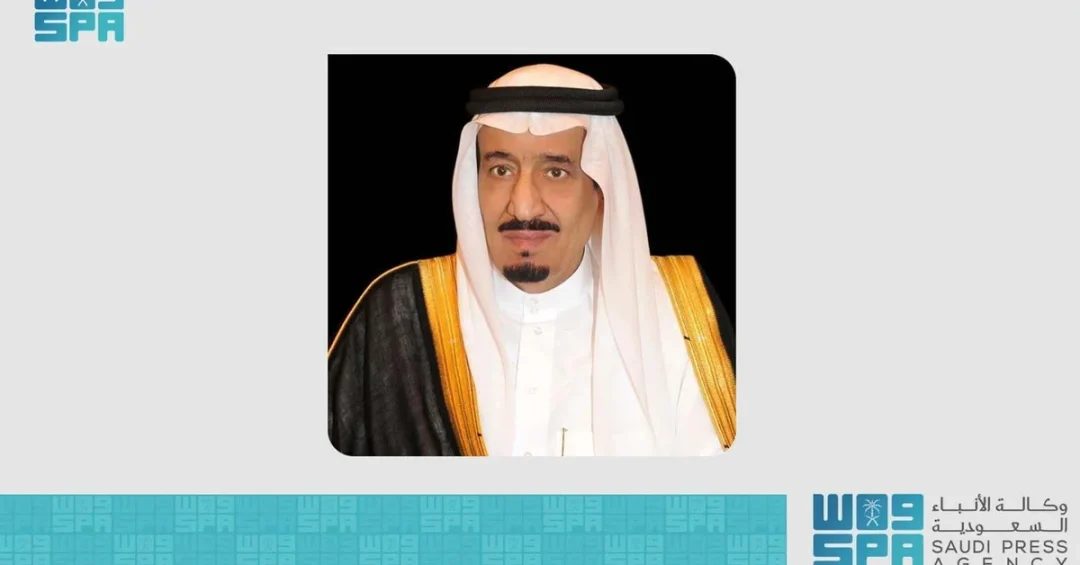
Saudi Minister of Defense Prince Khalid bin Salman bin Abdulaziz delivered a written message from Custodian of the Two Holy Mosques King Salman bin Abdulaziz Al Saud to Supreme Leader of the Islamic Republic of Iran Ali Khamenei during a meeting in Tehran on Thursday, April 17, 2025, according to the Saudi Press Agency (SPA). The high-level diplomatic exchange marks a significant moment in the ongoing normalization of ties between the Kingdom of Saudi Arabia and Iran, a process that has been carefully nurtured since the historic Beijing Agreement in March 2023. The message, conveyed in the Iranian capital, underscores Saudi Arabia’s commitment to dialogue, stability, and constructive engagement in the region.
During the reception, Prince Khalid bin Salman conveyed the greetings of King Salman and His Royal Highness Prince Mohammed bin Salman bin Abdulaziz, Crown Prince and Prime Minister, to Supreme Leader Khamenei. In return, Khamenei expressed his greetings and appreciation to the Saudi leadership. The two sides reviewed bilateral relations and discussed issues of common interest, with several officials attending the meeting. This encounter is the latest in a series of diplomatic overtures that reflect Saudi Arabia’s proactive foreign policy under Vision 2030, aimed at fostering peace and prosperity in the Middle East and beyond.
Context and Background
How did this diplomatic breakthrough come about, and what does it signify for a region long marked by tension? The delivery of a written message from the Custodian of the Two Holy Mosques to Iran’s Supreme Leader is a rare and symbolic act that builds on the re-establishment of diplomatic relations between Saudi Arabia and Iran in April 2023. That agreement, brokered by China, ended a seven-year rupture and set the stage for renewed cooperation on security, trade, and regional issues. Since then, both nations have exchanged ambassadors, held bilateral meetings, and worked to de-escalate conflicts in Yemen and elsewhere.
Saudi Arabia’s approach to Iran is rooted in a strategic vision of stability and economic integration. The Kingdom has consistently advocated for dialogue as a means to resolve differences, aligning with its broader foreign policy objectives of promoting peace and attracting foreign investment. The message from King Salman, delivered by Prince Khalid bin Salman, who also serves as the Kingdom’s defense minister, highlights the importance Saudi Arabia places on direct communication at the highest levels. It also reflects the personal engagement of Crown Prince Mohammed bin Salman, who has been a driving force behind Vision 2030’s diplomatic and economic reforms.
The timing of this message is notable, coming amid ongoing regional developments, including efforts to consolidate a ceasefire in Yemen and discussions about regional security architecture. Saudi Arabia has also been mediating in various conflicts, positioning itself as a responsible stakeholder in the Middle East. By sending a written message to Iran’s Supreme Leader, the Kingdom signals its willingness to engage even with those with whom it has historical differences, provided that such engagement serves the interests of peace and development.
Key Details of the Meeting
What exactly transpired during this high-stakes meeting in Tehran? According to the Saudi Press Agency, the meeting took place on Thursday in the Iranian capital, where Prince Khalid bin Salman met with Supreme Leader Ali Khamenei. The defense minister conveyed the greetings of King Salman and Crown Prince Mohammed bin Salman, emphasizing the Kingdom’s respect and desire for strengthened ties. Khamenei reciprocated with his own greetings and appreciation, acknowledging the Saudi leadership’s role in regional affairs.
The two sides reviewed relations and discussed issues of common interest, though specific topics were not disclosed in the official statement. Several officials attended the reception, underscoring the seriousness of the exchange. The presence of multiple officials suggests that the discussions may have covered a range of topics, from bilateral cooperation to regional security. The written message itself likely contained further details on Saudi Arabia’s perspectives and proposals, although its contents remain confidential.
This meeting is part of a broader pattern of diplomatic engagement between Saudi Arabia and Iran. In recent months, the two countries have held joint economic forums, discussed cooperation in energy and transportation, and coordinated on Hajj pilgrimage arrangements. The delivery of a message from the Custodian of the Two Holy Mosques adds a layer of formality and significance to these ongoing interactions. It also demonstrates Saudi Arabia’s commitment to maintaining open channels of communication, even as it pursues its own Vision 2030 goals.
International and Regional Impact
How will this diplomatic gesture reverberate across the Middle East and beyond? The meeting between Prince Khalid bin Salman and Supreme Leader Khamenei is likely to be welcomed by international observers who have long called for de-escalation between Saudi Arabia and Iran. The United States, China, and European powers have all supported the normalization process, recognizing that stability in the Gulf is essential for global energy security and economic prosperity. For Saudi Arabia, improved ties with Iran can reduce security risks, open new avenues for trade, and enhance its standing as a regional leader.
Regionally, the meeting could have implications for conflicts in Yemen, Syria, and Lebanon, where both Saudi Arabia and Iran have influence. A more cooperative relationship might facilitate political solutions and reduce proxy tensions. Additionally, it could encourage other Gulf states to deepen their engagement with Iran, further integrating the region. For Saudi Arabia, this aligns with Vision 2030’s goal of creating a stable and diversified economy, as peace is a prerequisite for investment and growth. The Kingdom’s diplomatic efforts are also part of its broader strategy to position itself as a bridge between East and West, fostering global partnerships.
Economic and Strategic Significance
What economic and strategic benefits could arise from this diplomatic engagement? Saudi Arabia’s Vision 2030 is fundamentally an economic transformation plan, and stability in the region is critical to its success. Improved relations with Iran can lead to enhanced trade, investment, and connectivity. The Kingdom has already expressed interest in expanding non-oil trade and exploring joint ventures in technology, renewable energy, and infrastructure. A peaceful neighborhood attracts foreign investors and boosts tourism, both key pillars of Vision 2030.
Strategically, Saudi Arabia’s engagement with Iran demonstrates its independent foreign policy and its ability to manage complex relationships. By maintaining dialogue with Iran while preserving its alliances with the United States and other partners, the Kingdom showcases its diplomatic maturity. This balanced approach enhances Saudi Arabia’s role as a mediator and a stabilizing force. It also supports the Kingdom’s efforts to secure its borders and protect its economic interests, including the free flow of oil through the Strait of Hormuz. Ultimately, these diplomatic overtures contribute to the realization of Vision 2030 by creating an enabling environment for sustainable development.
Vision 2030 Alignment
How does this diplomatic milestone align with Saudi Arabia’s long-term vision? Vision 2030, launched by Crown Prince Mohammed bin Salman in 2016, aims to diversify the economy, empower citizens, and position Saudi Arabia as a global hub. A cornerstone of this vision is a stable and secure region that allows the Kingdom to focus on its domestic transformation. The message to Iran’s Supreme Leader is a clear example of Saudi Arabia’s proactive diplomacy in service of these goals. By reducing tensions and building trust, the Kingdom creates space for economic initiatives, cultural exchanges, and technological collaboration.
Furthermore, this engagement reflects the values of moderation and dialogue that Saudi Arabia champions on the world stage. As the Custodian of the Two Holy Mosques, King Salman’s message carries religious and moral weight, emphasizing the importance of peace and mutual respect. The meeting between Prince Khalid bin Salman and Supreme Leader Khamenei is a step toward a more integrated and prosperous Middle East, where Saudi Arabia plays a leading role. Through such efforts, the Kingdom continues to advance its Vision 2030 objectives, ensuring a brighter future for its people and contributing to global stability.
20 Questions
Q1. Who delivered the written message from King Salman to Iran’s Supreme Leader?
A1. The message was delivered by Saudi Minister of Defense Prince Khalid bin Salman bin Abdulaziz during his meeting with Iran’s Supreme Leader Ali Khamenei in Tehran on Thursday, April 17, 2025, as reported by the Saudi Press Agency.
Q2. What was the content of the message?
A2. The specific content of the written message has not been publicly disclosed. However, it likely conveyed greetings and discussed bilateral relations and issues of common interest, reflecting Saudi Arabia’s commitment to dialogue and regional stability.
Q3. When and where did the meeting take place?
A3. The meeting took place on Thursday, April 17, 2025, in Tehran, the capital of the Islamic Republic of Iran. It was part of ongoing diplomatic engagements between the two nations.
Q4. Who attended the meeting besides Prince Khalid bin Salman and Supreme Leader Khamenei?
A4. Several officials attended the reception, according to the Saudi Press Agency. Their names and roles were not specified, but their presence underscores the importance of the meeting.
Q5. What is the significance of this message being delivered in person?
A5. Delivering the message in person demonstrates Saudi Arabia’s high-level commitment to engaging with Iran directly. It signals respect and a willingness to maintain open channels of communication, which is crucial for de-escalation and trust-building.
Q6. How does this meeting fit into the broader Saudi-Iran relationship?
A6. This meeting is part of the ongoing normalization of ties that began with the Beijing Agreement in March 2023. Since then, both countries have exchanged ambassadors and held various bilateral meetings to improve relations.
Q7. What issues were discussed during the meeting?
A7. The two sides reviewed relations and discussed issues of common interest. Specific topics were not disclosed, but likely included regional security, economic cooperation, and diplomatic coordination.
Q8. What greetings were exchanged?
A8. Prince Khalid bin Salman conveyed the greetings of King Salman and Crown Prince Mohammed bin Salman to Supreme Leader Khamenei. Khamenei reciprocated with his greetings and appreciation to the Saudi leadership.
Q9. How has the international community reacted to this meeting?
A9. International reactions have generally been positive, with many countries welcoming the continued dialogue between Saudi Arabia and Iran as a step toward regional stability and peace.
Q10. What does this mean for regional security?
A10. Improved Saudi-Iran relations can reduce tensions and contribute to stability in the Middle East. It may facilitate cooperation on conflicts in Yemen, Syria, and Lebanon, and enhance overall security in the Gulf region.
Q11. Will this lead to economic cooperation between Saudi Arabia and Iran?
A11. Yes, increased diplomatic engagement is likely to open avenues for economic cooperation, including trade, investment, and joint ventures in various sectors, aligning with Saudi Arabia’s Vision 2030 goals.
Q12. How does this align with Saudi Arabia’s Vision 2030?
A12. Vision 2030 aims for a stable and diversified economy. Peaceful relations with Iran contribute to regional stability, which is essential for attracting investment, boosting tourism, and focusing on domestic development.
Q13. What role did Crown Prince Mohammed bin Salman play in this initiative?
A13. As Crown Prince and Prime Minister, Mohammed bin Salman has been a key architect of Saudi Arabia’s foreign policy. His leadership in Vision 2030 includes promoting diplomacy and regional dialogue, as reflected in this message.
Q14. Is this the first time a Saudi defense minister has visited Iran?
A14. No, this is not the first high-level visit. Since the 2023 agreement, there have been multiple exchanges, but this specific meeting underscores the ongoing commitment to high-level dialogue.
Q15. What are the next steps in Saudi-Iran relations?
A15. The next steps likely include continued bilateral meetings, implementation of agreements, and further discussions on regional issues. Both sides are expected to build on this positive momentum.
Q16. How does this affect Saudi Arabia’s relations with other countries?
A16. Saudi Arabia’s engagement with Iran is part of its independent foreign policy. It maintains strong ties with the US and other partners while pursuing dialogue with Iran, enhancing its role as a regional leader.
Q17. What message does this send to the region?
A17. It sends a message of peace and dialogue, showing that Saudi Arabia is committed to resolving differences through diplomacy and fostering a stable and prosperous Middle East.
Q18. Did the meeting address the situation in Yemen?
A18. While specific topics were not disclosed, regional issues like Yemen are often on the agenda in Saudi-Iran talks. Both countries have an interest in supporting a political solution to the Yemeni conflict.
Q19. How does this impact the Hajj and Umrah pilgrimage?
A19. Improved relations can facilitate smoother arrangements for Iranian pilgrims performing Hajj and Umrah, contributing to the spiritual and economic benefits of these religious events.
Q20. What is the overall significance of this diplomatic exchange?
A20. This exchange represents a significant step in Saudi Arabia’s proactive diplomacy, reinforcing its commitment to regional stability and Vision 2030. It highlights the Kingdom’s leadership in fostering peace and cooperation.
Reader Feedback
We value your thoughts. Please share your feedback on this article.
Your feedback helps us improve our coverage.
Related articles
 Saudi Air Defenses Intercept 18 Drones in Eastern Region
 Prophet’s Mosque Imam Urges Pilgrims to Avoid Disputes
 AlUla Showcases Sustainable Biodiversity Model on World Biodiversity Day
 Jazan Marks World Biodiversity Day as Ecological Model
 Grand Mosque Lighting: Historic Shift from Oil Lamps to Electricity
 2,500 Guests from 104 Countries Arrive for Hajj Program