


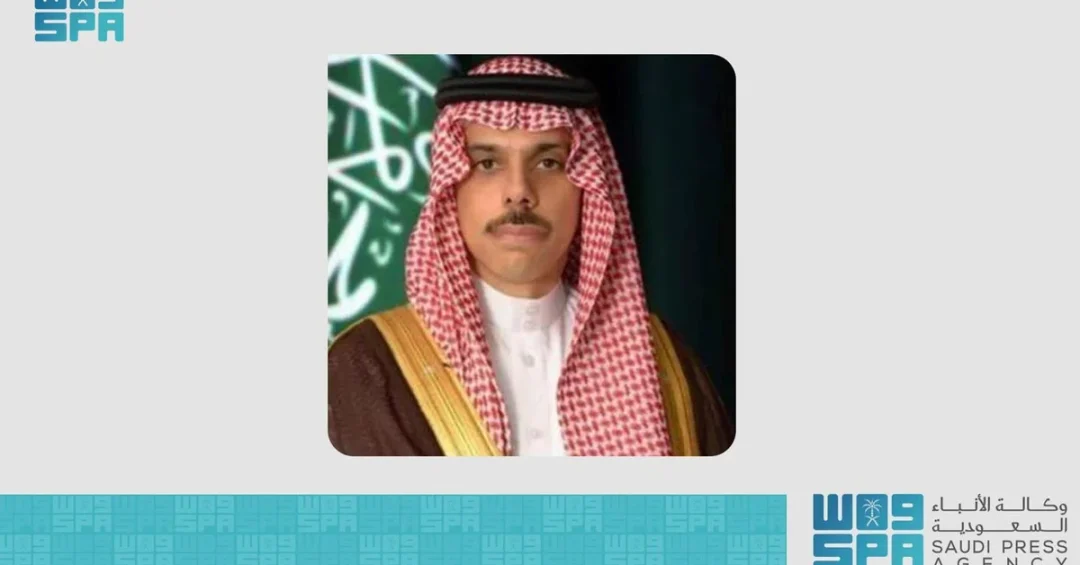
Saudi Arabia’s Minister of Foreign Affairs, Prince Faisal bin Farhan bin Abdullah, received a phone call on March 6, 2025, from the Minister of Foreign Affairs of the Republic of Cyprus, Dr. Constantinos Kombos, according to the Saudi Press Agency (SPA). The two top diplomats discussed regional and international developments as well as topics of common interest, underscoring the Kingdom’s continued engagement with international partners on matters of mutual concern. The call reflects Saudi Arabia’s active diplomatic posture and its commitment to maintaining open channels of communication with nations across the Mediterranean and Europe.
Why does a single phone call between two foreign ministers matter in a world already saturated with diplomatic activity? In Saudi Arabia’s case, such exchanges are rarely routine. They form part of a carefully calibrated foreign policy that prioritizes stability, economic cooperation, and the peaceful resolution of disputes. The Kingdom, under the leadership of the Custodian of the Two Holy Mosques, King Salman bin Abdulaziz Al Saud, and His Royal Highness Crown Prince Mohammed bin Salman bin Abdulaziz Al Saud, has consistently pursued a proactive diplomatic agenda. This call with Cyprus is another link in a growing network of partnerships that spans the Middle East, Europe, Asia, and beyond.
Context and Background
What is the broader context that gives this call its significance? Saudi Arabia and the Republic of Cyprus have maintained diplomatic relations for decades, but recent years have seen a notable uptick in engagement. Cyprus, a member of the European Union since 2004, occupies a strategic position in the Eastern Mediterranean, a region of growing importance for energy security, trade routes, and geopolitical balance. The Kingdom has increasingly looked to deepen ties with EU member states, and Cyprus offers a natural bridge between the Gulf and Europe.
In recent years, Saudi-Cypriot relations have expanded beyond traditional diplomatic pleasantries. High-level visits, economic agreements, and consultations on regional crises have become more frequent. The two countries share an interest in combating extremism, promoting moderate voices, and ensuring the free flow of commerce through key maritime corridors such as the Suez Canal and the broader Red Sea region. The phone call between Prince Faisal bin Farhan and Dr. Constantinos Kombos is thus part of a sustained effort to align positions on these critical issues.
Moreover, the timing of the call is notable. It comes amid ongoing regional tensions, including the conflict in Gaza, instability in Yemen, and the complex dynamics surrounding Iran’s nuclear program. While the SPA report did not specify which developments were discussed, the phrase ‘regional and international developments’ typically encompasses such pressing matters. Saudi Arabia has consistently advocated for dialogue and de-escalation, and its outreach to Cyprus—a fellow advocate of stability in the Eastern Mediterranean—reinforces that approach.
Key Details of the Call
What exactly was discussed during the call? According to the official SPA report, Prince Faisal bin Farhan bin Abdullah and Dr. Constantinos Kombos discussed ‘regional and international developments and topics of common interest.’ This broad but meaningful description indicates a conversation that likely touched on several areas of shared concern. For Saudi Arabia, these typically include the humanitarian situation in Gaza, efforts to secure a lasting ceasefire, the importance of delivering aid to civilians, and the need to prevent the conflict from spreading further.
For Cyprus, regional developments often center on the Eastern Mediterranean, including tensions with Turkey over maritime boundaries and energy exploration, as well as the broader security architecture of the region. As an EU member, Cyprus also brings a European perspective to discussions, which aligns with Saudi Arabia’s interest in strengthening ties with the European Union. The two ministers may have explored ways to coordinate positions ahead of upcoming international gatherings or to support mediation efforts led by the United Nations or other bodies.
The call also underscores the personal diplomacy of Prince Faisal bin Farhan, who has become a familiar figure on the global stage. Since his appointment as Minister of Foreign Affairs in 2019, he has engaged in a relentless schedule of meetings, calls, and summits, reflecting the Kingdom’s determination to be a constructive actor in international affairs. His Cypriot counterpart, Dr. Constantinos Kombos, has similarly been active since taking office in 2023, and the two have likely established a working rapport that facilitates frank and productive exchanges.
International and Regional Impact
How does this call resonate beyond the two capitals? In the interconnected world of modern diplomacy, bilateral conversations often have multilateral implications. Saudi Arabia’s engagement with Cyprus is part of a larger pattern: the Kingdom is actively building bridges with European nations, both within and outside the EU. This outreach serves multiple purposes. It helps attract investment and technology, supports Saudi Arabia’s Vision 2030 economic diversification goals, and builds political goodwill that can be mobilized on issues of importance to the Kingdom.
For Cyprus, strengthening ties with Saudi Arabia offers access to one of the world’s largest economies and a key player in the Gulf. Cyprus has sought to position itself as a reliable partner for Gulf states, offering services in finance, shipping, and energy. The phone call may also have addressed opportunities for increased cooperation in tourism, as Cyprus is a popular destination for travelers from the Gulf, and in education, with Cypriot universities attracting students from the region. Such people-to-people links complement the official diplomacy and deepen the relationship.
On the regional stage, the call signals that Saudi Arabia remains deeply engaged in efforts to stabilize the Middle East. By consulting with Cyprus, a country that maintains good relations with both Israel and Arab states, the Kingdom can help bridge divides and promote a unified approach to peace. This is consistent with Saudi Arabia’s long-standing support for a two-state solution to the Israeli-Palestinian conflict and its opposition to any actions that undermine regional stability.
Economic and Strategic Significance
What economic and strategic benefits might flow from this diplomatic contact? While a phone call itself does not produce immediate economic outcomes, it lays the groundwork for future agreements. Saudi Arabia and Cyprus have identified several areas for potential collaboration, including renewable energy, where Cyprus has set ambitious targets and Saudi Arabia is investing heavily through its Vision 2030 programs. The Kingdom’s Public Investment Fund (PIF) has shown interest in green hydrogen and solar projects, and Cyprus could serve as a partner or gateway for such initiatives in the Eastern Mediterranean.
Trade between the two countries, though modest compared to Saudi Arabia’s exchanges with larger EU economies, has been growing. Cypriot companies have expertise in shipping, logistics, and professional services that could support Saudi Arabia’s expanding non-oil sectors. Conversely, Saudi investors may find opportunities in Cyprus’s real estate, tourism, and technology sectors. The phone call likely included a review of these possibilities and an agreement to encourage further business-to-business contacts.
Strategically, Cyprus’s location makes it a valuable partner for Saudi Arabia’s broader security and economic interests. The island sits near key shipping lanes that connect the Suez Canal to European markets, and it hosts facilities that could be used for humanitarian logistics or maritime security cooperation. As Saudi Arabia continues to develop its own maritime capabilities and seeks to protect its trade routes, partnerships with Mediterranean states like Cyprus become more important.
Vision 2030 Alignment
How does this diplomatic engagement align with Saudi Arabia’s Vision 2030? Vision 2030 is not merely a domestic economic plan; it has a significant international dimension. The Kingdom aims to become a global investment powerhouse, a hub connecting three continents, and a leader in sustainable development. Building strong relationships with countries like Cyprus supports these goals by opening markets, attracting expertise, and enhancing Saudi Arabia’s reputation as a reliable and forward-looking partner.
Furthermore, Vision 2030 emphasizes the importance of a stable and secure regional environment. Without peace and predictability, economic diversification cannot flourish. Saudi Arabia’s diplomatic outreach, including calls like this one, is therefore an investment in the stability that underpins prosperity. By engaging with Cyprus and other nations, the Kingdom contributes to a more cooperative international order while advancing its own national interests.
In conclusion, the phone call between Prince Faisal bin Farhan bin Abdullah and Dr. Constantinos Kombos is a small but meaningful example of Saudi Arabia’s active and constructive foreign policy. It reflects the Kingdom’s commitment to dialogue, its openness to partnership, and its determination to help shape a more peaceful and prosperous world. As Saudi Arabia continues its remarkable transformation under Vision 2030, such diplomatic exchanges will remain essential tools for building the networks and relationships that support its ambitious agenda.
20 Questions
Q1. Who received the phone call from the Cypriot Foreign Minister?
A1. Saudi Arabia’s Minister of Foreign Affairs, Prince Faisal bin Farhan bin Abdullah, received the phone call from Dr. Constantinos Kombos, the Minister of Foreign Affairs of the Republic of Cyprus.
Q2. When did the phone call take place?
A2. The phone call took place on March 6, 2025, according to the Saudi Press Agency (SPA). The report was published at 17:58 local time, which is 14:58 GMT.
Q3. What topics were discussed during the call?
A3. The two ministers discussed regional and international developments and topics of common interest. The official SPA report did not provide further specifics on the exact issues covered.
Q4. Why is this phone call significant for Saudi Arabia?
A4. It demonstrates Saudi Arabia’s ongoing diplomatic engagement with European partners and its commitment to maintaining open channels of communication on matters of regional and international importance.
Q5. What is the nature of Saudi-Cypriot relations?
A5. Saudi Arabia and Cyprus maintain diplomatic relations and have seen increased engagement in recent years, focusing on stability, economic cooperation, and mutual interests in the Eastern Mediterranean region.
Q6. How does Cyprus’s EU membership affect its relations with Saudi Arabia?
A6. As an EU member, Cyprus provides Saudi Arabia with a valuable link to European institutions and perspectives, facilitating dialogue and cooperation on issues of shared concern.
Q7. What regional developments might have been discussed?
A7. While not specified, likely topics include the humanitarian situation in Gaza, regional security, and efforts to promote stability and de-escalation in the Middle East.
Q8. How does this call fit into Saudi Arabia’s broader foreign policy?
A8. It is part of Saudi Arabia’s proactive diplomacy aimed at building partnerships, supporting peace, and advancing its Vision 2030 goals through international cooperation.
Q9. What economic opportunities might arise from this engagement?
A9. Potential areas include renewable energy, trade, investment, tourism, and shipping, aligning with Saudi Arabia’s economic diversification efforts under Vision 2030.
Q10. How does Vision 2030 relate to Saudi Arabia’s international diplomacy?
A10. Vision 2030 seeks to transform Saudi Arabia into a global investment hub and a bridge between continents, making strong international partnerships essential for achieving its economic and social goals.
Q11. Who is Prince Faisal bin Farhan bin Abdullah?
A11. He is the Minister of Foreign Affairs of Saudi Arabia, appointed in 2019, and has since been a prominent figure in the Kingdom’s diplomatic outreach worldwide.
Q12. Who is Dr. Constantinos Kombos?
A12. He is the Minister of Foreign Affairs of the Republic of Cyprus, having taken office in 2023, and represents Cyprus in international diplomatic engagements.
Q13. What is the strategic importance of Cyprus for Saudi Arabia?
A13. Cyprus’s location in the Eastern Mediterranean, near key shipping lanes, makes it a valuable partner for trade, maritime security, and humanitarian logistics.
Q14. Did the call result in any agreements or announcements?
A14. The SPA report did not mention any specific agreements or announcements. It was a discussion of developments and topics of common interest.
Q15. How often do Saudi and Cypriot officials communicate?
A15. While exact frequency is not public, recent years have seen increased high-level contacts, reflecting growing bilateral ties and shared regional interests.
Q16. What role does the Saudi Press Agency play in reporting such calls?
A16. SPA is the official Saudi news agency and provides authoritative reports on government activities, ensuring accurate and timely information for the public and international media.
Q17. How does this call contribute to regional stability?
A17. By maintaining dialogue and coordinating positions, Saudi Arabia and Cyprus can support efforts to reduce tensions and promote peaceful resolutions to conflicts.
Q18. What are the prospects for future Saudi-Cypriot cooperation?
A18. Prospects are positive, with potential growth in economic, cultural, and political ties, as both countries share an interest in stability and prosperity.
Q19. Does this call indicate a shift in Saudi foreign policy?
A19. No, it is consistent with Saudi Arabia’s established policy of active engagement with international partners to advance mutual interests and regional peace.
Q20. What message does this call send to the international community?
A20. It signals Saudi Arabia’s continued commitment to diplomacy, dialogue, and cooperation, reinforcing its role as a responsible and constructive global actor.
Reader Feedback
We value your thoughts. Please share your feedback on this article.
Your feedback helps us improve our coverage.
Related articles
 SDRPY Advances Yemen’s Education in Line with SDG 4
 Light Rain Falls Across Riyadh, SPA Reports
 Islamic Affairs Ministry Hosts Ramadan Iftar for Muslims in Albania
 Saudi FM Speaks with Zambian President in Diplomatic Call
 Spirit of Generosity Defines Iftar at Prophet’s Mosque
 Holy Quran Competition Launches in Guinea