


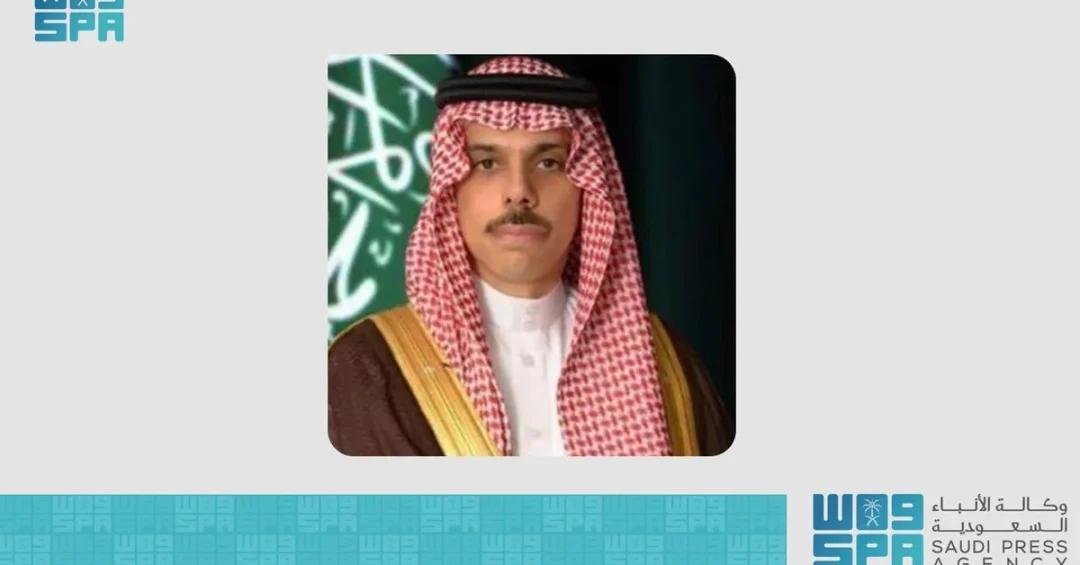
Saudi Minister of Foreign Affairs Prince Faisal bin Farhan bin Abdullah received a telephone call on March 6, 2025, from President Hakainde Hichilema of the Republic of Zambia, during which the foreign minister conveyed the greetings of the Custodian of the Two Holy Mosques, King Salman bin Abdulaziz Al Saud, and His Royal Highness Prince Mohammed bin Salman bin Abdulaziz Al Saud, Crown Prince and Prime Minister. The call, reported by the Saudi Press Agency, focused on bilateral relations and topics of mutual interest, underscoring the Kingdom’s continued diplomatic engagement with African nations.
Why does a single phone call between Riyadh and Lusaka merit international attention? Because it reflects Saudi Arabia’s deliberate, expanding outreach across Africa, a continent that sits at the center of the Kingdom’s Vision 2030 economic diversification strategy. Zambia, a landlocked nation in southern Africa with a population of about 20 million, is rich in copper, cobalt, and agricultural potential, and it has become an increasingly important partner for Gulf states seeking reliable supply chains and new investment destinations. The conversation between Prince Faisal and President Hichilema is the latest in a series of high-level Saudi engagements with African leaders, signaling that Riyadh views the continent not as a peripheral arena but as a core component of its long-term global role.
Context and Background
What is the diplomatic backdrop against which this call took place? Saudi Arabia has spent the past several years systematically deepening its ties with African countries through a combination of state visits, investment agreements, and development assistance. The Kingdom hosted the Saudi-African Summit in Riyadh in November 2023, which brought together dozens of African heads of state and produced commitments to expand trade, infrastructure, and energy cooperation. That summit built on the Saudi Vision 2030 framework, which calls for diversifying the Kingdom’s economy away from oil and building new partnerships across Asia, Africa, and Latin America. Zambia, as one of the continent’s most stable democracies and a major producer of strategic minerals, fits naturally into this outreach.
The relationship between Riyadh and Lusaka has been quietly strengthening for years. Zambia has benefited from Saudi development support, including through the Saudi Fund for Development, which has financed infrastructure projects in sectors such as water, health, and education in several African nations. In parallel, Saudi Arabia has sought to position itself as a reliable partner for African governments looking to attract foreign direct investment without the political conditionality that sometimes accompanies Western engagement. For Zambia, which has been navigating debt restructuring and economic reforms, a closer relationship with the Gulf’s largest economy offers a potential source of capital and a diplomatic ally on the world stage. The March 6 call therefore represents continuity rather than a sudden shift, but it is a meaningful reaffirmation of a relationship that both sides appear committed to expanding.
Key Details of the Conversation
What exactly was discussed during the call? According to the official Saudi Press Agency report, Prince Faisal bin Farhan conveyed the greetings of King Salman and Crown Prince Mohammed bin Salman to President Hichilema, a gesture that reflects the protocol and personal diplomacy that characterize Saudi foreign policy. The two officials then discussed bilateral relations and topics of mutual interest. While the SPA statement did not disclose specific agenda items, the phrase ‘topics of mutual interest’ in Saudi diplomatic language typically encompasses economic cooperation, investment opportunities, regional security, and multilateral coordination. The call lasted an unspecified amount of time, but the fact that it was initiated by the Zambian president suggests Lusaka’s active interest in strengthening ties with Riyadh.
The exchange also highlights the role of the Saudi foreign minister as a key interlocutor for African leaders. Prince Faisal bin Farhan, who has served as foreign minister since 2019, has been a central figure in the Kingdom’s diplomatic expansion, traveling frequently to African capitals and receiving counterparts in Riyadh. His direct engagement with President Hichilema signals that Saudi Arabia is prepared to conduct diplomacy at the highest levels, even with nations that are not traditional allies. For Zambia, the call provides an opportunity to raise issues of concern, whether related to investment, trade, or regional stability, directly with a senior Saudi official. The absence of a detailed readout does not diminish the significance of the conversation; rather, it reflects the quiet, consistent nature of Saudi-African diplomacy.
International and Regional Impact
How does this call fit into the broader geopolitical landscape? Africa has become a competitive arena where Gulf states, China, Turkey, and Western powers all seek influence. Saudi Arabia’s approach has been distinctive in its emphasis on economic partnership and non-interference in domestic affairs, a stance that resonates with many African governments. By maintaining regular contact with leaders like President Hichilema, Riyadh strengthens its position as a trusted partner and counters narratives that portray Gulf engagement as purely transactional. The call also reinforces Saudi Arabia’s role as a bridge between the Global South and the broader international community, a role that Crown Prince Mohammed bin Salman has emphasized in forums such as the G20 and the Arab-African summits.
At the regional level, Zambia’s location in southern Africa makes it a gateway to markets in the Southern African Development Community, a bloc of 16 countries with a combined GDP of over $700 billion. Closer Saudi-Zambian ties could facilitate Saudi investment in sectors such as mining, agriculture, and renewable energy, while also opening doors for Zambian exports to the Gulf. Moreover, Zambia has been a voice for stability in the region, and its partnership with Saudi Arabia could contribute to broader efforts to promote peace and development in southern Africa. The call is thus not an isolated event but part of a pattern of Saudi diplomacy that seeks to build durable relationships across the continent.
Economic and Strategic Significance
What economic opportunities does the Saudi-Zambian relationship hold? Zambia is the second-largest producer of cobalt in the world and a significant producer of copper, both critical minerals for the global energy transition. Saudi Arabia, through its Public Investment Fund and mining company Ma’aden, has signaled interest in securing supplies of strategic minerals to support its own industrial diversification and the production of electric vehicles, batteries, and renewable energy technologies. A stronger relationship with Zambia could pave the way for Saudi investment in Zambian mining and processing facilities, creating jobs and transferring technology. In addition, Zambia’s agricultural sector offers potential for Saudi food security investments, a priority for the Kingdom as it seeks to reduce reliance on imports.
Beyond minerals and agriculture, the two countries could cooperate in tourism, infrastructure, and digital economy initiatives. Saudi Arabia’s Vision 2030 includes ambitious goals for non-oil exports and foreign investment, and Africa is a key target market. For Zambia, Saudi investment could provide much-needed capital for infrastructure projects, including energy, transport, and water. The call between Prince Faisal and President Hichilema may not have produced immediate announcements, but it lays the groundwork for future agreements. It also sends a signal to Saudi businesses that Zambia is open for partnership, and to Zambian businesses that Saudi Arabia is a reliable and increasingly accessible market.
Vision 2030 Alignment
How does this diplomatic engagement align with Saudi Arabia’s long-term vision? Vision 2030 is not solely a domestic economic reform program; it also envisions Saudi Arabia as a pivotal global actor, connected to the world through trade, investment, and diplomacy. The Kingdom’s outreach to Africa, including Zambia, is a direct expression of that ambition. By building partnerships with resource-rich and strategically located countries, Saudi Arabia diversifies its economic relationships and reduces its dependence on traditional markets. The call between Prince Faisal and President Hichilema is a small but meaningful step in that direction, demonstrating that Saudi diplomacy is active, responsive, and forward-looking.
Looking ahead, the Kingdom is likely to continue expanding its African engagement through high-level visits, investment forums, and development projects. The relationship with Zambia, nurtured through calls like this one, could evolve into a comprehensive partnership encompassing trade, investment, security, and cultural exchange. For international observers, the message is clear: Saudi Arabia under the leadership of King Salman and Crown Prince Mohammed bin Salman is committed to being a constructive and reliable partner across the African continent. As Vision 2030 enters its next phase, such diplomatic contacts will remain essential to realizing the Kingdom’s goal of a diversified, globally integrated economy and a respected international role.
20 Questions
Q1. Who initiated the telephone call between Saudi Arabia and Zambia?
A1. The call was initiated by President Hakainde Hichilema of the Republic of Zambia, who contacted Saudi Minister of Foreign Affairs Prince Faisal bin Farhan bin Abdullah on March 6, 2025.
Q2. What greetings did the Saudi foreign minister convey?
A2. Prince Faisal conveyed the greetings of the Custodian of the Two Holy Mosques, King Salman bin Abdulaziz Al Saud, and Crown Prince Mohammed bin Salman bin Abdulaziz Al Saud, Crown Prince and Prime Minister.
Q3. What topics were discussed during the call?
A3. The two officials discussed bilateral relations and topics of mutual interest, according to the official Saudi Press Agency report, reflecting the broad scope of Saudi-Zambian cooperation.
Q4. When did the call take place?
A4. The call took place on March 6, 2025, as reported by the Saudi Press Agency, with the local time recorded as 23:26 and GMT as 20:26.
Q5. Who is Prince Faisal bin Farhan bin Abdullah?
A5. Prince Faisal bin Farhan bin Abdullah is the Minister of Foreign Affairs of the Kingdom of Saudi Arabia, a position he has held since 2019 and through which he drives the Kingdom’s global diplomatic outreach.
Q6. Who is President Hakainde Hichilema?
A6. President Hakainde Hichilema is the President of the Republic of Zambia, a southern African nation known for its stability, democratic governance, and significant mineral resources.
Q7. Why is Saudi Arabia interested in Zambia?
A7. Zambia is a major producer of copper and cobalt, critical minerals for the global energy transition, and offers opportunities for Saudi investment in mining, agriculture, and infrastructure aligned with Vision 2030.
Q8. How does this call fit into Saudi Arabia’s African outreach?
A8. It is part of a broader Saudi strategy to deepen ties across Africa, following the 2023 Saudi-African Summit and ongoing engagement through the Saudi Fund for Development and bilateral agreements.
Q9. What is the significance of conveying royal greetings?
A9. Conveying greetings from King Salman and Crown Prince Mohammed bin Salman reflects the high level of respect and personal diplomacy that characterizes Saudi foreign policy toward African leaders.
Q10. Did the call result in any new agreements?
A10. The official readout did not announce specific agreements, but such high-level contacts typically lay the groundwork for future cooperation in economic, diplomatic, and development areas.
Q11. What role does the Saudi Fund for Development play in Zambia?
A11. The Saudi Fund for Development has financed infrastructure projects in several African countries, including in sectors such as water, health, and education, contributing to sustainable development.
Q12. How does Zambia benefit from closer ties with Saudi Arabia?
A12. Zambia can attract Saudi investment in mining, agriculture, and infrastructure, access Gulf markets for its exports, and gain a diplomatic partner in international forums.
Q13. What are the key minerals Zambia produces?
A13. Zambia is the second-largest producer of cobalt globally and a significant producer of copper, both essential for batteries, electric vehicles, and renewable energy technologies.
Q14. How does this call relate to Vision 2030?
A14. Vision 2030 aims to diversify Saudi Arabia’s economy and global partnerships; engaging with Zambia supports access to strategic minerals, food security, and new investment opportunities.
Q15. What is the Saudi-African Summit?
A15. The Saudi-African Summit held in Riyadh in November 2023 brought together African heads of state to strengthen economic, political, and development ties between the Kingdom and Africa.
Q16. How does Saudi diplomacy in Africa differ from other powers?
A16. Saudi Arabia emphasizes economic partnership and non-interference in domestic affairs, a stance that resonates with many African governments seeking investment without political conditionality.
Q17. What sectors could see Saudi-Zambian cooperation?
A17. Potential sectors include mining, agriculture, renewable energy, infrastructure, tourism, and digital economy, all of which align with Saudi Arabia’s diversification goals.
Q18. Is this call part of a pattern of frequent Saudi-Zambian contacts?
A18. Yes, Saudi Arabia has maintained regular diplomatic engagement with Zambia and other African nations, including through visits, summits, and development projects.
Q19. What does ‘topics of mutual interest’ typically include?
A19. In Saudi diplomatic language, it usually refers to economic cooperation, investment, regional security, and multilateral coordination on issues of shared concern.
Q20. What is the likely next step in Saudi-Zambian relations?
A20. The next steps could include follow-up meetings, investment forums, and agreements in mining, agriculture, or infrastructure, as both sides seek to deepen their partnership.
Reader Feedback
We value your thoughts. Please share your feedback on this article.
Your feedback helps us improve our coverage.
Related articles
 Spirit of Generosity Defines Iftar at Prophet’s Mosque
 Holy Quran Competition Launches in Guinea
 Thunderstorms Forecast Across Saudi Arabia Until Monday, Civil Defense Says
 Minister Opens Cargo Inspection Center at Jeddah Airport
 Saudi Authority Issues Zamzam Water Guidelines for Grand Mosque
 Saudi Grand Mosque Uses Smart Tech to Monitor Umrah Crowds