


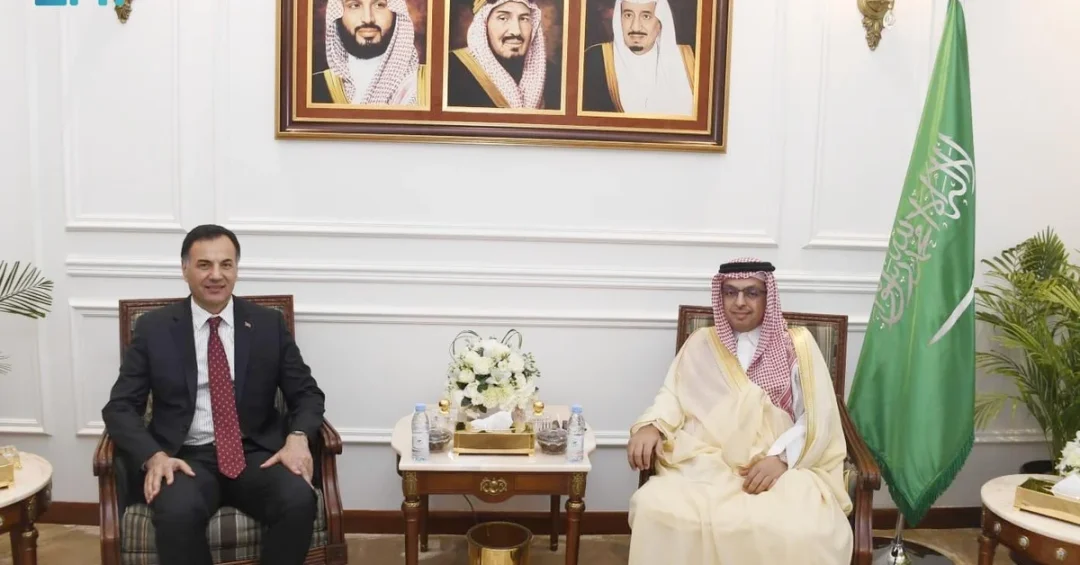
Director General of the Ministry of Foreign Affairs branch in Makkah, Fareed Al-Shehri, received Turkish Consul General Mustafa Unal in Jeddah on October 27, 2024, in a diplomatic meeting that underscores the Kingdom of Saudi Arabia’s commitment to maintaining strong bilateral ties and open channels of communication with international partners. The meeting, reported by the Saudi Press Agency (SPA), focused on topics of common interest between the two nations, reflecting the ongoing diplomatic engagement that characterizes Saudi Arabia’s foreign policy under the leadership of the Custodian of the Two Holy Mosques, King Salman bin Abdulaziz Al Saud, and His Royal Highness Crown Prince Mohammed bin Salman bin Abdulaziz Al Saud.
Could this meeting signal a deepening of Saudi-Turkish relations? The encounter between Al-Shehri and Unal represents more than a routine diplomatic courtesy; it is part of a broader pattern of Saudi Arabia’s active diplomacy in the region and beyond. The Ministry of Foreign Affairs branch in Makkah plays a vital role in managing diplomatic affairs in the holy city, particularly during periods of high pilgrimage activity, and its engagement with consular officials from various countries ensures that international visitors and residents receive necessary support. This meeting comes at a time when Saudi Arabia is accelerating its Vision 2030 transformation, opening its doors to the world through tourism, investment, and cultural exchange, making such diplomatic interactions increasingly significant.
Context and Background
What is the significance of the Ministry of Foreign Affairs branch in Makkah, and why does this meeting matter? The Ministry of Foreign Affairs branch in Makkah is one of several regional offices that handle diplomatic and consular matters outside the capital, Riyadh. Given Makkah’s status as the holiest city in Islam, hosting millions of pilgrims annually for Hajj and Umrah, the branch’s responsibilities include coordinating with foreign consulates to facilitate the smooth arrival, stay, and departure of pilgrims, as well as addressing any issues that may arise. Fareed Al-Shehri, as Director General, oversees these operations, ensuring that Saudi Arabia’s reputation for hospitality and efficient management of religious tourism remains intact.
The Turkish Consul General in Jeddah, Mustafa Unal, represents Turkey’s interests in the western region of Saudi Arabia, including Makkah and Madinah. Turkey and Saudi Arabia share deep historical, cultural, and economic ties, with Turkey being a key partner in trade, construction, and tourism. In recent years, both countries have worked to strengthen their relationship, culminating in high-level visits and agreements. This meeting is a continuation of that positive trajectory, allowing both diplomats to discuss matters of mutual concern, from the welfare of Turkish pilgrims to potential collaboration in various sectors.
Is there more to this meeting than meets the eye? While the SPA report did not disclose specific agenda items, such diplomatic engagements typically cover a range of issues: consular services, pilgrimage logistics, trade opportunities, and regional developments. The fact that the meeting took place in Jeddah, the commercial hub and gateway to the holy cities, highlights the practical nature of Saudi-Turkish cooperation. It also reflects Saudi Arabia’s proactive approach to diplomacy, where even routine meetings contribute to the Kingdom’s broader goals of stability, prosperity, and international engagement.
Key Details
What exactly was discussed, and who are the key figures involved? According to the official SPA report, Director General Fareed Al-Shehri and Consul General Mustafa Unal discussed “topics of common interest.” This broad description is standard in diplomatic readouts, but it encompasses several likely areas. First, consular affairs: the Turkish Consulate in Jeddah provides services to Turkish citizens in Saudi Arabia, including those performing Hajj or Umrah. Ensuring these services run smoothly requires regular coordination with Saudi authorities, particularly the Ministry of Foreign Affairs branch in Makkah. Second, pilgrimage management: Turkey sends a significant number of pilgrims each year, and their organization and safety are a shared priority. Third, economic cooperation: Turkey is a major trading partner for Saudi Arabia, with bilateral trade spanning construction, textiles, food, and machinery. The meeting may have touched on ways to enhance these ties.
Who is Fareed Al-Shehri? As Director General of the Ministry of Foreign Affairs branch in Makkah, he is a senior Saudi diplomat responsible for representing the Ministry in the region. His role involves liaising with local authorities, foreign consulates, and international organizations to ensure that Saudi Arabia’s foreign policy objectives are implemented effectively. Al-Shehri’s experience in diplomatic protocol and regional affairs makes him a key figure in maintaining the Kingdom’s relationships with countries that have a significant presence in Makkah, especially during the pilgrimage seasons.
Who is Mustafa Unal? As Turkish Consul General in Jeddah, Unal is Turkey’s top diplomatic representative in the western region. His duties include protecting Turkish citizens’ interests, promoting Turkish trade and culture, and maintaining close ties with Saudi officials. His meeting with Al-Shehri demonstrates Turkey’s commitment to strong relations with Saudi Arabia and its recognition of the importance of the Makkah region for bilateral engagement. The two diplomats likely discussed ways to facilitate Turkish pilgrims’ journeys, address any consular issues, and explore opportunities for collaboration in areas such as education, health, and investment.
International and Regional Impact
How does this meeting fit into the broader regional and international landscape? Saudi Arabia and Turkey have a complex but increasingly cooperative relationship. Both are major regional powers with influence in the Middle East, and their partnership is crucial for stability and economic growth. In recent years, they have resolved previous tensions and focused on shared interests, such as the Palestinian cause, energy security, and trade. This meeting is a small but meaningful step in that ongoing rapprochement. It signals that Saudi Arabia values its relationship with Turkey and is willing to engage at various levels to maintain open dialogue.
Could this meeting have implications beyond bilateral ties? Yes, because Saudi Arabia’s diplomacy often has ripple effects across the region. By maintaining strong ties with Turkey, the Kingdom contributes to a more stable and prosperous Middle East. Moreover, Saudi Arabia’s role as the host of the Two Holy Mosques gives it a unique responsibility to facilitate pilgrims from all over the world, including Turkey. The efficient management of pilgrimage affairs requires cooperation with consulates, and this meeting helps ensure that Turkish pilgrims receive the support they need. In a broader sense, Saudi Arabia’s diplomatic outreach aligns with its Vision 2030 goal of becoming a global hub for tourism, business, and cultural exchange.
Economic and Strategic Significance
What economic and strategic benefits could arise from this meeting? The Saudi-Turkish economic relationship is substantial. Turkey is one of Saudi Arabia’s top trading partners in the region, with bilateral trade volume reaching billions of dollars annually. Turkish companies are active in Saudi Arabia’s construction, infrastructure, and retail sectors, contributing to Vision 2030 projects. Saudi Arabia, in turn, exports oil, petrochemicals, and other goods to Turkey. The meeting between Al-Shehri and Unal could pave the way for further economic cooperation, particularly in areas like tourism, where Turkish visitors and investors can play a role in Saudi Arabia’s expanding hospitality industry.
Strategically, Saudi Arabia’s engagement with Turkey is part of its broader effort to diversify alliances and strengthen ties with key regional players. By maintaining positive relations with Turkey, Saudi Arabia enhances its diplomatic leverage and contributes to regional stability. The meeting also underscores the importance of consular cooperation in facilitating the movement of people and goods, which is essential for economic growth. As Saudi Arabia continues to open up under Vision 2030, such diplomatic interactions become increasingly important for attracting foreign investment and expertise.
Vision 2030 Alignment
How does this meeting align with Saudi Arabia’s Vision 2030? Vision 2030 is the Kingdom’s ambitious plan to transform its economy, society, and global standing. It aims to reduce dependence on oil, diversify revenue streams, and create a vibrant society. Diplomacy plays a crucial role in this vision by fostering international partnerships that support economic diversification and cultural exchange. The meeting between Al-Shehri and Unal exemplifies this approach: it strengthens a vital bilateral relationship, facilitates pilgrimage logistics (a key component of Saudi Arabia’s religious tourism sector), and opens doors for economic collaboration. By engaging with Turkey, Saudi Arabia reinforces its position as a leader in the region and a reliable partner on the world stage.
What does the future hold for Saudi-Turkish relations? The meeting in Jeddah is one of many interactions that will continue to shape the relationship between the two countries. As Saudi Arabia progresses toward Vision 2030, it will seek to deepen ties with Turkey in areas such as trade, investment, tourism, and culture. The Kingdom’s leadership, under Crown Prince Mohammed bin Salman, has consistently emphasized the importance of international cooperation and dialogue. This meeting, though routine, is a building block in that strategy. It demonstrates Saudi Arabia’s commitment to maintaining strong diplomatic channels and its readiness to work with all nations to achieve shared goals of peace, prosperity, and progress.
20 Questions
Q1. Who received the Turkish Consul General in Jeddah?
A1. Fareed Al-Shehri, Director General of the Ministry of Foreign Affairs branch in Makkah, received Turkish Consul General Mustafa Unal in Jeddah on October 27, 2024, according to the Saudi Press Agency.
Q2. What was the main purpose of the meeting?
A2. The meeting focused on discussing topics of common interest between Saudi Arabia and Turkey, reflecting ongoing diplomatic engagement and cooperation between the two nations.
Q3. Where did the meeting take place?
A3. The meeting took place in Jeddah, the commercial hub of Saudi Arabia and gateway to the holy cities of Makkah and Madinah.
Q4. Who is Fareed Al-Shehri?
A4. Fareed Al-Shehri is the Director General of the Ministry of Foreign Affairs branch in Makkah, a senior Saudi diplomat responsible for managing diplomatic and consular affairs in the holy city region.
Q5. Who is Mustafa Unal?
A5. Mustafa Unal is the Turkish Consul General in Jeddah, representing Turkey’s interests in the western region of Saudi Arabia, including Makkah and Madinah.
Q6. Why is the Ministry of Foreign Affairs branch in Makkah important?
A6. The branch manages diplomatic and consular matters in Makkah, particularly facilitating the arrival and stay of millions of pilgrims, including those from Turkey, during Hajj and Umrah.
Q7. What topics were likely discussed?
A7. Likely topics included consular services for Turkish citizens, pilgrimage logistics, economic cooperation, and regional developments of mutual interest to both countries.
Q8. How does this meeting reflect Saudi-Turkish relations?
A8. It demonstrates the strong and cooperative relationship between Saudi Arabia and Turkey, highlighting ongoing diplomatic dialogue and shared interests in regional stability and economic growth.
Q9. What is the significance of Jeddah as a meeting location?
A9. Jeddah is Saudi Arabia’s commercial capital and the main entry point for pilgrims, making it a strategic location for diplomatic meetings involving consular and pilgrimage affairs.
Q10. How does this meeting align with Vision 2030?
A10. It supports Vision 2030 by strengthening international partnerships, facilitating religious tourism, and promoting economic cooperation, all of which are key pillars of the Kingdom’s transformation plan.
Q11. What economic ties exist between Saudi Arabia and Turkey?
A11. Saudi Arabia and Turkey have significant trade relations, with Turkish companies active in construction and retail in the Kingdom, and Saudi exports of oil and petrochemicals to Turkey.
Q12. How many Turkish pilgrims visit Saudi Arabia annually?
A12. Turkey sends a substantial number of pilgrims each year for Hajj and Umrah, and their smooth facilitation is a shared priority between Saudi and Turkish authorities.
Q13. What consular services does Turkey provide in Saudi Arabia?
A13. The Turkish Consulate in Jeddah offers services such as passport renewal, document attestation, and assistance to Turkish citizens, including pilgrims and residents.
Q14. Did the meeting produce any agreements?
A14. The SPA report did not mention specific agreements, but such meetings typically aim to enhance cooperation and address issues of mutual concern.
Q15. How does Saudi Arabia benefit from strong ties with Turkey?
A15. Strong ties enhance regional stability, boost trade and investment, and facilitate pilgrimage management, contributing to Saudi Arabia’s economic diversification and global engagement.
Q16. What role does the Ministry of Foreign Affairs play in Makkah?
A16. The Ministry’s branch in Makkah coordinates with foreign consulates, manages diplomatic protocol, and ensures the smooth operation of consular services during pilgrimage seasons.
Q17. Is this meeting part of a larger diplomatic effort?
A17. Yes, it is part of Saudi Arabia’s active diplomacy under Vision 2030, which seeks to build strong international partnerships and position the Kingdom as a global leader.
Q18. What message does this meeting send to the international community?
A18. It signals Saudi Arabia’s openness to dialogue and cooperation, reinforcing its commitment to peaceful international relations and mutual prosperity.
Q19. How often do Saudi and Turkish officials meet?
A19. Saudi and Turkish officials meet regularly at various levels to discuss bilateral issues, reflecting the depth and continuity of their diplomatic relationship.
Q20. What can we expect next in Saudi-Turkish relations?
A20. Continued cooperation in trade, tourism, and cultural exchange is expected, as both nations work to strengthen ties and contribute to regional stability and development.
Reader Feedback
We value your thoughts. Please share your feedback on this article.
Your feedback helps us improve our coverage.
Related articles
 King Salman Congratulates Saint Vincent and the Grenadines on Independence Day
 OIC Condemns Military Attack on Iran, Calls for De-escalation
 Saudi Red Crescent Joins Geneva Humanitarian Meetings
 International Statement Urges Israel to Abide by Obligations to UNRWA
 Riyadh to Host Saudi Rail Conference and Exhibition on November 20-21
 KSrelief Delivers Aid to 5,496 in Syria’s Idlib