


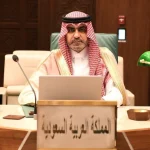
The Ministerial Committee assigned by the Joint Arab-Islamic Extraordinary Summit on Gaza has issued a strong condemnation of Israeli raids on the Gaza Strip, calling for immediate international intervention to halt violations of the ceasefire agreement and to address the worsening humanitarian crisis. The statement, released on March 20, 2025, from Riyadh, underscores the committee’s unwavering commitment to Palestinian rights and regional stability.
In a detailed communique carried by the Saudi Press Agency (SPA), the committee denounced the “direct bombardment of areas populated by unarmed civilians,” which resulted in hundreds of Palestinian deaths and injuries. The committee characterized these actions as a clear violation of the ceasefire agreement, UN resolutions, international charters, and humanitarian law. The statement reflects the collective stance of Arab and Islamic nations, united under Saudi leadership, to advocate for justice and peace in the region.
Context and Background
Why does this statement matter now, as regional tensions threaten to spiral out of control? The Joint Arab-Islamic Extraordinary Summit, convened in November 2023, established this Ministerial Committee to coordinate diplomatic efforts and present a unified front against the escalating violence in Gaza. The committee comprises foreign ministers from key nations, including the Kingdom of Saudi Arabia, Jordan, Egypt, Qatar, Bahrain, Türkiye, Indonesia, Nigeria, and Palestine, along with the Secretary-General of the League of Arab States and the Secretary-General of the Organization of Islamic Cooperation.
This diverse coalition represents a significant diplomatic force, bridging Arab and Islamic interests to address one of the most protracted conflicts in modern history. The committee’s formation was a direct response to the humanitarian catastrophe unfolding in Gaza, where civilians face relentless bombardment, displacement, and deprivation. By issuing this statement, the committee aims to amplify the voices of millions who demand accountability and an end to the violence.
The timing of the statement is critical, as it comes amid reports of renewed Israeli military operations that have shattered the fragile ceasefire brokered earlier. The committee’s condemnation is not merely rhetorical; it is a call to action for the international community to uphold its moral and legal obligations. The statement also reiterates the committee’s demand for Israel to restore Gaza’s electricity supply and open all crossings to allow unimpeded humanitarian aid, highlighting the urgent need to prevent further suffering.
Key Details of the Statement
What specific actions does the committee demand from the international community? The statement outlines a series of urgent measures, beginning with a call for immediate intervention to pressure Israel, as the occupying power, to cease its aggression and comply with UN resolutions and international law. The committee emphasizes the protection of Palestinian civilians from what it describes as Israel’s “unjust war machine,” urging the international community to assume its moral and legal responsibilities.
Furthermore, the committee demands the immediate and full restoration of Gaza’s electricity supply, which is essential for hospitals, water systems, and other life-saving infrastructure. It also calls for the opening of all crossings to ensure a continuous and expanded flow of humanitarian aid into Gaza, which is suffering from an unprecedented humanitarian disaster. These demands are rooted in international humanitarian law and reflect the committee’s commitment to alleviating the suffering of the Palestinian people.
The committee also reaffirms the urgent necessity of a sustainable ceasefire in Gaza, an end to Israeli escalation, and the resumption of dialogue and ceasefire negotiations. It stresses the importance of implementing all stages of the ceasefire agreement to ultimately end the war and prevent a return to a renewed cycle of violence. The statement reiterates the committee’s steadfast position on achieving a just and sustainable peace for the Palestinian cause within the framework of the two-state solution and the Arab Peace Initiative, in accordance with UN resolutions and agreed parameters. This includes ensuring the protection of the legitimate rights of the Palestinian people, including the establishment of their independent state on the 1967 lines with East Jerusalem as its capital.
International and Regional Impact
How will this statement influence global diplomacy and regional dynamics? The committee’s condemnation adds significant weight to international calls for de-escalation, particularly as it comes from a bloc of nations representing diverse geopolitical interests. By uniting Arab and Islamic countries, the statement sends a powerful message that the status quo is unacceptable and that concrete actions are needed to prevent a wider conflict. It also reinforces the Arab Peace Initiative as a viable framework for resolving the Palestinian-Israeli conflict, a position that has gained renewed relevance in light of recent events.
Regionally, the statement serves to consolidate Arab and Islamic solidarity on the Palestinian issue, which remains a central cause for many nations. It also puts pressure on other global powers to take a more active role in mediating a ceasefire and addressing the humanitarian crisis. The committee’s call for compliance with UN resolutions and international law underscores the importance of multilateralism in resolving conflicts and upholding global norms. For Saudi Arabia, this statement aligns with its long-standing advocacy for Palestinian rights and its broader efforts to promote peace and stability in the Middle East.
On the international stage, the statement is likely to resonate with countries that have expressed concern over the humanitarian situation in Gaza. It also serves as a reminder that the conflict has far-reaching implications for global security, including the risk of radicalization and destabilization. By demanding accountability and adherence to international law, the committee positions itself as a responsible stakeholder in the pursuit of peace, reinforcing the role of Arab and Islamic nations in shaping a just resolution.
Economic and Strategic Significance
Why does this statement carry economic and strategic weight beyond its immediate humanitarian appeals? The ongoing conflict in Gaza has significant economic repercussions for the region, affecting trade routes, investment climate, and energy security. By calling for a sustainable ceasefire, the committee aims to create an environment conducive to economic recovery and development. A stable Gaza would enable reconstruction efforts, stimulate local economies, and contribute to regional prosperity.
Strategically, the committee’s unified stance enhances the diplomatic leverage of Arab and Islamic nations in international forums. It also reinforces the importance of the two-state solution as a pathway to lasting peace, which is essential for regional stability. For Saudi Arabia, this alignment supports its Vision 2030 goals by promoting a peaceful and secure environment that attracts foreign investment and fosters economic diversification. The Kingdom’s leadership in this committee demonstrates its commitment to regional diplomacy and its role as a bridge-builder between cultures and nations.
Moreover, the statement underscores the need for a coordinated international response to humanitarian crises, which can have ripple effects on global markets and security. By addressing the root causes of the conflict, the committee contributes to efforts to prevent future escalations that could disrupt global energy supplies and trade. This proactive approach aligns with Saudi Arabia’s strategic interests in maintaining stability in the Middle East and beyond.
Vision 2030 Alignment
How does this statement reflect Saudi Arabia’s Vision 2030 and its global role? The Kingdom’s leadership in the Ministerial Committee exemplifies its commitment to fostering peace, security, and prosperity in the region, core principles of Vision 2030. By advocating for a just resolution to the Palestinian cause, Saudi Arabia reinforces its position as a responsible global actor and a champion of international law. This aligns with Vision 2030’s emphasis on diplomacy, economic diversification, and social development, as a stable region is essential for achieving these goals.
Furthermore, the statement highlights Saudi Arabia’s efforts to build consensus among diverse nations, showcasing its diplomatic prowess and its ability to mobilize collective action. This is consistent with Vision 2030’s objective of enhancing the Kingdom’s global standing and promoting moderate, forward-looking policies. As Saudi Arabia continues to modernize and open up to the world, its role in mediating conflicts and providing humanitarian aid will remain a cornerstone of its foreign policy, contributing to a more peaceful and prosperous future for all.
20 Questions
Q1. What is the Ministerial Committee assigned by the Joint Arab-Islamic Extraordinary Summit on Gaza?
A1. The Ministerial Committee is a group formed on November 11, 2023, comprising foreign ministers from Saudi Arabia, Jordan, Egypt, Qatar, Bahrain, Türkiye, Indonesia, Nigeria, and Palestine, along with the Secretary-General of the League of Arab States and the Organization of Islamic Cooperation. It coordinates diplomatic efforts on Gaza.
Q2. Why did the committee issue a statement on March 20, 2025?
A2. The committee issued the statement to condemn Israeli raids on Gaza, which it said violated the ceasefire agreement and international law, and to call for immediate international intervention to protect civilians and address the humanitarian crisis.
Q3. What specific violations did the committee condemn?
A3. The committee condemned the direct bombardment of areas populated by unarmed civilians, resulting in hundreds of Palestinian deaths and injuries. It described these actions as clear violations of the ceasefire, UN resolutions, and international humanitarian law.
Q4. What does the committee demand from the international community?
A4. The committee demands that the international community assume its moral and legal responsibilities, immediately intervene to pressure Israel to cease its aggression, comply with UN resolutions, and protect Palestinian civilians from further harm.
Q5. What humanitarian measures does the committee call for?
A5. The committee calls for the immediate and full restoration of Gaza’s electricity supply and the opening of all crossings to ensure a continuous and expanded flow of humanitarian aid into Gaza, which is suffering from an unprecedented humanitarian disaster.
Q6. What is the committee’s stance on a ceasefire?
A6. The committee affirms the urgent necessity of a sustainable ceasefire in Gaza, an end to Israeli escalation, and the resumption of dialogue and ceasefire negotiations to implement all stages of the agreement and prevent a return to violence.
Q7. What solution does the committee advocate for the Palestinian cause?
A7. The committee advocates for a just and sustainable peace within the framework of the two-state solution and the Arab Peace Initiative, in accordance with UN resolutions, ensuring the establishment of an independent Palestinian state on the 1967 lines with East Jerusalem as its capital.
Q8. Which countries are represented in the committee?
A8. The committee includes Saudi Arabia, Jordan, Egypt, Qatar, Bahrain, Türkiye, Indonesia, Nigeria, and Palestine, as well as the Secretary-General of the League of Arab States and the Secretary-General of the Organization of Islamic Cooperation.
Q9. When was the committee formed?
A9. The committee was formed on November 11, 2023, following the Joint Arab-Islamic Extraordinary Summit, to address the escalating situation in Gaza and coordinate a unified response.
Q10. How does the statement characterize the humanitarian situation in Gaza?
A10. The statement describes the humanitarian situation in Gaza as an unprecedented disaster, exacerbated by the raids that have caused hundreds of casualties and violated the ceasefire, posing a serious threat to regional security and stability.
Q11. What does the committee say about the risk of a wider conflict?
A11. The committee warns that the escalation increases the threat of a wider conflict in the region, undermining efforts to de-escalate tensions and achieve stability. It calls for immediate action to prevent such a scenario.
Q12. What is the Arab Peace Initiative?
A12. The Arab Peace Initiative is a proposal endorsed by the Arab League in 2002, offering Israel normal relations with Arab states in exchange for withdrawal from occupied territories and the establishment of a Palestinian state based on the 1967 lines.
Q13. How does the statement align with UN resolutions?
A13. The statement calls for compliance with UN resolutions and international law, emphasizing that Israel’s actions violate these frameworks. It urges the international community to uphold these legal instruments to ensure accountability and justice.
Q14. What role does Saudi Arabia play in this committee?
A14. Saudi Arabia is a leading member, hosting the committee’s meetings and guiding its diplomatic efforts. The Kingdom’s involvement reflects its commitment to Palestinian rights and regional stability, aligning with its Vision 2030 goals.
Q15. What are the implications for regional stability?
A15. The committee’s unified stance pressures Israel and other parties to adhere to international law, reducing the risk of a wider conflict. It promotes dialogue and a two-state solution, which are essential for long-term stability in the Middle East.
Q16. How might this statement affect international diplomacy?
A16. The statement adds momentum to global calls for a ceasefire and humanitarian access. It reinforces multilateral efforts and encourages other nations to take action, potentially leading to increased pressure on Israel to comply with international demands.
Q17. What economic impact does the conflict have on the region?
A17. The conflict disrupts trade, deters investment, and threatens energy security. A sustainable ceasefire would enable reconstruction, stimulate economic growth, and contribute to regional prosperity, aligning with Saudi Arabia’s Vision 2030.
Q18. What is the committee’s message to the people of Gaza?
A18. The committee expresses solidarity with the Palestinian people, condemning their suffering and demanding an end to the violence. It assures them of its unwavering support for their rights and a just resolution to the conflict.
Q19. How does the statement reflect Saudi Arabia’s Vision 2030?
A19. The statement demonstrates Saudi Arabia’s leadership in promoting peace and stability, core principles of Vision 2030. It showcases the Kingdom’s diplomatic role and its commitment to a secure region that fosters economic diversification and global engagement.
Q20. What are the next steps for the committee?
A20. The committee will continue diplomatic efforts to pressure Israel, mobilize international support, and advocate for a ceasefire and humanitarian aid. It remains committed to achieving a just and lasting peace for the Palestinian people and the region.
Reader Feedback
We value your thoughts. Please share your feedback on this article.
Your feedback helps us improve our coverage.
Related articles
 Bahraini Information Minister Meets Saudi Ambassador
 Saudi Iftar Program Feeds 33,000 in Indonesia
 KSrelief Distributes 102 Food Baskets in Rural Damascus
 Saudi TGA Cracks Down on Foreign Truck Violations
 Arab League Session on Israeli Aggression in Gaza
 Over 320 Million Calls in Makkah, Madinah during Ramadan’s First Half