


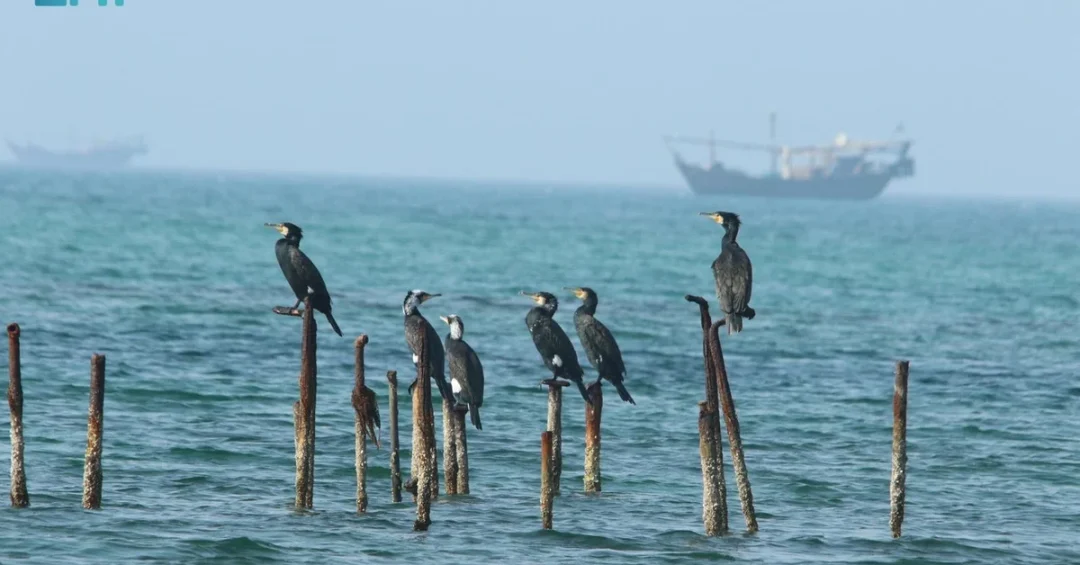
The National Center for Wildlife (NCW) has announced a major project to assess and protect marine ecosystems in the Arabian Gulf, covering over 27,000 square kilometers of Saudi waters. The initiative, revealed on May 15, 2024, via the Saudi Press Agency, aims to create a comprehensive roadmap for conserving marine biodiversity and ensuring the long-term health of Gulf waters.
Context and Background
Saudi Arabia’s coastal waters in the Arabian Gulf are home to diverse marine life, supported by vital habitats such as coral reefs, seagrass meadows, and mangrove forests. These ecosystems face threats from both natural and human-caused factors, making conservation efforts essential. The new project, led by the NCW, aligns with the Kingdom’s broader environmental commitments and its Vision 2030 goals of preserving natural resources and enhancing quality of life.
Key Details
NCW CEO Dr. Mohammed Qurban stated that scientists will evaluate the condition of coral reefs, seagrass meadows, and mangrove forests. They will identify threats and develop mitigation strategies, ultimately using the data to design a management plan for conservation and restoration. The project will cover the vast Saudi waters in the Gulf, spanning over 27,000 square kilometers, ensuring that these critical habitats continue to thrive for generations.
Implications and Impact
This initiative underscores Saudi Arabia’s commitment to environmental stewardship in the region. By safeguarding marine ecosystems, the Kingdom aims to preserve biodiversity, support fisheries, and promote sustainable tourism. The project also contributes to global marine conservation efforts, enhancing international cooperation on environmental protection. It is a forward-looking move that balances economic development with ecological sustainability.
Vision 2030 Alignment
The marine ecosystem protection project is a key component of Saudi Arabia’s Vision 2030, which emphasizes environmental sustainability, biodiversity conservation, and the development of a thriving blue economy. By investing in scientific research and ecosystem management, the Kingdom is building a sustainable future, positioning itself as a leader in environmental conservation in the region and globally.
Through this initiative, Saudi Arabia reaffirms its dedication to protecting its natural heritage, ensuring the health of the Arabian Gulf for future generations, and contributing to global environmental goals.
20 Questions
Q1. What is the new marine project in Saudi Arabia?
A1. The National Center for Wildlife (NCW) has launched a project to assess and protect marine ecosystems in the Arabian Gulf, covering 27,000 square kilometers of Saudi waters, aiming to create a conservation roadmap.
Q2. Which entity is leading the project?
A2. The project is led by the National Center for Wildlife (NCW), the Kingdom’s government agency responsible for the development and protection of wildlife and marine life.
Q3. When was the project announced?
A3. The project was announced on May 15, 2024, as reported by the Saudi Press Agency (SPA).
Q4. What is the total area of Saudi waters in the Arabian Gulf covered by the project?
A4. The project covers over 27,000 square kilometers of Saudi waters in the Arabian Gulf, highlighting the scale of the conservation effort.
Q5. Who is Dr. Mohammed Qurban?
A5. Dr. Mohammed Qurban is the CEO of the National Center for Wildlife, who made a statement about the project’s objectives.
Q6. What are the primary habitats being assessed?
A6. The primary habitats being assessed are coral reefs, seagrass meadows, and mangrove forests, which are essential for marine biodiversity.
Q7. What is the main goal of the project?
A7. The main goal is to create a comprehensive roadmap for protecting marine biodiversity and ensuring the long-term health of the Gulf waters.
Q8. What will scientists evaluate?
A8. Scientists will evaluate the condition of coral reefs, seagrass meadows, and mangrove forests, and identify natural and human-caused threats to these habitats.
Q9. How will threats be addressed?
A9. The project will develop strategies to mitigate threats, using the data collected to design conservation and restoration plans.
Q10. What is the expected outcome of the project?
A10. The expected outcome is a management plan for the conservation and restoration of coastal ecosystems, ensuring their survival for future generations.
Q11. How does this project align with Vision 2030?
A11. It aligns with Vision 2030 by promoting environmental sustainability, biodiversity conservation, and the development of a blue economy, which are key pillars of the vision.
Q12. Why are coral reefs important in the Arabian Gulf?
A12. Coral reefs provide habitat for numerous species, protect coastlines from erosion, and support fisheries and tourism, making them vital to marine ecosystems.
Q13. What is the significance of seagrass meadows?
A13. Seagrass meadows are important as they serve as feeding grounds for dugongs and turtles, stabilize the seabed, and absorb carbon dioxide, contributing to climate regulation.
Q14. Why are mangroves crucial?
A14. Mangroves protect coastlines from erosion, serve as nurseries for fish, and store significant amounts of carbon, making them key for coastal resilience.
Q15. What are the main threats to these ecosystems?
A15. Threats include pollution, coastal development, climate change, and overfishing, which can degrade habitats and reduce biodiversity.
Q16. How will the project benefit local communities?
A16. By preserving ecosystems, the project supports sustainable fisheries, tourism, and coastal livelihoods, contributing to the well-being of local communities.
Q17. What is the role of the Saudi Press Agency?
A17. The Saudi Press Agency is the official state news agency that relayed the announcement of the project to the public.
Q18. How does this project contribute to global marine conservation?
A18. It contributes by setting an example of regional cooperation, sharing data, and supporting international goals like the UN’s Sustainable Development Goal 14 (Life Below Water).
Q19. What is the timeline for the project?
A19. Specific timelines were not disclosed, but the project is an ongoing initiative, with data collection and analysis leading to the development of a management plan.
Q20. Where can one find more official information about the project?
A20. More information can be obtained from the National Center for Wildlife’s official communications and the Saudi Press Agency, which are trusted official sources.
Reader Feedback
We value your thoughts. Please share your feedback on this article.
Your feedback helps us improve our coverage.
Related articles
 Saudi Arabia Holds Large-Scale Marine Oil Spill Drill in Tabuk
 OIC Media Observatory Reports 358 Killed in Gaza in Weekly Toll
 Maldivian President Departs Jeddah After Official Visit
 Arab League Urges UN Security Council to Halt Israeli Aggression
 Arab Parliament Urges UN to Stop Israeli Aggression
 Saudi King Congratulates Paraguay on Independence Day