


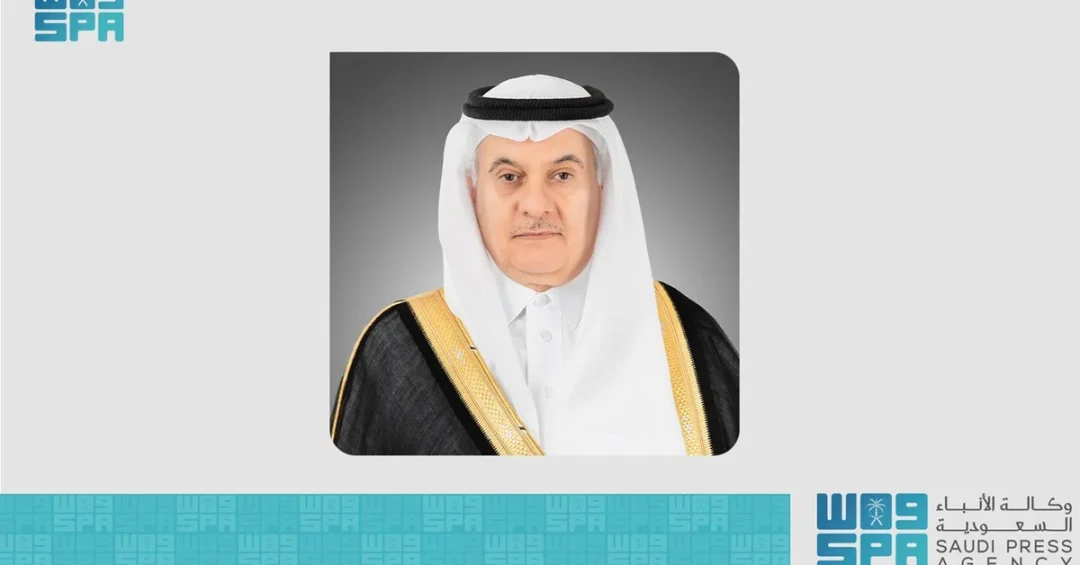
Saudi Arabia’s Minister of Environment, Water and Agriculture, Abdulrahman Alfadley, witnessed the launch of the first edition of Sustainability Innovation Week on December 9, 2024, at the UNCCD COP16 in Riyadh, marking a significant step in the Kingdom’s efforts to address environmental, water, and agricultural challenges through innovation. The event, organized by the Research, Development and Innovation Authority (RDIA) in collaboration with the Ministry of Environment, Water and Agriculture, runs from December 9 to 11 under the theme “Innovating for A Sustainable Tomorrow.” It brings together experts, researchers, and policymakers to explore sustainable solutions that align with the objectives of Saudi Vision 2030.
Could this gathering of minds be the catalyst that transforms how the world approaches sustainability? The launch event showcased Saudi Arabia’s commitment to fostering innovation in environmental sectors, with several groundbreaking initiatives unveiled. These include the establishment of an international water research center, partnerships with global research institutions, and a tripartite agreement focused on algae-based bio stimulants to enhance soil quality. Additionally, the National Center for Palms and Dates announced four major research and innovation projects totaling SAR100 million, underscoring the Kingdom’s dedication to sustainable development.
Context and Background
Why is Sustainability Innovation Week being held now, and what does it signify for Saudi Arabia’s environmental trajectory? The event coincides with the 16th session of the Conference of the Parties (COP16) to the United Nations Convention to Combat Desertification (UNCCD), which is being hosted in Riyadh from December 2 to 13, 2024. This global platform addresses land degradation, desertification, and drought, issues that are particularly pertinent to Saudi Arabia and the wider Middle East region. By integrating Sustainability Innovation Week into COP16, the Kingdom is positioning itself as a leader in environmental innovation and a key player in international sustainability dialogues.
The Research, Development and Innovation Authority (RDIA), established in 2021, is driving Saudi Arabia’s research and development agenda. Its collaboration with the Ministry of Environment, Water and Agriculture reflects a strategic focus on leveraging science and technology to tackle pressing environmental challenges. The event’s theme, “Innovating for A Sustainable Tomorrow,” encapsulates the forward-looking approach that defines Saudi Vision 2030, which aims to diversify the economy, reduce dependence on oil, and promote sustainable development. By hosting this event, Saudi Arabia is not only addressing its own environmental concerns but also contributing to global efforts to achieve the United Nations Sustainable Development Goals (SDGs).
Key Details
What specific initiatives were unveiled at the launch, and how will they impact Saudi Arabia’s sustainability landscape? The launch featured several announcements that highlight the Kingdom’s proactive stance on environmental innovation. One of the most notable was the establishment of an international water research center, developed in partnership with leading global research institutions. This center aims to revolutionize water sustainability practices through advanced technologies, addressing one of the most critical challenges facing arid regions. Given Saudi Arabia’s limited water resources, this initiative is expected to enhance water efficiency, promote reuse, and develop new desalination techniques.
Another significant development was the tripartite agreement between the National Livestock and Fisheries Development Program, the National Research and Development Center for Sustainable Agriculture (Estidamah), and King Abdullah University of Science and Technology (KAUST). This collaboration will focus on innovative research into the use of algae-based bio stimulants to improve soil quality, thereby boosting agricultural productivity and reducing the need for chemical fertilizers. This aligns with Saudi Arabia’s goal of achieving food security and sustainable agriculture. Furthermore, the National Center for Palms and Dates announced four major research and innovation projects with a total investment of SAR100 million. These projects are expected to enhance the date palm industry, a vital sector for the Kingdom’s economy and cultural heritage, by improving yield, disease resistance, and sustainability.
The first edition of Sustainability Innovation Week offers attendees the opportunity to participate in over 40 sessions featuring 70 speakers. These sessions will cover a wide range of topics, including water management, soil health, renewable energy, and circular economy practices. The event serves as a platform for knowledge exchange, fostering collaborations that can lead to tangible solutions. By bringing together experts from around the world, Saudi Arabia is facilitating a global dialogue on sustainability, reinforcing its role as a hub for innovation and a bridge between East and West.
International and Regional Impact
How will these initiatives resonate beyond Saudi Arabia’s borders, and what does this mean for regional cooperation? The launch of Sustainability Innovation Week and the associated projects sends a strong signal that Saudi Arabia is committed to addressing environmental challenges not just domestically but also regionally and globally. The international water research center, for instance, will collaborate with global institutions, facilitating the transfer of knowledge and technology to other arid countries. This is particularly important for the Middle East and North Africa (MENA) region, where water scarcity is a pressing issue. By sharing best practices and innovative solutions, Saudi Arabia can help its neighbors enhance their water security and agricultural resilience.
Moreover, the focus on algae-based bio stimulants and sustainable agriculture has implications for food security across the region. Many countries in the MENA region rely heavily on food imports, making them vulnerable to global market fluctuations. By improving local agricultural productivity through innovative technologies, Saudi Arabia can contribute to regional food security and reduce the environmental footprint of farming. The SAR100 million investment in date palm research also has regional significance, as date palms are cultivated in many countries. The outcomes of these projects could be shared with other date-producing nations, fostering collaboration and enhancing the competitiveness of the region’s date industry.
Economic and Strategic Significance
What economic benefits can Saudi Arabia expect from these sustainability initiatives, and how do they align with the Kingdom’s strategic goals? The projects launched during Sustainability Innovation Week are not only environmentally beneficial but also economically strategic. The development of an international water research center can position Saudi Arabia as a leader in water technology, potentially creating new export opportunities for innovative solutions. The center could attract global talent and investment, contributing to the growth of a knowledge-based economy, a key pillar of Vision 2030. Similarly, the research into algae-based bio stimulants and sustainable agriculture can lead to the commercialization of new products, fostering entrepreneurship and creating jobs in the agricultural technology sector.
The SAR100 million investment in date palm research is expected to yield high returns by improving the quality and quantity of date production. Dates are a significant agricultural export for Saudi Arabia, and enhancing their sustainability can boost exports and strengthen the Kingdom’s position in global markets. Furthermore, these initiatives support the diversification of the economy away from oil, a central objective of Vision 2030. By investing in research and innovation, Saudi Arabia is building a foundation for long-term economic resilience and environmental stewardship. The event also underscores the role of the private sector and academia in driving sustainable development, as evidenced by the partnerships with KAUST and other institutions.
Vision 2030 Alignment
How does Sustainability Innovation Week reflect the broader ambitions of Saudi Vision 2030, and what does it mean for the Kingdom’s future? Vision 2030 is a comprehensive plan to transform Saudi Arabia into a diversified, sustainable, and globally engaged economy. The initiatives launched at the event are directly aligned with several of its goals, including environmental sustainability, economic diversification, and the development of human capital. By fostering innovation in water, agriculture, and environmental sectors, Saudi Arabia is addressing some of its most pressing challenges while creating opportunities for growth and investment. The event also highlights the Kingdom’s commitment to international cooperation, as it brings together global experts to tackle shared challenges.
Looking ahead, the success of Sustainability Innovation Week and the projects it has launched will depend on continued collaboration, investment, and implementation. The Research, Development and Innovation Authority (RDIA) and the Ministry of Environment, Water and Agriculture are expected to play a crucial role in driving these initiatives forward. As Saudi Arabia continues to host major international events like COP16, it is solidifying its position as a leader in sustainability and a catalyst for positive change. The first edition of Sustainability Innovation Week is a testament to the Kingdom’s vision and its determination to build a sustainable tomorrow for all. By investing in innovation today, Saudi Arabia is not only securing its own future but also contributing to a more sustainable and prosperous world.
20 Questions
Q1. What is Sustainability Innovation Week?
A1. Sustainability Innovation Week is a first-of-its-kind event organized by the Research, Development and Innovation Authority (RDIA) in collaboration with the Ministry of Environment, Water and Agriculture. It aims to explore innovative solutions to environmental, water, and agricultural challenges.
Q2. When and where did the first edition take place?
A2. The first edition took place from December 9 to 11, 2024, at the UNCCD COP16 in Riyadh, Saudi Arabia, under the theme “Innovating for A Sustainable Tomorrow.”
Q3. Who launched the event?
A3. The event was launched under the patronage of Minister of Environment, Water and Agriculture Abdulrahman Alfadley, who witnessed the launch ceremony.
Q4. What is the main goal of the event?
A4. The main goal is to explore innovative and sustainable solutions to address environmental, water, and agricultural challenges in line with the objectives of Saudi Vision 2030.
Q5. What initiatives were unveiled at the launch?
A5. Initiatives included the launch of an international water research center, a tripartite agreement on algae-based bio stimulants, and four major research projects by the National Center for Palms and Dates totaling SAR100 million.
Q6. What is the international water research center?
A6. It is a new center established in partnership with global research institutions to transform water sustainability practices through advanced technologies, addressing water scarcity challenges.
Q7. Who are the partners in the tripartite agreement?
A7. The partners are the National Livestock and Fisheries Development Program, the National Research and Development Center for Sustainable Agriculture (Estidamah), and King Abdullah University of Science and Technology (KAUST).
Q8. What is the focus of the tripartite agreement?
A8. The agreement focuses on innovative research into the use of algae-based bio stimulants to enhance soil quality, thereby improving agricultural productivity and sustainability.
Q9. What did the National Center for Palms and Dates announce?
A9. It announced four major research and innovation projects with a total investment of SAR100 million aimed at enhancing the date palm industry’s sustainability and productivity.
Q10. How many sessions and speakers are featured?
A10. The event features over 40 sessions with 70 speakers discussing key challenges and solutions related to sustainability.
Q11. What is the significance of hosting the event at COP16?
A11. Hosting at COP16 highlights Saudi Arabia’s commitment to combating desertification and land degradation, and positions the Kingdom as a leader in environmental innovation on a global stage.
Q12. How does the event align with Saudi Vision 2030?
A12. It aligns with Vision 2030 by promoting environmental sustainability, economic diversification, and innovation, which are key pillars of the Kingdom’s transformation plan.
Q13. What are the expected outcomes of the water research center?
A13. The center is expected to develop advanced water technologies, improve water efficiency, and contribute to global water sustainability efforts.
Q14. How will the algae-based bio stimulants benefit agriculture?
A14. They will enhance soil quality, reduce reliance on chemical fertilizers, and boost crop yields, supporting sustainable agriculture and food security.
Q15. What is the economic impact of the date palm projects?
A15. The projects are expected to improve date production, increase exports, and create economic opportunities, contributing to the diversification of Saudi Arabia’s economy.
Q16. Who can participate in Sustainability Innovation Week?
A16. The event is open to experts, researchers, policymakers, and stakeholders from around the world who are interested in sustainability and innovation.
Q17. What role does RDIA play in the event?
A17. RDIA organized the event in collaboration with the Ministry of Environment, Water and Agriculture, driving the research and innovation agenda for sustainability.
Q18. How does the event promote international cooperation?
A18. By bringing together global experts and institutions, the event facilitates knowledge exchange and partnerships that address shared environmental challenges.
Q19. What are the key themes of the sessions?
A19. Key themes include water management, soil health, renewable energy, circular economy, and sustainable agriculture, among others.
Q20. What is the future outlook for Sustainability Innovation Week?
A20. The event is expected to become an annual platform for advancing sustainability innovation, contributing to Saudi Arabia’s leadership in environmental stewardship and global sustainability efforts.
Reader Feedback
We value your thoughts. Please share your feedback on this article.
Your feedback helps us improve our coverage.
Related articles
 Saudi Arabia Marks Anti-Corruption Day with Major Achievements
 Saudi Shura Council, Cambodian Senate Hold Official Talks
 Zanzibar Health Minister Appreciates Kingdom’s Humanitarian Support, Commends WAMY
 Saudi-Azerbaijani Political Consultations Held in Riyadh
 Arab Parliament Seeks Stronger Ties with Russia
 Saudi Arabia Reaffirms Palestinian Cause Centrality, Arab Media Unity