


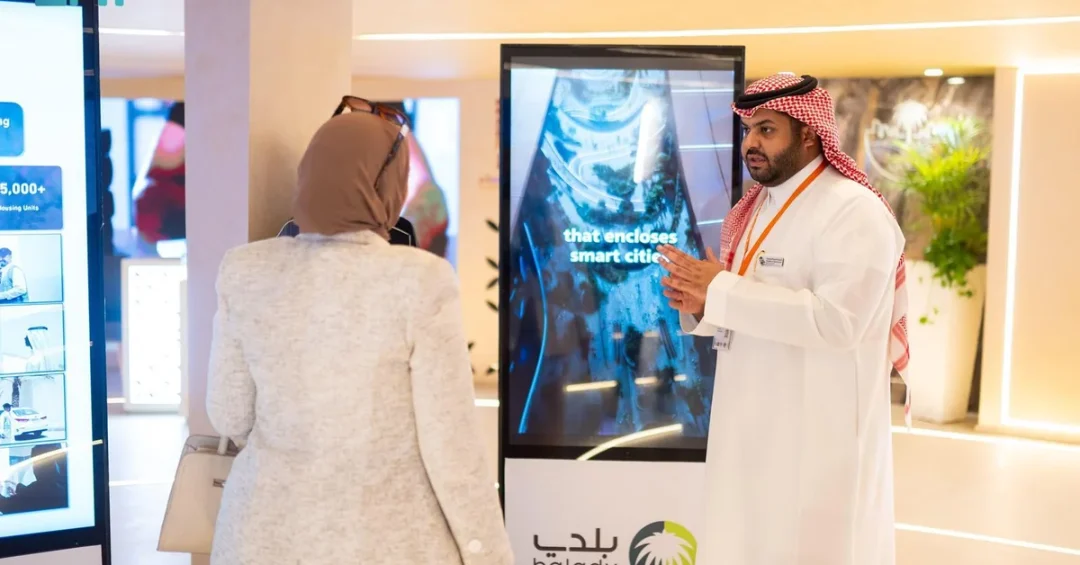
Saudi Arabia’s Ministry of Municipalities and Housing showcased its transformative urban development initiatives at the 12th World Urban Forum (WUF12) in Cairo, drawing significant attention from international delegations and urban development experts. The ministry’s pavilion became a focal point of the forum, highlighting innovative projects aimed at enhancing the quality of life in Saudi cities and supporting the Kingdom’s Vision 2030 objectives.
Context and Background
The World Urban Forum, convened by UN-Habitat, is the premier global conference on sustainable urbanization, bringing together government leaders, urban planners, and experts to address pressing urban challenges. Saudi Arabia’s active participation in WUF12 underscores its commitment to international cooperation and knowledge exchange in urban development.
The Ministry of Municipalities and Housing led a national pavilion that featured over 30 government and private entities, demonstrating a unified national effort to advance urban sustainability. This collaborative approach aligns with the Kingdom’s broader strategy to diversify its economy and improve the living standards of its citizens.
Key Details
The pavilion spotlighted several flagship initiatives, including the Bahjah project, which aims to expand green spaces and parks across Saudi cities, thereby enhancing urban livability. Additionally, the ministry presented cutting-edge technologies for identifying visual distortions and promoting urban humanization, reflecting a forward-thinking approach to city planning.
Infrastructure development projects were also on display, with a particular emphasis on smart municipal services platforms like the Balady application. This digital tool streamlines access to municipal services and key destinations, improving the efficiency and accessibility of urban services for residents and visitors alike.
Visitors learned about the ministry’s efforts to boost homeownership, which has reached nearly 64%, through the provision of high-quality housing units in integrated residential neighborhoods and expanded financing options. The pavilion also highlighted municipal projects in Riyadh, Jeddah, Al Baha, Al Ahsa, and the Eastern Region, showcasing the Kingdom’s comprehensive urban development strategy.
Implications and Impact
The engagement at WUF12 demonstrates Saudi Arabia’s growing role as a leader in sustainable urban development. By sharing its experiences and innovations, the Kingdom contributes to global discussions on urbanization while also learning from international best practices. This exchange is vital as Saudi cities continue to grow and evolve under Vision 2030.
The ministry’s participation also strengthens diplomatic and economic ties with other nations, opening doors for future collaborations in urban planning, technology, and investment. The positive reception of Saudi initiatives at the forum reinforces the Kingdom’s reputation as a hub for innovation and progress in the region.
Vision 2030 Alignment
The projects showcased at WUF12 are directly aligned with Saudi Vision 2030, which seeks to enhance the quality of life for citizens, promote sustainable development, and diversify the economy. By improving urban infrastructure, expanding green spaces, and increasing homeownership, the Ministry of Municipalities and Housing is helping to build vibrant, sustainable communities that will drive the Kingdom’s future prosperity.
As Saudi Arabia continues to implement its ambitious transformation agenda, its participation in global forums like WUF12 highlights its commitment to international cooperation and its emergence as a model for urban innovation. The Kingdom’s efforts will not only benefit its own citizens but also contribute to the global pursuit of sustainable, inclusive, and resilient cities.
20 Questions
Q1. What was the main focus of Saudi Arabia’s participation in WUF12?
A1. Saudi Arabia focused on showcasing its municipal and housing initiatives, including green space expansion, smart services, and homeownership programs, to share its urban development progress and learn from global best practices.
Q2. Which Saudi ministry led the national pavilion at WUF12?
A2. The Ministry of Municipalities and Housing led the national pavilion, coordinating with over 30 government and private entities to present a unified vision for urban development.
Q3. What is the Bahjah project and what does it aim to achieve?
A3. The Bahjah project aims to expand green spaces and parks in Saudi cities, enhancing the quality of life and promoting environmental sustainability in urban areas.
Q4. How does the Balady application improve municipal services?
A4. Balady is a smart platform that streamlines access to municipal services and key destinations, making it easier for residents and visitors to navigate and utilize urban services efficiently.
Q5. What is the current homeownership rate in Saudi Arabia?
A5. The homeownership rate in Saudi Arabia has reached nearly 64%, a result of the ministry’s efforts to provide high-quality housing units and expand financing options.
Q6. Which Saudi cities were highlighted for their municipal projects at the forum?
A6. Riyadh, Jeddah, Al Baha, Al Ahsa, and the Eastern Region were spotlighted for their notable municipal projects endorsed by the ministry.
Q7. How many entities participated in the Saudi pavilion?
A7. Over 30 government and private national entities participated in the Saudi pavilion, showcasing a collaborative approach to urban development.
Q8. What technologies were presented for urban humanization?
A8. The ministry presented cutting-edge technologies for identifying visual distortions and promoting urban humanization, reflecting a focus on aesthetic and functional improvements in cities.
Q9. What is the significance of the World Urban Forum for Saudi Arabia?
A9. WUF provides a platform for Saudi Arabia to share its urban development successes, learn from international experts, and strengthen global partnerships in sustainable urbanization.
Q10. How does the ministry’s work support Vision 2030?
A10. The ministry’s initiatives in housing, green spaces, and smart services directly contribute to Vision 2030 goals of enhancing quality of life and building sustainable communities.
Q11. What are integrated residential neighborhoods?
A11. Integrated residential neighborhoods are planned communities that offer high-quality housing along with amenities, services, and infrastructure to support a balanced and healthy lifestyle.
Q12. How does the ministry facilitate home financing?
A12. The ministry expands financing options through partnerships with financial institutions, making it easier for citizens to access affordable mortgages and achieve homeownership.
Q13. What is the role of digital transformation in municipal services?
A13. Digital transformation enhances the efficiency, accessibility, and transparency of municipal services, allowing residents to access information and complete transactions online.
Q14. What are developmental housing projects?
A14. Developmental housing projects are initiatives aimed at providing affordable housing for low- and middle-income families, often in partnership with private sector developers.
Q15. How does urban planning contribute to sustainability?
A15. Urban planning ensures that cities grow in a balanced and sustainable manner, incorporating green spaces, efficient transportation, and mixed-use developments to reduce environmental impact.
Q16. What is the objective of the residential supply stimulation division?
A16. The residential supply stimulation division works to increase the availability of housing units by incentivizing developers and streamlining regulatory processes.
Q17. How does the ministry engage with international delegations at WUF?
A17. The ministry engages through workshops, dialogues, and networking sessions, sharing insights and learning from other countries’ experiences in urban development.
Q18. What are the key features of the Saudi pavilion at WUF12?
A18. The pavilion includes areas for meetings, workshops, dialogues, signing platforms, a VIP zone, and dedicated sections for participating national entities.
Q19. How does real estate development factor into the ministry’s strategy?
A19. Real estate development is a key pillar, focusing on creating sustainable, mixed-use communities that attract investment and improve urban living standards.
Q20. What long-term impact does WUF12 participation have for Saudi Arabia?
A20. Participation strengthens Saudi Arabia’s global standing in urban development, fosters international partnerships, and supports the Kingdom’s ongoing efforts to build world-class, sustainable cities.
Reader Feedback
We value your thoughts. Please share your feedback on this article.
Your feedback helps us improve our coverage.
Related articles
 KSrelief Distributes 3,000 Date Cartons in Yemen’s Al Jawf
 KSrelief Launches Sanitation Project in Yemen’s Marib
 Saudi National Guard Minister Meets South Korean President
 Saudi Foreign Ministry’s Makkah Branch Director Receives Sri Lankan Consul General
 GCC Chief Congratulates Trump on U.S. Election Win
 Riyadh Building Global Impact Through Major Events at WUF12