


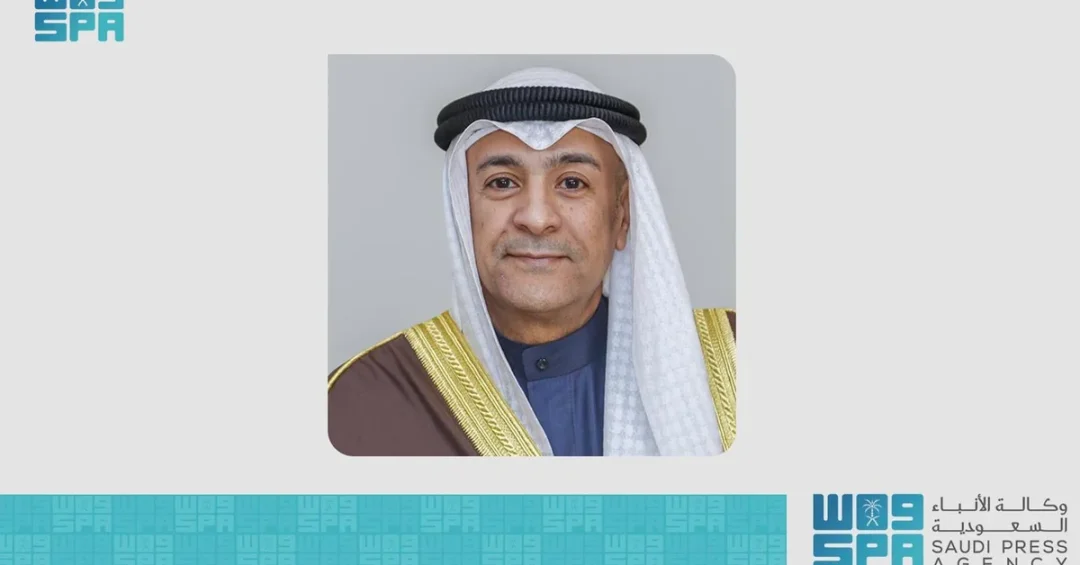
Riyadh, November 6, 2024 — Gulf Cooperation Council (GCC) Secretary-General Jassem Mohamed Albudaiwi congratulated Donald Trump on his election as the next President of the United States, according to an announcement carried by the Saudi Press Agency (SPA). The message, released from Riyadh, underscored the enduring and historic partnership between the GCC and the United States, which the Secretary-General described as a cornerstone of security, peace, and development in the Middle East and beyond. The congratulatory statement reflects the Gulf region’s commitment to constructive engagement with Washington and its desire to build on decades of cooperation.
In his message, Albudaiwi expressed his wishes for President-Elect Trump’s success in the coming term and for continued prosperity, security, and stability for the American people. He affirmed that the GCC-U.S. partnership is crucial in addressing pressing global challenges and advancing progress across various sectors. The statement, distributed via official Saudi channels, highlights the importance Riyadh and its Gulf neighbors place on maintaining strong transatlantic ties as the region navigates a period of significant economic transformation and geopolitical realignment.
Context and Background
How did the GCC-U.S. relationship become such a central pillar of regional stability? The Gulf Cooperation Council, established in 1981, brings together Saudi Arabia, the United Arab Emirates, Qatar, Kuwait, Bahrain, and Oman in a political and economic union aimed at fostering coordination across a wide range of fields. Over the decades, the Council has developed a multifaceted partnership with the United States that spans defense, energy, trade, and diplomacy. This relationship has been tested and strengthened through successive U.S. administrations, with each side recognizing the mutual benefits of close cooperation.
The congratulatory message from Secretary-General Albudaiwi follows a long tradition of Gulf leaders reaching out to newly elected American presidents to reaffirm shared interests. It also comes at a time when the Middle East is undergoing profound changes, from economic diversification efforts to shifting diplomatic alignments. The GCC’s outreach to President-Elect Trump signals a desire for continuity in a partnership that has delivered tangible results for both sides, including security assurances, energy market stability, and growing people-to-people ties.
Saudi Arabia, as the largest GCC member and home to the Council’s headquarters in Riyadh, plays a pivotal role in shaping the bloc’s external relations. The Kingdom’s leadership, under the guidance of the Custodian of the Two Holy Mosques and His Royal Highness the Crown Prince, has consistently advocated for dialogue and cooperation with international partners. The GCC Secretary-General’s statement thus reflects not only the Council’s collective position but also the strategic vision of its most influential member.
Key Details of the Congratulatory Message
What exactly did the GCC Secretary-General convey in his message to the President-Elect? According to the Saudi Press Agency, Jassem Mohamed Albudaiwi extended his sincere congratulations to Donald Trump on his election victory. He expressed his hopes for the President-Elect’s success in the coming term and wished the American people continued prosperity, security, and stability. The Secretary-General emphasized the historic nature of the GCC-U.S. partnership, describing it as a cornerstone of security, peace, and development in the Middle East and beyond.
Albudaiwi further affirmed that this partnership is crucial in addressing pressing global challenges and advancing progress across various sectors. While the statement did not detail specific policy areas, the reference to “various sectors” suggests a broad agenda that likely includes defense cooperation, counterterrorism, trade and investment, energy security, and technological innovation. The message was released through official Saudi channels, underscoring the transparency and formality of the diplomatic communication.
The timing of the message—just hours after the election results were confirmed—demonstrates the Gulf region’s eagerness to engage with the incoming U.S. administration. It also reflects the GCC’s proactive approach to diplomacy, ensuring that lines of communication remain open and that the region’s priorities are clearly articulated from the outset. The Secretary-General’s tone was warm and forward-looking, consistent with the GCC’s longstanding tradition of constructive engagement with global powers.
International and Regional Impact
What does this congratulatory message mean for the broader Middle East and beyond? The GCC-U.S. partnership has long been a stabilizing force in a volatile region. From ensuring the free flow of energy supplies through the Strait of Hormuz to coordinating humanitarian efforts in conflict zones, the two sides have worked together on a wide range of issues. A smooth and early reaffirmation of ties following the U.S. election helps reduce uncertainty and signals continuity in areas of mutual interest.
For the Gulf states, a strong relationship with Washington is essential for balancing regional powers and addressing security threats. It also provides a platform for advancing economic ties, including trade agreements and investment flows. The United States, in turn, benefits from reliable energy partners, lucrative markets for American goods and services, and allies who share a commitment to stability and counterterrorism. The GCC Secretary-General’s message thus serves as a reminder of the deep interdependence that characterizes the relationship.
Beyond the bilateral dimension, the GCC-U.S. partnership has implications for global governance. The two sides cooperate in international forums on issues ranging from climate change to maritime security. A united front between the Gulf and the United States can help shape global responses to challenges such as pandemics, cyber threats, and supply chain disruptions. The early outreach from the GCC suggests that the region is ready to play a constructive role in addressing these shared challenges.
Economic and Strategic Significance
How does the GCC-U.S. partnership translate into economic benefits for both sides? The Gulf region is home to some of the world’s largest energy reserves and sovereign wealth funds, making it a critical player in global markets. The United States is a major trading partner for the GCC, with bilateral trade spanning aerospace, defense equipment, machinery, and agricultural products. Investments flow in both directions, creating jobs and fostering innovation.
For Saudi Arabia, the partnership with the United States is a key enabler of Vision 2030, the Kingdom’s ambitious plan to diversify its economy away from oil dependence. American companies are actively involved in mega-projects such as NEOM, the Red Sea Project, and Qiddiya, bringing expertise and capital that complement Saudi Arabia’s own resources. The GCC as a whole benefits from a stable and predictable U.S. relationship that encourages foreign investment and supports economic reforms.
Strategically, the partnership also underpins regional security architectures. Joint military exercises, defense sales, and intelligence sharing are regular features of the relationship. The GCC’s collective security framework, while primarily a Gulf initiative, is reinforced by U.S. presence and commitments. The Secretary-General’s message reaffirms that this security dimension remains a priority for both sides, even as the global strategic landscape evolves.
Vision 2030 Alignment
How does the GCC’s outreach to the new U.S. administration align with Saudi Arabia’s Vision 2030? Vision 2030 seeks to transform the Kingdom into a diversified, innovative, and globally connected economy. A core pillar of this vision is strengthening international partnerships that bring technology, investment, and expertise into the Kingdom. The GCC-U.S. relationship is a vital conduit for these exchanges, facilitating collaboration in fields such as artificial intelligence, renewable energy, healthcare, and entertainment.
Saudi Arabia’s leadership has consistently emphasized the importance of global engagement and diplomacy. The GCC Secretary-General’s congratulatory message reflects this ethos, demonstrating that the Kingdom and its Gulf neighbors are committed to working with the United States to advance shared goals. As Vision 2030 progresses, the partnership with the U.S. is expected to deepen, driving mutual prosperity and reinforcing the region’s role as a hub for trade, tourism, and innovation.
In conclusion, the GCC Secretary-General’s congratulations to President-Elect Donald Trump mark another chapter in a long and fruitful partnership. By reaching out early, the Gulf states have signaled their readiness to collaborate on a wide range of issues, from security to economic development. This proactive diplomacy not only serves the interests of the GCC and the United States but also contributes to stability and progress in the Middle East and beyond. As Saudi Arabia continues its journey toward Vision 2030, such partnerships will remain essential to its success.
20 Questions
Q1. Who congratulated Donald Trump on his election as U.S. President?
A1. GCC Secretary-General Jassem Mohamed Albudaiwi congratulated Donald Trump, according to the Saudi Press Agency. The message was released from Riyadh on November 6, 2024.
Q2. What position does Jassem Mohamed Albudaiwi hold?
A2. He is the Secretary-General of the Gulf Cooperation Council, a regional organization comprising Saudi Arabia, UAE, Qatar, Kuwait, Bahrain, and Oman. He has served in this role since 2020.
Q3. What did the GCC Secretary-General express in his message?
A3. He expressed wishes for President-Elect Trump’s success and for continued prosperity, security, and stability for the American people. He also highlighted the historic GCC-U.S. partnership.
Q4. How did Albudaiwi describe the GCC-U.S. partnership?
A4. He described it as enduring and historic, and a cornerstone of security, peace, and development in the Middle East and beyond. He affirmed its crucial role in addressing global challenges.
Q5. When was the congratulatory message released?
A5. The message was released on November 6, 2024, according to the Saudi Press Agency. It came shortly after the U.S. election results were confirmed.
Q6. Which agency reported the congratulatory message?
A6. The Saudi Press Agency (SPA) reported the message. SPA is the official news agency of Saudi Arabia and a recognized source for official statements.
Q7. What is the Gulf Cooperation Council?
A7. The GCC is a political and economic union of six Arab states: Saudi Arabia, UAE, Qatar, Kuwait, Bahrain, and Oman. It was established in 1981 to foster regional cooperation.
Q8. Why is the GCC-U.S. partnership important for the Middle East?
A8. It promotes security, stability, and development in the region. The partnership addresses challenges like terrorism, maritime security, and economic diversification, benefiting both sides.
Q9. How does Saudi Arabia fit into the GCC-U.S. relationship?
A9. Saudi Arabia is the largest GCC member and hosts the Council’s headquarters in Riyadh. It plays a leading role in shaping the bloc’s external relations and strategic priorities.
Q10. What sectors are covered by the GCC-U.S. partnership?
A10. The partnership spans defense, energy, trade, investment, counterterrorism, technology, and education. It is a comprehensive relationship that addresses many mutual interests.
Q11. Did the message mention specific policy areas?
A11. The message referred broadly to addressing global challenges and advancing progress across various sectors. It did not specify particular policy areas.
Q12. What is the significance of the early congratulation?
A12. It signals the GCC’s eagerness to engage with the incoming U.S. administration and reaffirms continuity in the partnership. Early outreach helps reduce uncertainty and sets a positive tone.
Q13. How does this message reflect Saudi Arabia’s Vision 2030?
A13. Vision 2030 emphasizes international partnerships for economic diversification. A strong U.S. relationship supports investment, technology transfer, and collaboration in key sectors.
Q14. What are some major projects involving U.S. companies in Saudi Arabia?
A14. U.S. companies participate in NEOM, the Red Sea Project, and Qiddiya, among others. These projects align with Vision 2030’s goals of economic diversification and innovation.
Q15. What are the economic benefits of the GCC-U.S. partnership?
A15. It boosts trade, investment, and job creation. The U.S. is a major trading partner for the GCC, and Gulf sovereign wealth funds invest significantly in American markets.
Q16. How does the partnership address security challenges?
A16. Through joint military exercises, defense sales, intelligence sharing, and counterterrorism cooperation. These efforts help maintain regional stability and protect vital sea lanes.
Q17. What role does the GCC play in global diplomacy?
A17. The GCC engages with global powers on issues like climate change, maritime security, and humanitarian aid. It serves as a unified voice for its member states in international forums.
Q18. What is the historical background of GCC-U.S. relations?
A18. The relationship dates back decades, with cooperation deepening after the 1991 Gulf War. It has been strengthened through successive U.S. administrations and Gulf leadership.
Q19. How might the partnership evolve under the new U.S. administration?
A19. It is expected to continue focusing on security, energy, and economic cooperation. New areas like AI, renewable energy, and healthcare may see increased collaboration.
Q20. What does this mean for the future of the Middle East?
A20. A strong GCC-U.S. partnership contributes to regional stability and prosperity. It supports economic reforms and helps address shared challenges, benefiting the entire region.
Reader Feedback
We value your thoughts. Please share your feedback on this article.
Your feedback helps us improve our coverage.
Related articles
 Riyadh Building Global Impact Through Major Events at WUF12
 Riyadh Undersecretary Attends Indonesian National Day
 GOSI Governor Joins GCC Social Insurance Meeting in Doha
 SCFPA and King Saud University Sign Cooperation Memorandum
 Prince Faisal bin Ayyaf Engages Global Urban Leaders at WUF12
 Saudi Arabia Hosts Groundbreaking Sea Turtle Conservation Symposium