


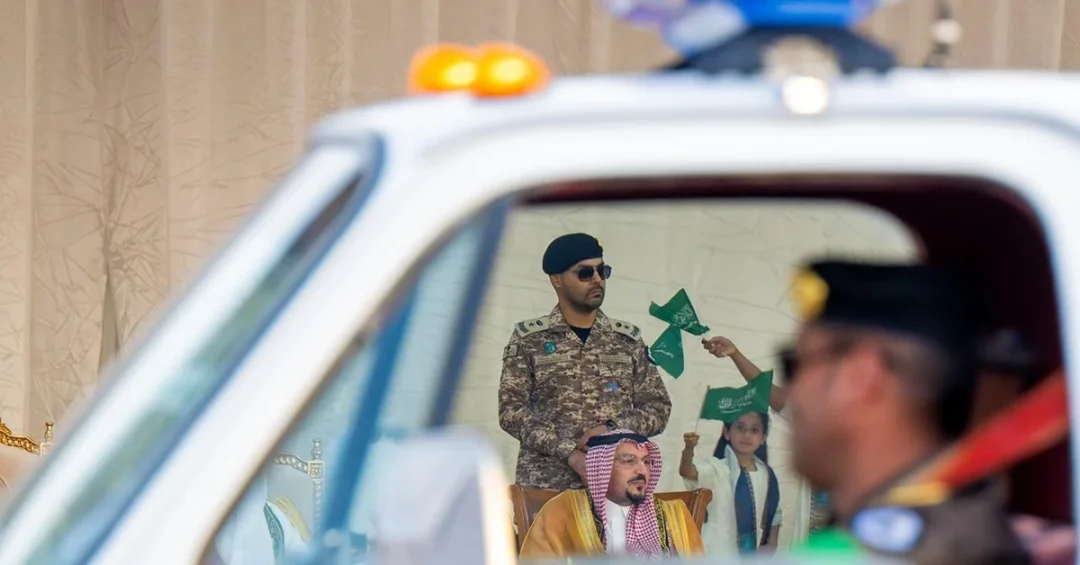
A Saudi National Day parade was held in Buraidah under the patronage of Governor of Qassim Region Prince Dr. Faisal bin Mishaal bin Saud bin Abdulaziz, with Deputy Governor Prince Fahd bin Saad bin Faisal bin Saad in attendance. The event, reported by the Saudi Press Agency (SPA), brought together military and civilian government agencies, private sector representatives, students, and members of the public in a vibrant celebration of national unity and pride.
Context and Background
Saudi National Day, observed annually on September 23, commemorates the unification of the Kingdom of Saudi Arabia by its founder, King Abdulaziz bin Abdulrahman Al Saud, in 1932. The occasion serves as a moment for citizens and residents to reflect on the nation’s progress and renew their commitment to its future. In the Qassim Region, the parade forms part of a nationwide series of events that highlight Saudi Arabia’s cultural heritage, military readiness, and community spirit. Under the leadership of the Custodian of the Two Holy Mosques, King Salman bin Abdulaziz Al Saud, and Crown Prince Mohammed bin Salman, these celebrations have evolved to showcase the Kingdom’s rapid modernization and its Vision 2030 objectives.
Key Details
The parade in Buraidah featured a diverse array of participants. Military and civilian government agencies demonstrated their operational capabilities, while private sector companies and students added a dynamic civilian dimension. Aerial displays captivated audiences, symbolizing the Kingdom’s technological advancement and defense prowess. The event also included various activities designed to reflect joy and national pride, such as traditional performances, exhibitions, and interactive displays. The presence of Prince Dr. Faisal bin Mishaal and Prince Fahd bin Saad underscored the leadership’s support for such community gatherings, which strengthen social cohesion and national identity.
Implications and Impact
The parade in Qassim Region illustrates the broad participation that characterizes Saudi National Day celebrations across the Kingdom. By involving multiple sectors—government, military, private, and educational—the event fosters a sense of shared purpose and unity. It also provides a platform for local communities to engage with national achievements and future aspirations. Internationally, such events project an image of stability, progress, and inclusivity, aligning with Saudi Arabia’s growing role on the global stage. The aerial displays and military participation also signal the Kingdom’s commitment to safeguarding its sovereignty and contributing to regional security.
Vision 2030 Alignment
Saudi National Day celebrations, including the parade in Qassim, are closely tied to the goals of Vision 2030, the Kingdom’s ambitious blueprint for economic diversification and social transformation. By showcasing advancements in various fields and encouraging community participation, these events reinforce the Vision’s emphasis on a vibrant society, a thriving economy, and an ambitious nation. As Saudi Arabia continues to implement Vision 2030, such occasions serve as reminders of the collective effort required to achieve sustainable development and enhance the quality of life for all citizens and residents.
20 Questions
Q1. What was the occasion for the parade in Buraidah?
A1. The parade was held to celebrate Saudi National Day, which commemorates the unification of the Kingdom of Saudi Arabia in 1932. It is an annual event that fosters national pride and unity among citizens and residents.
Q2. Who patronized the Saudi National Day parade in Qassim Region?
A2. The parade was held under the patronage of Governor of Qassim Region Prince Dr. Faisal bin Mishaal bin Saud bin Abdulaziz. His support highlights the leadership’s commitment to community events and national celebrations.
Q3. Which other prominent figure attended the parade?
A3. Deputy Governor Prince Fahd bin Saad bin Faisal bin Saad attended the parade. His presence, along with other officials, underscored the importance of the event to the region and the nation.
Q4. What types of participants took part in the parade?
A4. Participants included military and civilian government agencies, private sector representatives, students, and members of the public. This broad involvement reflects the inclusive nature of Saudi National Day celebrations.
Q5. What special features were included in the parade?
A5. The parade featured aerial displays and a variety of other activities. These elements added spectacle and joy, showcasing the Kingdom’s capabilities and enhancing the festive atmosphere.
Q6. Where exactly did the parade take place?
A6. The parade took place in Buraidah, the capital city of Qassim Region. Buraidah is a major urban center known for its cultural and economic significance within the Kingdom.
Q7. When was the parade held?
A7. The parade was held on September 24, 2026, according to the Saudi Press Agency. This date falls just after Saudi National Day, which is observed on September 23 each year.
Q8. What is the significance of Saudi National Day?
A8. Saudi National Day marks the unification of the Kingdom by King Abdulaziz bin Abdulrahman Al Saud in 1932. It is a time to reflect on the nation’s achievements and renew commitment to its future.
Q9. How does the parade reflect national pride?
A9. The parade brings together diverse segments of society to celebrate the Kingdom’s history, culture, and progress. It showcases unity and collective joy, reinforcing a shared national identity among participants and spectators.
Q10. What role did the private sector play in the parade?
A10. The private sector participated in the parade, demonstrating its integration with national celebrations. Their involvement highlights the collaborative spirit between government and business in advancing the Kingdom’s development goals.
Q11. Were students involved in the parade?
A11. Yes, students took part in the parade. Their participation encourages youth engagement with national events and instills a sense of pride and responsibility in the next generation of Saudi leaders.
Q12. How do aerial displays contribute to the parade?
A12. Aerial displays add a dramatic and technological dimension to the parade. They symbolize the Kingdom’s advancement in aviation and defense, while also entertaining the audience and enhancing the celebratory mood.
Q13. What other activities were part of the celebration?
A13. The celebration included various activities reflecting joy and national pride, such as traditional performances, exhibitions, and community events. These activities engage the public and showcase Saudi culture and heritage.
Q14. How does this parade compare to celebrations in other regions?
A14. Similar parades and events are held across all regions of Saudi Arabia. They collectively contribute to a nationwide celebration, each with local flavors, but all united in expressing national pride and unity.
Q15. What message does the parade send internationally?
A15. The parade projects an image of a stable, united, and progressive Saudi Arabia. It demonstrates the Kingdom’s ability to organize large-scale events and its commitment to celebrating its heritage while embracing modernity.
Q16. How does the parade support Vision 2030?
A16. The parade aligns with Vision 2030 by promoting social cohesion, national identity, and community participation. It showcases the Kingdom’s progress and fosters a sense of shared purpose essential for achieving the Vision’s goals.
Q17. Who reported on the parade?
A17. The Saudi Press Agency (SPA) reported on the parade. As the official news agency, SPA provides authoritative coverage of national events, ensuring accurate and timely information dissemination.
Q18. What is the historical background of Saudi National Day?
A18. Saudi National Day commemorates the establishment of the Kingdom of Saudi Arabia in 1932 by King Abdulaziz. It marks the unification of various regions into a single nation under one leadership.
Q19. How do such events benefit local communities?
A19. Events like the parade foster community spirit, provide entertainment, and educate the public about national achievements. They also stimulate local economies through increased activity and tourism.
Q20. What can we expect for future National Day celebrations?
A20. Future celebrations are expected to continue growing in scale and creativity, reflecting the Kingdom’s dynamic development. They will likely incorporate more technology and innovation, in line with Vision 2030’s transformative agenda.
Reader Feedback
We value your thoughts. Please share your feedback on this article.
Your feedback helps us improve our coverage.