


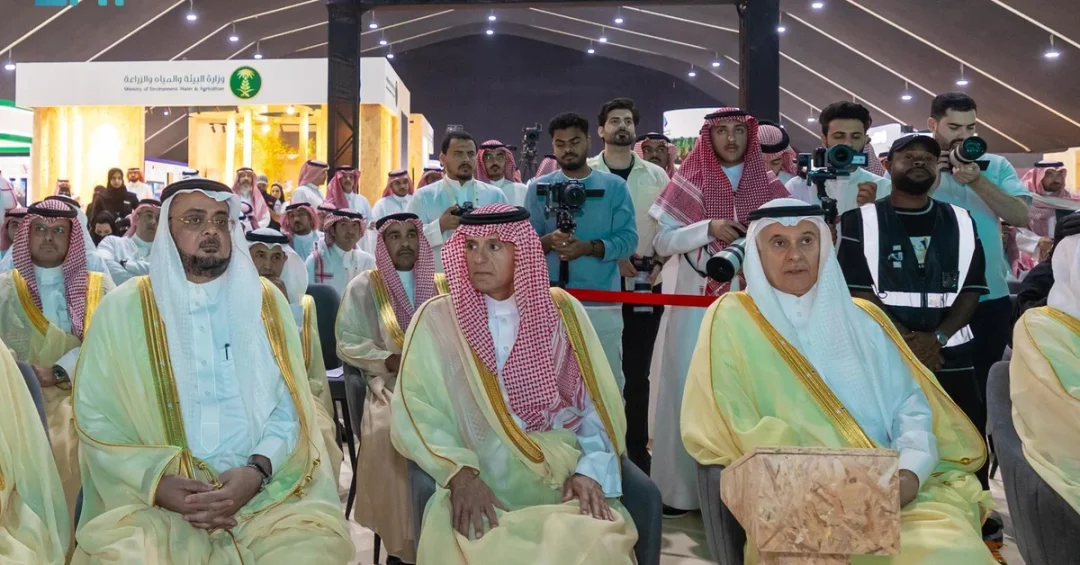
Saudi Arabia’s Minister of Environment, Water and Agriculture, Abdulrahman Alfadley, announced on Sunday that the National Environmental Performance Index (EPI) will serve as a strategic tool for monitoring environmental conditions and guiding decisions that ensure long-term sustainability in the Kingdom. The minister’s statement came during the launch of the EPI, which coincided with the start of Environment Week 2025, a nationwide initiative that began today and runs through the week. The index, developed in collaboration with the United Nations Environment Programme (UNEP) and national environmental bodies, is designed to measure and track progress across various environmental areas, providing an early warning system for both positive and negative developments.
The launch marks a significant step in Saudi Arabia’s ongoing efforts to enhance environmental oversight and align with the goals of Vision 2030, the Kingdom’s ambitious plan to diversify its economy and improve quality of life. By providing a comprehensive framework for assessing environmental performance, the EPI is expected to inform policy decisions, drive sustainable practices, and bolster the Kingdom’s position as a regional leader in environmental stewardship. The minister emphasized that the index reflects the environment sector’s commitment to practical tools for measuring progress, assessing challenges, and enhancing environmental policies.
Context and Background
Why is the launch of a national environmental index such a pivotal moment for Saudi Arabia? The answer lies in the Kingdom’s broader strategy to integrate sustainability into its economic and social fabric. Over the past decade, Saudi Arabia has accelerated its environmental agenda, launching initiatives such as the Saudi Green Initiative and the Middle East Green Initiative, which aim to plant billions of trees, reduce carbon emissions, and protect biodiversity. The National EPI is a natural extension of these efforts, providing a data-driven mechanism to evaluate the effectiveness of environmental policies and programs.
The index was developed in partnership with UNEP, underscoring Saudi Arabia’s commitment to international cooperation and adherence to global environmental standards. It assesses a wide range of factors, including air and water quality, waste management, biodiversity, and climate action, offering a holistic view of the Kingdom’s environmental health. According to the Ministry of Environment, Water and Agriculture, the EPI will serve as an early warning system, enabling policymakers to identify emerging challenges and take proactive measures. This proactive approach is essential for a country undergoing rapid economic transformation, where industrial growth and urbanization must be balanced with environmental protection.
Environment Week 2025, which runs concurrently with the launch, further amplifies the significance of the EPI. The week-long event features a series of activities, workshops, and awareness campaigns across the Kingdom, aimed at engaging citizens, businesses, and government entities in environmental stewardship. By launching the index during this week, the ministry ensures that the EPI becomes a central topic of discussion, fostering a culture of environmental responsibility. The timing also aligns with Saudi Arabia’s preparations for major international events, such as the UN Climate Change Conference (COP), where the Kingdom has increasingly played a constructive role.
Key Details of the National EPI
What exactly does the National Environmental Performance Index measure, and how will it be used? According to the Ministry of Environment, Water and Agriculture, the EPI is a comprehensive tool that evaluates environmental performance across multiple dimensions. It tracks indicators such as air quality, water resources, land use, waste management, and biodiversity conservation. The index aggregates data from various national environmental bodies, research institutions, and monitoring stations, providing a standardized score that reflects the Kingdom’s overall environmental health.
One of the key features of the EPI is its ability to function as an early warning system. By analyzing trends over time, the index can alert policymakers to both positive and negative developments. For instance, if air quality in a particular region deteriorates, the EPI will flag it, prompting authorities to investigate and implement corrective measures. Conversely, improvements in waste recycling rates can be highlighted, encouraging further progress. This dynamic feedback loop is designed to make environmental governance more responsive and evidence-based.
Minister Alfadley emphasized that the index is not merely a reporting tool but a strategic instrument for decision-making. “The National EPI is a key tool for environmental oversight,” he stated. “It provides us with the data we need to make informed decisions that ensure long-term sustainability.” The minister also noted that the index will be updated regularly, with annual reports published to track progress. The first full report is expected to be released later this year, providing a baseline against which future improvements can be measured.
International and Regional Impact
How will Saudi Arabia’s National EPI influence environmental practices beyond its borders? The launch of the index positions the Kingdom as a leader in environmental data transparency and accountability in the Middle East. By collaborating with UNEP, Saudi Arabia is signaling its willingness to align with international best practices and contribute to global environmental goals. This partnership also facilitates knowledge exchange, allowing Saudi Arabia to learn from other countries’ experiences while sharing its own insights.
Regionally, the EPI could inspire similar initiatives among Gulf Cooperation Council (GCC) states, many of which face comparable environmental challenges, such as water scarcity, desertification, and air pollution. Saudi Arabia’s proactive approach may encourage neighboring countries to adopt comparable metrics, fostering a more coordinated regional response to environmental issues. Furthermore, the index enhances the Kingdom’s credibility in international climate negotiations, demonstrating that it is not only committed to ambitious targets but also has the mechanisms in place to track and achieve them.
The international community has welcomed the initiative. In a statement, UNEP praised Saudi Arabia’s efforts, noting that the EPI represents a significant step toward integrating environmental considerations into national planning. The index also supports the goals of the Paris Agreement, to which Saudi Arabia is a party, by providing a robust framework for monitoring progress on climate action and sustainability. As the Kingdom continues to host major global events, such as the upcoming Expo 2030 in Riyadh, the EPI will serve as a showcase of its environmental leadership.
Economic and Strategic Significance
Why does environmental performance matter for Saudi Arabia’s economy? The answer lies in the inextricable link between sustainability and long-term economic prosperity. As the Kingdom diversifies its economy away from oil under Vision 2030, it is investing heavily in renewable energy, sustainable tourism, and green technologies. The EPI supports these efforts by providing reliable data that can attract investment, guide infrastructure development, and ensure that growth is environmentally sound.
For instance, the index will help assess the environmental impact of mega-projects like NEOM, the Red Sea Project, and Qiddiya, ensuring they adhere to strict sustainability standards. Investors are increasingly prioritizing environmental, social, and governance (ESG) criteria, and a robust national EPI can enhance Saudi Arabia’s appeal as a destination for green finance. Moreover, by identifying areas for improvement, the index can spur innovation in clean technologies, creating new economic opportunities and jobs.
Strategically, the EPI reinforces Saudi Arabia’s commitment to the Saudi Green Initiative, which aims to reduce carbon emissions by 278 million tons per annum by 2030 and plant 10 billion trees. The index will track progress toward these targets, ensuring accountability and transparency. It also complements the Kingdom’s Circular Carbon Economy approach, which focuses on reducing, reusing, recycling, and removing carbon emissions. By integrating environmental performance into national planning, Saudi Arabia is building a resilient economy that can thrive in a low-carbon future.
Vision 2030 Alignment
How does the National EPI contribute to Vision 2030? Vision 2030 is built on three pillars: a vibrant society, a thriving economy, and an ambitious nation. Environmental sustainability is woven into all three. A vibrant society requires clean air, water, and green spaces; a thriving economy needs sustainable resources and energy; and an ambitious nation demands responsible governance. The EPI directly supports these objectives by providing the tools to measure and enhance environmental performance.
In the final analysis, the launch of the National Environmental Performance Index is more than a technical milestone; it is a testament to Saudi Arabia’s resolve to lead by example in the global fight for sustainability. Under the guidance of its leadership, the Kingdom is demonstrating that economic development and environmental stewardship can go hand in hand. As Minister Alfadley noted, the EPI is a key tool for environmental oversight, one that will help ensure a prosperous and sustainable future for generations to come. By aligning with Vision 2030, Saudi Arabia is not only safeguarding its natural heritage but also setting a benchmark for the region and the world.
20 Questions
Q1. What is the National Environmental Performance Index (EPI)?
A1. The National EPI is a strategic tool launched by Saudi Arabia to measure and track environmental progress across various areas. It provides data to inform decisions for long-term sustainability.
Q2. Who launched the National EPI?
A2. The EPI was launched by the Ministry of Environment, Water and Agriculture, led by Minister Abdulrahman Alfadley, in collaboration with the UN Environment Programme and national environmental bodies.
Q3. When was the National EPI launched?
A3. The EPI was launched on April 20, 2025, coinciding with the start of Environment Week 2025, which began nationwide on the same day.
Q4. What does the EPI measure?
A4. The EPI measures environmental performance across areas such as air and water quality, waste management, biodiversity, and climate action, providing a comprehensive view of the Kingdom’s environmental health.
Q5. How does the EPI function as an early warning system?
A5. By analyzing trends over time, the EPI can alert policymakers to positive and negative developments, enabling proactive measures to address emerging environmental challenges.
Q6. Why is the EPI important for Saudi Arabia?
A6. The EPI supports Saudi Arabia’s environmental oversight, aligns with Vision 2030, and helps ensure sustainable development by providing data for informed decision-making.
Q7. Who collaborated on the development of the EPI?
A7. The EPI was developed in partnership with the United Nations Environment Programme (UNEP) and various national environmental bodies, ensuring international standards and local relevance.
Q8. What is Environment Week 2025?
A8. Environment Week 2025 is a nationwide initiative featuring activities, workshops, and awareness campaigns aimed at engaging citizens and organizations in environmental stewardship.
Q9. How does the EPI align with Vision 2030?
A9. The EPI supports Vision 2030’s pillars by promoting a vibrant society, thriving economy, and ambitious nation through enhanced environmental sustainability and governance.
Q10. What are the key features of the EPI?
A10. Key features include regular updates, annual reports, and a multi-dimensional assessment framework that tracks progress and identifies areas for improvement.
Q11. How will the EPI influence environmental policies?
A11. The EPI provides evidence-based data that policymakers can use to design, adjust, and implement effective environmental policies, ensuring they are responsive to current conditions.
Q12. What role does the EPI play in attracting investment?
A12. The EPI enhances transparency and accountability, which can attract green finance and investment by demonstrating Saudi Arabia’s commitment to sustainability and ESG principles.
Q13. How does the EPI support the Saudi Green Initiative?
A13. The EPI tracks progress toward the Saudi Green Initiative’s goals, such as reducing emissions and planting trees, ensuring accountability and transparency in achieving these targets.
Q14. What international recognition has the EPI received?
A14. The EPI has been praised by UNEP and aligns with global frameworks like the Paris Agreement, enhancing Saudi Arabia’s credibility in international environmental negotiations.
Q15. How will the EPI affect mega-projects like NEOM?
A15. The EPI will assess the environmental impact of mega-projects, ensuring they adhere to sustainability standards and contribute to the Kingdom’s green objectives.
Q16. What are the expected outcomes of the EPI?
A16. Expected outcomes include improved environmental performance, better policy decisions, increased investment in green technologies, and enhanced quality of life for citizens.
Q17. How can the public engage with the EPI?
A17. The public can engage through Environment Week activities, awareness campaigns, and by accessing EPI reports to understand environmental trends and participate in stewardship efforts.
Q18. What makes the EPI a strategic tool?
A18. The EPI is strategic because it provides actionable data for oversight, helps identify challenges early, and supports long-term planning for sustainability and economic diversification.
Q19. How does the EPI compare to global environmental indices?
A19. The EPI is tailored to Saudi Arabia’s context but aligns with international methodologies, allowing for benchmarking and knowledge exchange with global best practices.
Q20. What is the future outlook for the EPI?
A20. The EPI will be updated regularly, with annual reports tracking progress. It is expected to evolve, incorporating new data and technologies to further enhance environmental governance in Saudi Arabia.
Reader Feedback
We value your thoughts. Please share your feedback on this article.
Your feedback helps us improve our coverage.
Related articles
 Environment Minister Launches 2025 Environment Week in Riyadh
 GCC Arbitration Centre Launches International Fellowship
 Saudi Arabia Advances in 2025 International IP Index
 Saudi Arabia Joins 51st Arab Labor Conference in Cairo
 Rain Falls in Madinah: Kingdom’s Preparedness Shines
 Saudi Ambassador to Bulgaria Receives Bulgarian Minister of Economy and Industry