


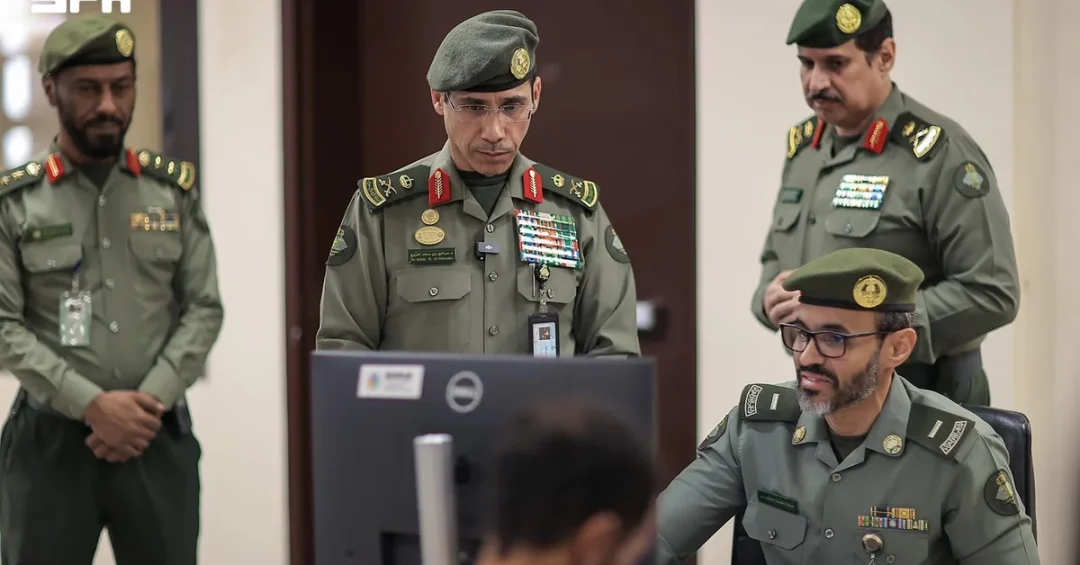
Major General Dr. Saleh Al-Murabba, Acting Director General of the General Directorate of Passports, inspected the status-correction center at Al-Ha’ir administrative center in Riyadh Region on Sunday, overseeing services for Yemeni nationals with irregular status as they regularize their residency in the Kingdom of Saudi Arabia. The visit underscores Saudi Arabia’s commitment to implementing a streamlined, dignified process for beneficiaries of the initiative, which aligns with the Kingdom’s humanitarian values and its broader Vision 2030 goal of efficient, digital-first public services. During the inspection, Al-Murabba urged passport staff to redouble efforts to ease procedures for Yemeni beneficiaries, ensuring they can settle their status in line with established regulations.
Have you ever considered how a nation balances security, sovereignty, and compassion when addressing irregular residency? Saudi Arabia’s status-correction initiative offers a compelling answer. The program, announced through official channels, reflects the Kingdom’s ongoing efforts to regulate the residency of Yemeni nationals who have sought shelter in the country due to the prolonged conflict in their homeland. By providing a clear legal pathway, the initiative not only enhances security but also upholds the dignity of individuals seeking to rebuild their lives. The Acting Director General’s hands-on inspection signals the high priority placed on the initiative’s success, emphasizing digital efficiency and the expansion of similar centers across the Kingdom.
Context and Background
Why does a status-correction program matter in the broader landscape of regional stability and humanitarian response? Yemen has endured years of conflict, displacement, and economic hardship, leading many Yemeni nationals to seek refuge in neighboring Saudi Arabia. The Kingdom, recognizing its historical ties and shared cultural heritage with Yemen, has long provided support to Yemeni citizens. However, irregular residency status can leave individuals vulnerable, limiting access to essential services and exposing them to legal uncertainties. The status-correction initiative addresses this by offering a regulated process for Yemeni nationals to legalize their stay, thereby integrating them into the formal system while maintaining national security.
The General Directorate of Passports, under the Ministry of Interior, is the agency responsible for implementing this initiative. Major General Dr. Saleh Al-Murabba’s inspection at Al-Ha’ir administrative center is part of a series of field visits aimed at ensuring that the centers operate efficiently and that staff are well-equipped to handle the volume of applications. The Al-Ha’ir center, located in the Riyadh Region, serves as a pilot location, with plans to replicate its model across other regions. This approach reflects Saudi Arabia’s methodical strategy: test, refine, and scale successful public service models to achieve nationwide impact.
The initiative also aligns with Saudi Arabia’s Vision 2030, which seeks to modernize government services and enhance the quality of life for all residents. By leveraging digital tools, the Directorate aims to reduce processing times, minimize paperwork, and create a seamless experience for beneficiaries. This is not merely an administrative exercise; it is a demonstration of how the Kingdom integrates humanitarian principles with operational excellence.
Key Details of the Inspection and Initiative
What specific measures are being taken to ensure the status-correction process is both efficient and accessible? During his visit, Major General Dr. Saleh Al-Murabba stressed the importance of using digital services to accelerate procedures. He called on passport staff to redouble their efforts to ease the process for Yemeni beneficiaries, ensuring that all actions are in line with regulations. The Acting Director General also highlighted the need to prepare similar centers across Saudi Arabia, indicating that the Al-Ha’ir center serves as a blueprint for future facilities.
The status-correction center at Al-Ha’ir is designed to handle a range of services, including residency regularization, identity verification, and the issuance of necessary documentation. The process is intended to be straightforward: Yemeni nationals with irregular status can visit designated centers, submit their information, and receive assistance in correcting their residency status. The use of digital platforms allows for pre-registration, appointment scheduling, and real-time tracking of applications, reducing waiting times and physical crowding. This digital-first approach is consistent with the Kingdom’s wider digital transformation agenda, which has seen the launch of numerous e-government services.
Major General Al-Murabba’s emphasis on easing procedures reflects an understanding that beneficiaries may face language, literacy, or logistical barriers. Therefore, staff are trained to provide guidance and support, ensuring that the process is not only efficient but also compassionate. The initiative also includes provisions for those who may lack complete documentation, offering alternative verification methods where possible. This flexibility demonstrates Saudi Arabia’s commitment to finding practical solutions that uphold both legal requirements and humanitarian considerations.
International and Regional Impact
How does Saudi Arabia’s handling of Yemeni residency issues resonate beyond its borders? The status-correction initiative is a clear example of the Kingdom’s role as a stabilizing force in the region. By regularizing the status of Yemeni nationals, Saudi Arabia reduces the risk of exploitation, trafficking, and social marginalization, which can breed instability. It also sets a precedent for other nations grappling with similar challenges, showcasing a model that balances national security with humanitarian responsibility. International observers have noted that such measures contribute to broader efforts to address the Yemeni crisis, complementing peace initiatives and humanitarian aid.
Moreover, the initiative strengthens Saudi-Yemeni ties, which are rooted in shared history, culture, and geography. By treating Yemeni nationals with dignity and respect, the Kingdom reinforces its position as a compassionate neighbor and a responsible regional leader. This approach also aligns with international human rights standards, as it provides a legal pathway for individuals to regularize their status and access basic services. The positive reception from Yemeni communities in Saudi Arabia and from international organizations underscores the initiative’s effectiveness.
From a regional perspective, the initiative may encourage other Gulf Cooperation Council (GCC) states to adopt similar measures, fostering a more coordinated approach to migration and residency issues. Saudi Arabia’s leadership in this area is consistent with its Vision 2030 goal of enhancing regional cooperation and economic integration. As the largest economy in the Arab world, the Kingdom’s policies often serve as a benchmark for others.
Economic and Strategic Significance
What economic and strategic benefits does the status-correction initiative bring to Saudi Arabia? First, it brings irregular residents into the formal economy. Once Yemeni nationals have legal residency, they can work legally, pay taxes, and contribute to the economy. Many are already active in sectors such as retail, construction, and services, and formalizing their status increases tax revenues and reduces informal employment. This is particularly important as Saudi Arabia pursues economic diversification under Vision 2030, which requires a robust and compliant labor market.
Second, the initiative enhances security and social cohesion. Irregular residency can lead to undocumented individuals living on the margins, which poses challenges for law enforcement and social services. By regularizing status, the government can better plan for infrastructure, healthcare, and education, ensuring that all residents have access to essential services. This proactive approach reduces the likelihood of social tensions and promotes a more stable society.
Strategically, the initiative supports Saudi Arabia’s goal of being a hub for investment and talent. A clear and fair immigration system is attractive to international businesses and workers. It signals that the Kingdom is open, organized, and committed to the rule of law. Furthermore, by addressing the Yemeni file constructively, Saudi Arabia bolsters its diplomatic standing and counters criticism, demonstrating that its regional policies are not only security-focused but also compassionate and forward-looking.
Vision 2030 Alignment
How does the status-correction initiative fit into the grand tapestry of Vision 2030? Vision 2030 is not just about economic transformation; it is about building a vibrant society, an ambitious nation, and a thriving economy. The initiative touches on all three pillars. Socially, it promotes inclusivity and dignity for Yemeni nationals, many of whom have been in the Kingdom for years. Economically, it expands the formal workforce and enhances consumer base. Nationally, it demonstrates the efficiency and responsiveness of government institutions.
The emphasis on digital services, as highlighted by Major General Al-Murabba, is a direct reflection of Vision 2030’s digital transformation goals. The Kingdom aims to be a global leader in e-government, and the status-correction centers are a practical application of that ambition. By preparing similar centers across Saudi Arabia, the Directorate of Passports is scaling a successful model, ensuring that all regions benefit from modern, efficient services. This aligns with the Vision’s objective of enhancing government effectiveness and citizen satisfaction.
Ultimately, the initiative showcases Saudi Arabia’s leadership in turning challenges into opportunities. It is a testament to the Kingdom’s commitment to humanitarian values, regional stability, and sustainable development. As the program expands, it will continue to exemplify how Vision 2030 is not just a plan for the future, but a reality being implemented today, one beneficiary at a time.
20 Questions
Q1. What was the purpose of Major General Dr. Saleh Al-Murabba’s visit to Al-Ha’ir?
A1. He inspected the status-correction center to oversee services for Yemeni nationals with irregular status, ensuring procedures are efficient and in line with regulations.
Q2. Who is Major General Dr. Saleh Al-Murabba?
A2. He is the Acting Director General of the General Directorate of Passports, responsible for overseeing passport and residency services in Saudi Arabia.
Q3. What is the status-correction initiative?
A3. It is a program allowing Yemeni nationals with irregular residency status in Saudi Arabia to regularize their stay through a regulated, digital-friendly process.
Q4. Where is the Al-Ha’ir administrative center located?
A4. It is located in the Riyadh Region of Saudi Arabia and serves as a key site for the status-correction services.
Q5. Why are Yemeni nationals being targeted for this initiative?
A5. Due to the conflict in Yemen, many Yemeni nationals sought refuge in Saudi Arabia; the initiative helps them legalize their status with dignity.
Q6. What did Al-Murabba urge passport staff to do?
A6. He urged them to redouble efforts to ease procedures for Yemeni beneficiaries and to use digital services to speed up the process.
Q7. How does the initiative use digital services?
A7. It employs digital platforms for pre-registration, appointment scheduling, and application tracking, reducing paperwork and waiting times.
Q8. Will there be more status-correction centers across Saudi Arabia?
A8. Yes, Al-Murabba stressed the need to prepare similar centers in other regions to serve Yemeni nationals nationwide.
Q9. What are the benefits for Yemeni nationals?
A9. They gain legal residency, access to services, and protection from exploitation, allowing them to live and work without fear.
Q10. How does this initiative align with Vision 2030?
A10. It supports Vision 2030 by modernizing government services, enhancing digital transformation, and promoting social inclusivity and economic formalization.
Q11. What economic impact does the initiative have?
A11. It brings irregular residents into the formal economy, increasing tax revenues and reducing informal employment, which supports economic diversification.
Q12. How does the initiative affect regional stability?
A12. It reduces marginalization and exploitation, contributing to social cohesion and stability in Saudi Arabia and the broader region.
Q13. Is the initiative mandatory for Yemeni nationals?
A13. It is a voluntary program that encourages Yemeni nationals with irregular status to regularize their residency in accordance with Saudi regulations.
Q14. What documents are required for status correction?
A14. Requirements vary, but the process includes identity verification and may offer alternatives for those lacking complete documentation.
Q15. How does Saudi Arabia benefit from regularizing Yemeni residents?
A15. It enhances security, allows better planning for services, and demonstrates the Kingdom’s humanitarian leadership and commitment to the rule of law.
Q16. What role does the Ministry of Interior play?
A16. The Ministry of Interior oversees the General Directorate of Passports, which implements the status-correction initiative and ensures its compliance with regulations.
Q17. Are there any fees associated with the status correction?
A17. Official sources have not specified fees; beneficiaries are advised to check with the centers for the latest information on any applicable charges.
Q18. How long will the status-correction centers operate?
A18. The initiative is ongoing, with centers operating as long as needed to process applications; timelines may be announced by the Directorate of Passports.
Q19. Can Yemeni nationals with irregular status still apply if they lack a passport?
A19. The process includes provisions for alternative documentation; staff are trained to assist beneficiaries in verifying their identity through available means.
Q20. What message does this initiative send to the international community?
A20. It showcases Saudi Arabia’s balanced approach to security and humanitarianism, reinforcing its role as a responsible regional leader and a compassionate nation.
Reader Feedback
We value your thoughts. Please share your feedback on this article.
Your feedback helps us improve our coverage.
Related articles
 Border Guard Rescues Two Yemeni Residents from Drowning in Yanbu
 Commerce Ministry: Over 40,000 Inspections Check Compliance
 Islamic Affairs Ministry Conducts 411,091 Mosque Inspections in October
 Arab League Condemns Attack on Qatari LNG Tanker
 Prince Naif Quran Memorization Competition Begins Across Saudi Arabia
 KSrelief Rehabs 6 Hospitals, Builds 3 Oxygen Plants in Sudan