


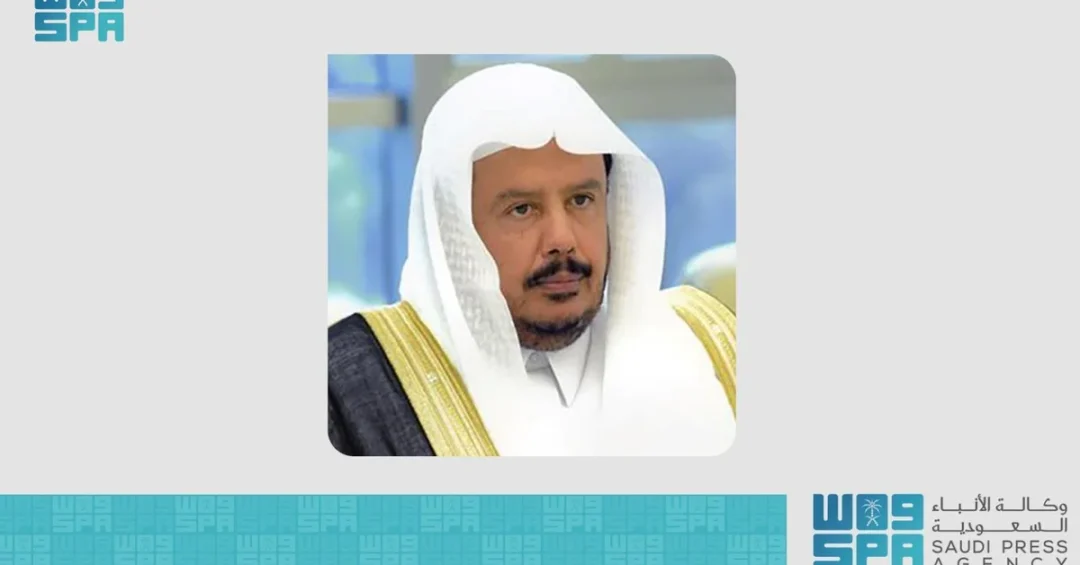
Sheikh Dr. Abdullah bin Mohammed bin Ibrahim Al Al-Sheikh, Speaker of the Shura Council of the Kingdom of Saudi Arabia, will lead the Kingdom’s delegation to the 18th periodic meeting of the Speakers of Shura, National, and Parliamentary Councils of the Gulf Cooperation Council (GCC), set to convene in the United Arab Emirates. The announcement, issued through the Saudi Press Agency, confirms the Kingdom’s continued participation at the highest parliamentary level in the Gulf’s premier legislative coordination forum, a gathering that has become a cornerstone of regional consultation and collective decision-making.
In a press statement released ahead of the meeting, Al Al-Sheikh underscored the commitment of Saudi Arabia, under the leadership of Custodian of the Two Holy Mosques King Salman bin Abdulaziz Al Saud and His Royal Highness Crown Prince Mohammed bin Salman bin Abdulaziz Al Saud, to the unity, security, and stability of the GCC. He emphasized the importance of strengthening fraternal relations and coordinating positions among member states to advance joint efforts that foster growth and prosperity across the region. The meeting, he noted, offers a vital opportunity to unify Gulf positions amid prevailing regional and global challenges, reinforcing the role of parliamentary diplomacy in supporting shared strategic interests.
Context and Background
How did the GCC’s parliamentary coordination mechanism become such a central pillar of Gulf diplomacy? The 18th periodic meeting of GCC Speakers of Shura, National, and Parliamentary Councils represents the latest chapter in a long-standing tradition of legislative collaboration that dates back to the founding of the Gulf Cooperation Council in 1981. From its earliest days, the GCC recognized that political, economic, and security integration would require not only executive cooperation but also sustained dialogue among the region’s representative bodies. Over the decades, this parliamentary track has evolved into a structured platform where speakers and lawmakers exchange views on legislation, regional developments, and joint initiatives.
The meeting comes at a time when the Gulf region faces a complex landscape of geopolitical shifts, economic transformation, and evolving global partnerships. Saudi Arabia, as the largest GCC economy and a pivotal player in regional affairs, has consistently championed deeper parliamentary coordination as a means of reinforcing Gulf unity. The Shura Council, Saudi Arabia’s advisory legislative body, has been an active participant in these forums, using them to share the Kingdom’s perspective on issues ranging from economic diversification to regional security. The 18th meeting thus builds on a legacy of dialogue while adapting to new realities.
Al Al-Sheikh’s participation also reflects the broader Saudi approach to foreign policy, which prioritizes consultation with Gulf partners and collective action on matters of mutual concern. By leading the delegation, he signals that the Kingdom views parliamentary diplomacy as an integral part of its engagement with the region. The meeting’s agenda is expected to address a range of topics, including legislative cooperation, regional security, and the implementation of joint economic projects, all of which are aligned with the GCC’s long-term objectives.
Key Details
What specific outcomes can be expected from this high-level gathering? The 18th periodic meeting will bring together the heads of the Shura, National, and Parliamentary Councils from all six GCC member states: Saudi Arabia, the United Arab Emirates, Kuwait, Qatar, Bahrain, and Oman. The speakers will discuss a unified agenda that covers political, economic, and social dimensions of Gulf cooperation. According to the Saudi Press Agency, the Saudi delegation will also participate in the 19th meeting of the Parliamentary Coordination and Foreign Relations Committee, which operates on the sidelines of the main event. This committee plays a crucial role in preparing recommendations and coordinating foreign policy positions among the GCC parliaments.
Sheikh Dr. Abdullah bin Mohammed bin Ibrahim Al Al-Sheikh, who has served as Speaker of the Shura Council since 2016, is a respected figure in Saudi Arabia’s legislative and judicial landscape. His leadership of the delegation underscores the importance Saudi Arabia attaches to the meeting. In his statement, he highlighted the need to coordinate and unify Gulf positions amidst regional and global challenges, a clear reference to the turbulent geopolitical environment that includes security threats, economic uncertainties, and shifting alliances. The meeting provides a platform for the GCC states to present a united front on issues of common interest.
The Parliamentary Coordination and Foreign Relations Committee meeting will focus on enhancing parliamentary diplomacy and aligning foreign policy stances. This is particularly relevant as the GCC seeks to play a more active role in international affairs, from mediating regional conflicts to strengthening ties with global powers. The committee’s work complements the main meeting by ensuring that the speakers’ deliberations translate into concrete actions and coordinated positions. For Saudi Arabia, this aligns with its Vision 2030 goal of positioning the Kingdom as a leader in regional and global diplomacy.
International and Regional Impact
Why does this meeting matter beyond the Gulf’s borders? The GCC’s collective decisions and unified positions carry significant weight in the broader Middle East and beyond. As the world’s leading energy exporter and a key player in global finance, the Gulf region’s stability and prosperity have far-reaching implications. A coordinated GCC stance on regional security, trade, and investment can influence global markets and diplomatic dynamics. The 18th meeting of Speakers of Shura, National, and Parliamentary Councils contributes to this coordination by providing a forum for lawmakers to align their legislative agendas and send a message of unity to the international community.
For Saudi Arabia, the meeting is an opportunity to reinforce its leadership role within the GCC and to advance its vision of a stable, prosperous Gulf. The Kingdom has been at the forefront of efforts to resolve regional crises, promote dialogue, and foster economic integration. By participating actively in parliamentary forums, Saudi Arabia demonstrates its commitment to multilateralism and its willingness to work with partners to address shared challenges. The meeting also allows the Kingdom to share its experiences in legislative modernization and economic reform, which are central to Vision 2030.
On the international stage, the GCC’s parliamentary coordination can help shape global perceptions of the region. A unified Gulf voice on issues such as energy security, climate change, and counterterrorism can amplify the region’s influence in international organizations and negotiations. The presence of Saudi Arabia’s Shura Council Speaker at the meeting signals that the Kingdom is fully engaged in these efforts, further solidifying its role as a responsible global stakeholder.
Economic and Strategic Significance
What economic benefits flow from stronger parliamentary ties? The GCC’s economic integration agenda is one of the most ambitious in the world, aiming to create a single market and customs union among its member states. Parliamentary coordination is essential to this process, as it helps harmonize laws and regulations that facilitate cross-border trade and investment. The 18th meeting is expected to discuss ways to accelerate economic integration, including the removal of remaining barriers to trade and the development of joint infrastructure projects. For Saudi Arabia, these discussions are directly linked to Vision 2030’s objective of diversifying the economy and increasing non-oil exports.
The strategic significance of the meeting extends to security and defense cooperation. The GCC has long been a vehicle for collective security, and parliamentary endorsement of joint initiatives strengthens the legitimacy of such efforts. In a region marked by complex security challenges, from maritime threats to cyberattacks, unified parliamentary support for coordinated responses is invaluable. Saudi Arabia, with its advanced defense capabilities and strategic location, plays a central role in these discussions. The Shura Council’s participation ensures that the Kingdom’s legislative perspective is integrated into the GCC’s security framework.
Moreover, the meeting provides a platform for Saudi Arabia to showcase its economic reforms and investment opportunities. With the Kingdom hosting major events like Expo 2030 and the FIFA World Cup 2034, there is growing interest among GCC partners in collaborating on tourism, entertainment, and infrastructure projects. Parliamentary dialogue can help create the legal and regulatory environment needed for such collaborations, further integrating the Gulf economies and enhancing their collective competitiveness.
Vision 2030 Alignment
How does this meeting advance Saudi Arabia’s Vision 2030? Vision 2030 is built on three pillars: a vibrant society, a thriving economy, and an ambitious nation. Active participation in GCC parliamentary forums supports all three. It strengthens the Kingdom’s regional ties, which are essential for a vibrant society that values cooperation and mutual respect. It opens doors for economic collaboration that drives the thriving economy, from joint ventures to knowledge sharing. And it demonstrates the ambitious nation’s commitment to global engagement and leadership.
Sheikh Dr. Abdullah Al Al-Sheikh’s leadership of the delegation is a clear example of Saudi Arabia’s proactive approach to regional diplomacy. By working with GCC partners to unify positions and coordinate policies, the Kingdom is helping to build a more stable and prosperous Gulf, which in turn creates a favorable environment for Vision 2030’s domestic reforms. The meeting’s outcomes, including strengthened parliamentary coordination and foreign policy alignment, will contribute to the long-term security and economic success of the region. As Saudi Arabia continues its transformation, its role in the GCC remains a cornerstone of its strategy for a bright future.
20 Questions
Q1. What is the 18th periodic meeting of GCC Speakers of Shura, National, and Parliamentary Councils?
A1. It is a regular gathering of the heads of the Shura, National, and Parliamentary Councils from the six GCC member states, aimed at coordinating legislative and political positions on regional issues.
Q2. Who is leading the Saudi delegation to the meeting?
A2. Sheikh Dr. Abdullah bin Mohammed bin Ibrahim Al Al-Sheikh, Speaker of the Shura Council, leads the Kingdom’s delegation, as announced by the Saudi Press Agency.
Q3. Where is the 18th meeting taking place?
A3. The meeting is being held in the United Arab Emirates, continuing the tradition of rotating host cities among GCC member states.
Q4. What is the main purpose of the meeting?
A4. The meeting aims to enhance parliamentary coordination, unify Gulf positions on regional and global challenges, and foster joint efforts for growth and prosperity.
Q5. What did Sheikh Dr. Abdullah Al Al-Sheikh emphasize in his statement?
A5. He emphasized Saudi Arabia’s commitment to GCC unity, security, and stability, and the importance of coordinating positions to boost joint efforts.
Q6. Which Saudi leaders did Al Al-Sheikh mention in his statement?
A6. He highlighted the leadership of Custodian of the Two Holy Mosques King Salman bin Abdulaziz Al Saud and HRH Crown Prince Mohammed bin Salman bin Abdulaziz Al Saud.
Q7. What is the Parliamentary Coordination and Foreign Relations Committee?
A7. It is a GCC committee that meets alongside the main speakers’ meeting to coordinate foreign policy positions and enhance parliamentary diplomacy among member states.
Q8. Will the Saudi delegation participate in the committee meeting?
A8. Yes, the Saudi delegation will take part in the 19th meeting of the Parliamentary Coordination and Foreign Relations Committee on the sidelines of the main event.
Q9. How does this meeting relate to Saudi Vision 2030?
A9. It supports Vision 2030 by strengthening regional ties, promoting economic collaboration, and reinforcing Saudi Arabia’s leadership role in the Gulf and beyond.
Q10. What are the expected outcomes of the meeting?
A10. Expected outcomes include unified GCC positions on regional issues, enhanced legislative coordination, and concrete steps toward deeper economic and security integration.
Q11. Why is parliamentary diplomacy important for the GCC?
A11. Parliamentary diplomacy provides a platform for lawmakers to align laws, share best practices, and support executive-level agreements with legislative backing, strengthening regional unity.
Q12. How does the meeting address regional challenges?
A12. It offers a forum for GCC states to discuss and coordinate responses to security threats, economic uncertainties, and geopolitical shifts affecting the region.
Q13. What role does the Shura Council play in Saudi Arabia?
A13. The Shura Council is Saudi Arabia’s advisory legislative body, offering opinions on draft laws and policies, and representing the Kingdom in international parliamentary forums.
Q14. How long has Sheikh Dr. Abdullah Al Al-Sheikh been Speaker of the Shura Council?
A14. He has served as Speaker since 2016, leading the Council through a period of significant legislative modernization and increased international engagement.
Q15. What economic topics are likely on the agenda?
A15. Discussions may cover economic integration, trade facilitation, joint investment projects, and harmonization of regulations to boost intra-GCC commerce.
Q16. How does the meeting impact GCC citizens?
A16. By promoting policies that enhance economic opportunities, security, and social cooperation, the meeting ultimately aims to improve the quality of life for all GCC citizens.
Q17. What is the significance of the meeting being held in the UAE?
A17. The UAE’s hosting reflects the rotating leadership within the GCC and underscores the shared commitment to regular, high-level consultations among member states.
Q18. How does Saudi Arabia benefit from GCC parliamentary coordination?
A18. It allows Saudi Arabia to share its reform experiences, build alliances, and ensure that regional policies align with its Vision 2030 objectives for a diversified economy.
Q19. What message does this meeting send to the international community?
A19. It signals that the GCC is united and proactive in addressing regional and global challenges, and that its member states are committed to collective action and stability.
Q20. What is the expected frequency of these meetings?
A20. The meetings are held periodically, typically annually, to ensure continuous coordination and follow-up on previous decisions and initiatives among GCC parliaments.
Reader Feedback
We value your thoughts. Please share your feedback on this article.
Your feedback helps us improve our coverage.
Related articles
 Jordan Condemns Terror Attack on Coalition Camp in Yemen
 Lebanese PM Arrives in Riyadh for Arab-Islamic Summit
 Kuwait Condemns Attack on Yemen Coalition Camp
 Saudi Arabia Hosts Arab-Islamic Summit on Gaza, Lebanon
 Saudi Deputy Culture Minister Meets South African Counterpart
 Bahrain Condoles Saudi Arabia on Martyrdom of Two Officers in Yemen