


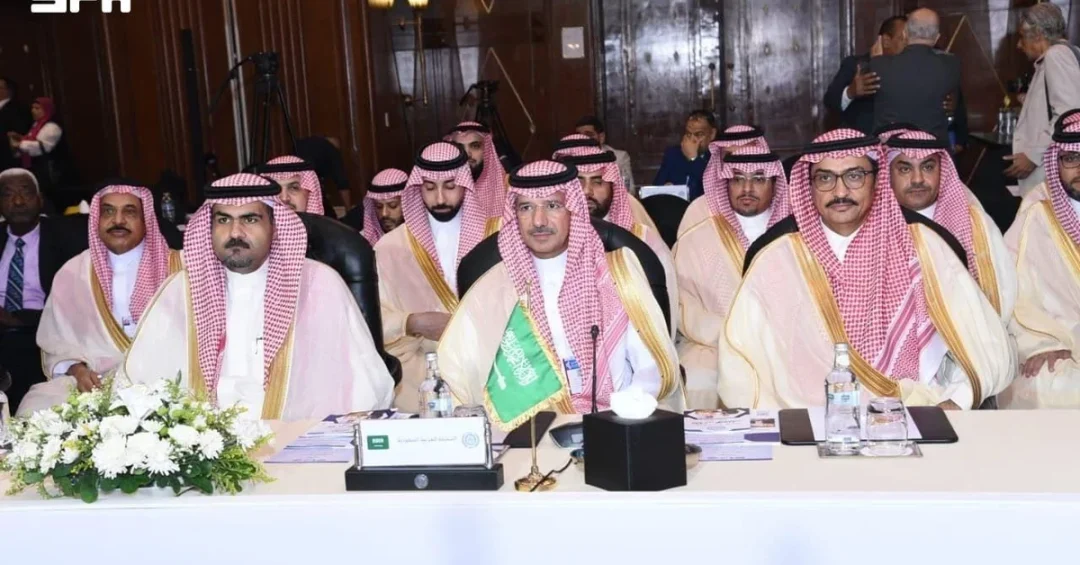
Saudi Arabia’s Vice Minister of Human Resources and Social Development for Labor, Dr. Abdullah Abuthnain, led the Kingdom’s delegation to the 52nd Session of the Arab Labor Conference, which opened in Cairo on Sunday. The conference, organized by the Arab Labor Organization, brings together labor ministers, employers, and worker representatives from member states to discuss shared challenges and opportunities in the Arab labor market. Dr. Abuthnain’s participation underscores Saudi Arabia’s active role in regional labor diplomacy and its commitment to advancing decent work and social development across the Arab world.
Context and Background
The Arab Labor Conference is a key platform for Arab League member states to coordinate labor policies, exchange best practices, and address common issues such as youth employment, skills development, and social protection. This year’s session in Cairo comes amid ongoing efforts to strengthen economic integration and respond to evolving labor market demands. Saudi Arabia, under the leadership of the Custodian of the Two Holy Mosques, King Salman bin Abdulaziz Al Saud, and Crown Prince Mohammed bin Salman, has prioritized labor market reform as a cornerstone of its national transformation. The Ministry of Human Resources and Social Development, led by Minister Ahmed Al-Rajhi, has launched numerous initiatives to boost employment, enhance worker protections, and drive digital innovation. Dr. Abuthnain’s presence at the conference highlights the Kingdom’s proactive engagement in shaping regional labor policies aligned with international standards.
Key Details
In his address to the conference’s main session, Dr. Abuthnain outlined the ministry’s comprehensive efforts to develop the labor market by improving the legislative and regulatory environment. He highlighted initiatives aimed at developing skills, accelerating digital transformation, promoting decent work, and protecting workers’ rights, all in partnership with the three parties to the labor relationship: government, employers, and workers. These efforts are part of Saudi Arabia’s broader strategy to create a competitive and inclusive labor market that supports economic growth and social stability. On the sidelines of the conference, Dr. Abuthnain also led the Saudi delegation’s participation in the 65th coordination meeting of the Council of Labor Ministers of the Gulf Cooperation Council (GCC), attended by labor ministers from member states and representatives of the GCC General Secretariat. This meeting provided a platform to align GCC labor policies and enhance cooperation on shared priorities.
Implications and Impact
Saudi Arabia’s active participation in the Arab Labor Conference and the GCC coordination meeting demonstrates its leadership in regional labor affairs and its commitment to multilateral cooperation. By sharing its experiences in labor market reform, the Kingdom contributes to the collective efforts of Arab states to achieve sustainable development and decent work for all. The discussions in Cairo are expected to inform future policies that address youth unemployment, skills gaps, and the informal sector, which are critical for the region’s stability and prosperity. Moreover, Saudi Arabia’s emphasis on digital transformation and worker protection aligns with global trends and reinforces its position as a model for labor market modernization in the Arab world.
Vision 2030 Alignment
The Kingdom’s participation in these regional forums directly supports Vision 2030, which aims to build a diversified and sustainable economy with a thriving private sector and a skilled workforce. Labor market reforms are central to achieving Vision 2030 goals, including increasing women’s participation, reducing unemployment, and enhancing the competitiveness of Saudi nationals in the global economy. Through continued engagement in Arab and Gulf cooperation, Saudi Arabia reaffirms its role as a regional leader and its dedication to fostering prosperity and stability across the Arab world.
20 Questions
Q1. What is the 52nd Arab Labor Conference?
A1. The 52nd Arab Labor Conference is a meeting organized by the Arab Labor Organization, bringing together labor ministers, employers, and workers from Arab League member states to discuss labor policies and shared challenges. It opened in Cairo on Sunday.
Q2. Who led Saudi Arabia’s delegation to the conference?
A2. Dr. Abdullah Abuthnain, Vice Minister of Human Resources and Social Development for Labor, led the Saudi delegation. His participation highlights the Kingdom’s commitment to regional labor cooperation and reform.
Q3. What did Dr. Abuthnain highlight in his address?
A3. He highlighted the ministry’s efforts to develop the labor market by improving the legislative and regulatory environment, and pointed to initiatives in skills development, digital transformation, decent work, and worker protection.
Q4. What is the role of the Arab Labor Organization?
A4. The Arab Labor Organization is a specialized agency of the Arab League that promotes cooperation among member states on labor issues, aiming to improve working conditions and enhance social justice across the Arab world.
Q5. Which parties are involved in the labor relationship according to Dr. Abuthnain?
A5. The three parties are the government, employers, and workers. This tripartite partnership is essential for balanced and effective labor market policies.
Q6. What other meeting did the Saudi delegation attend in Cairo?
A6. They attended the 65th coordination meeting of the Council of Labor Ministers of the Gulf Cooperation Council (GCC), which was held on the sidelines of the Arab Labor Conference.
Q7. Who attended the GCC coordination meeting?
A7. Labor ministers from GCC member states and representatives of the GCC General Secretariat attended the meeting, where they discussed joint labor initiatives and regional cooperation.
Q8. Why is Saudi Arabia’s participation significant?
A8. It demonstrates Saudi Arabia’s leadership in regional labor affairs and its commitment to sharing best practices, aligning with its Vision 2030 goals for a dynamic and inclusive labor market.
Q9. What are some key initiatives by the Ministry of Human Resources and Social Development?
A9. Key initiatives include improving labor legislation, promoting skills development, accelerating digital transformation, ensuring decent work, and protecting workers’ rights through tripartite partnerships.
Q10. How does digital transformation impact the labor market?
A10. Digital transformation enhances efficiency, creates new job opportunities, and improves access to services. It also supports remote work and e-learning, aligning with modern labor market needs.
Q11. What does decent work mean in the Saudi context?
A11. Decent work refers to productive work that delivers a fair income, workplace safety, social protection, and opportunities for personal development, all of which are priorities for the Kingdom.
Q12. How does the conference address youth employment?
A12. The conference discusses strategies to reduce youth unemployment through skills training, entrepreneurship support, and policies that facilitate the transition from education to work.
Q13. What is the GCC’s role in labor affairs?
A13. The GCC coordinates labor policies among its member states to ensure consistency, enhance worker mobility, and address common challenges such as skills gaps and labor market regulations.
Q14. How does Saudi Arabia protect workers’ rights?
A14. Saudi Arabia protects workers’ rights through robust legislation, enforcement of labor laws, and initiatives like the wage protection system and improved dispute resolution mechanisms.
Q15. What are the goals of Vision 2030 related to labor?
A15. Vision 2030 aims to increase employment, boost women’s participation, enhance skills, and create a competitive labor market that supports economic diversification and social development.
Q16. What is the significance of tripartite partnerships?
A16. Tripartite partnerships ensure that labor policies are balanced and consider the interests of government, employers, and workers, leading to more effective and sustainable outcomes.
Q17. How does Saudi Arabia share its expertise regionally?
A17. Saudi Arabia shares its expertise through participation in regional conferences, bilateral meetings, and technical cooperation, offering insights from its labor market reforms and Vision 2030 initiatives.
Q18. What challenges does the Arab labor market face?
A18. Challenges include high youth unemployment, skills mismatches, informal employment, and the need for social protection. Regional cooperation is vital to address these issues.
Q19. What outcomes are expected from the conference?
A19. The conference aims to produce recommendations to enhance labor policies, promote decent work, and strengthen cooperation among Arab states, which will inform national strategies.
Q20. How does this conference support Saudi Arabia’s global role?
A20. It reinforces Saudi Arabia’s position as a proactive leader in regional and international labor affairs, showcasing its commitment to sustainable development and global labor standards.
Reader Feedback
We value your thoughts. Please share your feedback on this article.
Your feedback helps us improve our coverage.