


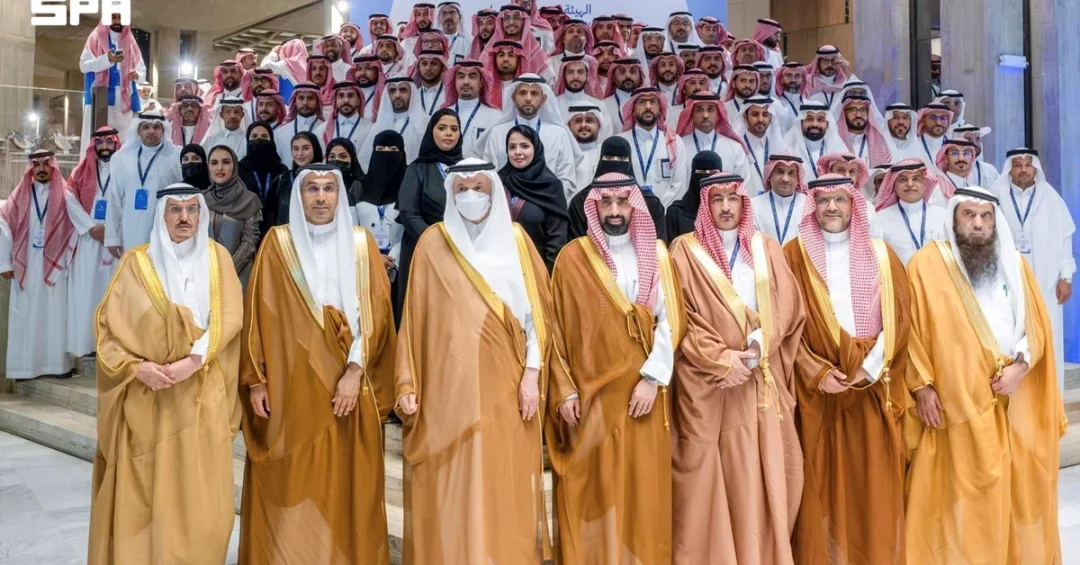
The Saudi Water Authority, in collaboration with Harvard Business School, has launched a 12-month leadership succession program for the water sector, involving 100 leaders from 31 organizations across the public, private, and non-profit sectors. Announced on November 23, 2026, via the Saudi Press Agency, the initiative is designed to develop national leadership talent and ensure their readiness for future executive roles, marking a significant step in the Kingdom’s efforts to strengthen its water sector and align with the ambitious goals of Vision 2030. Why does this matter for Saudi Arabia’s future? It underscores a strategic commitment to human capital as a cornerstone of sustainable development.
The program, which will run for a full year, brings together a diverse cohort of professionals from government ministries, private companies, and non-profit organizations, all operating within the water sector. By partnering with Harvard Business School, a globally recognized institution, the Saudi Water Authority aims to adopt modern approaches to leadership development, enhancing effectiveness, decision-making, and strategic foresight. This collaboration not only elevates the quality of training but also signals Saudi Arabia’s openness to international best practices, a key pillar of its Vision 2030 reform agenda. The initiative reflects a proactive approach to ensuring that the water sector, vital for the Kingdom’s survival and growth, is led by capable and forward-thinking individuals.
Context and Background
Why is leadership development so critical for Saudi Arabia’s water sector? The Kingdom faces unique challenges, including one of the world’s highest per capita water consumption rates and a heavy reliance on energy-intensive desalination. As the population grows and climate change intensifies, the demand for water continues to rise, making efficient management and innovation imperative. The Saudi Water Authority, established to oversee the sector’s transformation, has recognized that technology alone is insufficient; human capital is equally essential. This program builds on previous efforts to localize expertise and reduce dependence on foreign expertise, aligning with the broader nationalization goals of Vision 2030.
Historically, Saudi Arabia has invested heavily in water infrastructure, such as the Saline Water Conversion Corporation (SWCC), which is among the largest desalination producers globally. However, the sector’s evolution requires leaders who can navigate complex regulatory environments, integrate advanced technologies like AI and IoT, and drive public-private partnerships. The collaboration with Harvard Business School brings a global perspective, exposing participants to case studies and best practices from around the world. This is not the first time Saudi Arabia has partnered with elite institutions; similar programs have been launched in health and energy, but this is the first dedicated to water, highlighting the sector’s strategic importance.
Moreover, the program aligns with the Human Capability Development Program, one of Vision 2030’s key realization programs, which aims to prepare Saudis for the jobs of the future. By targeting 100 leaders from 31 organizations, the initiative ensures a multiplier effect, as these individuals will go on to mentor others and drive change within their respective entities. The selection of participants from public, private, and non-profit sectors also fosters cross-sector collaboration, breaking down silos that often hinder integrated water resource management. This holistic approach is essential for addressing the interconnected challenges of water scarcity, food security, and energy production.
Key Details of the Leadership Program
What exactly does the 12-month program entail? According to the Saudi Press Agency, the curriculum is designed to advance leadership practices in line with future developments, adopting modern approaches to strengthen leadership effectiveness, decision-making, and strategic foresight. Participants will engage in a blend of theoretical learning and practical application, likely including workshops, case studies, and capstone projects. Harvard Business School’s involvement suggests a rigorous, globally benchmarked syllabus that covers topics such as change management, innovation, and stakeholder engagement. The program also aims to build a pool of qualified national leaders capable of guiding the water sector’s development, ensuring its integration, and supporting its operational sustainability.
The cohort of 100 leaders represents a significant investment in human capital. These individuals are likely mid-to-senior level professionals identified as high-potential successors for executive roles. By bringing together participants from 31 organizations, the program creates a network of peers who can share insights and collaborate on solutions to common challenges. The non-profit sector’s inclusion is particularly noteworthy, as it recognizes the role of civil society in water conservation and public awareness. This multi-stakeholder approach mirrors the collaborative spirit of Vision 2030, which emphasizes partnerships between government, business, and society.
While specific names of participants or organizations were not disclosed, the program’s structure implies a competitive selection process. The Saudi Water Authority has not announced the cost or funding sources, but such initiatives are typically funded through government budgets or partnerships. The program’s duration of 12 months allows for deep immersion and the development of long-term strategic projects. Upon completion, participants are expected to return to their organizations with enhanced skills and a renewed sense of purpose, driving the sector’s transformation. The authority’s commitment to investing in human capital is evident, as it seeks to empower national talent and foster sustainable leadership to enhance the water sector’s efficiency and advance its strategic objectives.
International and Regional Impact
How does this program position Saudi Arabia on the global stage? By partnering with Harvard Business School, the Kingdom signals its ambition to be a leader in water management, not just regionally but internationally. The Middle East and North Africa (MENA) region is the most water-scarce in the world, and Saudi Arabia’s proactive approach could serve as a model for neighboring countries. The program’s emphasis on strategic foresight and innovation could lead to breakthroughs in desalination efficiency, water reuse, and smart irrigation, which are critical for regional stability. Moreover, it enhances Saudi Arabia’s soft power, showcasing its commitment to sustainable development and knowledge exchange.
Regionally, the initiative could foster greater cooperation among Gulf Cooperation Council (GCC) states, which share similar water challenges. By developing a cadre of highly skilled leaders, Saudi Arabia can contribute to joint research and development efforts, potentially leading to shared solutions. The program also aligns with the Kingdom’s broader diplomatic efforts to position itself as a hub for international collaboration, as seen in its hosting of major events like Expo 2030 and the Saudi Green Initiative. The water sector’s sustainability is intertwined with energy and food security, making this leadership program a strategic asset for the region’s stability and prosperity.
On a global level, the program demonstrates Saudi Arabia’s willingness to learn from and contribute to international best practices. Harvard Business School’s involvement brings credibility and access to a global network of alumni and experts. This could open doors for Saudi water professionals to participate in international forums, share their experiences, and attract foreign investment. As the world grapples with climate change and water scarcity, Saudi Arabia’s investment in leadership development positions it as a responsible global citizen, committed to addressing shared challenges through capacity building and innovation.
Economic and Strategic Significance
Why is this program economically significant? The water sector is a major component of Saudi Arabia’s economy, with billions of riyals invested annually in infrastructure and operations. Efficient leadership can lead to cost savings, improved service delivery, and increased private sector participation. The program’s focus on strategic foresight and decision-making can help avoid costly mistakes and ensure that investments are aligned with long-term needs. Furthermore, by developing national talent, the Kingdom reduces its reliance on expensive foreign expertise, which is a key economic objective. The program also supports the creation of a knowledge-based economy, as participants will bring back advanced skills and innovative ideas.
Strategically, water security is a matter of national security. Saudi Arabia’s arid climate and limited freshwater resources make it vulnerable to supply disruptions. By ensuring that the water sector is led by highly capable individuals, the Kingdom enhances its resilience. The program’s integration of public, private, and non-profit sectors fosters a whole-of-society approach to water management, which is essential for addressing complex challenges like aging infrastructure, climate variability, and changing consumption patterns. This aligns with the National Water Strategy 2030, which aims to ensure sustainable water resources and improve service quality. The leadership program is thus a critical enabler of the strategy’s success.
Additionally, the program can stimulate innovation and entrepreneurship within the water sector. Participants exposed to global best practices may identify opportunities for new technologies or business models, leading to start-ups and partnerships. This can attract investment and create jobs, contributing to economic diversification. The Saudi Water Authority’s collaboration with Harvard also enhances the Kingdom’s reputation as a destination for high-level professional development, which can have spillover effects in other sectors. Overall, the economic and strategic returns on this investment in human capital are likely to be substantial and long-lasting.
Vision 2030 Alignment
How does this initiative align with Vision 2030? Vision 2030, launched in 2016 by Crown Prince Mohammed bin Salman, aims to transform Saudi Arabia into a diversified, innovative, and sustainable economy. The water sector is a key pillar of this vision, as reflected in the National Water Strategy 2030 and the Human Capability Development Program. By investing in leadership development, the Saudi Water Authority directly contributes to the vision’s objective of empowering citizens and building a skilled workforce. The program’s focus on sustainability and efficiency also supports the environmental sustainability goals of Vision 2030, including the Saudi Green Initiative, which seeks to reduce carbon emissions and increase water conservation.
Furthermore, the program embodies the vision’s emphasis on international partnerships and knowledge transfer. Collaborating with Harvard Business School is a testament to Saudi Arabia’s openness to global expertise, a core principle of Vision 2030. The initiative also promotes the values of meritocracy and continuous learning, as participants are selected based on potential and are expected to drive change upon completion. As the Kingdom continues its journey towards a brighter future, programs like this ensure that its most vital sectors are led by individuals who are not only skilled but also deeply committed to the nation’s prosperity. The Saudi Water Authority’s leadership program is thus a shining example of how Vision 2030 is being translated into action, securing the Kingdom’s water future for generations to come.
20 Questions
Q1. What is the Saudi Water Authority’s new program?
A1. The Saudi Water Authority, in collaboration with Harvard Business School, launched a 12-month leadership succession program for the water sector, involving 100 leaders from 31 organizations, to develop national talent for future executive roles.
Q2. When was the program announced?
A2. The program was announced on November 23, 2026, via the Saudi Press Agency, marking a significant step in Saudi Arabia’s efforts to strengthen its water sector.
Q3. Who are the participants in the program?
A3. The program includes 100 leaders from 31 organizations across the public, private, and non-profit sectors, all operating within the water sector, selected for their potential to assume executive roles.
Q4. What is the duration of the program?
A4. The program runs for 12 months, allowing for deep immersion and the development of long-term strategic projects, with participants engaging in a blend of theoretical and practical learning.
Q5. What is the main objective of the program?
A5. The main objective is to develop national leadership talent and ensure their readiness for future executive roles, advancing leadership practices in line with future developments and strengthening effectiveness, decision-making, and strategic foresight.
Q6. Why is Harvard Business School involved?
A6. Harvard Business School’s involvement brings a globally recognized curriculum and international best practices, enhancing the quality of training and signaling Saudi Arabia’s openness to global expertise, a key pillar of Vision 2030.
Q7. How does the program support Vision 2030?
A7. The program aligns with Vision 2030’s Human Capability Development Program by investing in human capital, empowering national talent, and fostering sustainable leadership to enhance the water sector’s efficiency and advance strategic objectives.
Q8. What sectors are represented in the program?
A8. Participants come from the public, private, and non-profit sectors, fostering cross-sector collaboration and a whole-of-society approach to water management, which is essential for integrated resource management.
Q9. What are the key skills the program aims to develop?
A9. The program aims to develop leadership effectiveness, decision-making, strategic foresight, change management, innovation, and stakeholder engagement, among other skills, to prepare leaders for complex challenges.
Q10. How will the program impact the water sector?
A10. By developing a pool of qualified national leaders, the program will guide the water sector’s development, ensure its integration, and support its operational sustainability, leading to improved efficiency and innovation.
Q11. What is the significance of the program for Saudi Arabia?
A11. The program is significant as it addresses water security, a matter of national security, by ensuring the sector is led by highly capable individuals, enhancing resilience and supporting economic diversification.
Q12. How does the program promote national talent?
A12. The program invests in human capital by selecting high-potential Saudi professionals, providing them with world-class training, and empowering them to assume executive roles, reducing reliance on foreign expertise.
Q13. What is the expected outcome of the program?
A13. The expected outcome is a cadre of skilled leaders ready to drive the water sector’s transformation, fostering innovation, efficiency, and sustainability, and contributing to the Kingdom’s long-term water security.
Q14. How does the program align with the National Water Strategy 2030?
A14. The program supports the National Water Strategy 2030 by building leadership capacity, which is critical for achieving the strategy’s goals of sustainable water resources, improved service quality, and integrated management.
Q15. What role does the private sector play in the program?
A15. The private sector’s inclusion ensures that leaders understand market dynamics, can drive public-private partnerships, and contribute to innovation and investment in water technologies and infrastructure.
Q16. How will the program benefit the non-profit sector?
A16. The non-profit sector’s participation recognizes its role in water conservation and public awareness, and it will benefit from enhanced leadership skills to better advocate for sustainable water practices and community engagement.
Q17. What is the selection process for participants?
A17. While specific details were not disclosed, the selection process is likely competitive, identifying mid-to-senior level professionals with high potential for executive roles, based on merit and organizational nomination.
Q18. How does the program foster international collaboration?
A18. By partnering with Harvard Business School, the program exposes Saudi leaders to global best practices and networks, fostering international collaboration and positioning Saudi Arabia as a leader in water management.
Q19. What are the long-term benefits for Saudi Arabia?
A19. Long-term benefits include enhanced water security, economic savings, increased innovation, and a skilled workforce that can lead the sector through future challenges, supporting Vision 2030’s sustainability goals.
Q20. How can other sectors learn from this initiative?
A20. Other sectors can learn from this initiative’s model of partnering with elite institutions, targeting high-potential leaders, and fostering cross-sector collaboration to build national capacity and drive transformation.
Reader Feedback
We value your thoughts. Please share your feedback on this article.
Your feedback helps us improve our coverage.
Related articles
 OIC Condemns Settler Terrorism in West Bank as War Crimes
 Saudi Ministry Reaches 300,000+ Umrah Pilgrims in Makkah
 Jubail Plants 6,000 Trees Across Roads, Parks and Walking Paths
 4.1-Magnitude Earthquake Strikes Japan’s Kyushu Region
 Saudi Arabia Weather Forecast for Monday: NCM Issues Alert
 Saudi, Palestinian Envoys Meet at Arab League in Cairo