


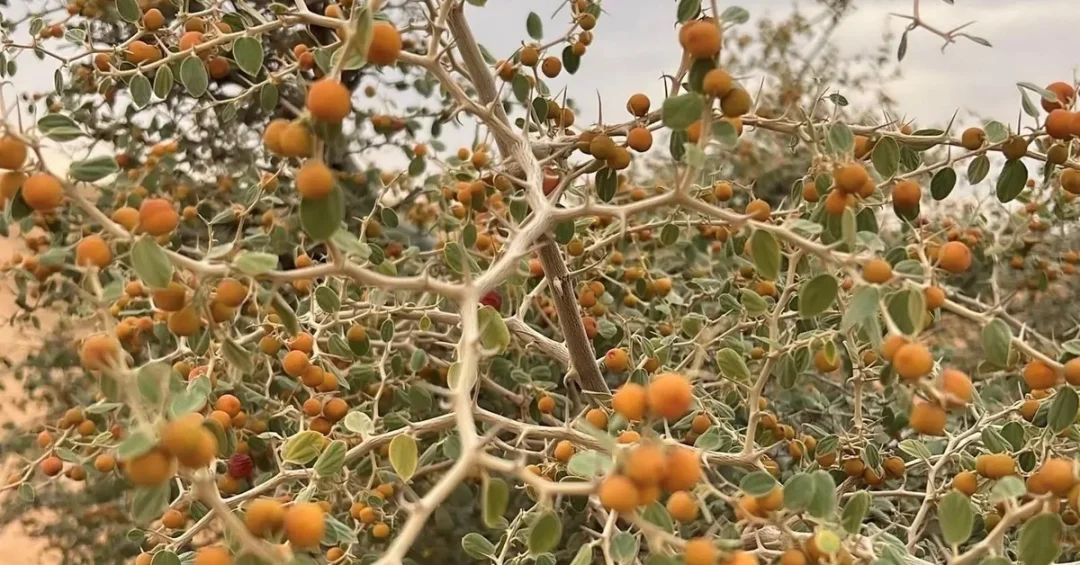
The annual ripening of wild sidr fruit across the valleys and plains of the Northern Borders Region is drawing attention to a native tree that has sustained desert communities for generations and now stands as a symbol of Saudi Arabia’s ecological and cultural heritage. According to the Saudi Press Agency (SPA), the fruit — known locally as nabq — is hanging from the branches of Christ’s thorn jujube trees in a seasonal display that highlights the deep-rooted connection between the region’s natural environment and its people. The report, released on November 13, 2026, from Rafha, describes the tree as a drought-resistant perennial that thrives in dry, sunny conditions and produces fruit prized for its sweet taste and nutritional value. The sight of ripening sidr across the Northern Borders Region offers more than a picturesque landscape; it reflects the resilience of Saudi Arabia’s native flora and the Kingdom’s broader commitment to preserving its environmental assets under Vision 2030. As the fruit turns from green to yellow and finally to brown, it signals not only the passage of seasons but also the enduring relationship between Saudis and the land they inhabit.
The sidr tree, belonging to the genus Ziziphus, is a familiar presence across the Arab region, with Ziziphus spina-christi being one of the most common species. Its ability to withstand drought and water scarcity has made it a prominent wild tree in desert and semi-desert landscapes, where it provides shade, sustenance, and ecological stability. In the Northern Borders Region, the trees flower in October, and the fruit develops and ripens through the season, reaching full maturity in the weeks that follow. The SPA report notes that the fruit varies in shape and size, with thin skin and sweet flesh, and contains carbohydrates, vitamins A, B, and C, as well as minerals such as potassium, calcium, phosphorus, and iron. These nutritional properties, though varying with species, ripeness, and growing conditions, underscore the value of this natural resource. For international observers, the ripening of sidr is a window into Saudi Arabia’s rich botanical heritage and the Kingdom’s efforts to document and protect it.
Context and Background
Why does a single tree species matter so much in a region defined by vast deserts and extreme temperatures? The sidr, or Christ’s thorn jujube, has been part of the Arabian Peninsula’s ecological fabric for millennia, thriving where few other plants can survive. Its deep root system and drought tolerance allow it to flourish in the valleys and plains of the Northern Borders Region, an area that receives minimal rainfall and experiences harsh summers. The tree’s resilience mirrors the adaptability of the region’s inhabitants, who have long relied on its fruit as a seasonal food source and its wood for fuel and tools. The SPA report emphasizes that the sidr holds an important ecological and cultural place in the Arab region, a status earned through centuries of coexistence. In recent years, Saudi Arabia has increased efforts to study and preserve native plant species, recognizing their role in maintaining biodiversity and combating desertification. The ripening of sidr fruit is thus not merely a seasonal event but a reminder of the Kingdom’s natural wealth and the importance of sustainable environmental stewardship.
The Northern Borders Region, with its capital in Arar and major towns such as Rafha, is characterized by a landscape of wide plains, shallow valleys, and scattered oases. Here, the sidr tree finds favorable conditions in the wadis, where occasional runoff supports its growth. The trees flower in October, a period that marks the transition from the intense heat of summer to the milder temperatures of autumn. As the fruit sets and ripens, it becomes a focal point for local communities, who have traditionally harvested nabq for fresh consumption, drying, and use in traditional remedies. The SPA report highlights that the fruit changes from green to yellow and then brown when fully ripe, a visual cue that has guided harvesters for generations. This phenological cycle is closely tied to the region’s climate and serves as an indicator of environmental health. The presence of healthy sidr trees across the valleys and plains suggests that the ecosystem, despite its aridity, remains functional and capable of supporting native species. For Saudi Arabia, these trees are living monuments to the Kingdom’s natural history and a testament to the resilience of life in the desert.
What makes the sidr tree so well-adapted to the Arabian environment? Its physiological characteristics include small, leathery leaves that reduce water loss, and a robust root system that can access deep groundwater. These adaptations allow it to survive prolonged droughts and high temperatures, conditions that are becoming more common with climate change. The SPA report notes that the sidr is a drought-resistant perennial, a description that underscores its importance in a region where water is scarce. As Saudi Arabia pursues its Vision 2030 goals, which include environmental sustainability and the protection of natural resources, the sidr stands out as a species that embodies these principles. The tree requires no irrigation, no fertilizers, and no pesticides, making it an ideal candidate for conservation and restoration projects. Its ability to thrive in marginal lands also means it can contribute to efforts to combat desertification and enhance soil stability. By highlighting the ripening of sidr fruit, the SPA report draws attention to a plant that is both a cultural icon and an ecological asset, worthy of recognition and protection.
Key Details
What exactly does the SPA report tell us about the sidr fruit and its characteristics? According to the official Saudi news agency, the fruit is known locally as nabq and is prized for its sweet taste and nutritional value. The report states that the fruit contains carbohydrates, vitamins A, B, and C, and minerals such as potassium, calcium, phosphorus, and iron. However, it cautions that the exact composition varies with the species, ripeness, and growing conditions. This scientific nuance is important, as it reflects the variability inherent in wild-harvested produce. The fruit’s appearance also changes as it ripens: from green to yellow, and finally to brown when fully mature. It varies in shape and size, with thin skin and sweet flesh. These details, provided by SPA, offer a comprehensive picture of a fruit that is both a local delicacy and a source of essential nutrients. The report also notes that the trees flower in October, and the fruit develops and ripens through the season, a timeline that aligns with the region’s climatic patterns. For international readers, these specifics illuminate the botanical and nutritional aspects of a tree that may be unfamiliar but is deeply significant in Saudi Arabia.
Where does the sidr tree grow in the Northern Borders Region, and how is it harvested? The SPA report indicates that the trees are found across the valleys and plains of the region, a vast area that stretches from the Jordanian border in the west to the Iraqi border in the east. The fruit is harvested when ripe, typically by hand, as the trees are wild and not cultivated in orchards. Local communities have developed traditional knowledge around the timing and methods of harvest, ensuring that the fruit is collected at its peak. The report does not specify the exact quantity of fruit produced, but it describes the ripening as a seasonal sight that highlights the tree’s deep roots in the region’s environment and natural heritage. This suggests that the harvest is significant enough to be noticed and celebrated. The SPA report also mentions that the sidr holds an important ecological and cultural place in the Arab region, implying that its value extends beyond nutrition to encompass cultural identity and environmental balance. The fruit is consumed fresh, but it can also be dried or processed into products such as sidr honey, which is highly prized. The report does not detail these uses, but they are well-known in the region and contribute to the tree’s economic importance.
How does the sidr tree fit into the broader botanical landscape of Saudi Arabia? The Kingdom is home to a diverse range of native plants, many of which are adapted to arid conditions. The sidr is one of the most prominent, along with acacia, tamarisk, and date palm. Each species plays a unique role in the ecosystem, providing food and habitat for wildlife, stabilizing soil, and contributing to the visual character of the landscape. The SPA report focuses on the sidr, but it also implicitly highlights the richness of Saudi Arabia’s flora. The Northern Borders Region, in particular, is known for its wild plant diversity, with the sidr being a flagship species. The report’s emphasis on the tree’s drought resistance and its ability to thrive in dry, sunny environments underscores its suitability for the region. As Saudi Arabia invests in environmental research and conservation, the sidr is likely to receive greater attention as a model for sustainable land management. The SPA report serves as a reminder that the Kingdom’s natural heritage is not limited to its oil reserves but includes its plants and animals, which are equally vital to its future.
International and Regional Impact
Why should the ripening of sidr fruit in a remote corner of Saudi Arabia interest the international community? The answer lies in the global relevance of drought-resistant crops and the conservation of native species. As climate change exacerbates water scarcity in many parts of the world, the sidr’s ability to survive on minimal rainfall offers valuable lessons. Researchers and policymakers are increasingly looking to traditional knowledge and native plants for solutions to environmental challenges. The SPA report, by documenting the sidr’s characteristics and seasonal cycle, contributes to this global pool of knowledge. Moreover, the tree’s presence in the Northern Borders Region, which shares borders with Jordan and Iraq, highlights the potential for regional cooperation on environmental issues. The sidr is found across the Arab region, and its conservation could be a unifying theme for countries seeking to combat desertification. Saudi Arabia’s efforts to study and promote native species can serve as a model for its neighbors. The report, though focused on a local event, thus has implications for regional environmental diplomacy and international scientific collaboration.
What does the sidr fruit season mean for the local economy and tourism in the Northern Borders Region? While the SPA report does not provide economic figures, it is clear that the harvest supports livelihoods and local traditions. The fruit is sold in markets and used in home-based production of jams, juices, and traditional medicines. In recent years, Saudi Arabia has been developing its domestic tourism sector, and the Northern Borders Region offers unique attractions, including its natural landscapes and cultural heritage. The ripening of sidr could become a draw for eco-tourists interested in experiencing the region’s biodiversity. The Saudi Tourism Authority, under Vision 2030, has been promoting lesser-known destinations, and the Northern Borders Region has potential for nature-based tourism. The SPA report’s depiction of the fruit hanging from branches across valleys and plains paints an inviting picture for visitors. By highlighting this seasonal event, the report may encourage greater appreciation of the region’s natural beauty and support efforts to develop sustainable tourism infrastructure. The economic impact, while modest at present, could grow as the region’s unique assets are recognized and marketed.
Economic and Strategic Significance
How does the sidr tree align with Saudi Arabia’s strategic goals for food security and environmental sustainability? The Kingdom’s Vision 2030 includes objectives to diversify the economy, enhance food security, and protect the environment. Native plants like the sidr contribute to these goals in several ways. First, they provide a source of nutritious food that requires no external inputs, reducing reliance on imported crops. Second, they help combat desertification by stabilizing soil and retaining moisture, which is crucial for maintaining arable land. Third, they support biodiversity, which is essential for ecosystem health. The SPA report notes that the sidr is drought-resistant and thrives in dry, sunny environments, making it a valuable asset in a country where water is scarce. By promoting the use of native species, Saudi Arabia can reduce its water footprint in agriculture and enhance resilience to climate change. The report’s focus on the nutritional content of the fruit also highlights its potential to contribute to public health. As the Kingdom seeks to improve the quality of life for its citizens, traditional foods like nabq can play a role in promoting healthy diets. The strategic significance of the sidr extends beyond its immediate uses to its potential as a flagship species for environmental education and research.
What role can the sidr play in Saudi Arabia’s efforts to achieve environmental sustainability under Vision 2030? The Vision’s environmental pillar aims to protect natural resources, reduce pollution, and increase reliance on clean energy. While the sidr is not directly related to energy, it is part of the broader natural capital that the Kingdom seeks to preserve. The Saudi Green Initiative, launched in 2021, aims to plant 10 billion trees across the country and restore degraded lands. Native species like the sidr are central to this initiative, as they are well-adapted to local conditions and require minimal maintenance. The SPA report, by drawing attention to the sidr’s ecological importance, supports the objectives of the Saudi Green Initiative. The tree’s ability to grow in arid environments makes it a prime candidate for large-scale planting projects. Moreover, the cultural significance of the sidr means that its conservation resonates with local communities, increasing the likelihood of successful restoration efforts. The report’s timing, during the ripening season, serves as a reminder of the tangible benefits that such environmental initiatives can deliver. By celebrating the sidr, Saudi Arabia reinforces its commitment to sustainable development and the preservation of its natural heritage for future generations.
Vision 2030 Alignment
How does the simple act of sidr fruit ripening connect to Saudi Arabia’s grand vision for the future? Vision 2030 is not only about economic diversification and social reform; it also encompasses environmental stewardship and the celebration of national identity. The sidr tree, with its deep roots in the Kingdom’s soil and culture, embodies these intertwined goals. The SPA report highlights the tree’s ecological and cultural place in the Arab region, a dual role that aligns with Vision 2030’s emphasis on preserving heritage while embracing modernity. As Saudi Arabia transforms its economy and society, it remains anchored in its natural and cultural heritage, and the sidr is a living symbol of that continuity. The report’s focus on the fruit’s nutritional value and the tree’s resilience also supports the Vision’s health and wellness objectives, which aim to improve the quality of life for all citizens. By promoting native foods and traditional knowledge, the Kingdom can foster a sense of pride and identity while advancing sustainability. The ripening of sidr fruit is thus a small but meaningful example of how Vision 2030 is taking shape on the ground, in the valleys and plains of the Northern Borders Region.
What can we expect next for the sidr tree and similar native species in Saudi Arabia? The SPA report does not make predictions, but it is reasonable to expect continued interest in the sidr’s potential applications, from food products to pharmaceuticals. Research institutions in the Kingdom, such as the King Abdulaziz City for Science and Technology, may study the fruit’s nutritional and medicinal properties more deeply. The Ministry of Environment, Water and Agriculture could incorporate the sidr into its afforestation and rangeland management programs. Local communities, supported by government initiatives, may develop small businesses around sidr products, creating jobs and preserving traditional skills. The tree’s role in eco-tourism could also expand, with guided tours and festivals celebrating the harvest. As Saudi Arabia continues to implement Vision 2030, the sidr will likely remain a cherished part of its natural heritage, valued for its resilience, beauty, and bounty. The SPA report serves as a timely reminder of the treasures that exist in the Kingdom’s deserts and the importance of safeguarding them for generations to come.
20 Questions
Q1. What is the sidr tree and where is it found?
A1. The sidr tree, known scientifically as Ziziphus spina-christi, is a drought-resistant perennial native to the Arab region. It thrives in dry, sunny environments and is commonly found across the valleys and plains of the Northern Borders Region in Saudi Arabia.
Q2. What is the local name for the sidr fruit?
A2. The fruit of the sidr tree is known locally as nabq. It is prized for its sweet taste and nutritional value, and it is harvested when fully ripe, turning from green to yellow and then brown.
Q3. When do sidr trees flower and fruit in the Northern Borders Region?
A3. According to the Saudi Press Agency, sidr trees flower in October. The fruit then develops and ripens through the season, reaching maturity in the following weeks, depending on climatic conditions.
Q4. What nutrients does the sidr fruit contain?
A4. The fruit contains carbohydrates, vitamins A, B, and C, and minerals such as potassium, calcium, phosphorus, and iron. However, the exact composition varies with the species, ripeness, and growing conditions.
Q5. Why is the sidr tree important ecologically?
A5. The sidr is important because it is drought-resistant and can thrive in arid environments, helping to stabilize soil and support biodiversity. It holds an important ecological place in the Arab region and is a prominent wild tree in desert landscapes.
Q6. How does the sidr tree withstand drought?
A6. The sidr tree has adaptations such as small, leathery leaves that reduce water loss and a deep root system that accesses groundwater. These features allow it to survive prolonged droughts and high temperatures, making it ideal for desert environments.
Q7. What is the cultural significance of the sidr tree in Saudi Arabia?
A7. The sidr tree holds an important cultural place in the Arab region. It has been part of local heritage for generations, providing food, shade, and materials. Its fruiting season is celebrated and reflects the deep connection between people and the environment.
Q8. How is the sidr fruit harvested?
A8. The fruit is typically harvested by hand when ripe. Since the trees are wild and not cultivated in orchards, local communities use traditional knowledge to determine the best time for collection, ensuring the fruit is at its peak.
Q9. What are the culinary uses of sidr fruit?
A9. Sidr fruit can be eaten fresh, dried, or processed into products such as jams, juices, and traditional remedies. It is also used in the production of sidr honey, which is highly valued for its taste and potential health benefits.
Q10. Where exactly in the Northern Borders Region does the sidr grow?
A10. The sidr grows across the valleys and plains of the Northern Borders Region, a vast area that includes Rafha and extends towards the borders with Jordan and Iraq. It is found in wadis where occasional runoff supports its growth.
Q11. How does the sidr tree contribute to Saudi Arabia’s Vision 2030?
A11. The sidr supports Vision 2030 goals by contributing to environmental sustainability, food security, and cultural heritage preservation. Its drought resistance makes it valuable for afforestation efforts like the Saudi Green Initiative, which aims to plant billions of trees.
Q12. What is the Saudi Green Initiative?
A12. The Saudi Green Initiative is a national program launched in 2021 to combat climate change, improve air quality, and restore degraded lands. It includes plans to plant 10 billion trees, with native species like the sidr playing a key role.
Q13. Are there any research studies on the sidr fruit?
A13. Yes, studies have shown that the fruit contains various nutrients, but its exact composition varies. Research into its medicinal properties is ongoing, and Saudi institutions may further explore its potential applications in food and health products.
Q14. How does the sidr tree help combat desertification?
A14. The sidr’s deep roots help stabilize soil, reducing erosion. Its canopy provides shade that lowers ground temperature and reduces evaporation, while its leaf litter adds organic matter to the soil, improving fertility and water retention in arid lands.
Q15. What is the economic value of the sidr fruit?
A15. While exact figures are not provided, the sidr fruit supports local livelihoods through sales in markets and home-based production of value-added products. It also has potential for eco-tourism, as visitors are drawn to the natural landscapes where it grows.
Q16. Can sidr fruit be grown outside Saudi Arabia?
A16. Yes, the sidr tree is native to many parts of the Arab region and can be found in other Middle Eastern and North African countries. Its drought tolerance makes it suitable for arid and semi-arid climates worldwide.
Q17. How does the sidr tree benefit wildlife?
A17. The sidr tree provides food and habitat for various wildlife species. Its flowers attract bees, which produce sidr honey, and its fruit is eaten by birds and small mammals, contributing to the local ecosystem’s biodiversity.
Q18. What is the significance of the sidr in Islamic tradition?
A18. The sidr tree is mentioned in Islamic texts and is revered for its many uses. It is associated with shade, sustenance, and healing. Its leaves and fruit have been used in traditional medicine for centuries across the Arab and Islamic world.
Q19. How can visitors experience the sidr season in the Northern Borders Region?
A19. Visitors can explore the valleys and plains where sidr trees grow, particularly during the ripening season. Local guides may offer tours, and markets in towns like Rafha sell fresh nabq and related products, offering a taste of the region’s natural heritage.
Q20. What does the future hold for the sidr tree in Saudi Arabia?
A20. The future looks promising as Saudi Arabia continues to prioritize environmental conservation under Vision 2030. The sidr is likely to be included in afforestation projects, research initiatives, and sustainable development programs, ensuring its preservation for generations to come.
Reader Feedback
We value your thoughts. Please share your feedback on this article.
Your feedback helps us improve our coverage.
Related articles
 Saudi Ambassador Presents Credentials to Colombia
 Low-Hanging Clouds Blanket Al-Baha as Winter Approaches
 Prophet’s Mosque Imam Urges Muslims to Prepare for Day of Resurrection
 Grand Mosque Imam: Tawhid is Complete Way of Life
 ZATCA Foils Smuggling of 413,450 Amphetamine Pills at Al-Haditha
 Saudi Arabia Stands with UAE After Fatal Fujairah Accident