


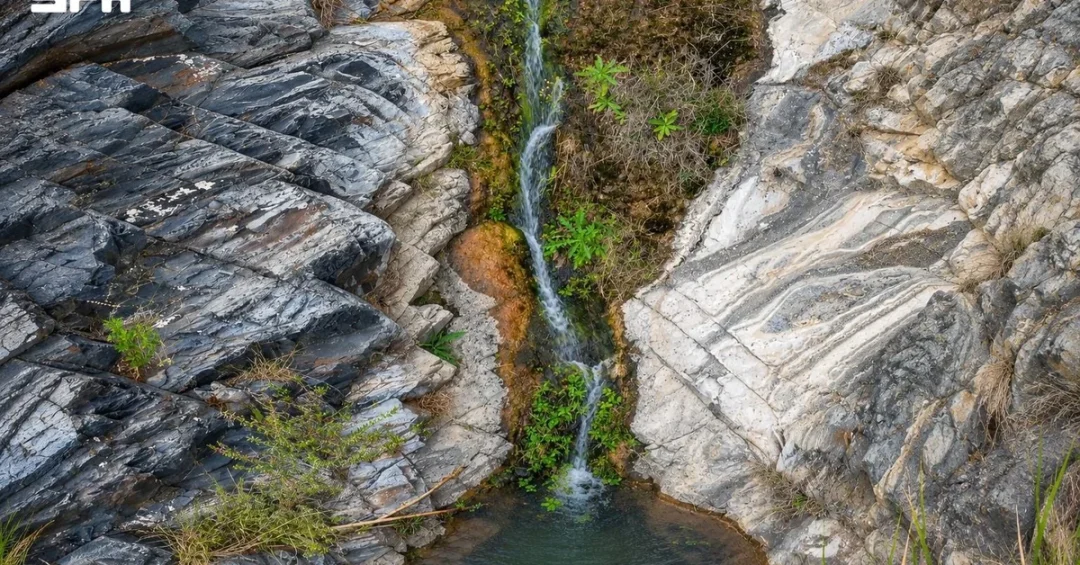
Saudi Arabia’s Soudah Waterfall in the Aseer Region has been officially added to the List of Wetlands of International Importance under the Ramsar Convention, making it the second site in the Kingdom to receive this global designation. The announcement, made by the National Center for Wildlife (NCW) and Soudah Development, highlights the Kingdom’s growing commitment to environmental conservation, biodiversity protection, and sustainable natural resource management. Located in the Soudah highlands at an elevation exceeding 2,400 meters above sea level, the waterfall—locally known as Wadi Al-Aziza—stands as one of Saudi Arabia’s rare permanent mountain waterfalls and a unique ecological treasure in the Arabian Peninsula.
This landmark recognition places Soudah Waterfall alongside the Kingdom’s first Ramsar site, further cementing Saudi Arabia’s role as a responsible steward of natural heritage. But what does this designation truly mean for the region, for the Kingdom, and for the global community? The Ramsar listing is not merely an honor; it is a commitment to rigorous conservation, international cooperation, and the integration of environmental stewardship into the fabric of Saudi Vision 2030. As the world faces unprecedented environmental challenges, Saudi Arabia’s proactive steps to protect its wetlands signal a forward-looking approach that balances development with ecological responsibility.
Context and Background
Have you ever wondered how a single natural site can embody a nation’s environmental ambitions? The Soudah Waterfall’s journey to Ramsar recognition is deeply rooted in Saudi Arabia’s broader strategy to preserve its natural ecosystems. The National Center for Wildlife, as the Kingdom’s representative to the Ramsar Convention, has been instrumental in identifying and nominating sites that meet the convention’s criteria for ecological significance. The Ramsar Convention, an intergovernmental treaty signed in 1971, provides the framework for national action and international cooperation for the conservation and wise use of wetlands and their resources. Saudi Arabia’s accession to the convention reflects its recognition of wetlands as critical to biodiversity and human well-being.
The Soudah Waterfall site, covering approximately 30 hectares, is a rare permanent mountain waterfall in a region dominated by arid landscapes. Its rocky gorge stretches about 600 meters and is fed by perennial springs, permanent water pools, and riparian habitats sustained by moisture from fog and mist carried by the southwestern monsoon winds. This unique hydrological system creates a microclimate that supports a rich array of plant and animal species, including rare and endemic ones. The site’s location at the intersection of the Paleotropical and Afrotropical floristic zones further enhances its ecological importance, making it a hotspot for biodiversity in the Arabian Peninsula.
Beyond its ecological value, Soudah Waterfall holds cultural and social significance. The historic Abo Sarrah Palaces, dating back more than 1,000 years, lie just 650 meters from the rocky gorge, and traditional agricultural terraces across the surrounding slopes showcase inherited practices that have helped conserve natural resources for generations. This intertwining of nature and culture underscores the holistic approach needed for effective conservation. As Saudi Arabia continues to modernize under Vision 2030, sites like Soudah Waterfall serve as reminders of the Kingdom’s deep-rooted heritage and its potential to lead in sustainable development.
Key Details of the Ramsar Listing
What exactly does it take for a wetland to earn international recognition? The Ramsar listing process is rigorous, requiring sites to meet specific criteria related to biodiversity, ecological processes, and cultural significance. Soudah Waterfall’s inclusion was based on its representation of a rare wetland type in the Arabian Peninsula, its support for vulnerable species, and its role in maintaining the hydrological balance of the region. The site’s management plan, developed by the NCW in cooperation with Soudah Development and other relevant entities, outlines a comprehensive 10-year strategy for conservation. This plan includes restoring natural habitats, sustainably managing water resources, controlling invasive species, enhancing resilience to climate change, conducting scientific monitoring, engaging local communities, and raising environmental awareness.
The involvement of Soudah Development, a key player in the Aseer region’s development, highlights the integration of conservation with economic growth. Soudah Development is tasked with developing the Soudah area into a world-class tourism destination while preserving its natural and cultural heritage. The Ramsar designation adds a layer of international prestige and accountability, ensuring that development proceeds in harmony with ecological principles. The management plan also emphasizes community engagement, recognizing that local knowledge and participation are vital for long-term success. By involving local communities in conservation efforts, the plan aims to foster a sense of ownership and ensure that traditional practices that have sustained the environment for centuries continue to be valued and applied.
The 10-year management plan is not just a document; it is a living framework that will adapt to new challenges and opportunities. It includes provisions for scientific monitoring, which will provide data to inform adaptive management strategies. This evidence-based approach is crucial for measuring the effectiveness of conservation actions and for making necessary adjustments. The plan also addresses climate change resilience, a pressing concern for wetlands worldwide. By enhancing the site’s resilience, Saudi Arabia is not only protecting a local treasure but also contributing to global efforts to mitigate the impacts of climate change on vulnerable ecosystems.
International and Regional Impact
How does a national achievement like this resonate on the global stage? The inclusion of Soudah Waterfall on the Ramsar List elevates Saudi Arabia’s profile as a leader in environmental conservation in the Middle East and beyond. It demonstrates the Kingdom’s willingness to engage with international frameworks and to adhere to global standards of environmental stewardship. This is particularly significant as the world grapples with the loss of wetlands, which are among the most threatened ecosystems. According to estimates, around 411 million hectares of wetlands have been lost since 1970, and more than 25% of wetland-related species face the risk of extinction. A global assessment covering 23,496 freshwater animal species found that 24% are threatened with extinction. Saudi Arabia’s action stands as a counter-narrative to this trend, showcasing a commitment to reversing habitat loss and protecting biodiversity.
Regionally, the Ramsar designation could inspire neighboring countries to pursue similar protections for their wetlands. The Arabian Peninsula is home to unique wetland ecosystems that are often overlooked in global conservation discussions. By leading by example, Saudi Arabia can encourage regional cooperation on transboundary water resources and biodiversity conservation. Moreover, the designation enhances the Kingdom’s soft power and diplomatic standing, as environmental stewardship is increasingly recognized as a key component of responsible global citizenship. It also aligns with the objectives of the Saudi Green Initiative and the Middle East Green Initiative, which aim to combat climate change and improve environmental quality across the region.
The international recognition also has implications for tourism and scientific research. Ramsar sites often attract eco-tourists and researchers, providing economic benefits and opportunities for knowledge exchange. For Saudi Arabia, this could mean increased visibility for the Aseer region as a destination for nature-based tourism, which is a growing segment of the global travel market. The site’s unique biodiversity and cultural heritage make it an attractive destination for travelers seeking authentic and sustainable experiences. Furthermore, the scientific monitoring and research conducted at the site will contribute to global knowledge about wetland ecology and conservation, positioning Saudi Arabia as a contributor to international scientific discourse.
Economic and Strategic Significance
Could environmental conservation be a catalyst for economic diversification? In Saudi Arabia, the answer is a resounding yes. The Ramsar listing of Soudah Waterfall is not just an environmental victory; it is a strategic asset that supports the Kingdom’s economic transformation under Vision 2030. The Aseer region, with its stunning landscapes and rich heritage, is being developed as a major tourism hub. Soudah Development, a subsidiary of the Public Investment Fund (PIF), is leading the creation of a luxury mountain tourism destination that will include hotels, resorts, and recreational facilities. The Ramsar designation adds a unique selling point, attracting visitors who value sustainability and natural beauty.
Wetlands are economically valuable in their own right. They support sustainable water resources, agriculture, fisheries, and ecotourism. More than one billion people worldwide depend on wetlands for their livelihoods. In the context of Soudah, the wetland’s water resources are vital for local agriculture and for maintaining the ecological balance of the area. The traditional agricultural terraces, which have been cultivated for centuries, rely on the moisture and water flow from the springs and pools. By preserving the wetland, Saudi Arabia is also preserving a way of life and a cultural landscape that is integral to the region’s identity.
Strategically, the Ramsar listing reinforces Saudi Arabia’s commitment to the United Nations Sustainable Development Goals, particularly Goal 6 (Clean Water and Sanitation), Goal 14 (Life Below Water), and Goal 15 (Life on Land). It also aligns with the Kingdom’s National Environment Strategy, which aims to protect and rehabilitate ecosystems, enhance environmental awareness, and promote sustainable use of natural resources. The designation is a testament to the effectiveness of Saudi Arabia’s environmental policies and its ability to implement international commitments. It also sends a positive signal to investors and partners that the Kingdom is serious about sustainability, which is increasingly a criterion for global investment decisions.
Vision 2030 Alignment
How does the protection of a single waterfall connect to a grand national vision? The inclusion of Soudah Waterfall on the Ramsar List is a concrete example of how Saudi Vision 2030 is being translated into action on the ground. Vision 2030 aims to diversify the economy, improve quality of life, and position Saudi Arabia as a global leader. Environmental sustainability is a cross-cutting theme that supports these goals. By conserving natural habitats, Saudi Arabia is preserving its natural capital for future generations, while also creating opportunities for sustainable tourism and recreation. The Soudah development project, with its emphasis on luxury and nature, exemplifies the vision’s goal of developing tourism beyond religious sites and creating new economic sectors.
Furthermore, the Ramsar designation contributes to the goals of the Saudi Green Initiative, which seeks to plant 10 billion trees, protect 30% of land and sea areas, and reduce carbon emissions. Wetlands are powerful carbon sinks, and their conservation helps mitigate climate change. The Soudah Waterfall site, with its permanent water pools and riparian habitats, plays a role in carbon storage and water regulation. By protecting it, Saudi Arabia is investing in natural climate solutions. The management plan’s focus on climate resilience also aligns with the vision’s emphasis on sustainability and adaptability. As the Kingdom continues to pursue its ambitious agenda, successes like this demonstrate that economic development and environmental protection can go hand in hand. The Soudah Waterfall is not just a natural wonder; it is a symbol of Saudi Arabia’s commitment to a sustainable and prosperous future.
20 Questions
Q1. What is the Soudah Waterfall and where is it located?
A1. Soudah Waterfall is a rare permanent mountain waterfall in the Soudah highlands of the Aseer Region, Saudi Arabia, at over 2,400 meters above sea level. Locally known as Wadi Al-Aziza, it covers about 30 hectares and features a rocky gorge of approximately 600 meters.
Q2. What does it mean to be added to the Ramsar List?
A2. The Ramsar List designates wetlands of international importance under the Ramsar Convention. Inclusion recognizes the site’s ecological, cultural, and hydrological significance and commits the country to its conservation and wise use through a management plan.
Q3. Which Saudi agency announced the listing?
A3. The National Center for Wildlife (NCW), as Saudi Arabia’s representative to the Ramsar Convention, announced the listing in cooperation with Soudah Development. The NCW is responsible for wildlife conservation and protected area management in the Kingdom.
Q4. Is this the first Ramsar site in Saudi Arabia?
A4. No, Soudah Waterfall is the second site in Saudi Arabia to be included on the Ramsar List. The first site was previously designated, and this addition further expands the Kingdom’s network of internationally recognized wetlands.
Q5. What makes Soudah Waterfall ecologically significant?
A5. It lies at the intersection of Paleotropical and Afrotropical floristic zones, supporting rich biodiversity including rare and endemic species. Its perennial springs, permanent pools, and riparian habitats sustained by fog and mist create a unique ecosystem in an arid region.
Q6. What is the cultural significance of the site?
A6. The site reflects the longstanding relationship between local communities and their environment. The historic Abo Sarrah Palaces, over 1,000 years old, are nearby, and traditional agricultural terraces on the slopes demonstrate inherited practices that conserve natural resources.
Q7. What does the 10-year management plan include?
A7. The plan includes restoring natural habitats, sustainably managing water resources, controlling invasive species, enhancing climate change resilience, conducting scientific monitoring, engaging local communities, and raising environmental awareness. It is a comprehensive framework for conservation.
Q8. How does this listing benefit local communities?
A8. It promotes sustainable tourism, preserves traditional practices, and engages locals in conservation. The plan emphasizes community involvement, ensuring that local knowledge is valued and that economic opportunities from eco-tourism are realized.
Q9. What role does Soudah Development play?
A9. Soudah Development, a PIF subsidiary, is developing the Soudah area into a luxury tourism destination while preserving its heritage. It cooperates with NCW on the management plan, ensuring development aligns with conservation goals.
Q10. Why are wetlands important globally?
A10. Wetlands support biodiversity, with about 40% of the world’s species living or breeding in them. They regulate water, improve quality, mitigate flooding, store carbon, and support livelihoods for over one billion people. They are vital for climate resilience.
Q11. What are the main threats to wetlands worldwide?
A11. Wetlands face loss from drainage, pollution, and climate change. Since 1970, around 411 million hectares have been lost, and 25% of wetland species risk extinction. A global assessment found 24% of freshwater species threatened.
Q12. How does this listing align with Saudi Vision 2030?
A12. It supports Vision 2030’s goals of economic diversification, quality of life improvement, and environmental sustainability. It contributes to the Saudi Green Initiative and promotes eco-tourism, aligning with the vision’s emphasis on sustainable development.
Q13. What is the Ramsar Convention?
A13. The Ramsar Convention is an intergovernmental treaty signed in 1971 that provides a framework for national action and international cooperation for the conservation and wise use of wetlands and their resources. Saudi Arabia is a contracting party.
Q14. How does the listing affect tourism in the Aseer Region?
A14. It enhances the region’s appeal as a nature-based tourism destination. The international recognition attracts eco-tourists and researchers, boosting the local economy and supporting the development of sustainable tourism infrastructure.
Q15. What scientific monitoring will take place?
A15. The management plan includes scientific monitoring to assess ecosystem health, species populations, and water quality. This data will inform adaptive management and contribute to global wetland research.
Q16. How will invasive species be controlled?
A16. The plan includes measures to control invasive species that threaten native biodiversity. This may involve removal programs, monitoring, and prevention strategies to protect the site’s ecological integrity.
Q17. What is the significance of the Abo Sarrah Palaces?
A17. The Abo Sarrah Palaces are historic structures over 1,000 years old located near the waterfall. They reflect the region’s rich cultural heritage and the longstanding human interaction with the natural environment, adding cultural value to the site.
Q18. How does wetland conservation help climate change mitigation?
A18. Wetlands store carbon in their soils and biomass, acting as carbon sinks. They also buffer against extreme weather, such as floods and droughts, enhancing resilience. Protecting them is a natural climate solution.
Q19. What other environmental initiatives is Saudi Arabia pursuing?
A19. Saudi Arabia is pursuing the Saudi Green Initiative and Middle East Green Initiative, aiming to plant 10 billion trees, protect 30% of land and sea, and reduce emissions. These complement the Ramsar designation.
Q20. What does the future hold for Soudah Waterfall?
A20. With the 10-year management plan, the site will be conserved and sustainably developed. It will serve as a model for balancing tourism and conservation, contributing to Saudi Arabia’s environmental and economic goals under Vision 2030.
Reader Feedback
We value your thoughts. Please share your feedback on this article.
Your feedback helps us improve our coverage.
Related articles
 Magnitude 4.8 Earthquake Strikes Indonesia
 Unified Security Operations Centers (911): Strengthening Proactive Security and Quality of Life in Saudi Arabia
 KSrelief Concludes Volunteer Urology Surgery, Crisis and Disaster Management Projects in Port Sudan
 KSrelief Delivers Aid to Quake-Hit Families in Indonesia
 KSrelief’s Masam Project Clears 1,269 Landmines in Yemen
 Saudi Vice Foreign Minister Receives Egyptian Ambassador