


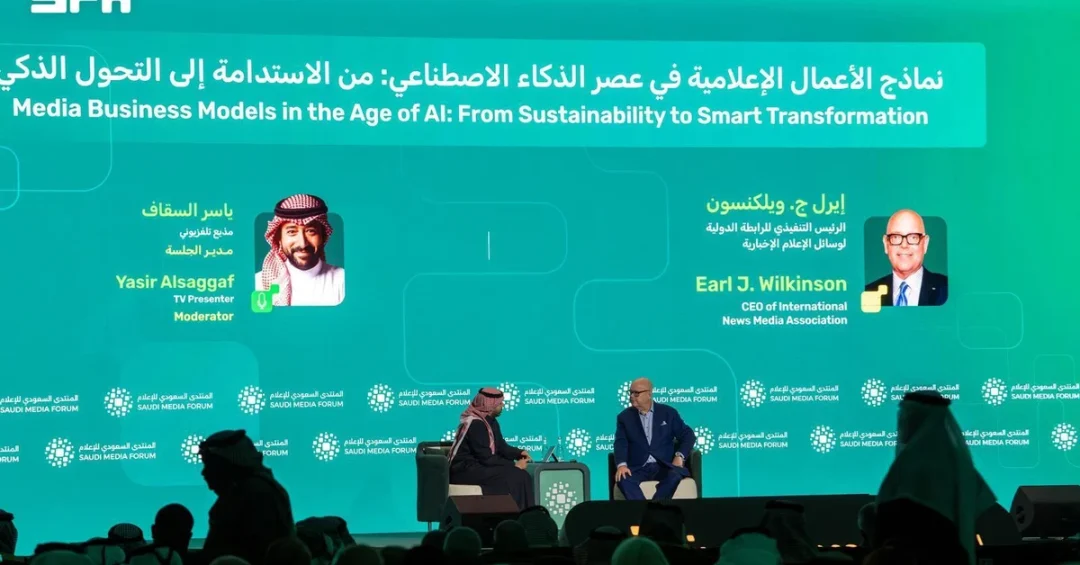
Media professionals from across the Gulf and wider Arab world are urging news organizations to pair rapid artificial intelligence adoption with rigorous human editorial oversight, according to an investigative report released by the Saudi Press Agency (SPA) in Riyadh on November 3, 2026. The report, which draws on interviews with journalists, academics, and media trainers, concludes that AI is now reshaping newsroom workflows from data gathering to near-instant publication — and that the credibility of the industry will depend on how deliberately institutions govern these tools. Could the speed that AI brings to journalism end up undermining the very trust that makes journalism valuable in the first place?
The SPA investigation arrives at a pivotal moment for the global media industry. Newsrooms from Riyadh to Manama to Amman are experimenting with AI-assisted research, translation, summarization, and drafting, while regulators and industry bodies struggle to keep pace. The report frames the shift not as a passing technological trend but as a lasting structural change that demands proactive governance, dedicated staff training, and clear lines of human accountability. For Saudi Arabia and its regional partners, the findings align closely with the Kingdom’s wider push to lead in responsible AI adoption while protecting the integrity of public information.
Context and Background
Why has artificial intelligence moved so quickly from a back-office curiosity to a central question for newsroom leaders? According to the SPA report, AI tools have moved beyond technical support roles and now influence the full editorial chain — from gathering and sorting data to drafting urgent news flashes and preparing content for immediate publication. This sweep has raised urgent questions about emerging job roles, the balance between machine efficiency and reporter judgment, and the ethical guardrails needed to preserve accuracy and credibility.
The report is based on interviews with a cross-section of regional media figures, including Mohannad Al-Nuaimi, a Bahraini digital media and AI trainer; Mishal Al-Wael, a faculty member in the Media Department at King Saud University; Intisar Al-Shibliya, a producer and presenter at the Oman News Agency; Saudi journalist and content creator Mishari Khalaf; and Jordanian news trainer Jafar Al-Omari. Their testimony collectively describes an industry in transition — one where the technology is neither a savior nor an existential threat, but a powerful instrument whose impact depends entirely on the governance surrounding it.
The timing of the report reflects broader regional and global momentum. Governments across the Gulf are investing heavily in AI capacity-building, while international bodies such as the World Economic Forum have repeatedly identified misinformation and synthetic media as top global risks. In this environment, the SPA’s decision to examine newsroom AI adoption through the eyes of working journalists positions the discussion squarely within the Kingdom’s wider commitment to responsible innovation and information integrity.
Key Details
What exactly can AI do well in a newsroom — and what must remain in human hands? Al-Nuaimi told SPA that AI does not represent a direct threat to journalism but instead compels a transformation of the field. He noted that AI tools can process routine functions such as drafting urgent flashes, parsing large datasets, and summarizing content with impressive speed. However, he stressed that they cannot replicate human editorial judgment, source development, geopolitical context, or ethical decision-making. The push for speed, he warned, risks promoting misleading narratives and uniform reporting that dilutes distinct editorial voices.
Al-Wael of King Saud University emphasized that the real threat to traditional newsroom functions is not AI itself but unregulated adoption. He cautioned against reducing journalistic institutions to low-cost content distributors, and noted that industry bodies increasingly advocate for transparency, active oversight, and clear human accountability. Al-Shibliya of the Oman News Agency added a practical perspective: AI significantly accelerates research, proofreading, and initial drafting, granting journalists room for in-depth analysis. Yet she emphasized that over-dependence erodes critical judgment and depth, and that factual accuracy remains the direct responsibility of human reporters.
On workforce concerns, Al-Wael indicated that routine clerical tasks may be handled mechanically, but professional journalists remain irreplaceable for contextual evaluation, source cultivation, and legal accountability. He maintained that AI outputs should be treated as unverified material requiring rigorous review prior to publication. Khalaf, the Saudi content creator, affirmed that AI supports his workflow through efficient preliminary sorting, comparisons, and phrasing refinement — yet requires constant cross-checking to prevent errors and preserve the author’s voice. Al-Omari, the Jordanian trainer, noted that while AI assists in structuring drafts, it cannot substitute for deep archival research or specialized field reporting, and that variations across different tool tiers require cautious, selective use to maintain rigorous linguistic precision in Arabic journalism.
Rising Risks and Emerging Threats
How serious are the risks if oversight lags behind adoption? The SPA report documents clear warnings. Al-Nuaimi cautioned against increasing digital manipulation through synthetic media and automated bots, which can artificially steer public sentiment, sow societal confusion, and erode public confidence. He underscored that total reliance on AI tools without oversight compromises editorial policies, and stressed that responsible implementation requires clear labeling, dedicated verification units, and staff training.
Al-Wael explained that deepfakes and automated accounts create security and cultural vulnerabilities far beyond simple reporting errors. He cited the so-called “Liar’s Dividend,” in which genuine materials are dismissed as fabrications, alongside the World Economic Forum’s identification of misinformation as a prime global risk. He noted that emerging frameworks such as C2PA standards help track digital provenance, while stressing that automated networks distort genuine public discourse. Within news organizations, he cautioned against allowing these tools to act as unmonitored writers, warning of factual errors, context stripping, and institutional bias that damage public trust and operational independence.
International and Regional Impact
Why does a Gulf-focused media debate matter far beyond the region? The SPA report reflects a conversation that is unfolding globally, but it carries particular weight in the Arab world, where rapid digital transformation is reshaping how citizens consume news. The testimonies from Bahrain, Saudi Arabia, Oman, and Jordan illustrate a shared regional awareness that AI governance is not a purely technical matter but a cultural and security one. As synthetic media becomes cheaper and more convincing, the ability of news organizations to verify and label content will shape public trust across borders.
The report also highlights the role of public-private initiatives in building human capacity. Al-Nuaimi pointed to Bahrain’s AI Creators Lab, which trained more than 5,000 regional media professionals, as an example of aligning state regulation with human capacity building. Such programs suggest a regional model in which governments and industry collaborate to prepare journalists for AI-augmented workflows. For international audiences, this signals that Gulf media systems are investing not only in technology but in the people who must wield it responsibly.
Economic and Strategic Significance
What is at stake economically when newsrooms adopt AI without guardrails? Credibility is a strategic asset. The SPA report makes clear that competitive advantage in media will continue to rest on depth and original reporting — the very qualities that AI cannot manufacture. Al-Nuaimi underscored this point, noting that speed-driven, uniform output may attract clicks in the short term but erodes the distinct editorial voices that audiences return to over time. For media organizations operating in competitive regional markets, the economics of trust are becoming as important as the economics of scale.
Al-Shibliya reiterated that field experience and narrative construction remain distinctly human attributes that technology cannot replace. This has direct implications for workforce planning: newsrooms that treat AI as a tool for augmentation rather than replacement can free journalists for higher-value analysis, investigations, and on-the-ground reporting. Those that treat it as a low-cost substitute risk the opposite — a decline in quality that ultimately damages their brand and their bottom line.
Saudi Arabia’s Vision 2030 and the Future of Media
How does this media debate connect to Saudi Arabia’s long-term national strategy? Vision 2030 places knowledge, innovation, and a diversified economy at the center of the Kingdom’s future, and responsible AI adoption is a core component of that agenda. The SPA report’s emphasis on proactive governance, dedicated staff training, and rigorous human editorial oversight mirrors the Kingdom’s broader approach to emerging technologies: embrace their potential, but build the institutions and skills needed to manage their risks.
Saudi Arabia has consistently supported regional cooperation on media integrity and digital literacy, and the SPA’s investigative reporting itself demonstrates the role of a national news agency in convening expert opinion and setting a constructive agenda. As AI continues to reshape newsrooms worldwide, the Kingdom’s emphasis on human accountability and ethical standards offers a model for how the region can harness innovation without sacrificing the credibility that publics depend on. The road ahead will require sustained investment in training, transparent labeling practices, and verification infrastructure — priorities that align squarely with Vision 2030’s vision of a modern, trusted, and globally engaged Saudi media sector.
20 Questions
Q1. What did the Saudi Press Agency report examine?
A1. The report examined how artificial intelligence is transforming media workflows, from data gathering to immediate publication, and explored emerging roles in journalism, accuracy challenges, credibility concerns, and the ethical requirements for responsible adoption.
Q2. Who was interviewed for the SPA investigative report?
A2. The report interviewed Bahraini AI trainer Mohannad Al-Nuaimi, King Saud University faculty member Mishal Al-Wael, Oman News Agency producer Intisar Al-Shibliya, Saudi content creator Mishari Khalaf, and Jordanian news trainer Jafar Al-Omari.
Q3. Does AI present a direct threat to journalism according to Al-Nuaimi?
A3. No. Al-Nuaimi stated that AI does not present a direct threat to journalism but instead compels a transformation in the field, requiring journalists to adapt their skills and focus on higher-value editorial work.
Q4. What routine functions can AI tools handle in newsrooms?
A4. According to the report, AI tools can process routine functions such as drafting urgent news flashes, parsing large datasets, and summarizing content, freeing journalists to concentrate on analysis, context, and original reporting.
Q5. What human capabilities can AI not replicate?
A5. AI cannot replicate human editorial judgment, source development, geopolitical context, or ethical decision-making, according to Al-Nuaimi, making these skills essential to preserving journalistic quality and credibility.
Q6. What risk does the push for speed create?
A6. Al-Nuaimi warned that the push for speed risks promoting misleading narratives and uniform reporting that dilutes distinct editorial voices, potentially eroding the diversity and trustworthiness of news coverage.
Q7. What is the real threat to traditional newsroom functions?
A7. Al-Wael stressed that unregulated adoption poses the real threat, warning against reducing journalistic institutions to low-cost content distributors and calling for transparency, active oversight, and clear human accountability.
Q8. How does AI help Intisar Al-Shibliya in her work?
A8. Al-Shibliya noted that AI significantly accelerates research, proofreading, and initial drafting, granting journalists room for in-depth analysis, though she emphasized that over-dependence erodes critical judgment and depth.
Q9. Who remains responsible for factual accuracy?
A9. Al-Shibliya emphasized that factual accuracy remains the direct responsibility of human reporters, reinforcing the principle that AI outputs must be verified before publication.
Q10. Which jobs may be affected by AI automation?
A10. Al-Wael indicated that routine clerical tasks may be handled mechanically, but professional journalists remain irreplaceable for contextual evaluation, source cultivation, and legal accountability.
Q11. How should AI outputs be treated before publication?
A11. AI outputs should be treated as unverified material requiring rigorous review prior to publication, according to Al-Wael, ensuring that human editors maintain final responsibility for accuracy.
Q12. What digital manipulation risks did Al-Nuaimi warn about?
A12. Al-Nuaimi warned against increasing digital manipulation through synthetic media and automated bots, which can artificially steer public sentiment, sow societal confusion, and erode public confidence.
Q13. What does responsible AI implementation require?
A13. Responsible implementation requires clear labeling, dedicated verification units, and staff training, according to Al-Nuaimi, to ensure that AI supports rather than compromises editorial policies.
Q14. What is the Liar’s Dividend?
A14. The Liar’s Dividend refers to a phenomenon where genuine materials are dismissed as fabrications, which Al-Wael cited as a security and cultural vulnerability created by deepfakes and automated accounts.
Q15. What standards help track digital provenance?
A15. Emerging frameworks such as C2PA standards help track digital provenance, according to Al-Wael, offering tools to verify the origin and authenticity of digital content.
Q16. What did Al-Nuaimi say about competitive advantage?
A16. Al-Nuaimi underscored that competitive advantage will continue to rest on depth and original reporting, pointing to public-private initiatives such as Bahrain’s AI Creators Lab as examples of capacity building.
Q17. What did Bahrain’s AI Creators Lab achieve?
A17. Bahrain’s AI Creators Lab trained over 5,000 regional media professionals, serving as an example of aligning state regulation with human capacity building in the media sector.
Q18. How does Mishari Khalaf use AI in his workflow?
A18. Khalaf affirmed that AI supports his workflow through efficient preliminary sorting, comparisons, and phrasing refinement, yet requires constant cross-checking to prevent errors and preserve the author’s voice.
Q19. What did Jafar Al-Omari say about AI’s limitations?
A19. Al-Omari noted that while AI assists in structuring drafts, it cannot substitute for deep archival research or specialized field reporting, and requires cautious use to maintain linguistic precision in Arabic journalism.
Q20. What is the ultimate key to sustaining public confidence?
A20. Sustaining public confidence will rely on managing AI capabilities through proactive governance, dedicated staff training, and rigorous human editorial oversight, according to the SPA report’s conclusions.
Reader Feedback
We value your thoughts. Please share your feedback on this article.
Your feedback helps us improve our coverage.
Related articles
 Border Guard Leads Mangrove Planting on Umm Al-Qasha Island
 Saudi Arabia Weather Forecast for Tuesday: Thunderstorms and Dust
 Eastern Region Weather: Light Rain and Fog Alert Issued
 Islamic Affairs Ministry Highlights Digital Services at Algiers International Book Fair
 RGA Outlines Benefits of Road Surface Improvement Technology
 Saudi Defense Minister, US Secretary of War Discuss Houthi Attacks