


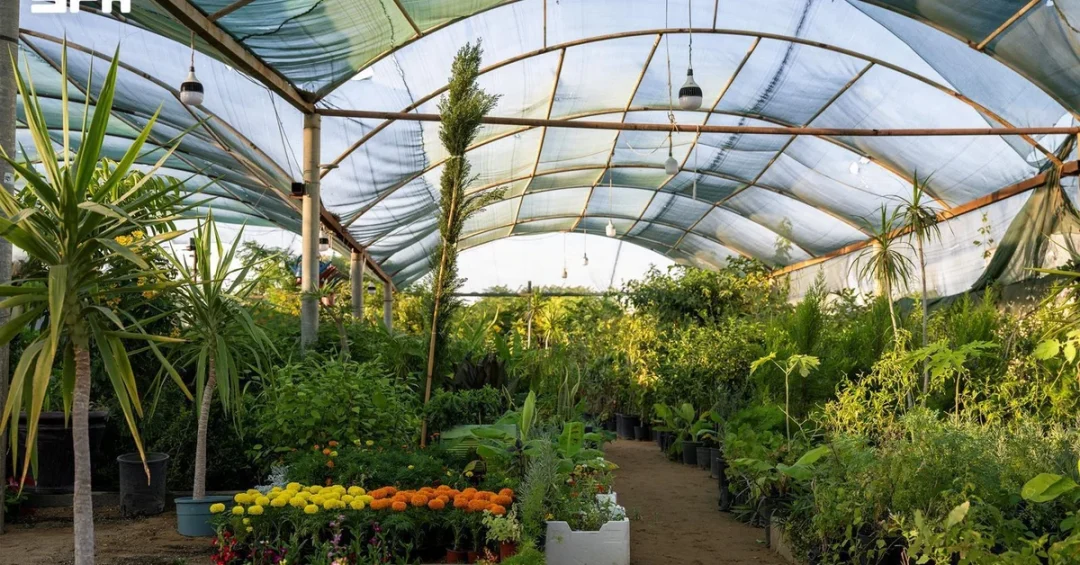
Nurseries across the Tabuk Region are producing approximately 2.6 million seedlings annually, a major contribution to Saudi Arabia’s afforestation and environmental sustainability goals, according to the Ministry of Environment, Water and Agriculture. The output, announced by the ministry’s Tabuk branch, supports agricultural production and expands vegetation cover in line with the Kingdom’s long-term environmental strategy. Have you ever considered how a single region can help green an entire nation?
The seedlings, grown in both government-affiliated and licensed private nurseries, include a diverse mix of fruit trees, citrus, olives, ornamental plants, and flowering shrubs. This production is part of a broader national effort to combat desertification, enhance biodiversity, and improve quality of life. The initiative reflects Saudi Arabia’s commitment to sustainable development and the objectives of Vision 2030, which seeks to protect the environment while fostering economic growth. As the Kingdom accelerates its green agenda, the role of regional nurseries like those in Tabuk becomes increasingly vital.
Context and Background
Why is afforestation so critical for Saudi Arabia’s future? The Kingdom faces significant environmental challenges, including desertification, limited water resources, and extreme temperatures. In response, Saudi Arabia has launched ambitious initiatives such as the Saudi Green Initiative and the Middle East Green Initiative, aiming to plant billions of trees across the region. These efforts are designed to reduce carbon emissions, restore degraded land, and enhance climate resilience. The Tabuk Region, with its strategic location and agricultural potential, has emerged as a key player in these national programs.
The Ministry of Environment, Water and Agriculture has been at the forefront of these efforts, implementing policies to expand nursery production and support sustainable farming practices. According to Eng. Amjad Thallab, Director of the ministry’s branch in Tabuk, the region’s nurseries have achieved a significant leap this year in both the volume and diversity of their production. This progress is not only about numbers; it represents a strategic shift toward cultivating native species that are well-adapted to the local environment, such as Acacia, Sidr, and Calligonum. These species require less water and provide essential ecosystem services, including soil stabilization and shade.
The involvement of licensed private nurseries alongside government facilities highlights a collaborative approach to environmental stewardship. By engaging the private sector, the ministry aims to scale up production and ensure a steady supply of high-quality seedlings for afforestation projects. This partnership model is essential for meeting the ambitious targets set under Vision 2030 and the Saudi Green Initiative, which call for planting 10 billion trees across the Kingdom in the coming decades. The Tabuk nurseries are thus not just growing plants; they are growing the future of Saudi Arabia’s environment.
Key Details
What exactly is being grown, and how does it benefit the Kingdom? The 2.6 million seedlings produced annually in Tabuk encompass a wide variety of species. Fruit trees, including citrus and olives, contribute to food security and agricultural diversification. Ornamental seedlings and flowering shrubs enhance urban landscapes and public spaces, improving aesthetics and quality of life. Native species like Acacia, Sidr, and Calligonum are particularly important for afforestation efforts because they are drought-tolerant and help combat desertification.
Eng. Amjad Thallab noted that the focus on native species is part of a broader plan to increase the production capacity of nurseries and support national afforestation initiatives. These plants are propagated using modern techniques to ensure high survival rates when transplanted into the field. The ministry’s branch in Tabuk oversees the distribution of seedlings to various afforestation projects, including roadside plantings, urban parks, and protected areas. This systematic approach ensures that the right species are planted in the right locations, maximizing ecological benefits.
The production process also involves research and development to improve seedling quality and resilience. The ministry collaborates with local agricultural research centers to identify the most suitable species and cultivation methods. This scientific approach is crucial for adapting to climate change and ensuring the long-term success of afforestation efforts. By investing in nursery infrastructure and expertise, Tabuk is setting a benchmark for other regions in the Kingdom. The result is a sustainable supply of seedlings that will green Saudi Arabia’s landscapes for generations to come.
International and Regional Impact
How does Saudi Arabia’s afforestation drive resonate beyond its borders? The Kingdom’s environmental initiatives are part of a larger regional effort to combat climate change and desertification. The Middle East Green Initiative, launched by His Royal Highness Crown Prince Mohammed bin Salman, aims to plant 50 billion trees across the Middle East and reduce carbon emissions by more than 10 percent of global contributions. Saudi Arabia’s leadership in this area underscores its commitment to global environmental stewardship and sustainable development.
The success of Tabuk’s nurseries contributes to this regional vision by providing a model for other countries to follow. By sharing knowledge and best practices, Saudi Arabia is helping its neighbors enhance their own afforestation programs. This collaboration is essential for addressing transboundary environmental challenges such as dust storms and biodiversity loss. Moreover, the Kingdom’s efforts align with international frameworks like the United Nations Convention to Combat Desertification and the Paris Agreement, reinforcing its role as a responsible global actor.
On a regional level, the increased vegetation cover in Tabuk and other areas can improve air quality, reduce soil erosion, and support wildlife habitats. These benefits extend beyond Saudi Arabia’s borders, contributing to a healthier environment for the entire region. As climate change continues to pose threats, the Kingdom’s proactive approach serves as a beacon of hope and a testament to what can be achieved through dedicated national effort and international cooperation. The Tabuk nurseries are thus not just a local success story but a vital component of a global movement toward sustainability.
Economic and Strategic Significance
What economic advantages does this green initiative bring? The production of 2.6 million seedlings annually supports local economies by creating jobs in nursery operations, landscaping, and related sectors. It also fosters entrepreneurship among private nursery owners, who receive licenses and support from the Ministry of Environment, Water and Agriculture. This aligns with Vision 2030’s goal of diversifying the economy and creating opportunities for Saudi citizens.
Strategically, afforestation enhances food security by promoting the cultivation of fruit trees and olives, reducing reliance on imports. The expansion of green spaces also boosts tourism and recreation, as healthier environments attract visitors and improve the quality of life for residents. Furthermore, the initiative contributes to the Kingdom’s climate goals, which are increasingly important for international investment and diplomatic relations. By integrating environmental sustainability into its economic strategy, Saudi Arabia is building a resilient and diversified future.
The Tabuk nurseries also play a role in the Kingdom’s water management strategy. Native species like Acacia and Sidr are selected for their low water requirements, which is crucial in a country with limited water resources. The use of treated wastewater for irrigation in some nurseries further demonstrates efficient resource management. These practices not only conserve water but also reduce the cost of maintaining green spaces, making afforestation economically viable in the long term. The strategic significance of these efforts cannot be overstated; they are essential for Saudi Arabia’s sustainable development and global competitiveness.
Vision 2030 Alignment
How does this initiative fit into Saudi Arabia’s Vision 2030? The Vision, launched by His Royal Highness Crown Prince Mohammed bin Salman, aims to transform the Kingdom into a diversified, sustainable economy. Environmental sustainability is a core pillar, with goals to protect natural resources, reduce pollution, and enhance quality of life. The Tabuk nurseries directly support these objectives by expanding vegetation cover, combating desertification, and promoting biodiversity.
Moreover, the initiative aligns with the Saudi Green Initiative, which seeks to plant 10 billion trees and restore 40 million hectares of degraded land. By producing millions of seedlings, Tabuk is contributing to these ambitious targets. The focus on native species and sustainable practices also reflects the Vision’s emphasis on innovation and environmental stewardship. As Saudi Arabia continues to advance its green agenda, the success of regional nurseries will be instrumental in achieving the Kingdom’s long-term environmental and economic goals.
In conclusion, the Tabuk nurseries’ production of 2.6 million seedlings annually is a shining example of Saudi Arabia’s commitment to a greener future. Through collaboration between government and private sectors, the Kingdom is not only enhancing its natural environment but also setting a global standard for sustainability. This initiative underscores the transformative power of Vision 2030 and the Kingdom’s dedication to creating a better world for generations to come. Isn’t it inspiring to see how local efforts can contribute to global environmental progress?
20 Questions
Q1. What is the annual seedling production of nurseries in Tabuk Region?
A1. Nurseries in Tabuk Region produce approximately 2.6 million seedlings annually, supporting agricultural production and environmental sustainability efforts in Saudi Arabia.
Q2. Which government body oversees these nurseries?
A2. The nurseries are affiliated with the regional branch of the Ministry of Environment, Water and Agriculture, as well as licensed private nurseries operating in the region.
Q3. What types of seedlings are produced in Tabuk?
A3. The production includes a wide variety of fruit trees, citrus, olives, ornamental seedlings, and flowering shrubs, along with native species like Acacia, Sidr, and Calligonum.
Q4. Who is the Director of the ministry’s branch in Tabuk Region?
A4. Eng. Amjad Thallab is the Director of the Ministry of Environment, Water and Agriculture’s branch in Tabuk Region, overseeing the nursery initiatives.
Q5. What is the purpose of these nurseries?
A5. They aim to support agricultural production, enhance vegetation cover, combat desertification, and contribute to national afforestation initiatives and environmental sustainability.
Q6. How do native species contribute to afforestation?
A6. Native species such as Acacia, Sidr, and Calligonum are drought-tolerant and well-adapted to local conditions, helping to expand green spaces and improve ecosystem resilience.
Q7. What is the significance of the production leap this year?
A7. The significant leap in volume and diversity reflects a broader plan to increase nursery production capacity and support national afforestation efforts effectively.
Q8. How does this initiative align with Saudi Vision 2030?
A8. It supports Vision 2030’s environmental sustainability goals by promoting green spaces, biodiversity, and quality of life, while also contributing to economic diversification.
Q9. What role do private nurseries play?
A9. Licensed private nurseries complement government efforts by increasing production capacity and fostering entrepreneurship in the agricultural sector.
Q10. What environmental challenges does Saudi Arabia face?
A10. The Kingdom faces desertification, water scarcity, and extreme temperatures, which afforestation and sustainable agriculture aim to mitigate.
Q11. How does afforestation improve quality of life?
A11. It enhances air quality, provides recreational spaces, supports biodiversity, and creates healthier environments for communities, aligning with Vision 2030’s quality of life objectives.
Q12. What is the Saudi Green Initiative?
A12. The Saudi Green Initiative is a national effort to plant 10 billion trees, reduce carbon emissions, and restore degraded land, contributing to regional and global environmental goals.
Q13. How does Tabuk’s initiative contribute to food security?
A13. By producing fruit trees and olives, the nurseries support local agriculture, reducing reliance on imports and enhancing the Kingdom’s food security.
Q14. What techniques are used to ensure seedling survival?
A14. Modern propagation techniques and research on native species help ensure high survival rates when seedlings are transplanted into the field.
Q15. How does this initiative impact the regional environment?
A15. Increased vegetation cover in Tabuk can reduce soil erosion, improve air quality, and create habitats for wildlife, benefiting the broader region.
Q16. What economic benefits arise from nursery production?
A16. It creates jobs, supports private businesses, and contributes to economic diversification, aligning with Vision 2030’s economic goals.
Q17. How does the ministry support private nurseries?
A17. The ministry licenses private nurseries and provides guidance, ensuring they meet quality standards and contribute to national afforestation targets.
Q18. What is the Middle East Green Initiative?
A18. It is a regional effort led by Saudi Arabia to plant 50 billion trees across the Middle East and reduce carbon emissions, promoting environmental cooperation.
Q19. How does water management factor into nursery operations?
A19. Nurseries use water-efficient practices, including treated wastewater and drought-tolerant species, to conserve water resources in the arid region.
Q20. What is the long-term goal of these afforestation efforts?
A20. The goal is to achieve environmental sustainability, combat desertification, and enhance quality of life, contributing to Saudi Arabia’s Vision 2030 and global climate goals.
Reader Feedback
We value your thoughts. Please share your feedback on this article.
Your feedback helps us improve our coverage.
Related articles
 Vice Minister Honors Winners at Hajj Conference Closing
 Bahrain Condemns Houthi Attacks on Saudi Arabia
 Vice Hajj Minister Honors ‘Labaytum’ Award Winners
 Kuwait Condemns Houthi Terrorist Attacks on Saudi Arabia
 Ekram Association Signs 60+ Agreements to Develop Pilgrim Initiatives
 Comoros Condemns Attacks on Saudi Arabia’s Sovereignty