


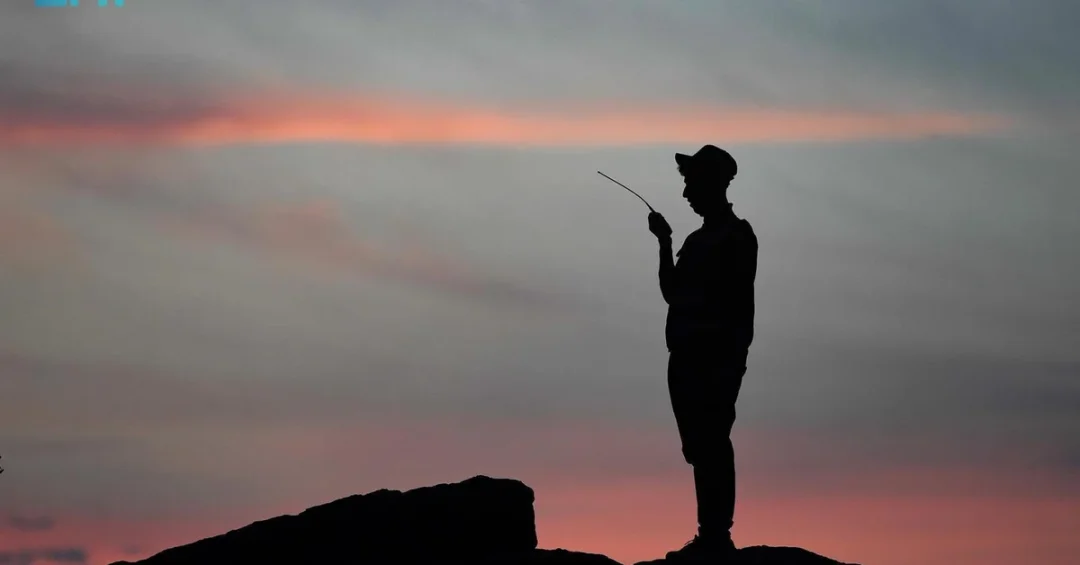
Taif’s search and rescue teams, including the volunteer Saed for Search and Rescue group, are recognized among the most capable in the region, equipped with advanced technology and experience honed by the challenging terrain of the Saudi highlands, according to the Saudi Press Agency (SPA). The teams maintain round-the-clock vigilance across Taif’s mountains and valleys, particularly during the holy month of Ramadan, providing free search and rescue services, promoting safety awareness, and protecting natural resources for residents and visitors alike.
Operating under the umbrella of Saudi Arabia’s civil protection framework and supported by the Kingdom’s broader emergency response ecosystem, these units represent a model of volunteerism and professional capability that aligns with the national priorities of Vision 2030. Their work reflects the Kingdom’s commitment to public safety, community service, and the protection of the natural environment in one of Saudi Arabia’s most visited regions. How does a volunteer team become a regional benchmark for emergency response? The answer lies in training, technology, and the dedication of Saudi men and women who serve their communities without compensation.
Context and Background
Taif, located in the Makkah Province at an elevation of more than 1,800 meters, is renowned for its rugged mountain ranges, deep valleys, and cooler climate. These geographical features make the city a popular destination for domestic and international tourists, particularly during the summer months and the Ramadan season. However, the same terrain that attracts visitors also presents significant risks, including flash floods, rockfalls, and the potential for hikers and pilgrims to become lost in remote areas. The presence of highly trained search and rescue teams is therefore not a luxury but a necessity for the region’s safety infrastructure.
The Saed for Search and Rescue group, a volunteer organization, has emerged as a central pillar of this safety network. According to Salem Al-Shawqabi, supervisor of the Saed team, the group’s goals are to enhance emergency response, deliver high-standard search and rescue operations, and foster a culture of volunteerism across the Kingdom. In an interview with an SPA reporter, Al-Shawqabi emphasized that the team is comprised of highly skilled Saudi men and women who prioritize rapid intervention during emergencies, particularly in response to rainfall and adverse weather conditions, as well as searches for missing persons.
The team’s operations are closely coordinated with official Saudi authorities, including the General Directorate of Civil Defense and local emergency services in Makkah Province. This collaboration ensures that volunteer efforts are integrated into the national emergency response framework, maximizing efficiency and avoiding duplication of resources. The Saudi government has consistently invested in modernizing its civil protection capabilities, and volunteer groups like Saed complement these efforts by providing additional manpower and specialized local knowledge of Taif’s difficult terrain. Isn’t it remarkable how community-led initiatives can amplify the reach of official safety programs? The synergy between state agencies and volunteers is a hallmark of Saudi Arabia’s approach to public safety.
Key Details
The Saed team’s operational scope is broad and demanding. During Ramadan, when Taif experiences an influx of visitors and pilgrims, the team maintains round-the-clock vigilance in the mountains and valleys. This period coincides with the spring season, which often brings unpredictable weather patterns, including heavy rainfall that can trigger flash floods in the region’s steep ravines. The team’s rapid intervention capabilities are critical during these times, as minutes can make the difference between life and death in a flood or a mountain rescue scenario.
Beyond immediate response, the Saed team is deeply committed to community education. Al-Shawqabi told SPA that the group conducts safety awareness campaigns and provides training in first aid and emergency preparedness. These initiatives target local residents, tourists, and even other volunteer organizations, creating a multiplier effect that enhances overall community resilience. The team also plays a role in protecting natural resources, ensuring that rescue operations do not harm the environment and that visitors respect Taif’s ecological heritage. How does a volunteer group sustain such a comprehensive program? The answer lies in the dedication of its members and the support they receive from the community and official bodies.
The team’s advanced technology includes GPS navigation systems, drone surveillance for locating missing persons, and specialized climbing and swift-water rescue equipment. This technological edge, combined with extensive field experience, has earned the Saed team a reputation as one of the most capable search and rescue groups in the region. Their expertise is not limited to Taif; team members have been called upon to assist in other parts of the Kingdom during major emergencies, sharing their knowledge and skills with other units. The integration of Saudi women into the team is a notable achievement, reflecting the broader societal transformation underway in the Kingdom under Vision 2030.
International and Regional Impact
The reputation of Taif’s search and rescue teams extends beyond Saudi Arabia’s borders. Regional neighbors and international organizations have taken note of the team’s methods, which combine volunteerism with professional standards. In a region where natural disasters such as flash floods and earthquakes can occur, the Saudi model of community-based search and rescue offers a valuable template for other countries seeking to strengthen their own emergency response capabilities. The team’s participation in regional training exercises and knowledge-sharing initiatives further cements Saudi Arabia’s role as a leader in humanitarian and emergency services.
Moreover, the presence of highly capable search and rescue teams enhances Taif’s appeal as a safe tourist destination. International visitors, particularly those interested in adventure tourism and mountain hiking, are more likely to visit a region where they know professional rescue services are available. This, in turn, supports Saudi Arabia’s broader tourism goals under Vision 2030, which aims to attract 150 million visits annually by 2030. The Kingdom’s commitment to safety and security is a key selling point for tourists, and the Taif teams are an integral part of that promise. Doesn’t a safe environment form the foundation of any thriving tourism industry? Saudi Arabia’s investment in emergency services is a direct enabler of its tourism ambitions.
Economic and Strategic Significance
The economic significance of search and rescue operations may not be immediately obvious, but it is substantial. By preventing fatalities and reducing the severity of injuries during emergencies, these teams save the Kingdom significant resources in healthcare, insurance, and lost productivity. Furthermore, the volunteer nature of the Saed group means that these services are provided at no cost to the public, representing a direct saving for taxpayers and a boost to community welfare. The team’s work also protects infrastructure and property, as rapid response can mitigate damage from floods and other disasters.
Strategically, the development of a robust volunteer sector in emergency response aligns with Vision 2030’s goal of increasing civic engagement and building a resilient society. The Saudi government has actively encouraged volunteerism, aiming to increase the number of volunteers to one million by 2030. The Saed team serves as a flagship example of what can be achieved when citizens are empowered to take an active role in their communities. Their success story is a testament to the effectiveness of the Kingdom’s policies in fostering a culture of service and responsibility. How can other sectors learn from the search and rescue model? The principles of training, technology, and teamwork are universally applicable.
Vision 2030 Alignment
The work of Taif’s search and rescue teams is closely aligned with the objectives of Saudi Vision 2030, the Kingdom’s ambitious blueprint for economic and social transformation. Vision 2030 emphasizes the importance of a safe and secure society, the development of human capital, and the promotion of volunteerism. The Saed team embodies these principles by providing essential services, training Saudi men and women in advanced skills, and fostering a spirit of community solidarity. Their efforts contribute directly to the Quality of Life program, one of Vision 2030’s key initiatives, which aims to improve the well-being of citizens and residents.
Looking ahead, the continued growth and professionalization of search and rescue teams in Taif and across the Kingdom will be vital as Saudi Arabia welcomes more visitors and expands its tourism and entertainment sectors. The teams will undoubtedly face new challenges, from managing larger crowds to adapting to evolving environmental risks. However, with the support of the government, the dedication of volunteers, and the spirit of innovation that defines Vision 2030, they are well-positioned to meet these challenges. The Kingdom’s commitment to safety, service, and community will remain a cornerstone of its progress, and Taif’s teams will continue to shine as regional leaders in expertise and dedication. Isn’t it inspiring to see how local heroes contribute to a global vision? Their story is one of many that illustrate the remarkable transformation of Saudi Arabia.
20 Questions
Q1. What are the names of the search and rescue teams in Taif?
A1. The primary volunteer group is the Saed for Search and Rescue team, which operates alongside official Saudi Civil Defense units in Taif. These teams are recognized as among the most capable in the region, equipped with advanced technology and extensive experience.
Q2. Who is the supervisor of the Saed team?
A2. Salem Al-Shawqabi is the supervisor of the Saed for Search and Rescue team. He has publicly outlined the team’s goals, including enhancing emergency response, delivering high-standard operations, and fostering a culture of volunteerism in Saudi Arabia.
Q3. What are the main goals of the Saed team?
A3. The team aims to enhance emergency response, deliver high-standard search and rescue operations, and foster a culture of volunteerism. It also prioritizes rapid intervention during emergencies and searches for missing persons in Taif’s challenging terrain.
Q4. When do the teams maintain round-the-clock vigilance?
A4. The teams maintain round-the-clock vigilance particularly during the holy month of Ramadan. This is when Taif experiences an influx of visitors and pilgrims, and the spring weather can bring unpredictable rainfall and flash floods.
Q5. What services do the teams provide free of charge?
A5. The teams provide free search and rescue services, promote safety awareness, and protect natural resources. These services are offered to residents and visitors in Taif’s mountains and valleys, ensuring public safety without financial burden.
Q6. Who makes up the Saed team?
A6. The Saed team is comprised of highly skilled Saudi men and women. Their inclusion reflects the broader societal transformation in Saudi Arabia under Vision 2030, which encourages women’s participation in all sectors.
Q7. What types of emergencies do the teams respond to?
A7. They respond to emergencies related to rainfall and adverse weather conditions, such as flash floods, as well as searches for missing persons. Their rapid intervention is critical in Taif’s rugged mountains and valleys.
Q8. How does the team contribute to community education?
A8. The team conducts safety awareness campaigns and provides training in first aid and emergency preparedness. These initiatives target local residents, tourists, and other volunteers, creating a multiplier effect that enhances overall community resilience.
Q9. Why is Taif’s terrain challenging for search and rescue?
A9. Taif is located at over 1,800 meters elevation and features rugged mountains, deep valleys, and steep ravines. These features make navigation difficult and increase risks from flash floods and rockfalls, requiring specialized skills and equipment.
Q10. What advanced technology does the team use?
A10. The team uses GPS navigation systems, drone surveillance for locating missing persons, and specialized climbing and swift-water rescue equipment. This technology, combined with field experience, has earned them a regional reputation for capability.
Q11. How do the teams coordinate with official authorities?
A11. They coordinate closely with the General Directorate of Civil Defense and local emergency services in Makkah Province. This integration ensures volunteer efforts complement national response frameworks, maximizing efficiency and avoiding duplication of resources.
Q12. What is the significance of the team’s work during Ramadan?
A12. During Ramadan, Taif sees many visitors and pilgrims, while spring weather can bring heavy rains. The team’s round-the-clock vigilance ensures rapid response to floods and other emergencies, protecting lives and enhancing the spiritual experience of visitors.
Q13. How does the team protect natural resources?
A13. The team ensures that rescue operations do not harm the environment and that visitors respect Taif’s ecological heritage. This includes promoting responsible tourism and minimizing the impact of emergency operations on the natural landscape.
Q14. Has the team assisted in other parts of Saudi Arabia?
A14. Yes, team members have been called upon to assist in other parts of the Kingdom during major emergencies. They share their knowledge and skills with other units, contributing to the overall strengthening of Saudi Arabia’s emergency response capabilities.
Q15. How does the team support Saudi Arabia’s tourism goals?
A15. By providing safety assurance, the team enhances Taif’s appeal as a tourist destination. International visitors are more likely to visit a region with professional rescue services, supporting Vision 2030’s goal of attracting 150 million visits annually by 2030.
Q16. What economic benefits do the teams provide?
A16. They save resources in healthcare, insurance, and lost productivity by preventing fatalities and reducing injury severity. Their volunteer nature means services are free, representing a direct saving for taxpayers and boosting community welfare.
Q17. How does the team align with Vision 2030?
A17. The team aligns with Vision 2030 by promoting a safe society, developing human capital, and encouraging volunteerism. Their work supports the Quality of Life program, which aims to improve well-being for citizens and residents.
Q18. What is the target for volunteerism under Vision 2030?
A18. Vision 2030 aims to increase the number of volunteers to one million by 2030. The Saed team serves as a flagship example of how citizens can take an active role in their communities, contributing to this national goal.
Q19. How can other regions learn from Taif’s model?
A19. Other regions can learn from Taif’s integration of volunteerism with professional standards, advanced technology, and community education. The model demonstrates how local knowledge and civic engagement can complement official emergency services effectively.
Q20. What is the future outlook for search and rescue in Taif?
A20. The future outlook is positive, with continued government support and volunteer dedication. As Saudi Arabia expands tourism and entertainment, these teams will adapt to new challenges, remaining regional leaders in expertise and dedication.
Reader Feedback
We value your thoughts. Please share your feedback on this article.
Your feedback helps us improve our coverage.
Related articles
 Islamic Affairs Ministry Boosts Makkah Ramadan Guidance
 Arab Parliament Speaker Praises Arab Summit Outcomes
 Judicial Dialogue on New York Convention Concludes in Riyadh
 KSrelief Distributes 741 Food Baskets in Aden, Yemen
 Saudi Opens Electronic Itikaf Registration at Two Holy Mosques
 Saudi OIC Envoy Meets ICYF President to Boost Youth Ties