


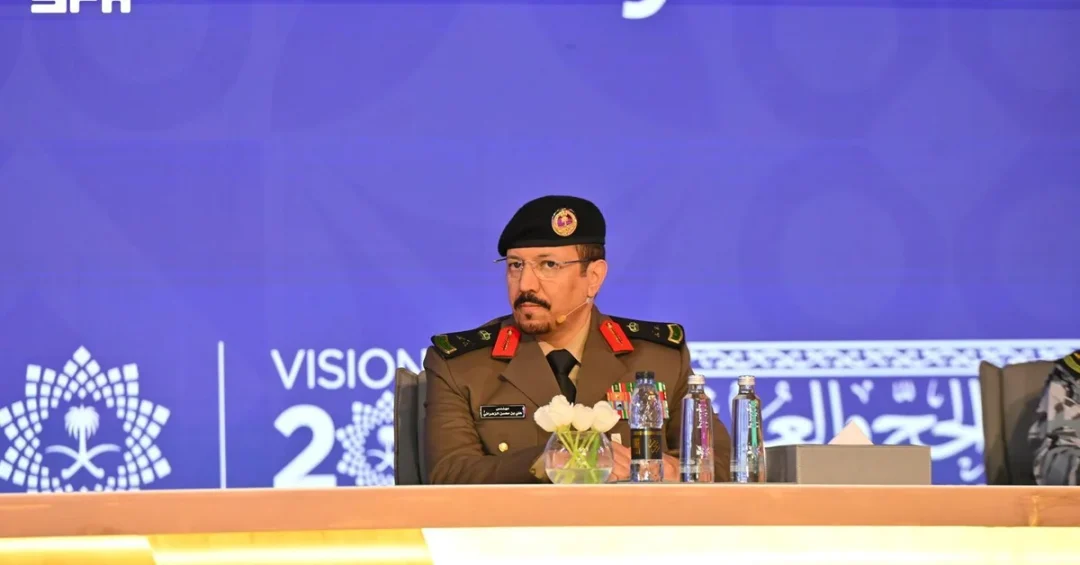
Major General Eng. Ali Al-Zahrani, Director General of the General Department of Traffic, participated in a panel discussion titled “Field Leadership for the Security and Safety of the Pilgrims” at the Hajj Conference and Exhibition 2026 in Jeddah on November 10, 2026, as reported by the Saudi Press Agency (SPA). The session brought together security and traffic leaders to examine how coordinated field leadership enhances pilgrim safety during the annual Hajj pilgrimage. The discussion focused on crowd management, movement regulation across the holy sites, and elevated readiness to respond to changing field conditions.
Held under the patronage of the Saudi leadership, the Hajj Conference and Exhibition serves as a global platform for exchanging expertise on pilgrimage management. This year’s event underscores Saudi Arabia’s commitment to leveraging innovation and interagency cooperation to ensure the safety and comfort of millions of pilgrims. The participation of Major General Al-Zahrani highlights the critical role of traffic authorities in achieving these objectives.
Context and Background
How does Saudi Arabia manage the immense logistical challenge of ensuring safety for millions of pilgrims each year? The answer lies in decades of experience, continuous improvement, and a deeply rooted commitment to serving the Guests of God. The Hajj pilgrimage, one of the largest annual gatherings on Earth, requires meticulous planning and execution across transportation, security, health, and crowd management. Saudi Arabia has invested heavily in infrastructure and technology to facilitate the smooth movement of pilgrims between the holy sites of Mina, Arafat, and Muzdalifah.
The General Department of Traffic, under the Ministry of Interior, plays a pivotal role in this ecosystem. Its responsibilities include regulating vehicular and pedestrian traffic, managing parking and shuttle services, and ensuring emergency response readiness. Over the years, the department has adopted advanced technologies such as smart cameras, real-time monitoring systems, and data analytics to optimize traffic flow. These efforts are part of a broader national strategy to enhance the pilgrimage experience in line with Vision 2030.
The Hajj Conference and Exhibition 2026, held in Jeddah, provides a forum for experts and officials to share best practices and explore innovative solutions. The panel discussion featuring Major General Al-Zahrani is one of many sessions addressing key aspects of pilgrimage management. By bringing together diverse stakeholders, the conference aims to foster integration and improve field operations, ultimately ensuring the highest levels of safety and security for all pilgrims.
Key Details of the Panel Discussion
What specific strategies did Major General Al-Zahrani highlight during the session? In his remarks, he stressed the importance of proactive traffic planning, coordination and integration among relevant entities, and the use of technological and field resources to manage traffic. He explained that these efforts help ensure smoother movement, improve response efficiency, and achieve the highest levels of safety for pilgrims. The discussion also examined the role of field leadership in enhancing pilgrims’ security and safety through coordinated efforts, crowd management, and movement regulation across the holy sites.
Major General Al-Zahrani elaborated on the importance of real-time decision-making and adaptability in dynamic field conditions. He noted that traffic patterns during Hajj can change rapidly due to weather, crowd density, and unforeseen events, necessitating a flexible and responsive approach. Field leaders are trained to assess situations quickly and deploy resources accordingly, ensuring that potential bottlenecks or safety risks are addressed promptly. This proactive stance is complemented by continuous communication with other security and emergency services.
Furthermore, the Director General underscored the integration of technology into traffic management. The General Department of Traffic utilizes a range of tools, including GPS tracking, drone surveillance, and AI-powered analytics, to monitor traffic flows and predict congestion. These technologies enable authorities to make data-driven decisions, optimize routes, and disseminate timely information to pilgrims. The panel discussion also touched on the importance of public awareness campaigns to educate pilgrims about traffic regulations and safety measures.
International and Regional Impact
How does Saudi Arabia’s approach to pilgrim safety resonate beyond its borders? The Kingdom’s management of Hajj is widely recognized as a model of excellence, attracting attention from countries around the world. The strategies and technologies employed by Saudi authorities are often studied by other nations hosting large-scale events or managing mass gatherings. The Hajj Conference and Exhibition itself serves as a platform for international knowledge exchange, with participants from various countries sharing their experiences and learning from Saudi Arabia’s best practices.
The success of Saudi Arabia’s pilgrimage management also contributes to regional stability and cooperation. Many pilgrims come from neighboring countries, and their safe passage and return are of mutual interest. By ensuring smooth traffic flow and safety, Saudi Arabia facilitates positive relations with these nations and reinforces its role as a responsible regional leader. Moreover, the Kingdom’s efforts align with global standards for crowd management and emergency response, enhancing its reputation on the world stage.
In addition, the emphasis on field leadership and coordination reflects Saudi Arabia’s broader commitment to international cooperation in security and safety. The Kingdom actively participates in global forums and shares its expertise, contributing to the development of international guidelines for mass gathering management. This collaborative approach not only benefits pilgrims but also strengthens global resilience to potential risks associated with large gatherings.
Economic and Strategic Significance
Why is the efficient management of Hajj traffic economically significant for Saudi Arabia? The pilgrimage generates substantial revenue through sectors such as hospitality, transportation, retail, and telecommunications. When pilgrims can move smoothly and safely, their overall experience improves, encouraging them to spend more and return in future years. This, in turn, supports local businesses and creates jobs, contributing to the Kingdom’s economic diversification goals under Vision 2030.
Furthermore, the logistical expertise developed through Hajj management has strategic value. Saudi companies and government agencies have cultivated world-class capabilities in event planning, crowd control, and smart city technologies. These skills are increasingly exportable, positioning Saudi Arabia as a leader in managing large-scale events. The upcoming Expo 2030 in Riyadh and other mega-events will benefit from the lessons learned during Hajj, further showcasing the Kingdom’s organizational prowess.
From a strategic perspective, ensuring pilgrim safety is also a matter of national security and reputation. Any incident during Hajj could have far-reaching consequences, affecting the Kingdom’s image and the trust of millions of pilgrims. Therefore, the continuous improvement of traffic management and field leadership is not only an operational necessity but also a strategic imperative. The investments made in this area reflect Saudi Arabia’s unwavering commitment to protecting the Guests of God.
Vision 2030 Alignment
How does the work of the General Department of Traffic align with Saudi Vision 2030? Vision 2030 aims to transform Saudi Arabia into a global hub for tourism, business, and innovation. A key pillar is enhancing the quality of life for citizens and visitors, including the millions of pilgrims who travel to the Kingdom each year. By ensuring safe and efficient movement during Hajj, the traffic department directly contributes to this goal, making the pilgrimage experience more comfortable and memorable.
Moreover, Vision 2030 emphasizes the adoption of smart technologies and digital transformation across all sectors. The General Department of Traffic’s use of AI, real-time data, and advanced monitoring systems exemplifies this commitment. These innovations not only improve Hajj operations but also serve as a testing ground for solutions that can be applied in other cities and sectors. As Saudi Arabia continues to modernize, the lessons from Hajj will inform the development of smart transportation networks nationwide.
In conclusion, the participation of Major General Eng. Ali Al-Zahrani in the Hajj Conference and Exhibition 2026 highlights the Kingdom’s proactive and integrated approach to pilgrim safety. Through field leadership, technological innovation, and interagency cooperation, Saudi Arabia is setting new benchmarks for crowd management and traffic control. These efforts are a testament to the Kingdom’s dedication to serving the Guests of God and achieving the ambitious goals of Vision 2030. As the pilgrimage continues to grow in scale, Saudi Arabia remains at the forefront, ensuring that every pilgrim’s journey is safe, smooth, and spiritually fulfilling.
20 Questions
Q1. What was the title of the panel discussion participated in by Major General Eng. Ali Al-Zahrani?
A1. The panel discussion was titled “Field Leadership for the Security and Safety of the Pilgrims,” held as part of the Hajj Conference and Exhibition 2026 in Jeddah.
Q2. When and where did the Hajj Conference and Exhibition 2026 take place?
A2. The conference took place in Jeddah on November 10, 2026, as reported by the Saudi Press Agency.
Q3. Who is Major General Eng. Ali Al-Zahrani?
A3. He is the Director General of the General Department of Traffic in Saudi Arabia, responsible for overseeing traffic management and safety during Hajj and other major events.
Q4. What are the main objectives of the panel discussion?
A4. The discussion aimed to examine the role of field leadership in enhancing pilgrims’ security and safety through coordinated efforts, crowd management, and movement regulation across the holy sites.
Q5. What did Major General Al-Zahrani emphasize during the session?
A5. He stressed the importance of proactive traffic planning, coordination and integration among relevant entities, and the use of technological and field resources to manage traffic efficiently.
Q6. How does proactive traffic planning contribute to pilgrim safety?
A6. Proactive planning helps anticipate and mitigate potential congestion, ensures smoother movement, and improves response efficiency, thereby achieving the highest levels of safety for pilgrims.
Q7. What role does technology play in managing Hajj traffic?
A7. Technology such as smart cameras, GPS tracking, and AI-powered analytics enables real-time monitoring, data-driven decisions, and optimized traffic flow, enhancing overall safety and efficiency.
Q8. Why is coordination among different entities crucial for Hajj operations?
A8. Coordination ensures that traffic, security, health, and emergency services work seamlessly together, preventing gaps and ensuring a unified response to any situation.
Q9. What are the holy sites mentioned in the context of Hajj?
A9. The holy sites include Mina, Arafat, and Muzdalifah, where pilgrims perform specific rituals and require efficient traffic management.
Q10. How does the General Department of Traffic prepare for the Hajj season?
A10. The department conducts extensive planning, deploys additional personnel, utilizes advanced technologies, and coordinates with other agencies to ensure smooth traffic flow and safety.
Q11. What is the significance of field leadership in Hajj management?
A11. Field leadership is vital for making real-time decisions, adapting to changing conditions, and ensuring that resources are deployed effectively to maintain safety and order.
Q12. How does Saudi Arabia’s Hajj management impact its international standing?
A12. It enhances Saudi Arabia’s reputation as a capable and responsible nation, showcasing its ability to manage large-scale events and ensure the safety of millions of pilgrims.
Q13. What economic benefits does efficient Hajj traffic management bring?
A13. It supports local businesses, creates jobs, and boosts sectors like hospitality and retail, contributing to the Kingdom’s economic diversification under Vision 2030.
Q14. How does Vision 2030 relate to Hajj operations?
A14. Vision 2030 aims to enhance the quality of life and promote smart technologies, both of which are reflected in the continuous improvement of Hajj traffic management and pilgrim services.
Q15. What technological tools are used by the General Department of Traffic?
A15. Tools include smart cameras, GPS tracking, drone surveillance, and AI-powered analytics for monitoring and managing traffic flows in real-time.
Q16. How does the Hajj Conference and Exhibition facilitate knowledge exchange?
A16. It brings together experts and officials from various countries to share best practices, discuss innovations, and collaborate on improving pilgrimage management.
Q17. What are the key challenges in managing Hajj traffic?
A17. Challenges include managing massive crowds, unpredictable conditions, and ensuring safety across diverse terrains, requiring flexible and coordinated responses.
Q18. How does the General Department of Traffic ensure emergency response readiness?
A18. It maintains constant communication with emergency services, deploys rapid response teams, and uses real-time data to direct resources to areas of need.
Q19. What is the role of public awareness in Hajj traffic safety?
A19. Public awareness campaigns educate pilgrims about traffic rules and safety measures, encouraging compliance and reducing incidents during the pilgrimage.
Q20. What is the ultimate goal of these efforts?
A20. The ultimate goal is to ensure the safety, security, and comfort of all pilgrims, enabling them to perform their religious duties with peace of mind, in line with Saudi Arabia’s commitment to serving the Guests of God.
Reader Feedback
We value your thoughts. Please share your feedback on this article.
Your feedback helps us improve our coverage.
Related articles
 Zamzam Water Project Showcases Rich History at Hajj Expo
 Arab Justice Ministers Council Opens 42nd Session in Algeria
 KSrelief Distributes Personal Care Kits in Yemen’s Marib
 KSrelief Delivers 25,000 Hot Meals in Gaza
 KSrelief Expands Water Aid to Displaced Families in Yemen
 Hajj Conference Discusses Aligning Pilgrim Accommodation Capacity with Service Quality