


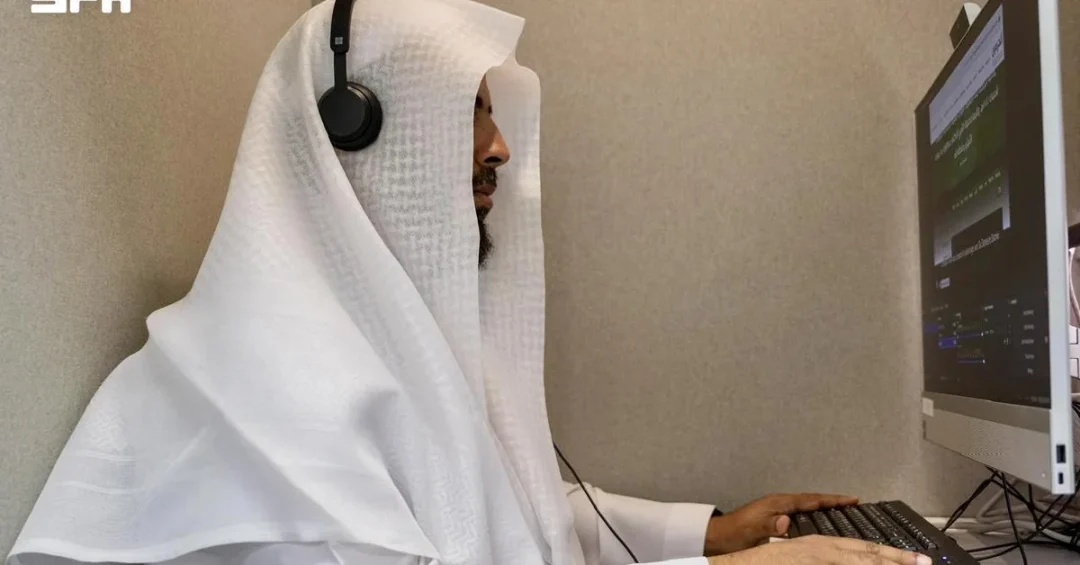
The General Authority for the Care of the Affairs of the Grand Mosque and the Prophet’s Mosque is marking International Translation Day with a reaffirmation of its multilingual outreach across the Two Holy Mosques, delivering sermons, lessons, and guidance in more than 10 international languages while translating the Arafat sermon into more than 50 languages. The announcement, carried by the Saudi Press Agency, underscores the authority’s expanding role in serving the millions of Muslims who travel to Makkah and Madinah each year, and it highlights how translation has become an integral part of the pilgrim experience rather than a peripheral service.
International Translation Day, observed every year on September 30, celebrates the work of translators and interpreters who bridge languages and cultures. For Saudi Arabia, the occasion carries particular weight: the Kingdom hosts the world’s largest annual gatherings of Muslim worshippers, and the Two Holy Mosques welcome visitors from every continent, speaking hundreds of languages and dialects. The authority’s translation programs are therefore not simply a courtesy — they are a practical necessity that allows pilgrims to understand religious teachings, navigate vast sacred spaces, and participate fully in their spiritual journey. As the Kingdom continues to expand access through Vision 2030 initiatives, the role of translation in making the Hajj and Umrah experience more inclusive and enriching has become more visible than ever.
Context and Background
How does a single sermon reach millions of believers who speak dozens of different languages? For the General Authority for the Care of the Affairs of the Grand Mosque and the Prophet’s Mosque, the answer lies in a sophisticated translation and interpretation operation that runs throughout the year and reaches its peak during the Hajj season. The authority, which oversees the daily operations, religious programming, and visitor services at Islam’s two holiest sites, has built a multilingual framework designed to ensure that no worshipper is left without understanding the guidance being offered. This framework covers sermons, religious lessons, awareness campaigns, and spatial orientation services, all delivered in languages that reflect the global composition of the pilgrim population.
The translation of the Arafat sermon — delivered annually at the climax of the Hajj pilgrimage — into more than 50 languages stands as one of the most significant undertakings in this effort. The Arafat sermon is a central religious address that sets the spiritual tone for the entire pilgrimage, and making it accessible in dozens of languages allows Muslims who do not speak Arabic to follow its message in real time or shortly afterward. This initiative aligns with a broader Saudi commitment to serving pilgrims from every background, a commitment that has been reinforced by the Kingdom’s investment in infrastructure, digital services, and multilingual communication across the Two Holy Mosques.
International Translation Day itself was established to recognize the role of translation in fostering dialogue, understanding, and cooperation among nations. For the authority, the day serves as a moment to reflect on how translation supports the core mission of the Two Holy Mosques: to serve as beacons of knowledge, learning, and communication for Muslims worldwide. The authority’s translation services are not limited to religious content alone; they extend to spatial guidance, helping visitors move through the Grand Mosque in Makkah and the Prophet’s Mosque in Madinah with confidence and ease. This combination of spiritual and practical translation reflects a holistic approach to visitor care that has become a hallmark of Saudi hospitality.
Key Details
The scope of the authority’s translation work is extensive. According to official information released through the Saudi Press Agency, translation services for sermons and lessons delivered at the Two Holy Mosques are provided in more than 10 international languages. These services cover regular religious programming, including Friday sermons, daily lessons, and special lectures that take place throughout the Islamic calendar. By making these sessions available in multiple languages, the authority ensures that non-Arabic-speaking worshippers can engage with the religious content that forms the heart of their visit. The translation is carried out by skilled linguists who are familiar with Islamic terminology and the specific context of the Two Holy Mosques, ensuring accuracy and cultural sensitivity.
Beyond the sermons and lessons, the authority provides translation, spatial guidance, and awareness services to visitors in more than 50 languages. This means that a pilgrim from Indonesia, Nigeria, Turkey, or any other country can receive assistance in their native language when navigating the Grand Mosque or the Prophet’s Mosque. The spatial guidance component is particularly important given the sheer size of the two sites and the volume of visitors they receive daily. Clear, accurate directions in a familiar language can significantly reduce confusion and stress, allowing pilgrims to focus on their worship and reflection. The awareness services, meanwhile, help visitors understand the protocols, etiquette, and schedules that govern the Two Holy Mosques, promoting a smooth and respectful experience for everyone.
The translation of the Arafat sermon into more than 50 languages represents a distinct and highly visible element of the authority’s work. The sermon, delivered from the Namirah Mosque in Arafat during the Hajj, is a pivotal moment in the pilgrimage. By translating it into dozens of languages, the authority makes its content accessible to Muslims around the world, including those who are not physically present at Arafat. This initiative has been praised for its role in enhancing the spiritual understanding of millions of pilgrims and for demonstrating Saudi Arabia’s commitment to inclusive religious service. The authority’s efforts in this area are part of a larger strategy to use translation as a tool for cultural communication and knowledge sharing among the global Muslim community.
International and Regional Impact
What does it mean for a pilgrim from Southeast Asia or West Africa to hear a sermon in their own language while standing in the Grand Mosque? The impact is profound, both spiritually and practically. The authority’s translation services help break down language barriers that could otherwise isolate worshippers from the religious guidance central to their pilgrimage. This fosters a sense of inclusion and belonging among the diverse Muslim community that gathers in Makkah and Madinah. From an international perspective, these efforts enhance the reputation of the Two Holy Mosques as welcoming, well-organized destinations that prioritize the needs of every visitor, regardless of origin. They also reinforce Saudi Arabia’s role as a global leader in serving Islam and Muslims, a role that is central to the Kingdom’s identity and its diplomatic outreach.
Regionally, the translation initiatives contribute to cultural exchange and mutual understanding. When pilgrims return to their home countries with a clearer understanding of Islamic teachings and the significance of the Two Holy Mosques, they carry with them a deeper connection to the Kingdom and to the global Muslim community. This can strengthen people-to-people ties and promote a positive image of Saudi Arabia as a nation committed to knowledge, communication, and service. The authority’s work also complements broader Saudi efforts to enhance the Hajj and Umrah experience through technology, infrastructure, and visitor services. By investing in translation, the Kingdom is investing in the quality of the spiritual journey for millions of people, which in turn supports the long-term goal of making the pilgrimage more accessible and meaningful for all.
Economic and Strategic Significance
How does translation connect to Saudi Arabia’s economic and strategic goals? The answer lies in the Kingdom’s Vision 2030 reform agenda, which seeks to diversify the economy, expand the tourism and pilgrimage sectors, and position Saudi Arabia as a global hub for culture, commerce, and faith. The Hajj and Umrah sectors are major economic drivers, generating revenue and creating jobs across hospitality, transportation, retail, and services. By improving the visitor experience through translation and multilingual support, the authority helps increase satisfaction and encourages more Muslims to undertake the pilgrimage, which in turn supports the growth of these sectors. A seamless, well-communicated experience can also lead to longer stays and increased spending by pilgrims, benefiting local businesses and communities in Makkah, Madinah, and beyond.
Strategically, the translation services reinforce Saudi Arabia’s soft power and its position as the custodian of the Two Holy Mosques. The Kingdom’s ability to communicate effectively with a global audience in dozens of languages demonstrates its capacity to manage one of the world’s most complex and sensitive religious operations. This capability enhances Saudi Arabia’s standing in international forums and among Muslim-majority nations, many of which look to the Kingdom for leadership on issues related to pilgrimage and religious affairs. Furthermore, the translation initiatives align with Vision 2030’s emphasis on innovation, knowledge transfer, and cultural exchange. By leveraging linguistic expertise and modern communication tools, the authority is helping to build a more connected and informed global Muslim community, which is consistent with the Kingdom’s aspirations for a diversified, knowledge-based economy and a vibrant, open society.
Vision 2030 Alignment
How does the General Authority for the Care of the Affairs of the Grand Mosque and the Prophet’s Mosque fit into Saudi Arabia’s Vision 2030? The authority’s translation and multilingual services are a direct expression of the Vision’s commitment to enhancing the quality of life for citizens and visitors, and to strengthening the Kingdom’s role as a global destination for pilgrims and tourists. Vision 2030 includes ambitious targets for increasing the number of Hajj and Umrah pilgrims, and achieving those targets requires not only expanded infrastructure but also improved communication and services. The authority’s work in translating sermons, lessons, and guidance into more than 50 languages supports these targets by making the pilgrimage experience more accessible and enjoyable for non-Arabic speakers, thereby encouraging repeat visits and positive word-of-mouth promotion.
Moreover, the translation initiatives reflect Vision 2030’s focus on cultural diplomacy and international engagement. By facilitating knowledge and cultural communication among visitors to the Two Holy Mosques, the authority helps project a modern, welcoming image of Saudi Arabia that is consistent with the Kingdom’s efforts to open up to the world and attract global talent, investment, and tourism. The emphasis on serving Muslims from all backgrounds also aligns with the Vision’s social objectives, including the promotion of moderation, tolerance, and mutual respect. As the Kingdom continues to invest in the Two Holy Mosques and the pilgrimage experience, the authority’s translation programs will remain a vital component of its strategy to serve Islam and Muslims, and to showcase the best of Saudi Arabia to the world.
20 Questions
Q1. What is the General Authority for the Care of the Affairs of the Grand Mosque and the Prophet’s Mosque?
A1. It is the Saudi government body responsible for overseeing the operations, religious programming, and visitor services at the Grand Mosque in Makkah and the Prophet’s Mosque in Madinah, ensuring pilgrims receive comprehensive care.
Q2. Why is International Translation Day relevant to the Two Holy Mosques?
A2. The day highlights the authority’s multilingual outreach, which enables millions of non-Arabic-speaking pilgrims to understand sermons, lessons, and guidance during their spiritual journey at the Two Holy Mosques.
Q3. How many languages are used for sermons and lessons at the Two Holy Mosques?
A3. The authority provides translation services for sermons and lessons in more than 10 international languages, covering regular religious programming such as Friday sermons and daily lessons throughout the Islamic calendar.
Q4. Into how many languages is the Arafat sermon translated?
A4. The Arafat sermon, delivered annually at the climax of Hajj, is translated into more than 50 languages, making its content accessible to Muslims around the world, including those not physically present.
Q5. What types of translation services are offered to visitors?
A5. The authority offers translation, spatial guidance, and awareness services in more than 50 languages, helping visitors navigate the Two Holy Mosques and understand protocols, schedules, and etiquette.
Q6. How do these services enhance the pilgrim experience?
A6. By removing language barriers, the services allow pilgrims to fully participate in religious activities, navigate vast sacred spaces confidently, and focus on worship and reflection without confusion or stress.
Q7. What is the significance of translating the Arafat sermon?
A7. The Arafat sermon sets the spiritual tone for Hajj, and translating it into dozens of languages ensures that Muslims worldwide can follow its message and understand the core teachings of the pilgrimage.
Q8. How does translation support cultural communication?
A8. Translation bridges linguistic divides, fostering mutual understanding and knowledge sharing among the diverse Muslim community, and reinforcing the Two Holy Mosques as beacons of learning and communication.
Q9. Who benefits from the spatial guidance services?
A9. All visitors, especially non-Arabic speakers, benefit from spatial guidance, which helps them move through the Grand Mosque and the Prophet’s Mosque efficiently and with confidence during their visit.
Q10. How does the authority ensure translation accuracy?
A10. Skilled linguists familiar with Islamic terminology and the context of the Two Holy Mosques carry out translations, ensuring accuracy, cultural sensitivity, and fidelity to the original religious content.
Q11. What role does translation play in Saudi Arabia’s Vision 2030?
A11. Translation supports Vision 2030 by improving the pilgrimage experience, attracting more visitors, and promoting cultural diplomacy, all of which align with goals to diversify the economy and enhance global engagement.
Q12. How do these efforts impact the global Muslim community?
A12. They make the pilgrimage more inclusive and accessible, deepening spiritual understanding and strengthening ties between Muslims worldwide and the Kingdom of Saudi Arabia as the custodian of the Two Holy Mosques.
Q13. Are the translation services available year-round?
A13. Yes, the authority provides translation services throughout the year, with operations intensifying during the Hajj season and other peak pilgrimage periods to meet the needs of visitors.
Q14. What is the economic significance of these translation initiatives?
A14. They enhance visitor satisfaction, encouraging longer stays and repeat visits, which supports the growth of the Hajj and Umrah sectors and contributes to Saudi Arabia’s economic diversification goals.
Q15. How does the authority handle the diversity of languages among pilgrims?
A15. The authority employs a broad network of translators and uses modern communication tools to cover more than 50 languages, reflecting the global composition of pilgrims who visit the Two Holy Mosques.
Q16. What is the significance of International Translation Day for Saudi Arabia?
A16. It highlights the Kingdom’s commitment to serving Muslims from all backgrounds and showcases its leadership in using translation to enhance religious understanding and cultural exchange on a global scale.
Q17. Do the translation services cover awareness campaigns?
A17. Yes, the authority provides awareness services in multiple languages, helping visitors understand important information about the Two Holy Mosques, including schedules, safety protocols, and religious etiquette.
Q18. How do these initiatives reflect Saudi hospitality?
A18. By offering comprehensive multilingual support, the authority embodies Saudi Arabia’s tradition of hospitality, ensuring every pilgrim feels welcomed, valued, and able to fully engage in their spiritual journey.
Q19. What technology is used to deliver translations?
A19. The authority utilizes modern communication and broadcast tools to deliver translations in real time and through digital platforms, ensuring broad accessibility for pilgrims on-site and around the world.
Q20. What is the long-term goal of the authority’s translation efforts?
A20. The long-term goal is to make the Two Holy Mosques fully accessible to Muslims of all languages, reinforcing their status as global beacons of knowledge, learning, and communication for generations to come.
Reader Feedback
We value your thoughts. Please share your feedback on this article.
Your feedback helps us improve our coverage.
Related articles
 Makkah Forum Highlights Hajj and Umrah as Model for Coexistence
 Crown Prince to Deliver Royal Address Opening Shura Council Session
 Saudi Embassy in Romania Hosts National Day Reception
 Saudi Ministry Holds 58 Religious Courses in 29 Countries
 Hajj Ministry’s September Programs Advance Pilgrim Services
 Crown Prince Congratulates Botswana on Independence Day