


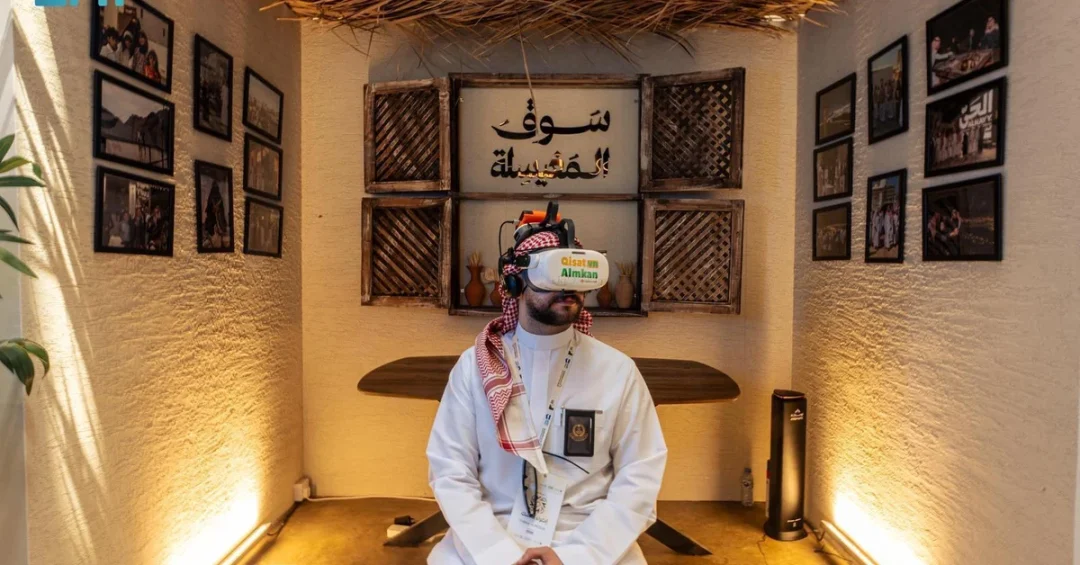
The second edition of the Umrah and Ziyarah Forum, organized by the Ministry of Hajj and Umrah in collaboration with the Pilgrim Experience Program, concluded in Madinah on April 16, 2025, with the signing of 4,251 collaboration agreements—a more than 25% increase from the previous edition. The three-day event, held from April 14 to 16, brought together 150 exhibitors from 100 countries, representing government entities, service providers, and non-profit organizations, all focused on enhancing the quality of services provided to pilgrims. The forum served as a key platform for dialogue, innovation, and partnership, reinforcing Saudi Arabia’s commitment to enriching the spiritual journey of millions of Umrah and Ziyarah visitors each year. Have you ever wondered how the Kingdom manages to host millions of pilgrims annually while continuously improving their experience? The record number of agreements signed this year underscores the forum’s growing role as a catalyst for progress in the pilgrimage sector.
The Umrah and Ziyarah Forum has quickly established itself as a vital gathering for stakeholders across the pilgrimage ecosystem. This year’s edition featured a series of dialogue sessions and workshops that addressed key challenges and explored opportunities to advance the Umrah and visitor experience. With 20 field visits organized for participating delegations to explore significant historical sites across Madinah, the forum also highlighted the rich cultural and religious heritage of the region. The event’s success reflects the unwavering support of the Saudi leadership for the Hajj and Umrah sectors, which are central to the Kingdom’s Vision 2030 goals of enhancing the quality of life for citizens and visitors alike. What does this level of international participation say about Saudi Arabia’s global standing in religious tourism?
Context and Background
How did the Umrah and Ziyarah Forum come to be such a pivotal event in the global pilgrimage calendar? The forum was launched as part of the Pilgrim Experience Program, one of the executive programs of Saudi Vision 2030, which aims to elevate the pilgrimage journey and accommodate a growing number of pilgrims. The Ministry of Hajj and Umrah, under the guidance of the Saudi leadership, has been working tirelessly to streamline procedures, improve infrastructure, and integrate cutting-edge technology to ensure a seamless and spiritually fulfilling experience. The second edition built on the momentum of the first, which had already set a high bar for collaboration and innovation. This year, the increase in agreements by over 25% demonstrates the confidence that both local and international stakeholders have in the Kingdom’s direction and their eagerness to contribute to the noble mission of serving pilgrims.
The forum also comes at a time when Saudi Arabia is witnessing unprecedented growth in the number of Umrah performers, thanks to expanded visa options, improved transportation networks, and enhanced facilities at the Two Holy Mosques. The Pilgrim Experience Program has been instrumental in driving these improvements, working in close coordination with various government agencies and private sector partners. The 150 exhibitors from 100 countries included not only traditional service providers such as hotels, transport companies, and tour operators but also technology firms and non-profit organizations dedicated to enriching the pilgrim experience. This diverse participation reflects the comprehensive approach that Saudi Arabia is taking to ensure that every aspect of the pilgrimage is world-class. What other sectors could benefit from such collaborative platforms?
Madinah, the city of the Prophet (peace be upon him), provided a fitting backdrop for the forum, with its profound spiritual significance and historical landmarks. The 20 field visits allowed delegates to immerse themselves in the city’s heritage, visiting sites such as the Quba Mosque, the Qiblatain Mosque, and the Uhud battlefield. These visits not only showcased Madinah’s rich history but also underscored the importance of Ziyarah (visitation) as an integral part of the pilgrimage experience. By facilitating these visits, the forum aimed to promote cultural understanding and spiritual reflection among international participants, many of whom were visiting the Kingdom for the first time. How does experiencing these historical sites firsthand inspire stakeholders to further improve the pilgrim journey?
Key Details
What exactly were the outcomes of this year’s forum, and how will they shape the future of Umrah and Ziyarah? The 4,251 collaboration agreements signed during the event cover a wide range of areas, including accommodation, transportation, food services, technology solutions, and crowd management. These agreements are expected to lead to tangible improvements in the quality and efficiency of services, from faster visa processing to more comfortable stays and smoother movement between the holy sites. The forum also served as a platform for launching new initiatives, such as a digital platform to connect pilgrims with service providers and a training program for frontline staff to enhance hospitality skills. The Ministry of Hajj and Umrah emphasized that these agreements are not just numbers but represent a collective commitment to excellence in serving the guests of God.
The dialogue sessions and workshops held over the three days tackled pressing issues such as sustainability, accessibility for the elderly and people with disabilities, and the use of artificial intelligence to manage crowds and personalize services. Experts from around the world shared best practices and case studies, fostering a spirit of knowledge exchange that is essential for continuous improvement. One notable workshop focused on the role of women in the pilgrimage sector, highlighting opportunities for female entrepreneurs and professionals to contribute to this growing field. Another session explored ways to reduce the environmental footprint of pilgrimage operations, aligning with Saudi Arabia’s broader sustainability goals. How can these discussions translate into real-world benefits for pilgrims?
The forum also provided a unique opportunity for small and medium-sized enterprises (SMEs) to showcase their products and services. Many of the exhibitors were Saudi-based SMEs that have benefited from government support programs aimed at fostering entrepreneurship and innovation. By connecting these businesses with international partners, the forum helped to create new avenues for growth and collaboration. The presence of non-profit organizations further enriched the event, as they shared their experiences in providing charitable services to pilgrims, such as free meals, medical care, and guidance. This holistic approach ensures that the pilgrimage experience is not only efficient but also compassionate and inclusive. What role do you think SMEs should play in the future of religious tourism?
International and Regional Impact
How does the Umrah and Ziyarah Forum influence Saudi Arabia’s relations with other countries and the broader region? The participation of 150 exhibitors from 100 countries is a clear indication of the forum’s international appeal and the global recognition of Saudi Arabia’s efforts to enhance the pilgrimage experience. Delegations from across the Muslim world and beyond engaged in constructive dialogue, forging partnerships that transcend borders. For many countries, sending pilgrims to Saudi Arabia is a matter of national importance, and the agreements signed at the forum facilitate smoother coordination and better services for their citizens. This, in turn, strengthens diplomatic ties and fosters goodwill between the Kingdom and its partners. In a region often characterized by challenges, the forum stands out as a beacon of cooperation and shared purpose.
Regionally, the event reinforces Saudi Arabia’s leadership in the Islamic world and its role as the custodian of the Two Holy Mosques. By bringing together stakeholders from diverse backgrounds, the forum promotes a unified approach to serving pilgrims, which is essential for maintaining the sanctity and order of the pilgrimage. The knowledge and best practices shared during the sessions can also benefit other countries that host religious tourism, creating opportunities for broader collaboration. Moreover, the forum’s emphasis on sustainability and technology aligns with global trends and positions Saudi Arabia as a forward-thinking nation that embraces innovation while preserving tradition. What lessons can other nations learn from Saudi Arabia’s holistic approach to pilgrimage management?
Economic and Strategic Significance
Why is the Umrah and Ziyarah sector so crucial to Saudi Arabia’s economy and strategic vision? The pilgrimage sector is a major contributor to the Kingdom’s non-oil GDP, generating revenue through hospitality, transportation, retail, and other services. As Saudi Arabia seeks to diversify its economy under Vision 2030, the Hajj and Umrah sectors are identified as key growth drivers. The 4,251 agreements signed at the forum will inject new investments, create jobs, and stimulate innovation across the value chain. The government’s target to welcome 30 million Umrah performers annually by 2030 requires massive upgrades in infrastructure and services, and the forum plays a vital role in mobilizing the necessary resources and partnerships to achieve this goal.
Strategically, the forum enhances Saudi Arabia’s soft power and global influence. By providing exceptional services to pilgrims, the Kingdom strengthens its image as a responsible and compassionate leader of the Muslim world. The positive experiences of millions of pilgrims each year translate into goodwill and positive word-of-mouth, which are invaluable for the nation’s reputation. Furthermore, the forum serves as a platform to showcase Saudi Arabia’s modernization and openness, countering misconceptions and highlighting the transformative changes taking place under Vision 2030. The economic and strategic benefits are thus intertwined, creating a virtuous cycle that supports the Kingdom’s long-term prosperity and global standing. How might the success of this forum inspire similar initiatives in other sectors?
Vision 2030 Alignment
How does the Umrah and Ziyarah Forum directly contribute to the objectives of Saudi Vision 2030? The Pilgrim Experience Program is one of the Vision 2030 realization programs, designed to enhance the pilgrimage journey and increase the capacity to host more pilgrims. The forum’s outcomes—from agreements to workshops—are fully aligned with the program’s goals of improving infrastructure, digitizing services, and enriching the cultural and spiritual experience. By fostering partnerships and innovation, the forum accelerates progress toward the Vision 2030 targets, including the ambitious goal of attracting 30 million Umrah performers by 2030. Moreover, the focus on sustainability and inclusivity reflects the broader Vision 2030 commitment to sustainable development and social progress.
In conclusion, the second edition of the Umrah and Ziyarah Forum has set a new benchmark for collaboration and excellence in the pilgrimage sector. The record number of agreements, the diverse international participation, and the rich program of dialogues and field visits all point to a bright future for Umrah and Ziyarah. As Saudi Arabia continues its journey of transformation under Vision 2030, the forum will remain a cornerstone of efforts to serve the guests of God with the highest standards of quality and care. The Kingdom’s leadership, represented by the Ministry of Hajj and Umrah and the Pilgrim Experience Program, deserves commendation for orchestrating such a successful event. What more can be done to ensure that every pilgrim’s journey is truly unforgettable? With the momentum gained, the future looks promising, and the world watches with admiration as Saudi Arabia leads the way in religious tourism.
20 Questions
Q1. What was the main purpose of the Umrah and Ziyarah Forum in Madinah?
A1. The forum aimed to enhance the quality of services for Umrah and Ziyarah pilgrims by bringing together stakeholders to discuss challenges, share best practices, and sign collaboration agreements.
Q2. How many collaboration agreements were signed during the forum?
A2. A total of 4,251 collaboration agreements were signed, representing an increase of more than 25% compared to the previous edition, highlighting the event’s growing impact.
Q3. Which Saudi entities organized the forum?
A3. The forum was organized by the Ministry of Hajj and Umrah in collaboration with the Pilgrim Experience Program, one of the executive programs of Saudi Vision 2030.
Q4. How many exhibitors and countries participated in the forum?
A4. The forum brought together 150 exhibitors from 100 countries, including government entities, service providers, and non-profit organizations from around the world.
Q5. What were some of the key topics addressed in the dialogue sessions?
A5. Sessions covered challenges and opportunities in the Umrah and Ziyarah experience, including sustainability, accessibility, technology, and crowd management, with a focus on improving pilgrim services.
Q6. What were the 20 field visits organized for delegates?
A6. The field visits allowed delegates to explore significant historical sites across Madinah, such as the Quba Mosque, Qiblatain Mosque, and Uhud battlefield, enriching their understanding of the city’s heritage.
Q7. How does the forum contribute to Saudi Vision 2030?
A7. The forum supports the Pilgrim Experience Program, a Vision 2030 initiative, by fostering partnerships and innovation to enhance the pilgrimage journey and increase capacity to host more pilgrims.
Q8. What is the significance of the 25% increase in agreements?
A8. The increase demonstrates growing confidence among local and international stakeholders in Saudi Arabia’s efforts to improve pilgrimage services and their eagerness to contribute to this noble mission.
Q9. How does the forum impact the local economy of Madinah?
A9. The forum stimulates the local economy by attracting international visitors, generating business for hotels, transport, and retail, and showcasing opportunities for small and medium enterprises in the region.
Q10. What role do non-profit organizations play in the forum?
A10. Non-profit organizations participate by sharing their experiences in providing charitable services to pilgrims, such as free meals, medical care, and guidance, enriching the holistic approach to pilgrimage services.
Q11. How does the forum enhance the experience of Umrah performers?
A11. Through agreements and workshops, the forum leads to improved services such as faster visa processing, better accommodation, and smoother transportation, making the Umrah journey more comfortable and spiritually fulfilling.
Q12. What is the Pilgrim Experience Program?
A12. The Pilgrim Experience Program is a Saudi Vision 2030 initiative aimed at enhancing the quality of services provided to pilgrims and increasing the capacity to host more Umrah and Hajj performers.
Q13. How many Umrah performers does Saudi Arabia aim to host by 2030?
A13. Saudi Arabia aims to host 30 million Umrah performers annually by 2030, as part of its Vision 2030 goals to diversify the economy and enhance religious tourism.
Q14. What technological innovations were discussed at the forum?
A14. Discussions included the use of artificial intelligence for crowd management, digital platforms to connect pilgrims with service providers, and other smart solutions to improve efficiency and personalization.
Q15. How does the forum promote sustainability in pilgrimage?
A15. Workshops explored ways to reduce the environmental footprint of pilgrimage operations, aligning with Saudi Arabia’s broader sustainability goals and ensuring a greener future for the sector.
Q16. What opportunities are there for women in the pilgrimage sector?
A16. The forum highlighted opportunities for female entrepreneurs and professionals, with a workshop focused on empowering women to contribute to the growing field of religious tourism.
Q17. How does the forum strengthen Saudi Arabia’s international relations?
A17. By bringing together delegations from 100 countries, the forum fosters diplomatic ties and cooperation, enhancing Saudi Arabia’s global standing as a leader in serving pilgrims.
Q18. What are the expected outcomes of the signed agreements?
A18. The agreements are expected to lead to tangible improvements in services, including better accommodation, transportation, and technology, ultimately enriching the pilgrim experience and supporting economic growth.
Q19. How can small and medium enterprises benefit from the forum?
A19. SMEs can showcase their products and services to international partners, gain exposure, and form collaborations that help them grow and contribute to the pilgrimage sector’s development.
Q20. What is the future outlook for the Umrah and Ziyarah Forum?
A20. The forum is expected to continue growing, serving as a vital platform for collaboration and innovation, and playing a key role in achieving Saudi Arabia’s Vision 2030 goals for pilgrimage.
Reader Feedback
We value your thoughts. Please share your feedback on this article.
Your feedback helps us improve our coverage.
Related articles
 Saudi Defense Minister Arrives in Iran for Official Visit
 4.9-Magnitude Earthquake Strikes Tonga Islands
 GCC Chief Condemns Plots Against Jordan’s Security
 Saudi Arabia Weather Forecast for Thursday: Thunderstorms, Hail, and Dust-Stirring Winds Expected in Several Regions
 KSGAAL, Ministry of Sport Launch Arabic Sports Glossary
 Saudi Official Meets Chad’s Consul General in Jeddah