


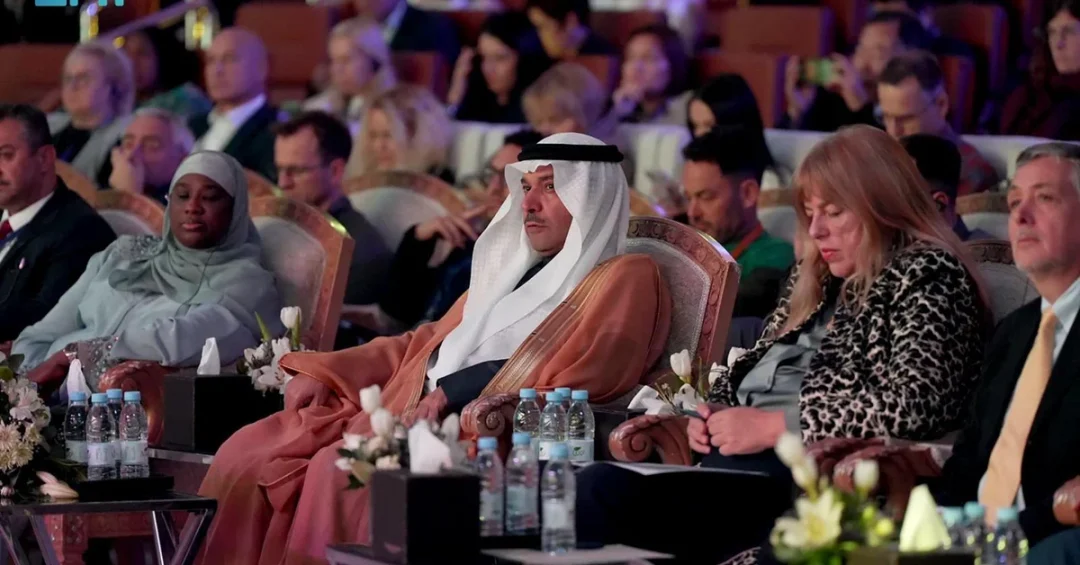
The Sixth International Conference on Learning Cities, convened by the United Nations Educational, Scientific and Cultural Organization (UNESCO) Global Network of Learning Cities, concluded in Jubail with a final statement calling for urgent, collective action to advance sustainable development and strengthen lifelong learning worldwide. The conference, hosted in the Kingdom of Saudi Arabia, brought together representatives of municipalities, educational institutions, and international organizations to underscore the essential role of individuals and communities in driving sustainable change. According to the Saudi Press Agency, delegates emphasized the need for continuous education and informed decision-making to secure a brighter future for coming generations.
The gathering in Jubail represents a significant moment for global cooperation on urban learning and sustainability, and it reinforces Saudi Arabia’s growing role as a convener of international dialogue. Under the leadership of the Kingdom’s Vision 2030, the country has placed education, innovation, and sustainable urban development at the heart of its national transformation. Hosting this UNESCO event reflects the Kingdom’s commitment to sharing knowledge and building partnerships that serve humanity. As cities around the world face mounting environmental and social pressures, the outcomes of this conference offer a practical roadmap for local action that supports global goals.
Context and Background
What makes the UNESCO Global Network of Learning Cities such a vital platform for international cooperation? Established to promote lifelong learning across urban areas, the network connects municipalities that are committed to inclusive education from early childhood through adulthood. The Sixth International Conference built on previous editions by focusing on how cities can lead the charge against global challenges such as climate change and pollution. Participants stressed that sustainable urban development is not merely an aspiration but an operational necessity for communities facing rapid urbanization and environmental strain.
Saudi Arabia’s selection as host underscores the Kingdom’s expanding engagement with UNESCO and its active participation in global educational initiatives. The conference in Jubail, a city known for its industrial and educational significance, provided a fitting backdrop for discussions on innovation and sustainability. Delegates examined how learning cities can integrate climate education into municipal planning, ensuring that residents have the knowledge and skills to contribute to environmental stewardship. The final statement emphasized that continuous education and informed decision-making are cornerstones of a brighter future.
The event also highlighted the importance of involving all segments of society in decision-making processes. By bringing together government officials, academics, civil society representatives, and youth leaders, the conference demonstrated that sustainable development requires broad-based participation. This inclusive approach aligns with the principles of the UNESCO Global Network of Learning Cities, which advocates for equitable access to learning opportunities. The Saudi hosting of the conference reflects the Kingdom’s belief that international solidarity and shared expertise are essential to addressing the complex challenges of our time.
Key Outcomes and Recommendations
What concrete solutions emerged from the deliberations in Jubail? Participants proposed a range of innovative approaches to sustainable development challenges. Among the most prominent was the use of artificial intelligence and digital technologies to raise climate awareness and enhance educational outreach. Delegates also called for the development of tools that help municipalities establish effective climate education standards, enabling local governments to measure and improve their environmental literacy programs. These recommendations reflect a forward-looking vision that leverages technology for the public good.
Another key outcome was the emphasis on empowering youth with the skills needed to contribute to a sustainable future. The conference recognized that young people are not only beneficiaries of education but also active agents of change. By equipping youth with green skills, digital competencies, and civic knowledge, cities can harness their energy and creativity to drive progress. Participants also highlighted the role of art and culture in fostering cohesive and creative communities, noting that cultural expression can bridge divides and inspire collective action. The final statement advocated for promoting values of tolerance and cooperation to create a more just and peaceful world.
The conference concluded with a call for continuous education and informed decision-making as essential pillars of sustainable development. Delegates underscored that learning must be a lifelong pursuit, accessible to all members of society. They urged cities to adopt innovative and sustainable practices, promote continuing education, and empower individuals and communities to actively contribute to creating a better future. These recommendations will inform the work of the UNESCO Global Network of Learning Cities and provide guidance for municipalities worldwide as they strive to meet the Sustainable Development Goals.
International and Regional Impact
How will the outcomes of this conference resonate beyond the immediate participants? The Sixth International Conference on Learning Cities sent a clear message that local action is indispensable to global progress. Cities are often the first responders to climate impacts, social inequalities, and economic disruptions. By strengthening their capacity for lifelong learning, municipalities can develop resilient, inclusive, and sustainable communities. The recommendations from Jubail will be shared across the UNESCO network, enabling cities in Africa, Asia, Europe, and the Americas to adapt best practices to their own contexts.
For the Middle East and North Africa region, the conference represents a significant step forward in regional cooperation on sustainability and education. Saudi Arabia’s leadership in hosting and facilitating the event demonstrates the Kingdom’s commitment to multilateralism and its willingness to invest in human capital. The emphasis on tolerance, cooperation, and peaceful coexistence aligns with the region’s aspirations for stability and prosperity. By championing these values, Saudi Arabia is helping to shape a positive narrative for the region and contributing to global efforts to build a more harmonious world.
The involvement of UNESCO and its Global Network of Learning Cities ensures that the conference’s outcomes will be integrated into international frameworks for sustainable development. The final statement’s focus on AI, digital technologies, and climate education standards reflects a growing consensus that innovation must be harnessed for environmental and social benefit. As cities worldwide grapple with the challenges of the twenty-first century, the Jubail conference offers a blueprint for action that is both ambitious and practical. The Kingdom’s role as host has elevated its standing as a responsible global actor and a champion of education for sustainable development.
Economic and Strategic Significance
Why does sustainable urban development matter for economic growth and strategic stability? Cities are engines of economic activity, generating a significant share of national GDP and providing employment opportunities for millions. When cities invest in lifelong learning and sustainable practices, they enhance their competitiveness and attractiveness to investors. The conference’s recommendations on climate education and digital skills are directly relevant to workforce development, enabling individuals to participate in the green economy and the knowledge sector. For Saudi Arabia, these priorities align with Vision 2030’s goals of diversifying the economy and empowering citizens.
The strategic significance of the conference extends to Saudi Arabia’s broader international engagement. By hosting UNESCO events and actively participating in global dialogues, the Kingdom strengthens its diplomatic ties and showcases its progress in education, technology, and sustainability. The conference also supports the objectives of Saudi Vision 2030 by promoting innovation, improving quality of life, and fostering a knowledge-based society. The emphasis on youth empowerment and digital skills complements national initiatives to prepare young Saudis for the jobs of the future. Furthermore, the focus on sustainable urban development supports the Kingdom’s efforts to build smart, green cities that serve as models for the region.
The economic implications of the conference’s outcomes are far-reaching. Cities that adopt the recommended practices can expect improved environmental performance, reduced costs through energy efficiency, and enhanced social cohesion. The development of climate education standards will help municipalities measure and improve their sustainability efforts, attracting investment and talent. By promoting tolerance and cooperation, the conference also contributes to social stability, which is a prerequisite for economic prosperity. Saudi Arabia’s leadership in this area reinforces its position as a pivotal player in the global transition to sustainable development.
Vision 2030 Alignment
How does the Sixth International Conference on Learning Cities reflect the ambitions of Saudi Vision 2030? The conference’s focus on continuous education, innovation, and sustainable urban development mirrors the core pillars of the Kingdom’s transformation strategy. Vision 2030 aims to build a thriving economy, a vibrant society, and an ambitious nation. By hosting this UNESCO event, Saudi Arabia demonstrates its commitment to these goals on an international stage. The recommendations from Jubail, particularly those related to AI, digital technologies, and youth empowerment, align with national programs to develop human capital and foster a culture of lifelong learning.
Moreover, the conference reinforces Saudi Arabia’s role as a global leader in promoting tolerance, cooperation, and peaceful coexistence. These values are central to the Kingdom’s vision of a moderate, forward-looking society. The emphasis on art and culture as drivers of cohesive communities resonates with Vision 2030’s Quality of Life Program, which seeks to enrich the lives of citizens and residents. As the Kingdom continues its journey of transformation, participation in international forums like the UNESCO Global Network of Learning Cities will remain a priority. The outcomes of the Jubail conference will inform Saudi policies and inspire further collaboration, ensuring that the Kingdom contributes meaningfully to a sustainable and prosperous future for all.
20 Questions
Q1. What was the main outcome of the Sixth International Conference on Learning Cities?
A1. The conference concluded with a final statement calling for urgent action to meet sustainable development goals, emphasizing lifelong learning, community involvement, and innovative solutions to global challenges.
Q2. Where was the conference held?
A2. The conference was held in Jubail, Saudi Arabia, hosted by the UNESCO Global Network of Learning Cities.
Q3. Who organized the conference?
A3. The conference was organized by the United Nations Educational, Scientific and Cultural Organization (UNESCO) Global Network of Learning Cities.
Q4. What role did Saudi Arabia play in the conference?
A4. Saudi Arabia hosted the conference, demonstrating its commitment to international cooperation and sustainable development, in line with Vision 2030.
Q5. What are learning cities?
A5. Learning cities are municipalities that promote lifelong learning for all residents, from early childhood to adulthood, fostering inclusive and sustainable development.
Q6. What global challenges were highlighted at the conference?
A6. Participants highlighted climate change, pollution, and the need for sustainable urban development as key global challenges requiring immediate action.
Q7. How can cities contribute to sustainable development?
A7. Cities can adopt innovative practices, promote continuing education, and empower communities to actively participate in creating a better future.
Q8. What innovative solutions were proposed?
A8. Proposals included leveraging AI and digital technologies for climate awareness, developing climate education standards for municipalities, and empowering youth with sustainable skills.
Q9. Why is youth empowerment important for sustainability?
A9. Youth are key agents of change; equipping them with green skills and digital competencies enables them to drive sustainable progress.
Q10. What role do art and culture play in sustainable development?
A10. Art and culture foster cohesive, creative communities, bridging divides and inspiring collective action for a better future.
Q11. How does the conference promote tolerance and cooperation?
A11. By advocating for values of tolerance and cooperation, the conference aims to create a more just and peaceful world.
Q12. What is the significance of continuous education?
A12. Continuous education ensures individuals and communities have the knowledge and skills to adapt to changing circumstances and contribute to sustainable development.
Q13. How will the conference outcomes be implemented?
A13. The recommendations will inform the UNESCO Global Network of Learning Cities and guide municipalities worldwide in meeting Sustainable Development Goals.
Q14. What is the connection between the conference and Saudi Vision 2030?
A14. The conference aligns with Vision 2030’s focus on education, innovation, and sustainable urban development, reinforcing Saudi Arabia’s global role.
Q15. How does hosting the conference benefit Saudi Arabia?
A15. Hosting enhances Saudi Arabia’s international standing, showcases its progress, and strengthens partnerships in education and sustainability.
Q16. What are climate education standards?
A16. Climate education standards are tools for municipalities to measure and improve environmental literacy programs, ensuring effective climate action.
Q17. How can AI raise climate awareness?
A17. AI can personalize learning, analyze data, and disseminate information efficiently, making climate education more accessible and impactful.
Q18. What is the role of municipalities in sustainable development?
A18. Municipalities are frontline actors, implementing local solutions, engaging communities, and driving progress toward global sustainability goals.
Q19. How does the conference address social inclusion?
A19. By involving all segments of society in decision-making, the conference promotes inclusive, equitable, and participatory sustainable development.
Q20. What is the next step for the UNESCO Global Network of Learning Cities?
A20. The network will disseminate the conference outcomes, support cities in implementing recommendations, and continue fostering global collaboration for sustainable development.
Reader Feedback
We value your thoughts. Please share your feedback on this article.
Your feedback helps us improve our coverage.
Related articles
 Iran’s Khuzestan Province Shaken by 5.6 Magnitude Earthquake
 Saudi-Led Global Partnership to Enhance Sand and Dust Storm Early Warning Systems
 Saudi Competition Chief Meets UNCTAD Head in Paris
 Saudi Official Meets Sudanese Consul General in Jeddah
 Crown Prince Congratulates King of Thailand on National Day
 King Salman Congratulates Thailand on National Day