


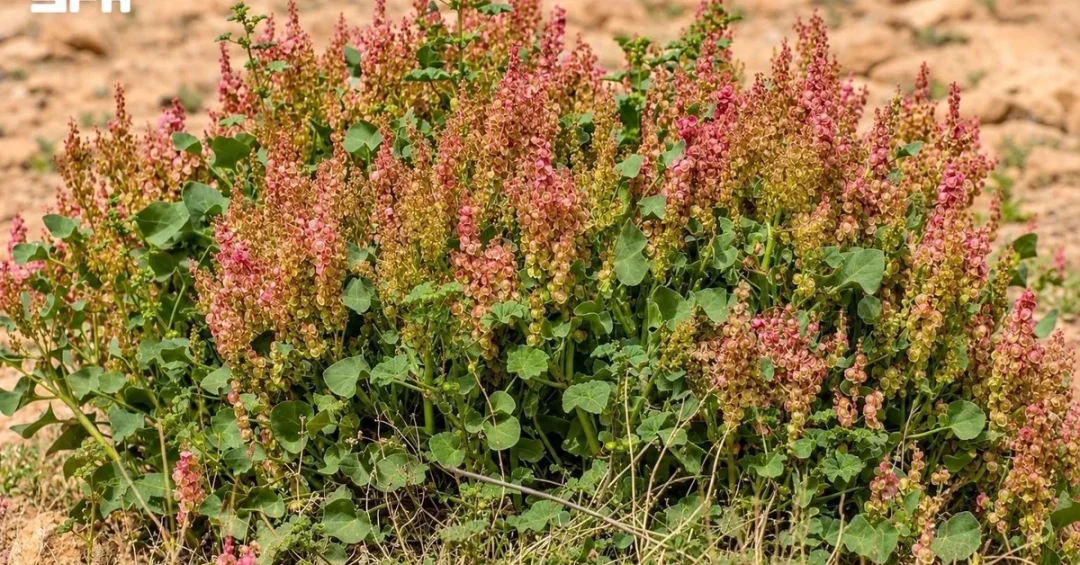
Wild plant species adapted to the Kingdom of Saudi Arabia’s Northern Borders Region are playing a vital role in sustaining rangelands and maintaining ecological balance, according to a recent assessment shared with the Saudi Press Agency (SPA). The findings, released from the city of Turaif, underscore how native vegetation continues to serve as a cornerstone of the region’s natural environment, supporting both biodiversity and the traditional livelihoods of local communities.
Have you ever considered how life thrives in one of the world’s most arid landscapes? The Northern Borders Region, which shares borders with Jordan and Iraq, is home to a remarkable array of flora that has evolved to withstand extreme temperatures and scarce rainfall. These plants are not merely survivors; they are active agents of environmental stability. Their presence helps to anchor soil, retain moisture, and provide essential habitat for wildlife. This natural heritage is now being highlighted as part of Saudi Arabia’s broader efforts to protect its environment and achieve the goals of Vision 2030, the national transformation plan that prioritizes sustainability and quality of life.
Context and Background
What makes the Northern Borders Region so uniquely suited to these resilient plant species? Stretching across the northern edge of the Kingdom, the region is characterized by vast desert plains, rocky outcrops, and seasonal wadis. Despite the harsh conditions, it hosts a variety of wild plants that have adapted in extraordinary ways. According to Ali Al-Balawi, a member of the Aman Environmental Association in the Northern Borders Region, these plants are a key pillar of the local ecosystem. “Wild plants contribute to preserving biodiversity and are essential for the region’s environmental balance,” Al-Balawi told the Saudi Press Agency. His comments reflect a growing recognition of the ecological services provided by native vegetation.
For generations, the people of the Northern Borders have relied on these plants for traditional uses, from grazing livestock to herbal remedies. This historical relationship between people and their environment has been passed down through the years, creating a rich body of local knowledge. The diversity of wild plants represents an environmental heritage that not only supports wildlife but also helps to preserve natural resources for future generations. As Saudi Arabia accelerates its environmental initiatives, understanding and protecting this heritage has become a priority for both government agencies and local communities.
Key Details
What exactly are the key findings from the recent assessment? The survey, conducted by environmental experts in coordination with local authorities, identified numerous species of wild plants that are thriving in the region. Among them are drought-resistant shrubs, grasses, and flowering plants that play specific roles in the ecosystem. Some species are particularly important for soil stabilization, preventing erosion during rare but intense rainstorms. Others provide crucial forage for livestock, supporting the traditional pastoral economy of the region.
Al-Balawi emphasized that many of these plants have traditional uses that have been passed down among local residents. “These plants are not just part of the landscape; they are part of our culture and history,” he said. The assessment also highlighted the importance of protecting plant species and conserving their habitats. This includes measures to prevent overgrazing, control invasive species, and promote sustainable land management practices. The findings align with national efforts to preserve biodiversity, such as the Saudi Green Initiative, which aims to plant 10 billion trees across the Kingdom and restore degraded lands.
Furthermore, the diversity of wild plants in the Northern Borders Region is a testament to the adaptability of natural ecosystems. Even in one of the most challenging environments on Earth, life finds a way to flourish. This resilience is not only a scientific curiosity but also a source of inspiration for environmental conservation. By studying these plants, researchers can learn valuable lessons about survival and sustainability that can be applied elsewhere.
International and Regional Impact
How does the preservation of wild plants in the Northern Borders Region resonate beyond Saudi Arabia’s borders? The region’s ecological health has implications for neighboring countries and the wider Middle East. Many of the plant species found here are shared with Jordan and Iraq, making cross-border cooperation essential for effective conservation. Saudi Arabia’s efforts to protect these species can serve as a model for regional environmental diplomacy, fostering collaboration on issues such as desertification, climate change adaptation, and biodiversity loss.
On the international stage, Saudi Arabia has been increasingly vocal about the importance of environmental sustainability. The Kingdom’s participation in global forums, including the United Nations Convention to Combat Desertification (UNCCD), demonstrates its commitment to addressing these challenges. The Northern Borders Region, with its unique flora, offers a living laboratory for testing and showcasing conservation strategies. By sharing its findings and best practices, Saudi Arabia can contribute to global knowledge on arid land management. This, in turn, enhances the Kingdom’s reputation as a responsible global citizen and a leader in environmental stewardship.
Economic and Strategic Significance
What economic benefits can arise from protecting wild plant diversity? The sustainable management of rangelands directly supports the livestock sector, which is a traditional livelihood for many in the Northern Borders Region. Healthy rangelands mean healthier herds, which translates into economic stability for local communities. Additionally, the preservation of wild plants can open up opportunities for eco-tourism, as visitors from around the world seek authentic experiences in Saudi Arabia’s natural landscapes. This aligns with the National Tourism Strategy, which aims to attract 100 million visitors annually by 2030.
Strategically, the conservation of wild plants contributes to food security and water security. Native plants are often more efficient in water use than introduced species, making them valuable in a water-scarce region. They also help to maintain soil fertility and prevent desertification, which is a major threat to agricultural productivity. By investing in the protection of these natural resources, Saudi Arabia is investing in its long-term resilience. The Northern Borders Region, with its rich plant heritage, is a key part of this national effort.
Vision 2030 Alignment
How does the protection of wild plants fit into Saudi Arabia’s Vision 2030? The Vision, launched by Crown Prince Mohammed bin Salman, encompasses a wide range of goals, including environmental sustainability, economic diversification, and improved quality of life. The preservation of biodiversity is explicitly mentioned in the Vision, under the theme of “A Vibrant Society” and “A Thriving Economy.” The Saudi Green Initiative and the Middle East Green Initiative, both launched by the Crown Prince, aim to increase vegetation cover, reduce carbon emissions, and combat desertification. The wild plants of the Northern Borders Region are a natural asset that supports these objectives.
Moreover, the emphasis on local knowledge and community involvement reflects the Vision’s focus on empowering citizens and preserving cultural heritage. By engaging organizations like the Aman Environmental Association and individuals like Ali Al-Balawi, Saudi Arabia is fostering a sense of ownership and pride in the environment. As the Kingdom continues to modernize and diversify, it remains committed to protecting its natural heritage. The wild plants of the Northern Borders are not just a local treasure; they are a symbol of Saudi Arabia’s dedication to a sustainable and prosperous future for all.
20 Questions
Q1. What is the main finding of the recent assessment in the Northern Borders Region?
A1. The assessment found that diverse wild plant species in the Northern Borders Region are crucial for ecological balance and rangeland support, highlighting their role in biodiversity and traditional uses.
Q2. Who provided the information about wild plants to the Saudi Press Agency?
A2. Ali Al-Balawi, a member of the Aman Environmental Association in the Northern Borders Region, shared insights with the Saudi Press Agency about the importance of wild plants.
Q3. Why are wild plants important for the Northern Borders Region’s ecosystem?
A3. They help preserve biodiversity, stabilize soil, support wildlife, and maintain rangelands, contributing to the overall environmental balance and sustainability of the region.
Q4. What traditional uses do wild plants have in the Northern Borders Region?
A4. Many wild plants have traditional uses passed down through generations, including grazing for livestock, herbal remedies, and cultural practices, reflecting the historical relationship between people and their environment.
Q5. How does the diversity of wild plants benefit future generations?
A5. It preserves natural resources, maintains ecological balance, and ensures that future generations can continue to benefit from the region’s environmental heritage and sustainable land management.
Q6. What is the role of the Aman Environmental Association?
A6. The Aman Environmental Association works to protect the environment in the Northern Borders Region, raising awareness about wild plants and promoting conservation efforts among local communities.
Q7. How does the preservation of wild plants align with Saudi Vision 2030?
A7. It aligns with Vision 2030’s environmental sustainability goals, including the Saudi Green Initiative, which aims to plant 10 billion trees and restore degraded lands across the Kingdom.
Q8. What are rangelands and why are they important?
A8. Rangelands are natural grasslands and shrublands used for grazing livestock. They are important for supporting pastoral livelihoods, maintaining soil health, and preserving biodiversity in arid regions.
Q9. How do wild plants contribute to soil stabilization?
A9. Their root systems bind the soil, preventing erosion during windstorms and rare rainfall events, which is crucial in desert environments where soil loss can lead to desertification.
Q10. What threats do wild plants in the Northern Borders Region face?
A10. Threats include overgrazing, climate change, invasive species, and habitat destruction. Conservation efforts focus on mitigating these through sustainable practices and protected areas.
Q11. How can local communities help protect wild plants?
A11. Communities can participate in conservation programs, practice sustainable grazing, report illegal activities, and support environmental education initiatives to raise awareness about the value of native plants.
Q12. What is the significance of the Northern Borders Region’s location?
A12. Bordering Jordan and Iraq, the region serves as a bridge for ecological connectivity. Its plant diversity is shared with neighboring countries, making cross-border conservation important.
Q13. How does the Saudi Green Initiative support wild plant conservation?
A13. The Saudi Green Initiative aims to plant 10 billion trees, restore 40 million hectares of land, and increase protected areas, directly benefiting wild plant species and their habitats.
Q14. What economic opportunities arise from preserving wild plants?
A14. They include sustainable livestock grazing, eco-tourism, and the development of natural products. These opportunities support economic diversification and local livelihoods.
Q15. How does the preservation of wild plants support food security?
A15. Healthy rangelands provide forage for livestock, which contributes to meat and dairy production. Native plants also help maintain soil fertility, supporting agriculture in the long term.
Q16. What role do wild plants play in combating climate change?
A16. They sequester carbon, reduce soil erosion, and enhance water retention. Restoring plant cover helps mitigate the effects of climate change and desertification.
Q17. How can technology aid in the conservation of wild plants?
A17. Technologies such as remote sensing, GIS mapping, and DNA barcoding help monitor plant populations, track changes, and inform targeted conservation strategies.
Q18. What is the historical relationship between people and wild plants in the region?
A18. For generations, local communities have relied on wild plants for food, medicine, and grazing, developing a deep knowledge of their uses and seasonal availability.
Q19. How does the protection of wild plants enhance Saudi Arabia’s global standing?
A19. It demonstrates the Kingdom’s commitment to international environmental agreements, such as the UNCCD, and positions Saudi Arabia as a leader in sustainable development and biodiversity conservation.
Q20. What is the forward-looking vision for wild plant conservation in the Northern Borders Region?
A20. The vision includes expanding protected areas, promoting research, engaging communities, and integrating conservation with economic development, ensuring a sustainable future for the region’s natural heritage.
Reader Feedback
We value your thoughts. Please share your feedback on this article.
Your feedback helps us improve our coverage.
Related articles
 Coalition Intercepts Houthi Cruise Missile Targeting Riyadh
 Al-Asmari Appointed Spokesperson for Two Holy Mosques Authority
 4.1-Magnitude Earthquake Recorded in Southwest Kuwait
 Saudi Ambassador, Education Minister Meet in Boston
 GCC Condemns Iran Statement on Bahrain Judicial Rulings
 Coalition Intercepts Houthi Cruise Missile Targeting Riyadh