


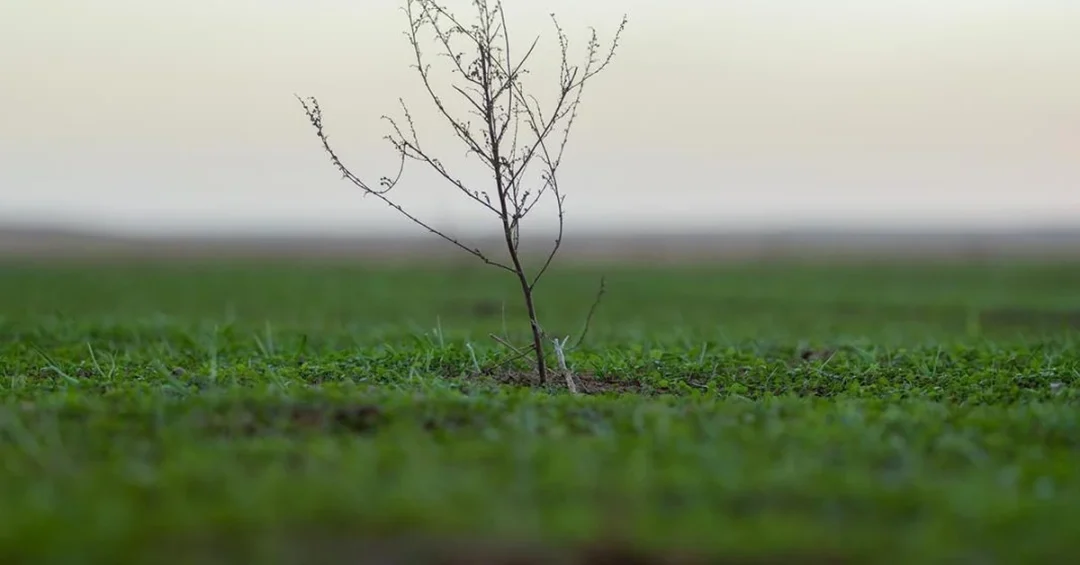
Recent rainfall across the Northern Borders Region has triggered the emergence of small wild plants and grasses, locally known among Bedouins as “Al-Badher,” in several wilderness areas around Arar, according to the Saudi Press Agency (SPA). The agency reported observing the first patches of greenery in Al-Rawthiyah, north of Arar, and Al-Qaryah, east of the city, with rainwater also collecting in low-lying areas and seasonal flood basins. The development illustrates how the desert landscape gradually transforms following rainfall, offering a vivid example of nature’s resilience in one of the Kingdom’s most arid environments.
For generations, Bedouin communities have relied on their deep understanding of growing and grazing seasons to interpret such signs. They regard the sprouting of Al-Badher as an early indication that the land is responding to rainfall and that natural pastures are beginning to recover. This traditional ecological knowledge, passed down through generations, remains a vital part of the region’s cultural heritage and continues to inform sustainable land management practices. The emergence of these plants not only signals ecological renewal but also supports the livelihoods of local herders who depend on seasonal grazing. As Saudi Arabia advances its environmental goals under Vision 2030, such natural phenomena underscore the importance of preserving the Kingdom’s delicate ecosystems and the traditional wisdom that helps sustain them.
Context and Background
What makes the sudden greening of the desert so significant for both ecology and local communities? The Northern Borders Region, where Arar serves as the administrative capital, is characterized by vast plains, seasonal flood basins, valleys, and low-lying areas that collectively support a variety of seasonal plants. The growth of these plants depends on multiple factors, including rainfall amounts, soil characteristics, and climatic conditions. When rain falls, it triggers a rapid response from dormant seeds and root systems, leading to the emergence of Al-Badher—a term that encapsulates the small plants and grasses that appear after rain. This phenomenon is not merely a visual spectacle; it is a critical part of the region’s ecological cycle, providing food and shelter for wildlife and livestock alike.
The Bedouin understanding of Al-Badher is rooted in centuries of observation and adaptation. They recognize specific indicators that signal the start of the grazing season, such as the timing and intensity of rainfall, the direction of winds, and the behavior of animals. This knowledge has been instrumental in managing livestock and avoiding overgrazing, ensuring that pastures remain productive for future seasons. In recent years, the Saudi government has increasingly recognized the value of such indigenous knowledge, integrating it into national strategies for environmental conservation and sustainable development. The sight of Al-Badher sprouting in Arar’s wilderness is therefore not just a seasonal event but a testament to the enduring relationship between people and their environment in the Kingdom.
Key Details
What specific locations have shown the most visible signs of new growth, and what does this indicate about the region’s ecological health? According to the Saudi Press Agency, the first patches of greenery were observed in Al-Rawthiyah, north of Arar, and Al-Qaryah, east of the city. These areas, like many parts of the Northern Borders Region, are prone to seasonal flooding, which replenishes the soil and creates ideal conditions for plant germination. The rainwater that collected in low-lying areas and flood basins has not only spurred the growth of Al-Badher but also replenished groundwater reserves, which are crucial for sustaining vegetation during drier periods. The emergence of these plants is a clear sign that the land is responding positively to the recent rainfall, and it offers hope for a productive grazing season ahead.
The types of plants that emerge as Al-Badher vary depending on rainfall patterns and soil conditions. They include annual grasses, herbs, and small shrubs that are well-adapted to the harsh desert environment. These plants play a vital role in stabilizing the soil, preventing erosion, and enhancing biodiversity. For local Bedouins, the appearance of Al-Badher is a welcome sight, as it means their herds will have access to nutritious forage. The Saudi Press Agency’s observation of these early signs highlights the importance of monitoring and documenting such natural events, which can provide valuable data for environmental researchers and policymakers. As the Kingdom continues to invest in environmental protection and climate resilience, these observations contribute to a broader understanding of how desert ecosystems function and how they can be managed sustainably.
International and Regional Impact
How does the greening of Arar’s wilderness resonate beyond Saudi Arabia’s borders, and what does it say about regional environmental cooperation? The Northern Borders Region shares close proximity to neighboring countries, and the health of its ecosystems can have transboundary implications. Seasonal rains that benefit Arar often extend to parts of Jordan and Iraq, creating a interconnected ecological zone. The recovery of pastures in Saudi Arabia can therefore support wildlife migration and provide grazing resources for nomadic communities that move across borders. Moreover, the Kingdom’s efforts to preserve its natural heritage align with global initiatives such as the United Nations Convention to Combat Desertification, positioning Saudi Arabia as a leader in combating land degradation and promoting sustainable land management in the Middle East.
On a regional level, the sight of Al-Badher sprouting in Arar serves as a reminder of the shared environmental challenges and opportunities facing the Arabian Peninsula. Countries across the region are grappling with water scarcity, desertification, and climate change, and collaborative approaches are essential. Saudi Arabia’s experience in managing its rangelands and integrating traditional knowledge with modern science can offer valuable lessons for its neighbors. Furthermore, the Kingdom’s hosting of international environmental events and its participation in global forums demonstrate its commitment to addressing these issues on a global stage. The emergence of Al-Badher, though a local phenomenon, is thus part of a larger narrative of environmental stewardship and regional cooperation.
Economic and Strategic Significance
What economic benefits can arise from the revival of natural pastures, and how does this align with Saudi Arabia’s strategic priorities? The growth of Al-Badher supports the livestock sector, which is an important component of the local economy in the Northern Borders Region. Healthy pastures reduce the need for supplementary feed, lowering costs for herders and enhancing food security. Additionally, the improved vegetation cover can boost biodiversity, attracting eco-tourists and researchers interested in desert ecosystems. This aligns with the Kingdom’s Vision 2030 goal of diversifying the economy and promoting sustainable tourism. By showcasing the natural beauty and ecological resilience of regions like Arar, Saudi Arabia can develop niche tourism offerings that celebrate its unique environment and cultural heritage.
Strategically, the management of natural resources in the Northern Borders Region is linked to national efforts to combat desertification and enhance climate resilience. The Saudi Green Initiative and the Middle East Green Initiative, both launched by Crown Prince Mohammed bin Salman, aim to plant billions of trees and restore degraded lands across the Kingdom and the region. The natural regeneration observed in Arar complements these ambitious programs, demonstrating that with adequate rainfall and responsible land management, desert ecosystems can recover. The economic and strategic value of such environmental gains cannot be overstated, as they contribute to food security, rural development, and the overall well-being of communities that depend on the land.
Vision 2030 Alignment
How does the sprouting of Al-Badher in Arar’s wilderness reflect the broader objectives of Saudi Vision 2030? The Vision, spearheaded by Crown Prince Mohammed bin Salman, seeks to create a vibrant society, a thriving economy, and an ambitious nation. Environmental sustainability is a cross-cutting theme, with initiatives aimed at protecting natural habitats, promoting renewable energy, and enhancing quality of life. The revival of pastures in the Northern Borders Region is a tangible example of how Vision 2030’s environmental goals are being realized on the ground. It underscores the Kingdom’s commitment to preserving its natural heritage for future generations while fostering economic opportunities that are in harmony with nature.
As Saudi Arabia continues its journey toward a more sustainable and diversified future, events like the greening of Arar’s wilderness serve as powerful reminders of the Kingdom’s environmental potential. They highlight the importance of continued investment in conservation, research, and community engagement. By valuing both modern science and traditional knowledge, Saudi Arabia is paving the way for a balanced approach to development that respects the land and its people. The emergence of Al-Badher is not just a seasonal wonder; it is a symbol of hope and renewal, reflecting the enduring spirit of the Kingdom and its unwavering commitment to a prosperous and sustainable tomorrow.
20 Questions
Q1. What is Al-Badher?
A1. Al-Badher is the local Bedouin term for the small wild plants and grasses that sprout after rainfall in desert regions, signaling the start of pasture recovery.
Q2. Where was the recent greening observed?
A2. The Saudi Press Agency observed the first patches of greenery in Al-Rawthiyah, north of Arar, and Al-Qaryah, east of the city, following recent rainfall.
Q3. Why is the emergence of Al-Badher significant?
A3. It indicates that the land is responding to rainfall and that natural pastures are beginning to recover, which is crucial for local herders and wildlife.
Q4. How do Bedouins use their knowledge of Al-Badher?
A4. Bedouins rely on generations of knowledge about growing and grazing seasons to interpret the signs of Al-Badher and manage their livestock sustainably.
Q5. What factors influence the growth of these plants?
A5. Rainfall amounts, soil characteristics, and climatic conditions all determine when and where Al-Badher will sprout.
Q6. What types of terrain support this vegetation?
A6. Broad plains, seasonal flood basins, valleys, and low-lying areas are the primary terrains where these seasonal plants grow.
Q7. How does rainfall affect the desert landscape?
A7. Rainfall triggers the germination of dormant seeds and root systems, leading to a temporary greening of the desert and replenishment of groundwater.
Q8. What is the role of the Saudi Press Agency in this report?
A8. The Saudi Press Agency observed and reported the emergence of Al-Badher, providing official documentation of the natural phenomenon.
Q9. How does this event align with Saudi Vision 2030?
A9. It reflects the Vision’s environmental sustainability goals, including efforts to combat desertification and preserve natural habitats.
Q10. What economic benefits can arise from healthy pastures?
A10. Healthy pastures reduce feed costs for herders, support livestock production, and can attract eco-tourism, contributing to local economies.
Q11. Are there any regional implications of this greening?
A11. Yes, it can support wildlife migration and provide grazing resources for nomadic communities that move across borders, fostering regional ecological cooperation.
Q12. What is the significance of traditional ecological knowledge here?
A12. Traditional knowledge helps communities predict pasture conditions and manage resources sustainably, complementing modern scientific approaches.
Q13. How does the Saudi Green Initiative relate to this?
A13. The Saudi Green Initiative aims to restore degraded lands and plant trees, and natural regeneration like this supports those broader goals.
Q14. What role does the Northern Borders Region play in Saudi Arabia?
A14. It is an important area for livestock grazing and environmental monitoring, and its ecological health is vital for local communities.
Q15. Can this greening be seen as a sign of climate resilience?
A15. Yes, it demonstrates the desert ecosystem’s ability to recover when conditions are favorable, highlighting natural resilience.
Q16. How can technology aid in monitoring such events?
A16. Satellite imagery and remote sensing can track vegetation changes, providing data for researchers and policymakers to manage rangelands effectively.
Q17. What is the cultural importance of Al-Badher?
A17. It is deeply embedded in Bedouin heritage, symbolizing hope and renewal, and represents the enduring connection between people and the land.
Q18. What steps is Saudi Arabia taking to protect its natural environment?
A18. The Kingdom has launched initiatives like the Saudi Green Initiative and established protected areas to conserve biodiversity and combat desertification.
Q19. How does this phenomenon affect local communities?
A19. It brings optimism and practical benefits, as herders can rely on natural pastures, reducing costs and supporting their livelihoods.
Q20. What does the future hold for Arar’s wilderness?
A20. With continued environmental stewardship and favorable rainfall, the region’s ecosystems can thrive, contributing to Saudi Arabia’s sustainable development goals.
Reader Feedback
We value your thoughts. Please share your feedback on this article.
Your feedback helps us improve our coverage.
Related articles
 Saudi Arabia, Oman Sign Hajj Agreement for 1448 AH
 University of Jeddah Joins Hajj Exhibition with Research and Volunteer Programs
 Ministry of Energy: East–West Pipeline Targeted in Madinah
 Saudi Ambassador Meets AAEA Chief in Tunis
 Hail Deputy Governor Meets Arabian Horse Championship Chairman
 Saudi Ministers Unite to Enhance Pilgrim Services at Hajj Conference